
10 Grocery Items Americans Are Quietly Giving Up as Prices Spiral Out of Control

As grocery prices surge, many Americans are reevaluating their purchases, prioritizing essentials and seeking value-driven alternatives. This shift has led to a noticeable decline in the purchase of certain items as consumers adapt to the changing economic landscape. By understanding these trends, home cooks can optimize their shopping habits, focusing on cost-effective ingredients without sacrificing quality or flavor.
Ribeye and Premium Steaks Left Behind

Previously a staple for special occasions, ribeye and other premium steaks are seeing a drop in demand. To enjoy a similar indulgence without breaking the bank, home cooks can explore cuts like sirloin or flank steak. Season them liberally with salt and pepper, then sear quickly at high heat to achieve a beautiful crust while maintaining a tender interior. Rest the meat post-cooking to redistribute juices for a flavorful dish that rivals its pricier counterparts.
Cereal Swaps: Name-Brand to Budget Boxes

Amidst shifting costs, shoppers are increasingly opting for budget cereal brands over well-known names. These options often provide comparable taste and nutrition, allowing families to continue enjoying their breakfast rituals. Enhancing budget cereals is easy—add fresh or dried fruits, nuts, or a sprinkle of cinnamon to elevate flavors and textures while maintaining a balanced start to the day.
Seafood Splurges Sink in Popularity
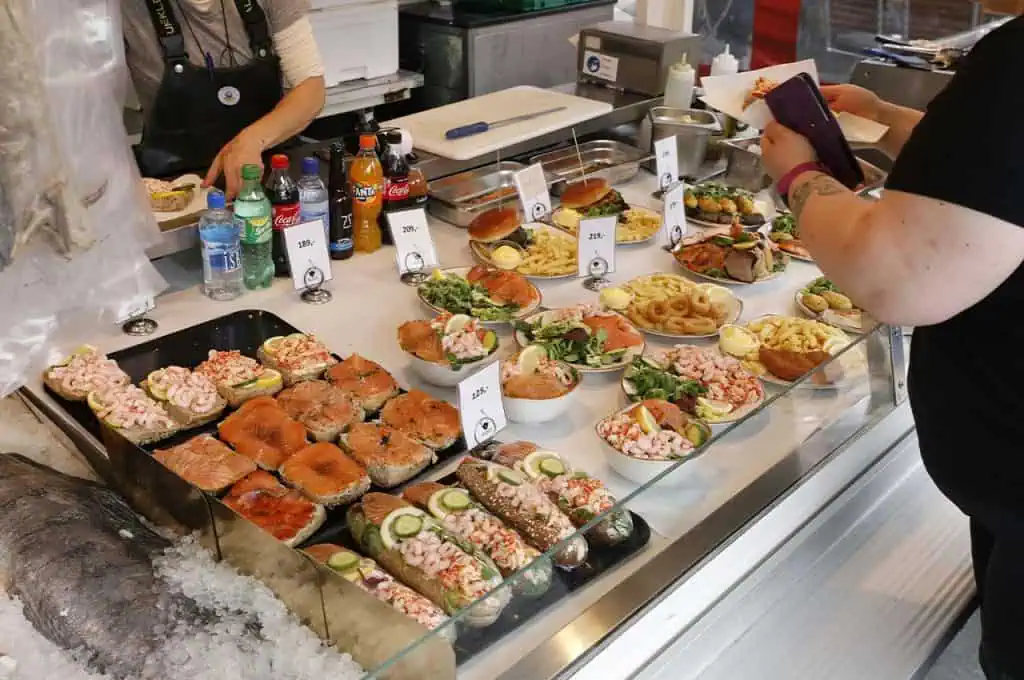
Rising prices are nudging many away from luxury seafood like scallops and salmon. Instead, consider versatile options such as tilapia or pollock, which are economically friendly and adaptable to numerous cooking methods. For a succulent result, marinate fillets in a mix of olive oil, lemon juice, garlic, and herbs before baking or broiling. This technique infuses robust flavors while keeping proteins moist and flaky.
Bye-Bye Pre-Cut Fruits and Veggies

Convenience often comes at a premium, and with rising costs, pre-cut produce is falling out of favor. Investing in whole fruits and vegetables can be more economical and offer greater freshness. To save time, prepare a batch on a leisurely day, slicing and storing in airtight containers. This method preserves nutrient integrity and extends shelf life, ensuring quick access to healthful ingredients all week.
Specialty Coffee Creamers Vanishing

As inflation continues to affect grocery bills, specialty coffee creamers are quietly disappearing from American homes. These premium products, often infused with unique flavors or organic ingredients, offer a luxurious start to the day but can significantly add to costs. To maintain morning rituals without breaking the bank, many are transitioning to standard milk or plant-based alternatives. Consider enhancing your coffee with spices like cinnamon or vanilla extract to replicate those rich creamer undertones, offering both savings and a creative culinary twist.
Organic Snacks Swapped for Store Brands
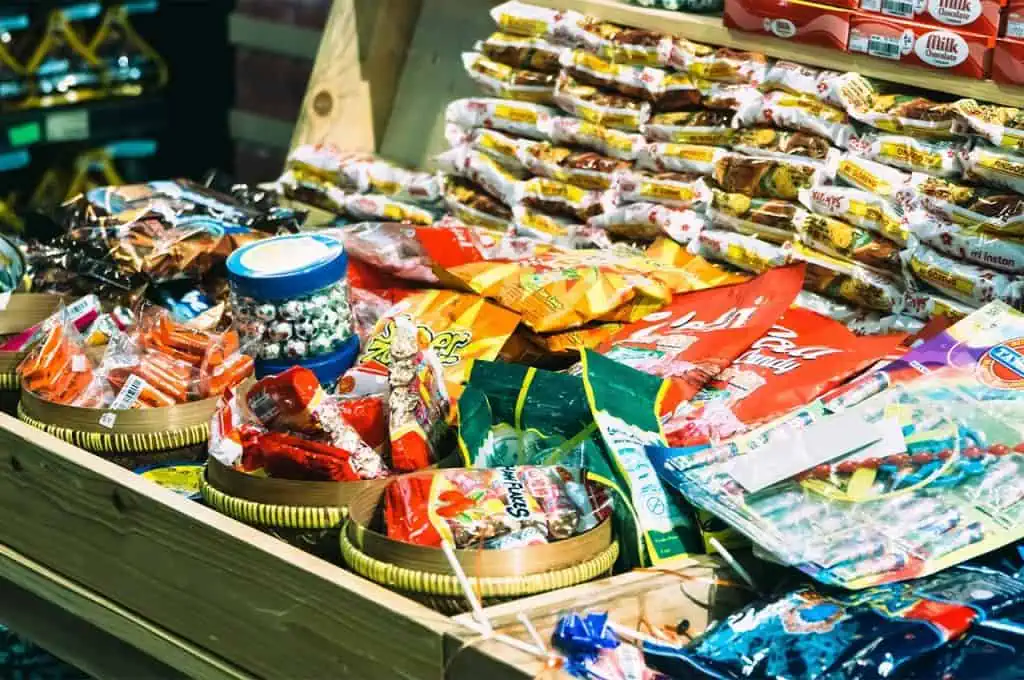
The rising cost of organic snacks has prompted a shift towards more affordable store brands. While these may not boast organic labels, many private-label alternatives provide comparable quality at a fraction of the price. Check ingredient lists to ensure preservation of nutrition and flavor. Embrace simple snacks like nuts and dried fruit, which are often available in bulk, allowing for cost-effective, healthy snacking. This transition not only eases financial burden but also encourages mindful consumption of family favorites.
Family-Size Over Single-Serve Yogurts
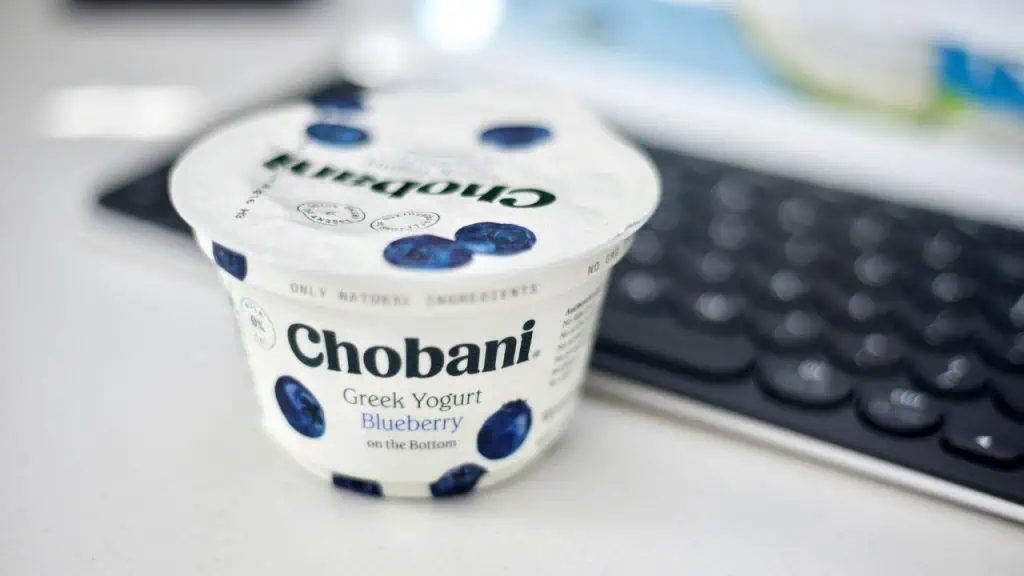
With the cost of single-serve yogurts climbing, families are opting for larger, more economical tubs. This shift reduces waste and allows for personalized serving sizes, which can be enhanced with fresh fruits, nuts, or a drizzle of honey. Mixing plain yogurt with flavorful additions like chia seeds or granola provides a nutritious, affordable breakfast or snack. This approach not only stretches the dollar further but encourages creativity in the kitchen, transforming yogurt into a versatile ingredient rather than a pre-packaged convenience.
Generic Chips Outpace Brand Names

As brand-name snack prices soar, more shoppers are gravitating towards generic chip options. These alternatives often rival the taste and crunch of higher-priced counterparts without the premium cost. For a homemade touch, consider seasoning plain chips with your own blends, like garlic powder and paprika, for customized flavor profiles. With savings in mind, this pivot to generics not only caters to snacking occasions but also allows room in the budget for occasional splurges on more essential grocery items.
Frozen Meals Replaced By Staples

Rising frozen meal prices are leading consumers to turn to pantry staples for budget-friendly dining. Essentials like rice, pasta, beans, and canned vegetables offer versatile meal bases that can be enhanced with spices and minimal fresh produce. This shift encourages simple cooking techniques, fostering culinary skills and offering a sense of accomplishment. A classic tomato sauce or hearty vegetable stew can be both nourishing and economical. By focusing on these staples, home cooks find themselves not just saving money, but also rediscovering the art of meal prep.
Sparkling Water Packs No Longer Popular

Amid rising costs, many are stepping away from sparkling water packs. While they offer a refreshing fizz, their price point is less appealing as budgets tighten. Consider making your own at home with a soda maker. This approach not only cuts down on packaging waste but also allows you to control the carbonation level to suit your preference. Infuse your homemade sparkling water with fresh herbs or slices of citrus for natural flavors without the added cost, offering a crisp, satisfying alternative that feels indulgent yet economical.


