
7 Strange Food Traditions From History That Will Make You Cringe or Curious

Throughout history, food traditions across cultures have often featured bizarre and sometimes unsettling practices. Exploring these culinary customs offers a glance at bygone eras where the lines between nourishment, superstition, and spectacle blurred intriguingly. Here, we delve into some of history’s most curious food traditions that might surprise or even unsettle modern palates, yet reveal much about human ingenuity and the cultural fabric of their times.
Medieval Pies & Live Birds
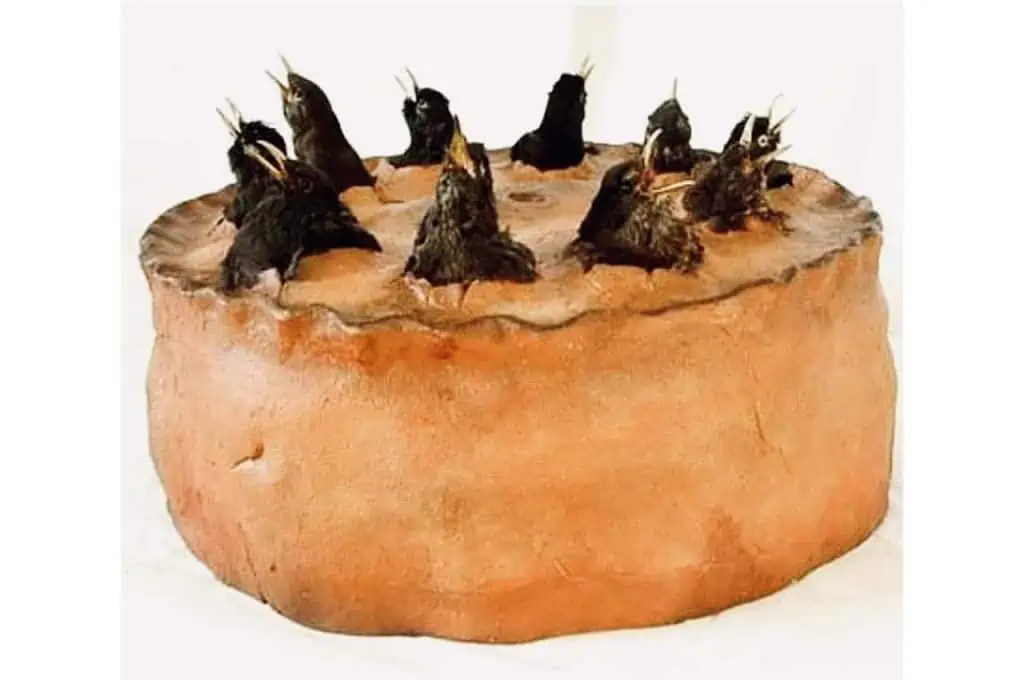
In medieval Europe, banquet spectacles often included serving elaborate pies filled with live birds. The process involved crafting a robust pastry shell to house the birds, which would surprise guests once the pie was cut open. Achieving the perfect pastry required skill; it had to be sturdy enough to withstand baking yet delicate enough not to trap the birds in an overly dense crust. Seasoned flour with a touch of salt and sufficient chilling time were essential to crafting a structurally sound pie. The contrast between the refined pastry and the unpredictable release of birds symbolized both wealth and theatrical dining.
Rome's Dormice Delicacies
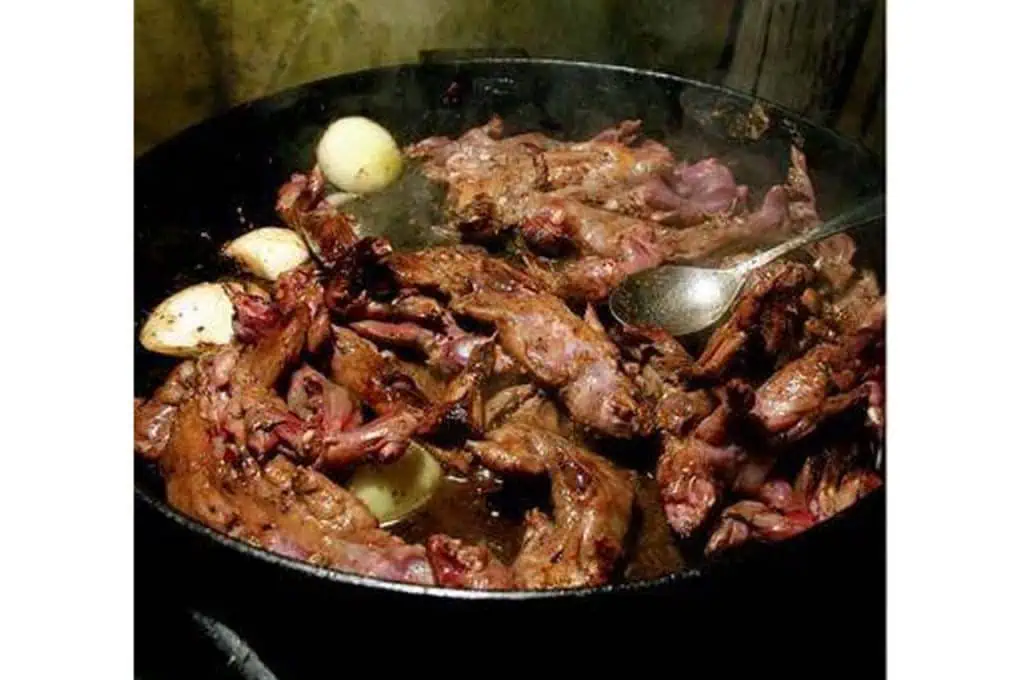
In ancient Rome, the dormouse was considered a delicacy. These small rodents were kept in special enclosures and fattened on a diet of nuts and acorns before being roasted or baked. Achieving the desired succulence required careful attention to the fattening process, ensuring that their small bodies absorbed the flavors. Culinary writings suggest the use of honey and poppy seeds for glazing, creating a sweet and savory coating. The dormouse dish served as a status symbol, reflecting both culinary skill and the host’s ability to provide such rare fare.
18th-Century Jellied Eels

Jellied eels, a staple in 18th-century England, typically involved boiling eels until their natural collagen thickened the cooking liquid, forming a fundamental jelly. The process required precise simmering to extract and set the gelatin correctly, balancing subtle flavors with vinegar and spices. The texture of the jelly and the tenderness of the fish offered a unique dining experience, with proper seasoning transforming this humble dish. The popularity of jellied eels reflected the cultural embrace of resourceful cooking, using every part of the fish sustainably.
Victorian Edible Flowers

Victorian cuisine celebrated edible flowers not merely for garnishes but as integral flavor components. Their preparation involved careful washing and selection to prevent lingering bitterness, emphasizing varieties like violets, rose petals, and nasturtiums for their unique profiles. These blossoms were often crystallized or infused into syrups, adding fragrant complexities to dishes. Achieving an ethereal quality called for meticulous drying and sugar preservation, turning the flowers into both visual and gustatory delights. The practice showcased the Victorian penchant for romanticism and edible artistry within everyday meals.
Renaissance Sugar Artistry
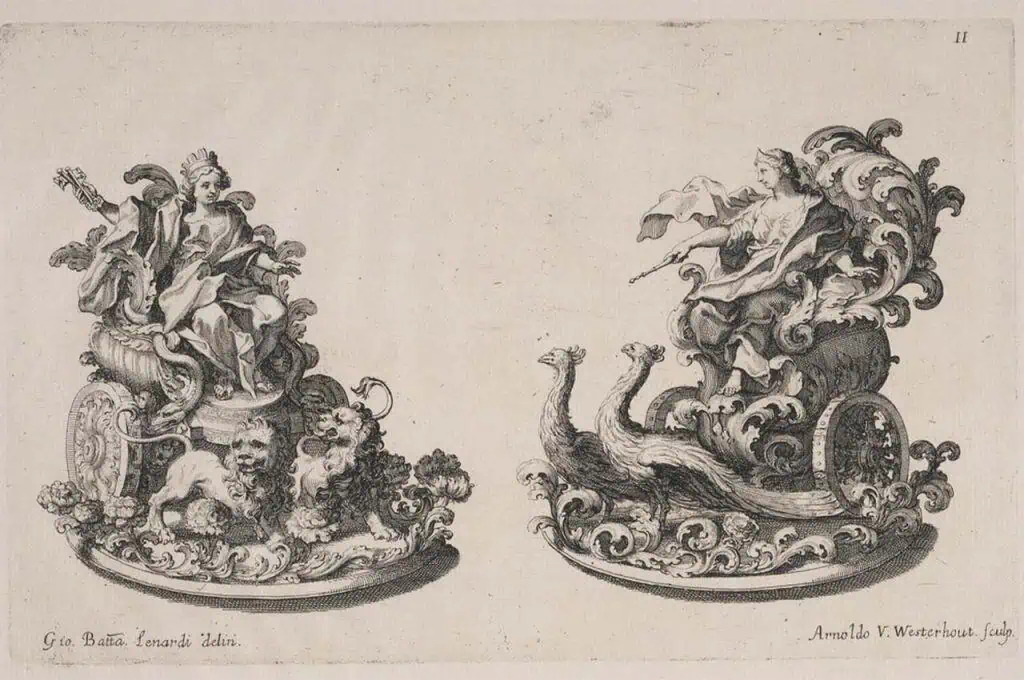
During the Renaissance, sugar crafting reached elaborate heights, transforming simple ingredients into stunning displays of edible art. Sugar, a rare and valuable commodity, was manipulated into intricate sculptures and decorations, showcasing wealth and culinary mastery. Techniques included boiling sugar to create a malleable paste and molding it into figures, animals, or ornate centerpieces. To try your hand at sugar artistry, start with basic fondant, practicing your shaping skills to mimic the historical craft. Emphasizing precision and patience will yield beautifully detailed pieces, harkening back to an era of lavish feasts.
Aztec Chili Chocolate

The Aztecs ingeniously combined chili peppers and cacao to create a beverage that was both invigorating and sacred. Known as “xocolātl,” this drink was a blend of ground cacao beans, chili, and water, producing a bold flavor that intrigued early explorers. To replicate this ancient recipe, use high-quality cocoa powder, a pinch of cayenne or chili powder, and whisk into heated water, adding honey or sugar for a touch of sweetness. The contrasting notes of heat and chocolate offer a complex taste profile, celebrating the Aztec innovation that continues to influence modern palates.
Get the recipe: Xocolatl – Aztec Hot Chocolate
Victorian Era Diets Built Around Tapeworms

In the Victorian era, weight loss could take a truly unsettling turn. Tapeworm diet pills were marketed as a fashionable solution for staying thin, promising effortless slimming as the parasite “ate for you.” Advertisements framed the practice as modern and scientific, downplaying the very real risks, malnutrition, severe illness, and even death. While not everyone followed the trend, the idea reveals how deeply beauty standards and misinformation shaped eating habits, long before nutrition labels or medical regulation existed.


