
Retro Eats Are Back: 10 Affordable 60s Dinners Worth Trying

1960s dinners were designed around efficiency, affordability, and feeding entire families with limited time and resources. Supermarkets expanded access to canned, frozen, and boxed foods, shaping meals that were predictable and filling rather than experimental. Over time, these dinners were dismissed as outdated, but rising grocery costs and busy schedules have renewed interest in them. Today, these meals feel relevant again because they prioritize value, flexibility, and comfort without requiring specialized ingredients or techniques.
Meatloaf with Mashed Potatoes

Meatloaf with mashed potatoes became a 1960s staple because it transformed inexpensive ground meat into a satisfying family dinner. Breadcrumbs, eggs, and seasonings stretched portions while keeping texture hearty. Mashed potatoes added bulk and comfort at low cost. The dish taught households how to balance protein and starch efficiently. Its modern appeal lies in adaptability, as cooks can adjust flavors while keeping the same budget-friendly structure intact.
Tuna Noodle Casserole

Tuna noodle casserole reflected the era’s reliance on shelf-stable pantry foods. Canned tuna, pasta, and creamy sauce combined into a single dish that fed multiple people with minimal effort. It was easy to assemble ahead of time and reheated well, making it ideal for busy households. Today, its return is driven by practicality. The casserole still offers affordability, comfort, and a one-dish solution that fits modern meal prep habits.
Salisbury Steak
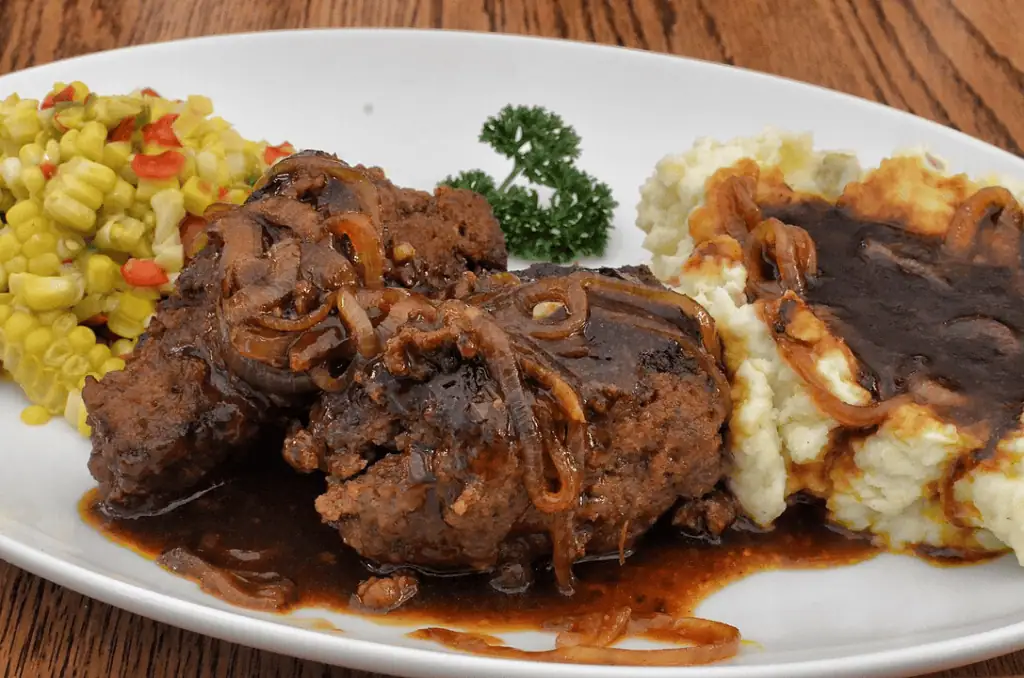
Salisbury steak allowed families to recreate the feeling of a steak dinner without the cost of premium cuts. Ground beef patties smothered in gravy delivered richness and satisfaction. Served with potatoes or vegetables, it felt indulgent while remaining economical. Its resurgence reflects renewed interest in hearty, sauce-based meals that maximize flavor through technique rather than expensive ingredients.
Stuffed Bell Peppers

Stuffed bell peppers thrived in the 1960s because they used small amounts of meat combined with rice and vegetables to create complete meals. The structure encouraged efficiency and minimized waste. Each pepper served as its own portion, simplifying planning. Today, the dish feels modern because it supports customization and budget control, proving that flexible recipes age better than rigid ones.
Chicken à la King
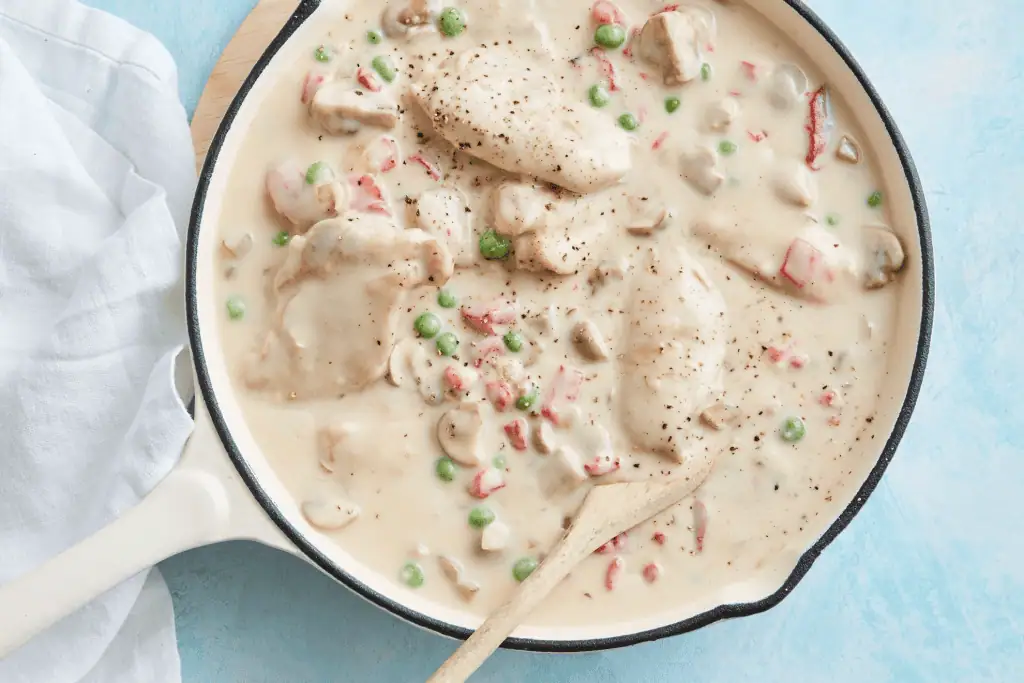
Chicken à la King represented accessible elegance during the 1960s. Leftover or inexpensive chicken was transformed into a creamy sauce served over toast or rice. The dish felt special without being complicated. Its revival highlights renewed appreciation for meals that elevate simple ingredients. Chicken à la King remains affordable, comforting, and adaptable to whatever starches families already have on hand.
Beef Stroganoff
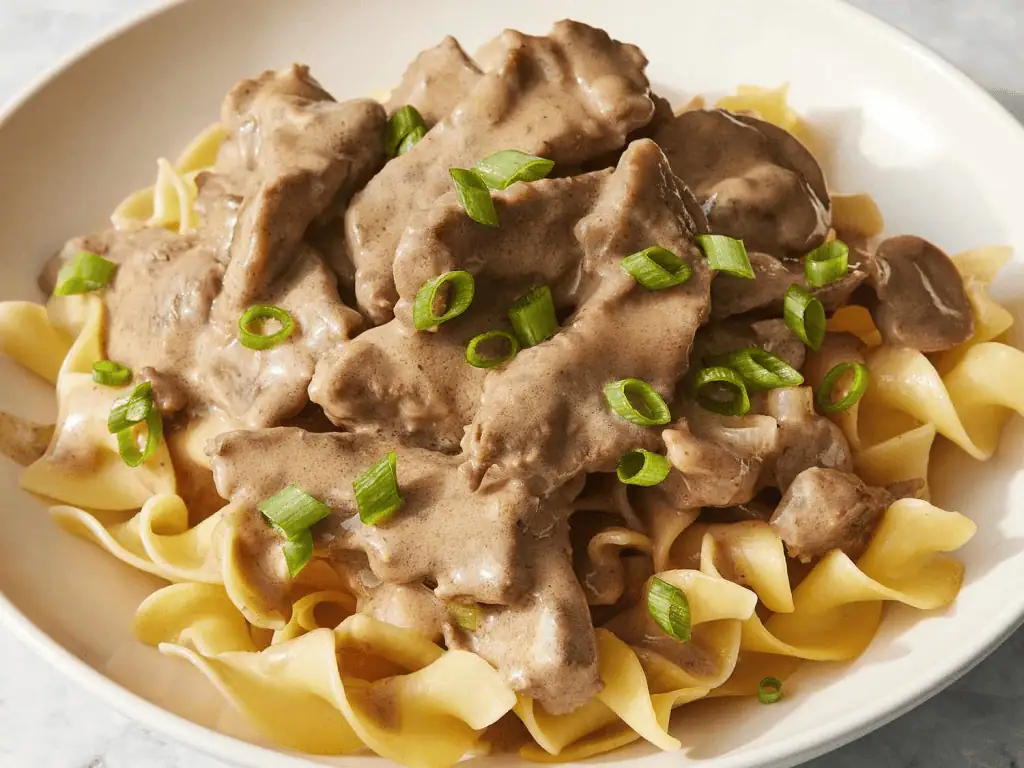
1960s beef stroganoff adapted European flavors to American budgets. Less expensive cuts were softened through cooking and paired with creamy sauce to create a rich-tasting meal. Served over noodles or rice, it stretched meat efficiently. Today’s interest in stroganoff comes from its balance of indulgence and thrift, showing how technique can compensate for cost constraints.
Baked Ham with Canned Pineapple
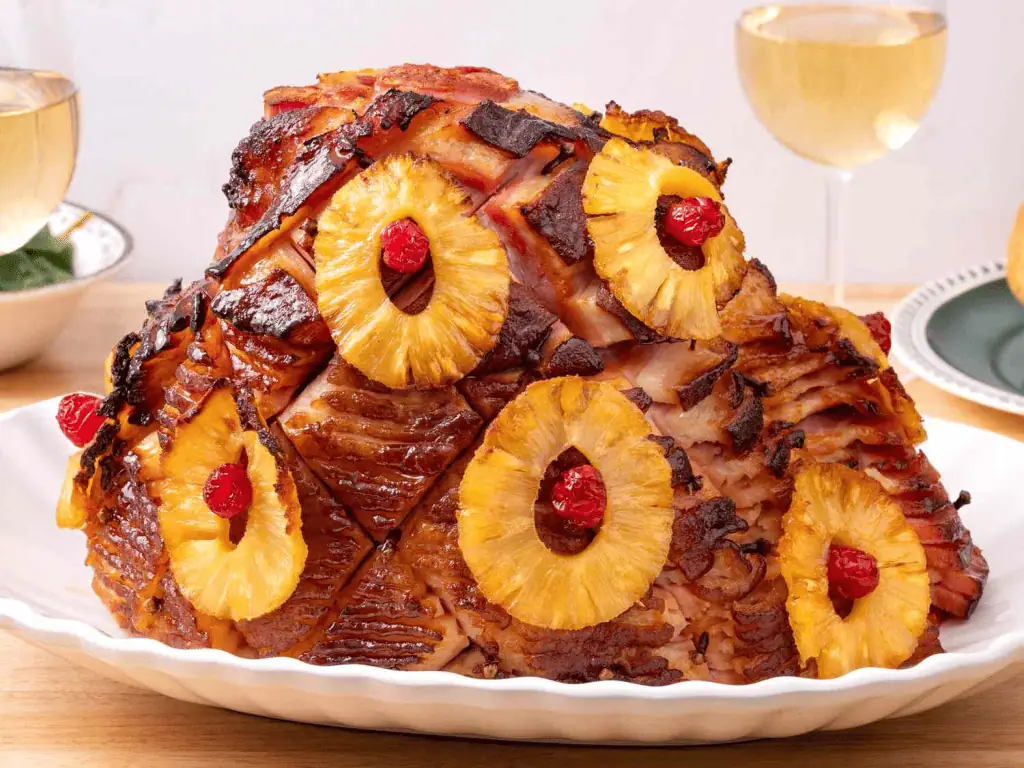
Baked ham with canned pineapple reflected the era’s embrace of sweet-and-savory combinations and shelf-stable ingredients. The dish fed large families and produced leftovers that lasted several meals. Pineapple added brightness without requiring fresh fruit. Its return is tied to its simplicity and value, offering a low-effort dinner that feels celebratory without high expense.
Sloppy Joes
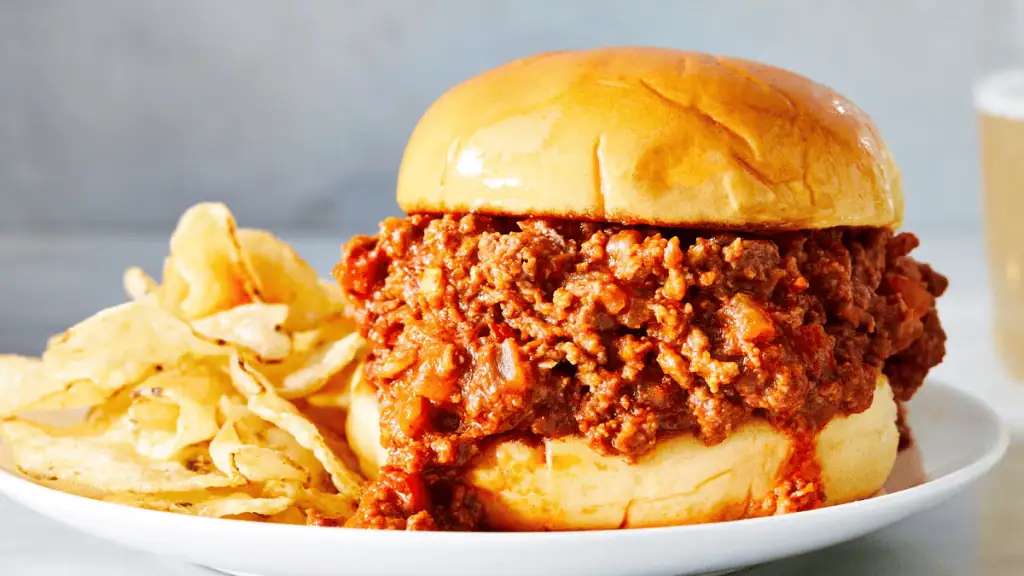
Sloppy Joes became popular because they were inexpensive, fast, and kid-friendly. Ground meat cooked in sauce stretched easily and required minimal preparation. Served on buns, the meal was filling and casual. Their modern comeback reflects how families value dinners that prioritize speed and cost over presentation. Sloppy Joes remain one of the most efficient ways to feed groups affordably.
Chicken and Rice Casserole
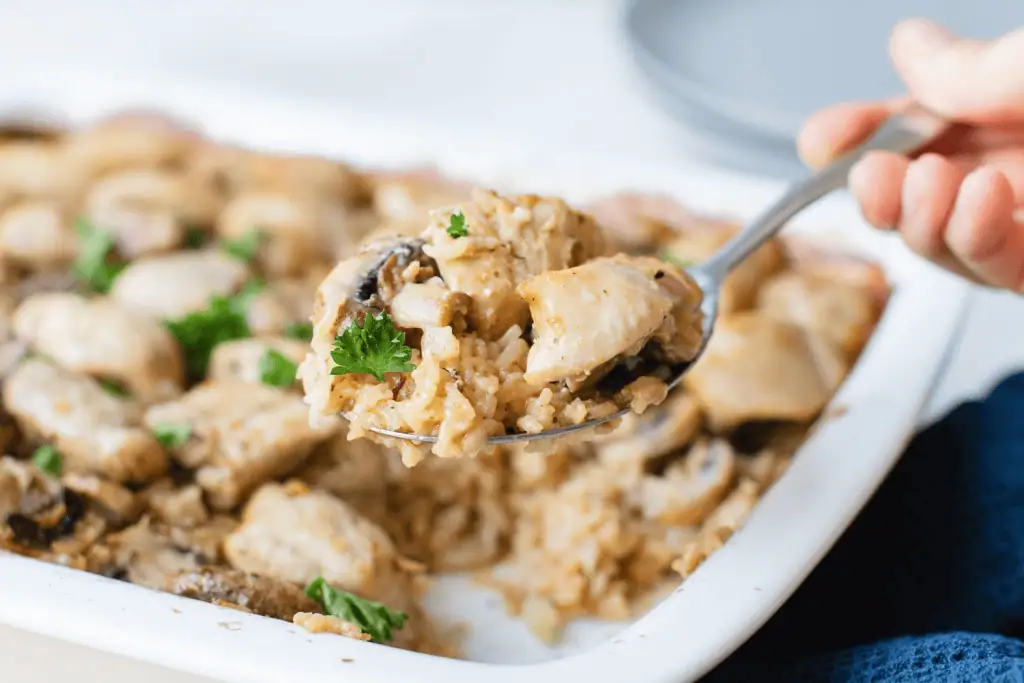
Chicken and rice casserole exemplified one-pan cooking in the 1960s. Combining protein and starch reduced both cost and cleanup. The dish relied on simple seasonings and pantry ingredients, making it dependable. Today, it aligns with meal-prep culture, offering leftovers that reheat well. Its endurance shows how efficiency-driven recipes remain relevant across generations.
Creamed Chipped Beef on Toast

Creamed chipped beef on toast, often called SOS, was common because it used inexpensive dried meat and basic pantry staples. Served over toast, it delivered warmth and calories at minimal cost. Though once overlooked, it’s being rediscovered as a straightforward comfort meal. Its revival reflects how necessity-based dishes often become nostalgic touchstones over time.


