
16 Iconic Boomer-Era Food Trends Gen Z Is Suddenly Curious About

Food trends often cycle through phases of popularity, disappearance, and rediscovery, and Gen Z is now revisiting many boomer-era foods with fresh curiosity. Streaming platforms, thrift-core aesthetics, and retro cookbooks have reframed once-mocked dishes as cultural artifacts rather than culinary mistakes. Instead of rejecting these foods outright, younger generations are exploring their origins, textures, and social meanings. This renewed interest reflects a broader fascination with analog life, nostalgia, and the idea that food trends are shaped as much by history and circumstance as by taste.
Jell-O Salads

Jell-O salads were once staples at family gatherings, combining gelatin with fruit, vegetables, or whipped toppings in ways that now feel surreal. Gen Z’s curiosity stems less from flavor and more from fascination with their visual oddity and mid-century optimism. Social media has revived these dishes as experimental projects, with younger cooks recreating them to understand the cultural mindset behind their popularity. What once symbolized convenience and modernity now feels like edible pop art from another era.
TV Dinners

Frozen TV dinners represented progress and efficiency for boomer households, offering complete meals with minimal effort. Gen Z’s interest lies in how these trays reflect shifting ideas about family time, technology, and convenience. While the original versions are rarely praised for taste, their cultural symbolism resonates today as discussions around processed food and work-life balance continue. Revisiting TV dinners allows younger generations to examine how convenience reshaped eating habits long before delivery apps existed.
Fondue Parties

Fondue dinners were a hallmark of boomer-era entertaining, emphasizing shared experiences and novelty. Gen Z’s curiosity comes from the communal aspect rather than the melted cheese itself. In an age of individualized meals, fondue feels intentionally social and slow. Younger diners are rediscovering it as a retro way to gather, appreciating the ritual of dipping and conversation. What once felt trendy now feels refreshingly interactive and analog.
Meatloaf
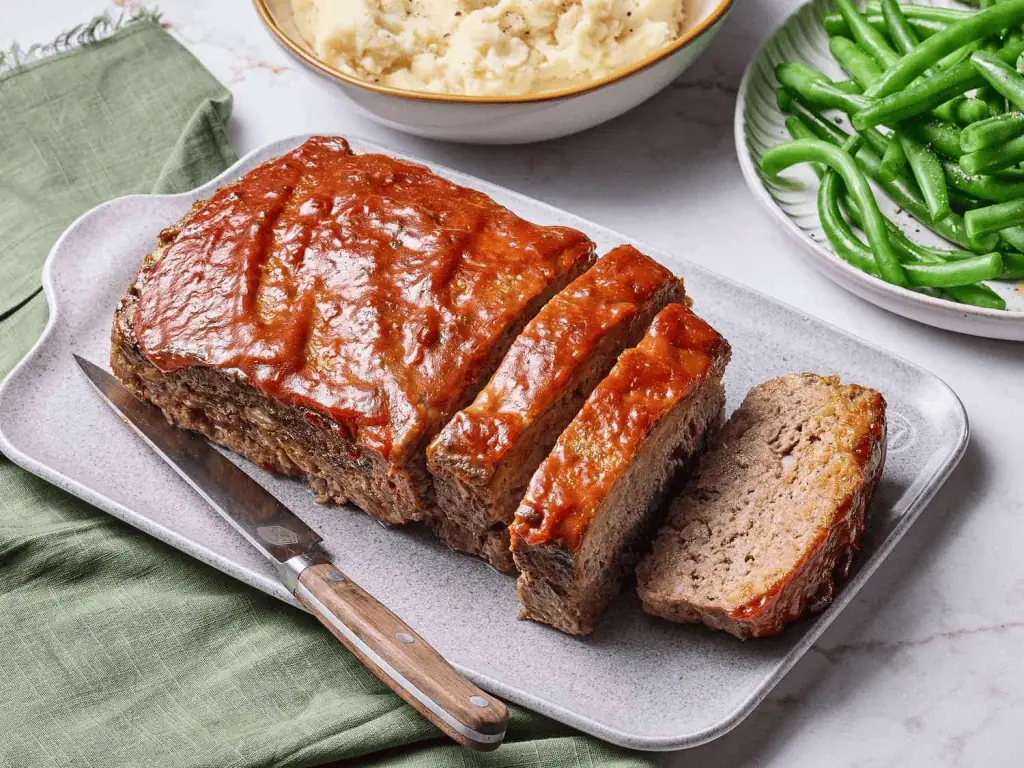
Meatloaf was a dependable boomer-era staple built around affordability and family-size portions. Gen Z is revisiting it as comfort food with history rather than a bland obligation. Curiosity centers on how variations reflect regional tastes and household creativity. Modern reinterpretations experiment with seasoning and presentation while respecting the original purpose. Meatloaf’s resurgence highlights renewed appreciation for practical, filling dishes rooted in domestic tradition.
Ambrosia Salad
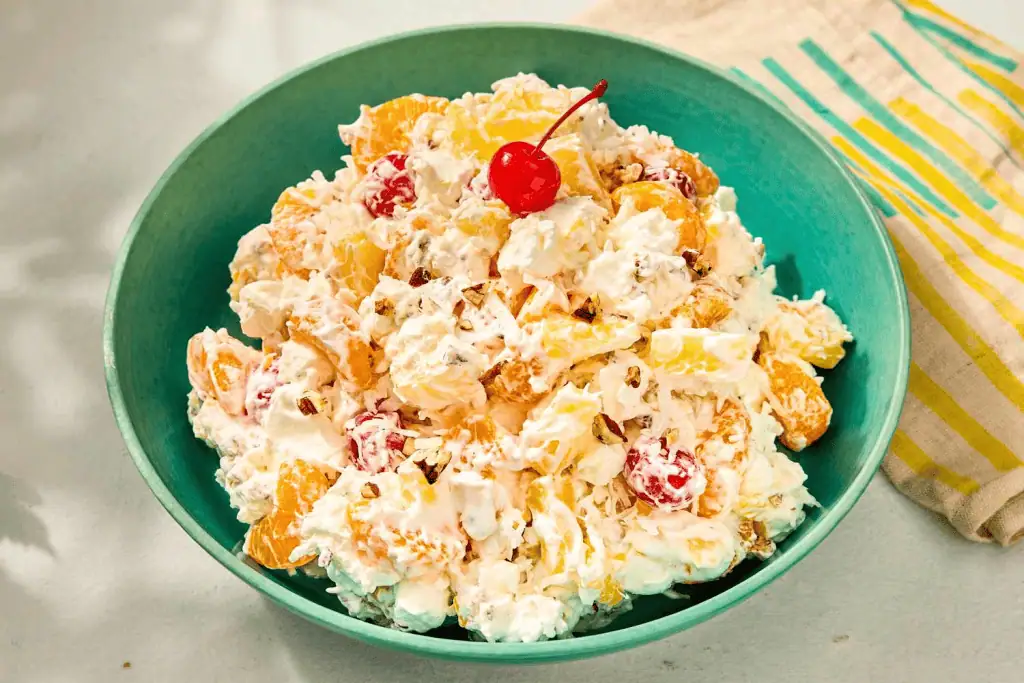
Ambrosia salad blended fruit, marshmallows, and dairy into a sweet side dish that defined mid-century potlucks. Gen Z’s fascination comes from its unexpected combination of ingredients and its dessert-that-is-not-quite-dessert identity. Social media has turned ambrosia into a curiosity-driven recreation, prompting discussions about how sweetness and texture preferences have evolved. The dish offers insight into a time when convenience foods symbolized celebration.
Liver and Onions

Liver and onions once appeared regularly on boomer dinner tables due to its affordability and perceived nutrition. Gen Z interest is largely anthropological, questioning how such a polarizing dish became normalized. Younger cooks explore it cautiously, often reworking preparation methods. The dish sparks conversations about changing attitudes toward organ meats, nutrition myths, and how necessity shapes taste over time.
Pineapple Upside-Down Cake

This dessert embodied boomer-era hospitality, combining canned pineapple with visual drama. Gen Z’s curiosity lies in its presentation and historical reliance on canned fruit. Baking influencers recreate it to explore how pantry staples once defined dessert culture. The cake’s appeal today is as much about its retro aesthetic as its flavor, bridging nostalgia with modern baking curiosity.
Casseroles

Casseroles dominated boomer kitchens as efficient, budget-friendly meals designed to feed families. Gen Z sees them as symbols of practicality and post-war domestic life. Interest has grown around how these dishes reflect community, resourcefulness, and shared recipes. Modern cooks adapt casseroles with fresher ingredients, but the underlying structure remains familiar. Their revival reflects renewed respect for meals designed around sustenance rather than trends.
Salisbury Steak

Salisbury steak was once marketed as hearty and nutritious, appearing in diners and frozen meals alike. Gen Z curiosity stems from its ambiguous identity as both comfort food and processed staple. Younger diners explore homemade versions to understand its original appeal. The dish prompts reflection on how marketing influenced perceptions of health and quality during the boomer era.
Deviled Eggs
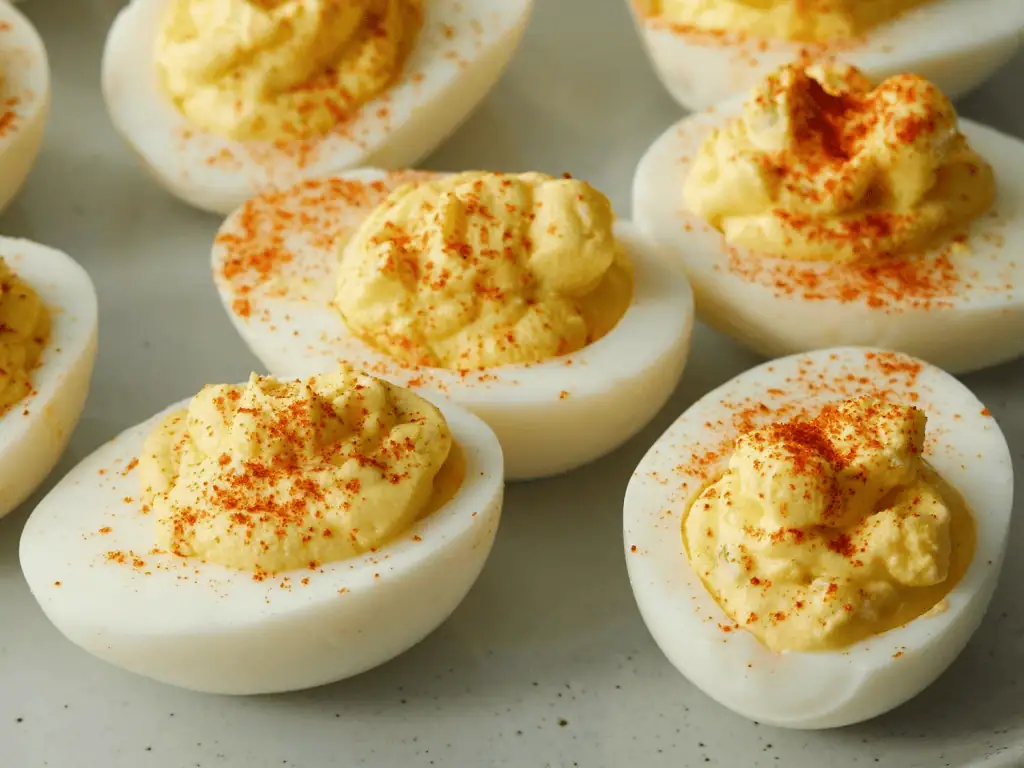
Deviled eggs were a ubiquitous party food during the boomer years, valued for simplicity and crowd appeal. Gen Z interest focuses on their adaptability and nostalgic presentation. Modern versions experiment with spices and toppings while preserving the familiar base. Their resurgence shows how simple, hands-on foods can regain relevance when framed as customizable and social.
Canned Fruit Cocktails

Canned fruit cocktails symbolized convenience and abundance in boomer households. Gen Z revisits them as artifacts of a time when shelf stability mattered more than freshness. Curiosity centers on flavor expectations shaped by preservation methods. While rarely embraced as-is, canned fruit inspires conversation about how technology reshaped access to produce and altered taste preferences.
Tuna Noodle Casserole

This dish became a boomer-era classic due to affordability and pantry accessibility. Gen Z explores it as a lesson in mid-century home economics. Younger cooks often reinterpret it with upgraded ingredients, but the structure remains recognizable. Interest in tuna noodle casserole reflects curiosity about how households balanced nutrition, budget, and convenience during periods of economic change.
Iceberg Lettuce Wedges

Iceberg lettuce wedges were once considered elegant restaurant fare, prized for crunch and visual simplicity. Gen Z curiosity highlights how definitions of freshness and nutrition evolve. Today, the iceberg is often dismissed, making its former prestige intriguing. Revisiting the wedge reveals how dining trends once valued texture and presentation over nutritional density.
Spam-Based Meals
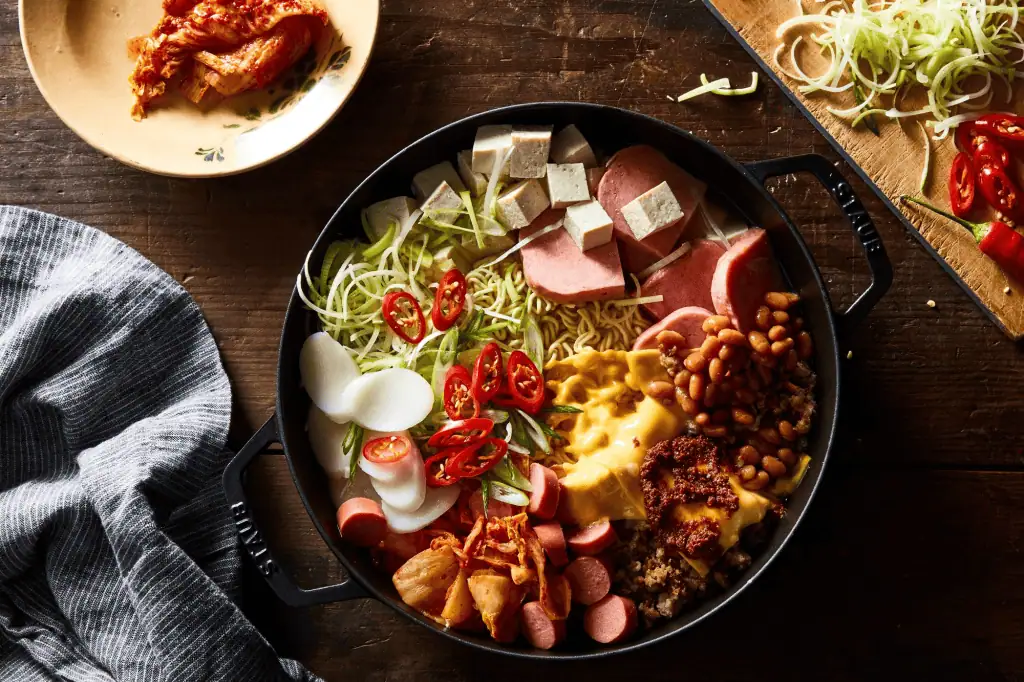
Spam gained popularity during the boomer era due to wartime shortages and affordability. Gen Z interest is driven by its cultural history rather than everyday consumption. Younger cooks explore Spam through creative recipes, examining how preservation shaped diets. The renewed curiosity reflects broader interest in food resilience and global culinary adaptation.
Instant Pudding Desserts

Instant pudding represented modern efficiency and reliability in boomer kitchens. Gen Z curiosity focuses on how convenience foods redefined dessert expectations. While homemade versions are often preferred today, instant pudding remains a nostalgic reference point. Its revival highlights ongoing debates around convenience, effort, and authenticity in food preparation.
Coffee Gelatin and Retro Desserts

Coffee gelatin and similar boomer-era desserts intrigue Gen Z for their unconventional textures and presentation. These dishes feel experimental by modern standards, sparking curiosity-driven recreations. Exploring them offers insight into how novelty once defined dessert culture. Their rediscovery reflects fascination with forgotten textures and the cyclical nature of food trends.


