
The 2025 Michelin Guide’s Most Surprising Starred Restaurants in the U.S.

Each year, the Michelin Guide reinforces excellence while occasionally challenging assumptions about where fine dining belongs. The 2025 U.S. selections did exactly that, awarding stars to restaurants that defy traditional expectations around location, price point, or cuisine style. Some operate far from luxury districts, others embrace deeply regional or minimalist approaches that feel almost anti-Michelin at first glance. Yet each impressed inspectors through consistency, technique, and clarity of vision. These starred restaurants stood out not for flash, but for quietly redefining what Michelin-level dining can look like in America.
Holbox – Los Angeles, California

Holbox’s Michelin star surprised many because of its setting inside a busy food hall rather than a formal dining room. Specializing in regional Mexican seafood, the restaurant focuses on pristine ingredients, careful sourcing, and restrained technique rather than theatrical presentation. Dishes highlight freshness and balance, proving that refinement doesn’t require white tablecloths. Michelin’s recognition signaled a broader shift toward honoring cultural authenticity and precision over luxury atmosphere, validating casual spaces that deliver exceptional flavor with discipline and intent.
Bar Agrikol – Oakland, California

Bar Agrikol earned attention for blending Nordic and Californian influences in an understated neighborhood setting. The restaurant’s commitment to fermentation, seasonal produce, and whole-animal cooking stood out in a region already known for innovation. Its star felt surprising because the space is relaxed and unfussy, prioritizing substance over spectacle. Michelin’s decision underscored how thoughtful technique and ingredient respect can outweigh formality, reinforcing that serious cooking doesn’t need to announce itself loudly to deserve recognition.
JuneBaby – Seattle, Washington

JuneBaby’s return to Michelin recognition surprised diners familiar with its deeply personal, Southern-inspired menu. Rooted in Black culinary traditions, the restaurant emphasizes storytelling, history, and comfort rather than classic European fine-dining structures. The star acknowledged how cultural preservation and technical excellence can coexist on the same plate. Michelin’s recognition highlighted a growing respect for historically marginalized cuisines when executed with rigor, intention, and emotional depth, expanding the guide’s definition of American fine dining.
Tailor – Nashville, Tennessee
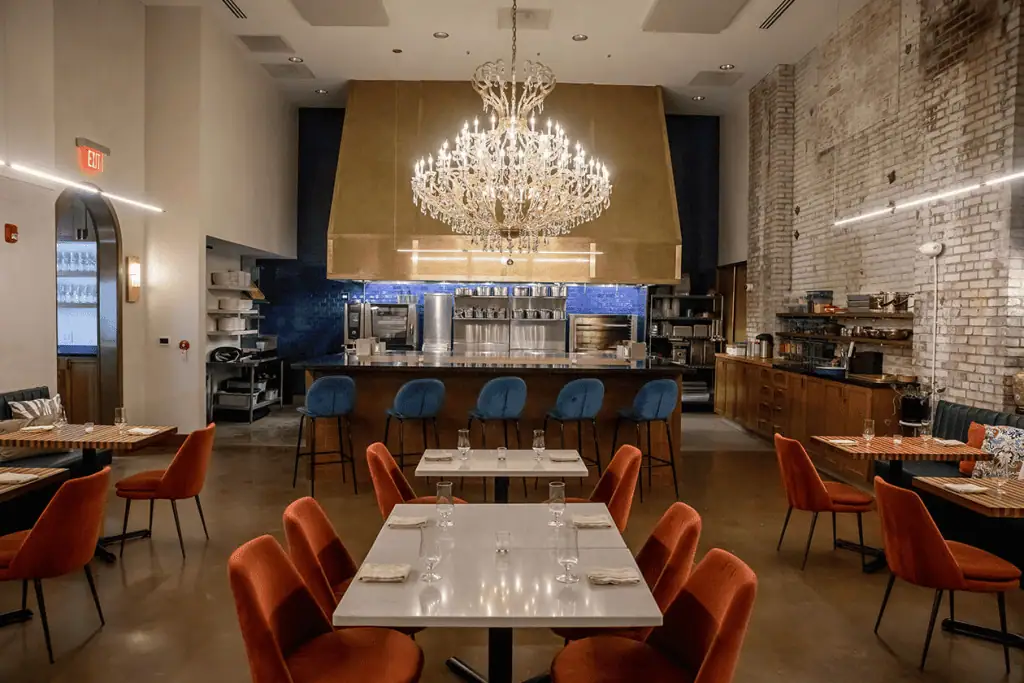
Tailor’s Michelin star raised eyebrows due to its intimate size and tasting-menu format in a city better known for casual comfort food. The restaurant blends Indian flavors with Southern ingredients, creating a highly personal and evolving menu. Its surprise recognition came from how quietly it operates, relying on thoughtful progression rather than showmanship. Michelin’s nod emphasized narrative-driven dining, rewarding restaurants that take cultural risks while maintaining technical precision and consistency across courses.
Ever – Chicago, Illinois

While Chicago is no stranger to Michelin stars, Ever’s recognition surprised some due to its cerebral, minimalist approach. The restaurant focuses on precision, restraint, and carefully controlled experiences rather than excess. Each dish prioritizes balance and intention, often appearing deceptively simple. Michelin’s continued praise highlighted how refinement can be expressed through clarity rather than complexity. Ever’s presence reinforced that innovation doesn’t always mean reinvention, but sometimes deeper focus.
The Progress – San Francisco, California

The Progress earned attention for delivering Michelin-level cooking in a communal, approachable format. Its menu emphasizes shared plates and seasonal Californian ingredients, which contrasts with traditional individual plating. The star surprised diners who associate Michelin with rigid formality. Instead, the guide rewarded the restaurant’s consistency, sourcing, and thoughtful execution. The recognition reflected Michelin’s evolving willingness to embrace restaurants that prioritize hospitality and shared experiences without compromising culinary standards.
Kann – Portland, Oregon
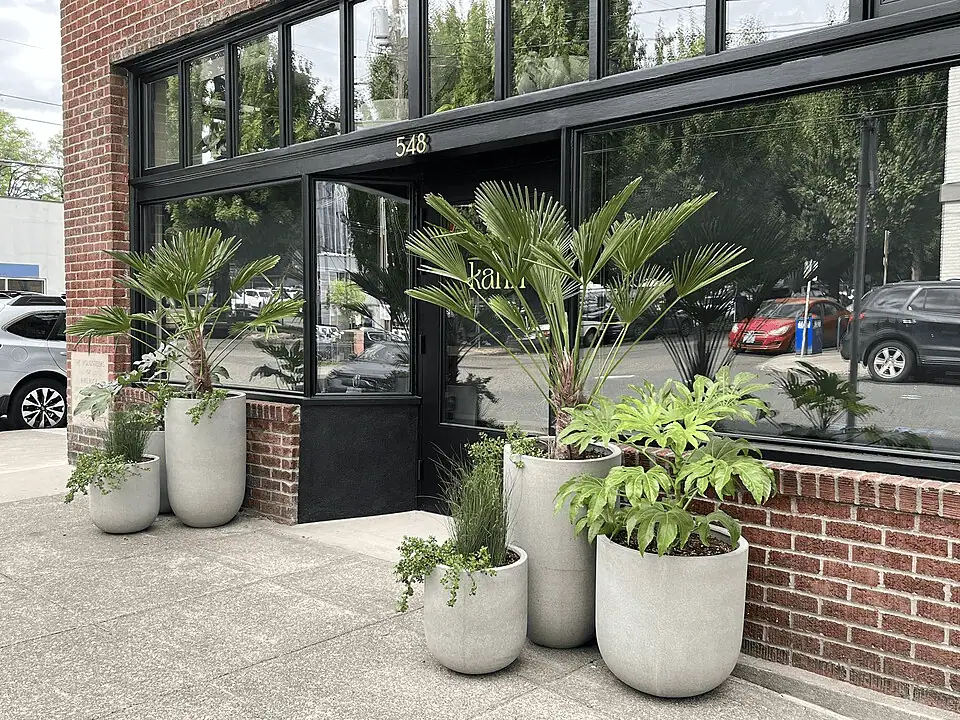
Kann’s Michelin star surprised many due to its focus on Haitian cuisine in a city not historically associated with Michelin recognition. The restaurant celebrates Caribbean flavors, live-fire cooking, and cultural storytelling. Michelin’s decision marked a significant moment for representation, acknowledging cuisine long overlooked by fine-dining institutions. The star validated Kann’s technical mastery and vision, showing how cultural specificity and bold flavor can meet the guide’s highest standards.


