
12 Ways to Cook a Hot Dog, Ranked from Worst to Best

Cooking a hot dog may seem straightforward, but the method you choose significantly impacts the texture and flavor. Each technique offers a different experience, from a quick fix to a culinary delight. Our exploration ranks 12 cooking methods, focusing on the nuances that each brings to the humble hot dog, turning a simple snack into a versatile treat. Let's delve into how these classic cooking strategies highlight or hinder what makes a hot dog truly satisfying.
Microwaved: Fast and Forgettable

Microwaving a hot dog offers speed but sacrifices quality. The process involves minimal effort, simply wrap the hot dog in a damp paper towel and microwave for 30 to 40 seconds. However, the result is often a limp texture with an uneven heat distribution, leaving the casing soft and the interior not quite as juicy as other methods. While microwaving may suffice in a hurry, it lacks the satisfying snap and nuanced flavor that other techniques achieve.
Boiled: Soft but Lacking Snap

Boiling a hot dog is a classic method, submerging it in water for about 5 to 6 minutes until heated through. This approach ensures an even cook but tends to soften the casing, sacrificing the desirable snap. While this method captures the hot dog’s juicy essence, it can dilute the flavor if the cooking water isn't well-seasoned. For those who enjoy a milder taste and softer texture, boiling remains a simple, consistent choice.
Steamed: Slight Improvement

Steaming a hot dog provides a moist finish without the dilution of boiling. By placing the hot dogs over simmering water, they cook gently, maintaining more of their inherent flavor and moisture. The skin retains a slightly firmer bite than with boiling, offering a subtle snap but still missing the seared edges of dry-heat methods. Steaming suits those seeking a step up from boiling, delivering better flavor preservation while keeping the texture tender.
Oven-Baked: Even Yet Charless

Baking a hot dog at 400°F for about 15 minutes ensures an even cook with the advantage of slowly rendered fats. The result is a uniformly heated hot dog that maintains its shape well. While this method enhances juiciness and keeps the casing intact, it misses the distinctive char or crisp texture that grilling or pan-searing provides. Oven-baking offers a reliable outcome, with the possibility of experimenting through accompaniments for a more flavorful experience.
Air-Fried: Crispy but Dry
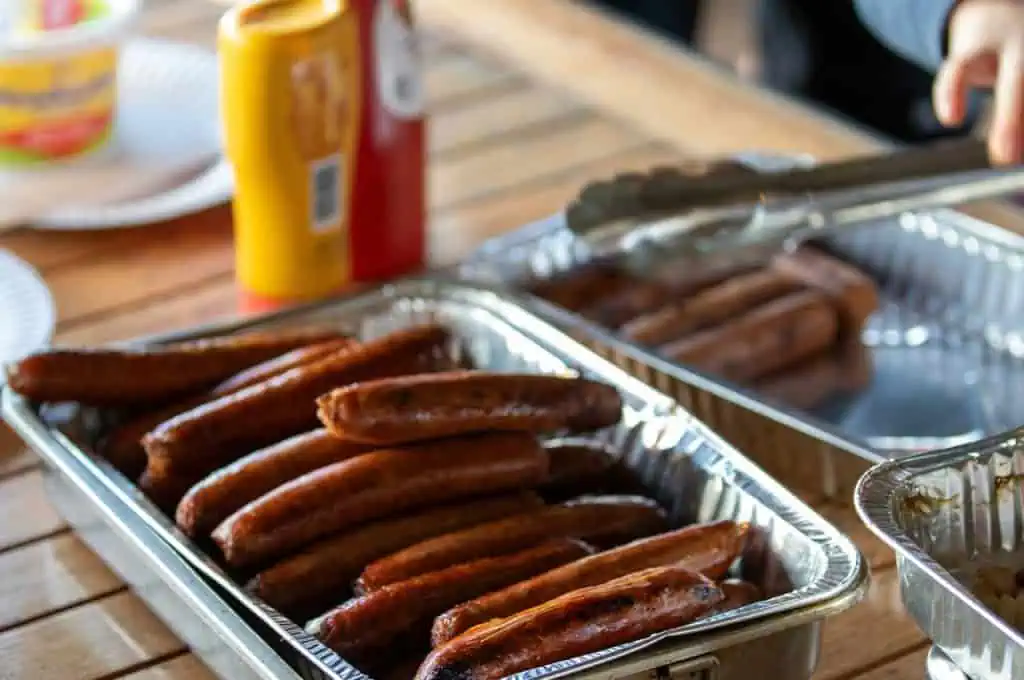
Cooking hot dogs in an air fryer achieves a crispy exterior with minimal oil, favoring convenience but sacrificing moisture. To optimize results, make small cuts along each dog’s surface. This encourages even cooking and enhances crispiness. While the air fryer creates a crunchy bite, be mindful of the texture; excessive time will dry them out. Serve immediately, pairing with moist toppings such as sauerkraut or a generous dollop of mustard to counterbalance the dryness with tang and moisture.
Pan-Fried: Golden and Juicy

Pan-frying hot dogs delivers a satisfying golden hue and succulent interior, combining simplicity with delightful results. Use a lightweight skillet and medium heat, adding a touch of oil for an even sizzle. Rotate the dogs frequently with tongs to ensure all sides are perfectly browned without losing juiciness. This method enhances the flavor profile, providing a slightly caramelized finish. Serve hot from the pan, where the crust gives way to a juicy core, making each bite a testament to balance.
Deep-Fried: Over-the-Top Crunch

For those seeking indulgence, deep-frying creates a hot dog with an impossibly crispy shell. Heat neutral oil, like canola, to 350°F for optimal results. Carefully lower the hot dogs in, using a slotted spoon, until they reach a deep, golden brown. This technique wraps each dog in a coat of crunch that enhances its natural flavor while amplifying its richness. Best enjoyed with simple condiments that won’t overwhelm, like a classic relish or ketchup, to complement rather than compete.
Campfire-Roasted: Smoky Nostalgia

Traditional campfire roasting imparts a smoky depth and rustic feel to hot dogs, evoking familiar outdoor memories. Skewer the hot dogs securely and hold them over the flames, rotating steadily to achieve even charring without burning. The method imbues each bite with a distinctive smoky essence that is both invigorating and comforting. This technique requires patience and attention—keep the heat consistent and avoid direct flames for best results. Serve with toasted buns for full nostalgic effect.
Griddled: Irresistible Diner Sear

Griddling offers a tempting diner-style sear that enhances both flavor and texture. Preheat your griddle or heavy cast-iron skillet to medium-high, ensuring an even surface temperature. Place the hot dogs directly onto the hot surface, using light pressure to encourage contact and create a uniform sear. Flip and press lightly for an even cook, focusing on achieving a crispy, lightly caramelized exterior. The result is a hot dog that captures the essence of classic diners, perfect with a robust mustard or tangy chili.
Broiled: Quick Caramelized Finish

For those looking for a speedy yet effective method, broiling hot dogs provides a quick caramelized finish. Set your oven's broiler to high and position the rack about six inches below the heat. Place the hot dogs on a foil-lined baking sheet and broil for about four to five minutes, turning them occasionally to ensure even browning. This method intensifies the natural sugars, creating a crisp, slightly blistered exterior while keeping the inside juicy. Broiling is ideal when you're short on time but crave that satisfying snap and rich flavor contrast.
Charcoal-Grilled: Smoky Perfection

Charcoal grilling elevates the humble hot dog by infusing it with deep, smoky aromas. Preheat your charcoal grill until the coals are ashy and glowing hot. Arrange the hot dogs directly above the coals to develop quick grill marks, then move them to the cooler side to cook through gently. This dual-zone grilling method prevents charring and ensures a perfect, smoky bite with a juicy interior. The key lies in monitoring their rotation and keeping them from direct heat for too long, preserving their texture and bringing out a harmonious blend of flavors.
Wood-Fired: The Ultimate Experience

Cooking hot dogs over a wood-fired grill offers an unparalleled depth of flavor, creating the ultimate culinary experience. The use of wood imparts a rich, smoky essence that mingles exquisitely with the natural savory notes of the hot dog. Choose a mix of hardwoods, such as oak and hickory, to achieve a balanced flavor profile. Keep the fire at a medium intensity to prevent overwhelming the meat. Turn the hot dogs frequently to ensure even cooking and prevent singeing. The result is a complex taste that highlights the rustic, smoky nuances unique to wood-fired cooking.


