
11 Ingredients That Were Once Common but Are Now Kept Off Menus During Lockdowns and Emergencies

In times of lockdowns and emergencies, certain ingredients we once took for granted become hard to find. Whether due to supply chain disruptions or limited imports, home cooks need to adapt by finding alternatives or embracing simplicity. This guide highlights some of the ingredients that have become rare, explaining practical ways to adjust your cooking practices without sacrificing flavor or quality.
Fresh Herbs: From Garden to Scarcity

Fresh herbs elevate dishes with vibrant flavors and aromas, often defining the essence of a meal. However, during supply shortages, these verdant staples become scarce. Consider cultivating a small indoor herb garden with basil, parsley, and rosemary. These can thrive on a sunny windowsill and provide a steady supply. If fresh isn’t an option, dried herbs can substitute, though they'll require about a third less than fresh due to their concentrated flavor.
Imported Cheeses: Luxury on Hold

Imported cheeses, such as French brie or Italian Parmigiano-Reggiano, introduce depth and finesse to many dishes. In times when these are less accessible, local artisan cheeses can act as worthy substitutes. Seek out high-quality, small-batch products from local producers whose craftsmanship can mirror that of international varieties. Adjust dishes by incorporating these local cheeses where bold flavors or creamy textures are needed, ensuring a delectable result.
Fresh Seafood: Sea to Limited Supply
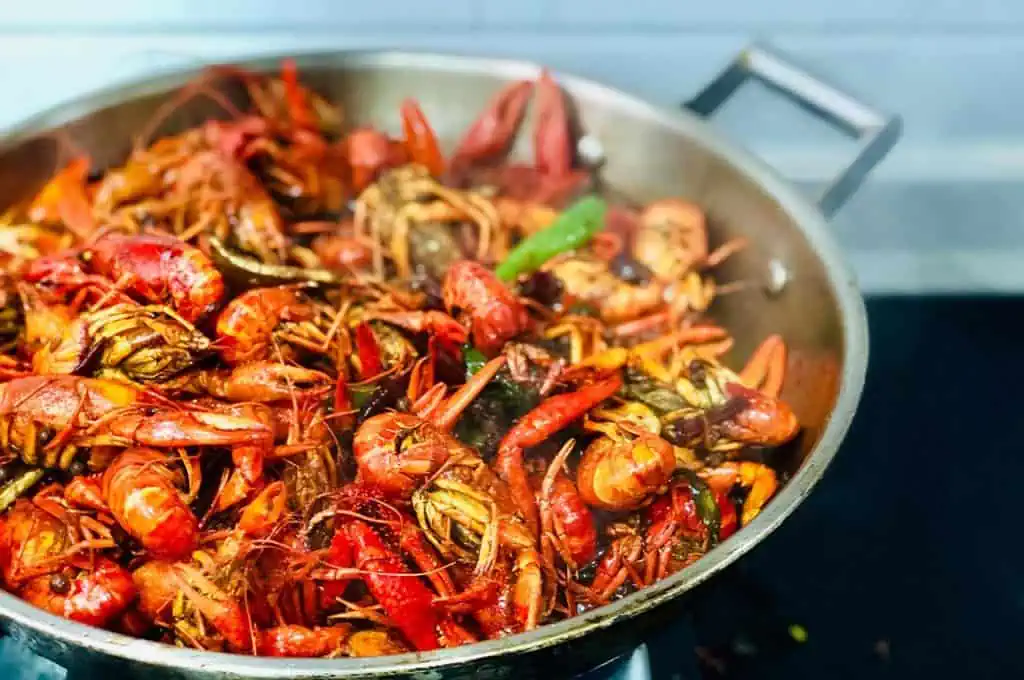
Fresh seafood offers a delicate, natural sweetness and texture that can define gourmet dining. Yet, during disruptions, availability dwindles. Frozen seafood, when sourced responsibly, provides a viable alternative and retains much of its flavor and nutrition. Thaw carefully by placing it in the fridge overnight to maintain texture. Master techniques like poaching or grilling, where gentle cooking preserves moisture and taste even when fresh options are limited.
Exotic Spices: A World Away

Exotic spices such as saffron, cardamom, or sumac enrich dishes with unique flavors and aromatic profiles. Supply issues can make these spices elusive. Focus on building a robust pantry with versatile staples like cumin, paprika, or coriander. Blending these can replicate complex flavors, enhancing dishes reminiscent of the spices you lack. A well-balanced mix can transform a simple dish into a layered symphony of tastes, keeping your culinary creations intriguing.
Microgreens: Small Greens, Big Problems
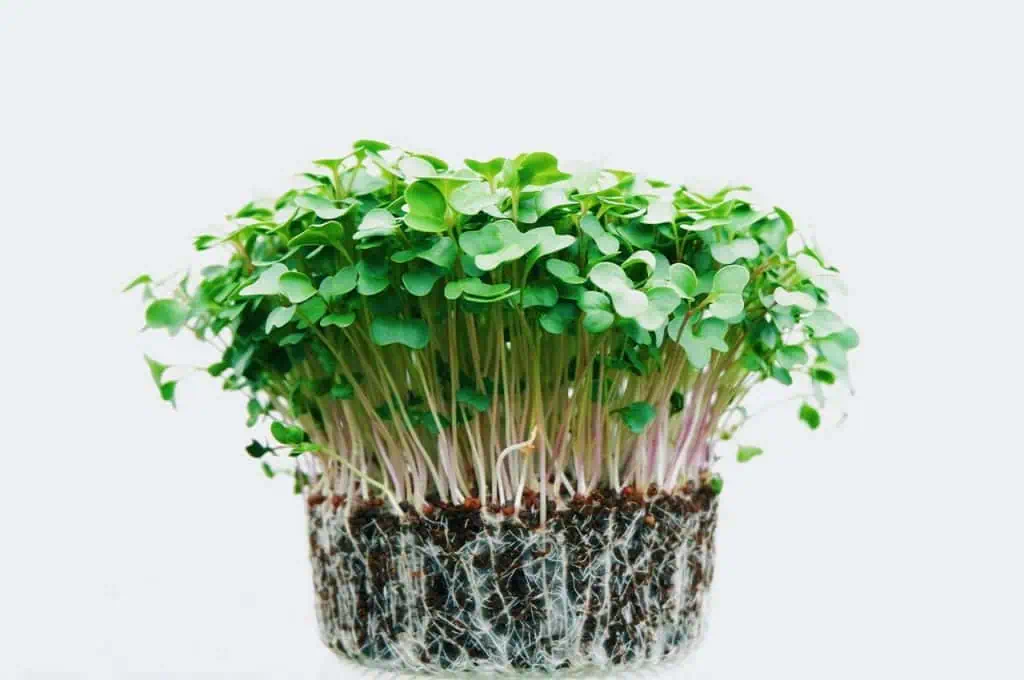
Microgreens offer vibrant color and concentrated flavors, yet they are surprisingly fragile in supply chains. These tender shoots require careful handling and controlled environments to maintain their freshness, making them challenging to source during disruptions. In emergencies, focus shifts to more robust greens. To replicate their peppery zing, try finely chopping arugula or watercress, offering similar peppery notes without the delicate transport needs.
Specialty Mushrooms: Fungi Frenzy
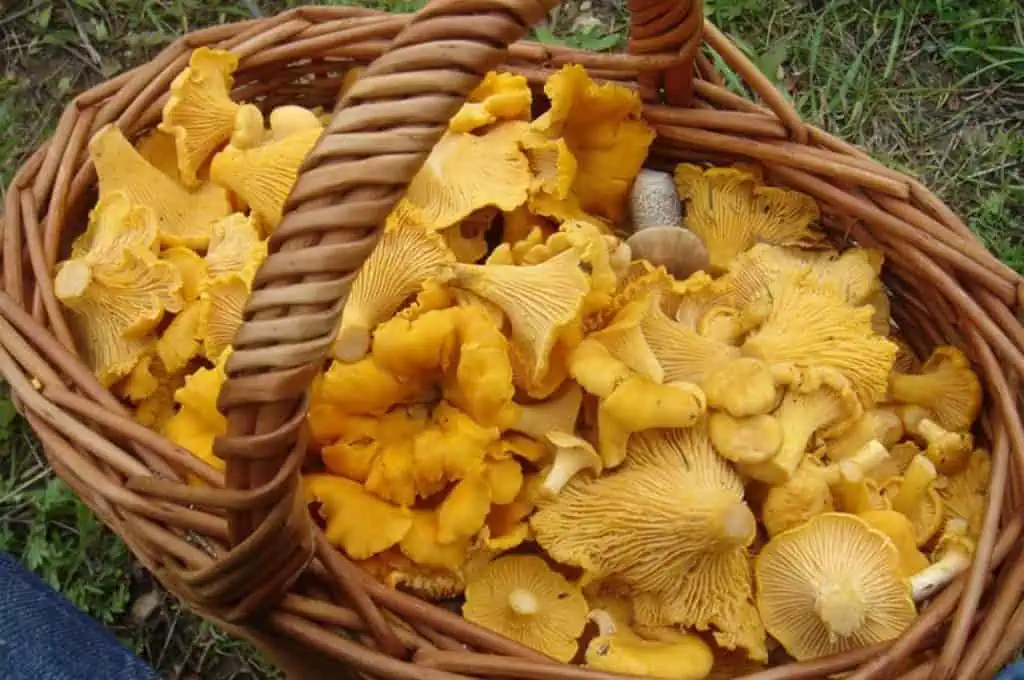
Specialty mushrooms, such as chanterelles and morels, add unique flavors to dishes but are highly seasonal and perishable. Their intricate harvesting methods and short shelf life make them particularly scarce during supply chain issues. For a similar umami depth, consider dried mushrooms, which hold their intense flavor and rehydrate well. Sautéing with garlic and herbs can mimic the earthiness of their fresh counterparts, providing a resourceful alternative.
Artisanal Breads: Bakery Delights Paused

Artisan breads, prized for their craftsmanship and rustic textures, often require specialized flours and long fermentation times. During supply interruptions, these ingredients and the slow, labor-intensive process make such breads less accessible. To achieve a similar homemade feel, try baking a simple no-knead bread. Using all-purpose flour, this method develops flavor through extended resting times, offering an approachable way to enjoy freshly baked bread at home.
Organic Produce: Naturally Hard to Find

Organic produce, while sought for its purity and environmental benefits, is often subject to limited seasonal availability and strict certification processes. In emergencies, logistics favor conventional options that are easier to bulk distribute. To approach the richness of organic flavors, emphasize local, seasonal purchasing when possible. Utilizing techniques like blanching or fermentation can also enhance the natural flavors of available produce without compromising taste.
Premium Cuts of Meat: Quality on Demand

Premium cuts, such as tenderloin or ribeye, boast rich taste and tenderness but become scarce when logistics falter. Their high demand and specific sourcing needs make them difficult to obtain during emergencies. Consider using more affordable and readily available cuts like brisket or chuck roast. Slow-cooking these alternatives tenderizes the meat and enhances flavor, offering a satisfying and practical replacement while maintaining culinary quality.
Fresh Pasta: Comfort Food in Crisis
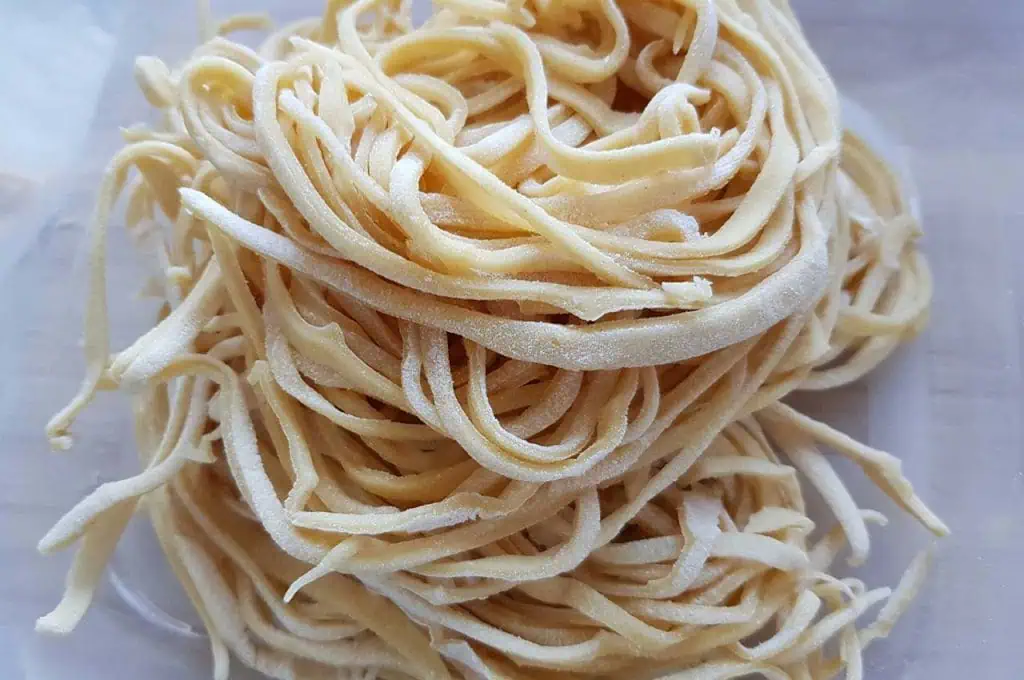
Fresh pasta, with its tender texture and sublime simplicity, demands specific ingredients that can be scarce during crises. The delicate balance of semolina flour and eggs creates a dough that needs careful attention. In emergencies, these key ingredients might be diverted to essential goods, making fresh pasta a luxury. Home cooks can pivot by mastering dried pasta, focusing on sauce quality, employing dried herbs, and perfecting al dente techniques to sustain the comforting essence without compromising on taste.
Seasonal Fruits: Nature’s Calendar Off Sync

Seasonal fruits, revered for their vibrant flavors and natural sweetness, often become inaccessible during disruptions. Their reliance on predictable growth cycles and supply chains makes them first to vanish. In response, embracing preserved fruits, such as dried or canned, allows for sustained flavor profiles. Incorporating citrus zest or herbs can heighten these alternatives. Home cooks should prioritize versatile varieties, utilize fruit creatively in both sweet and savory dishes, and explore preserves to retain that fresh, enlivening essence.


