
10 Coffee Hacks Baristas Swear You’re Making Wrong

Mastering the art of coffee-making can elevate your daily ritual into a delightful experience. With the right techniques, each cup becomes a symphony of flavors. These ten coffee hacks, endorsed by expert baristas, will refine your approach and enhance your brew. Whether you’re a seasoned enthusiast or just beginning, these insights will lead you to that perfect cup you've always desired.
Don't Use Boiling Water

Using water that’s too hot can scald your coffee grounds, resulting in a bitter taste. Opt for water heated to around 195-205°F (90-96°C) for optimal extraction. This range ensures the coffee’s full flavors are unlocked without over-extraction. A kettle with temperature control is an excellent investment to maintain precision and consistency in your brewing process.
Avoid Freezing Coffee Beans
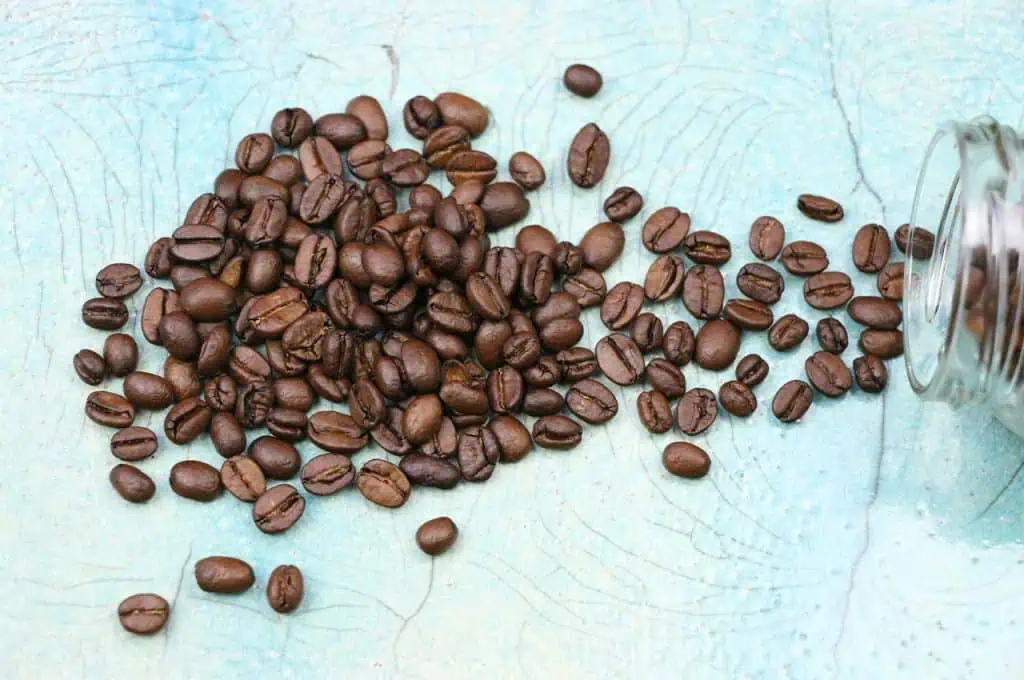
Freezing coffee beans can cause moisture to build up, compromising flavor integrity. Instead, store your beans in a cool, dark place in an airtight container, preserving their freshness and aromatic oils. This approach maintains the beans' quality, ensuring each cup is brewed to its fullest potential with vibrant notes and excellent depth of flavor.
Grind Beans Only When Needed
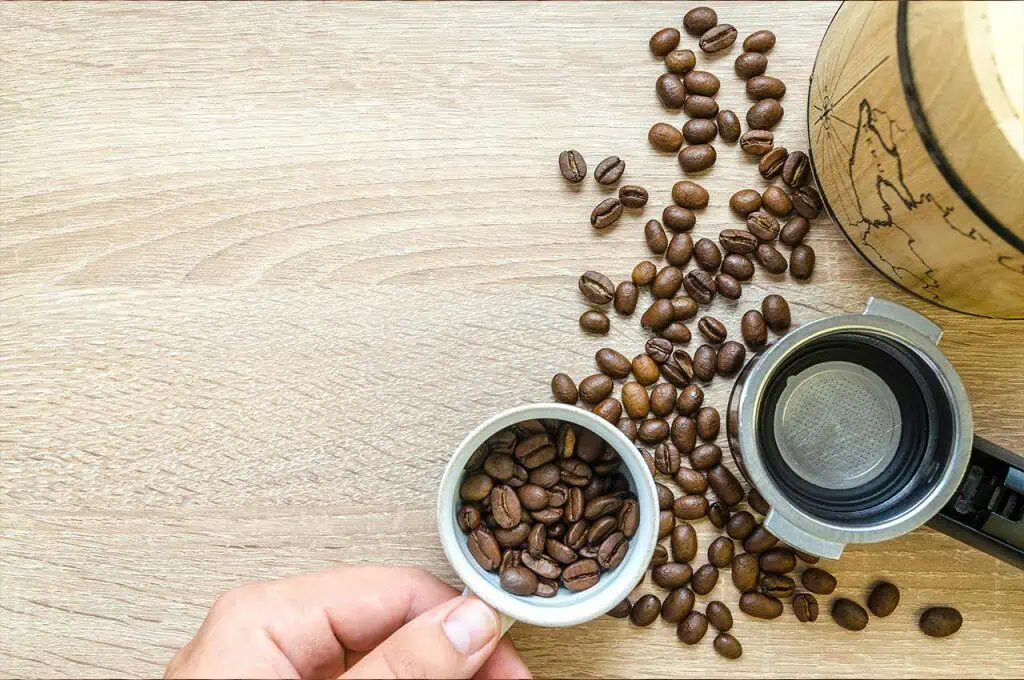
Grinding your coffee immediately before brewing preserves its unique characteristics. Pre-ground coffee tends to lose flavor quickly due to oxidation. Select the appropriate grind size for your brewing method, coarse for French press, medium for drip, and fine for espresso, to achieve the desired extraction and flavor profile in every cup.
Precision Over Eyeballing Ratios
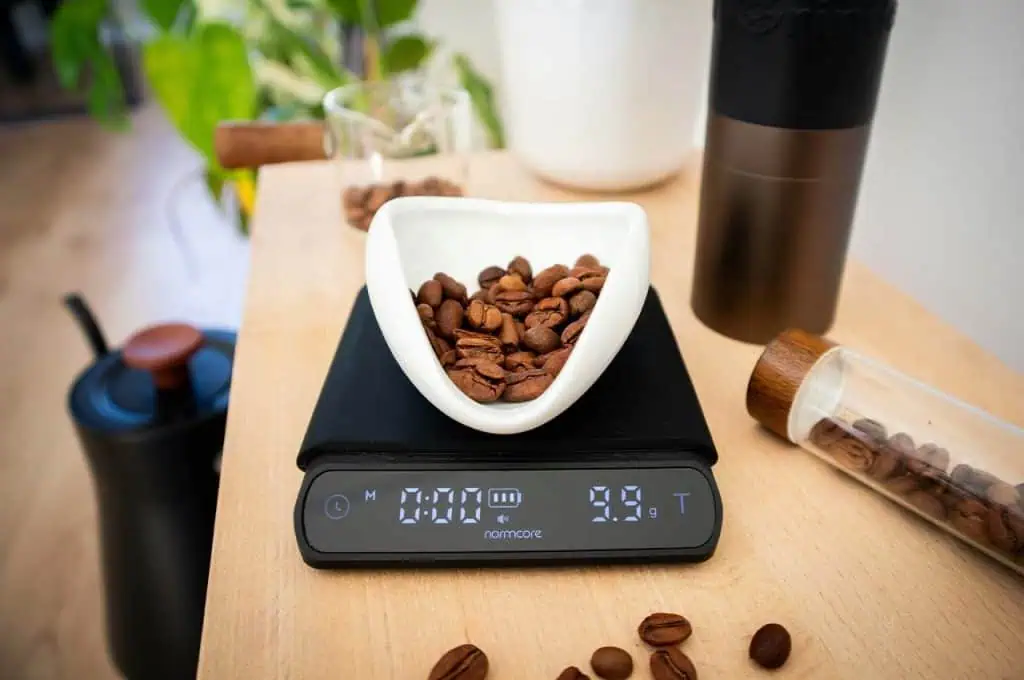
Achieving the perfect coffee-to-water ratio is crucial for consistency. Use a kitchen scale to measure your coffee and water precisely. Generally, a 1:15 to 1:17 ratio of coffee to water works best, but adjusting this can tailor the strength to your preference. Consistent measurements ensure that each brew meets your taste expectations with balanced flavor and aroma.
Weigh Your Coffee, Don't Guess

Using a scale guarantees consistency with every cup. Measure your coffee to precision, aiming for a 1:15 coffee to water ratio for optimal flavor balance. This precision ensures each brew maximizes the beans' potential, allowing you to replicate your results with precision. Avoid the pitfalls of eyeballing measurements, which often leads to imbalanced and unpredictable flavors. Investing in a digital scale can transform your coffee-making process, providing the predictability that elevates your morning ritual.
Always Rinse Your Paper Filters
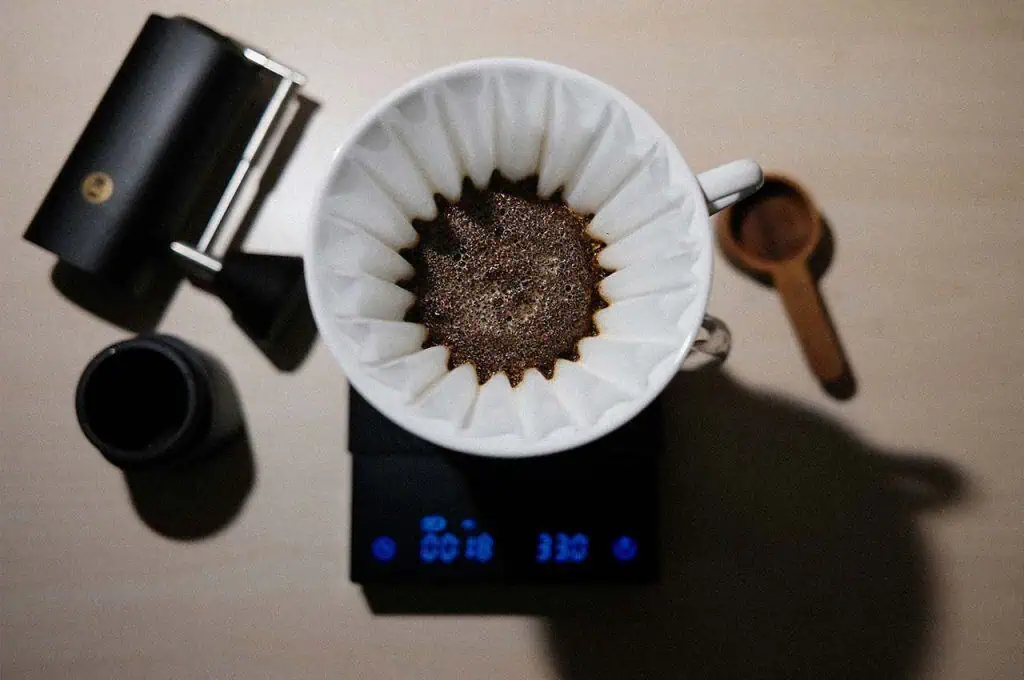
Rinsing paper filters removes any lingering paper taste that could taint your brew. Before adding coffee grounds, run hot water through the filter to pre-warm the equipment and ensure a clean, neutral taste. This step is particularly crucial when using drip or pour-over methods, where subtle flavors can be disrupted by impurities. By dedicating a few seconds to this process, you enhance the clarity and purity of your final cup, ensuring only the intended flavors of the coffee are present.
Check the Quality of Your Tap Water
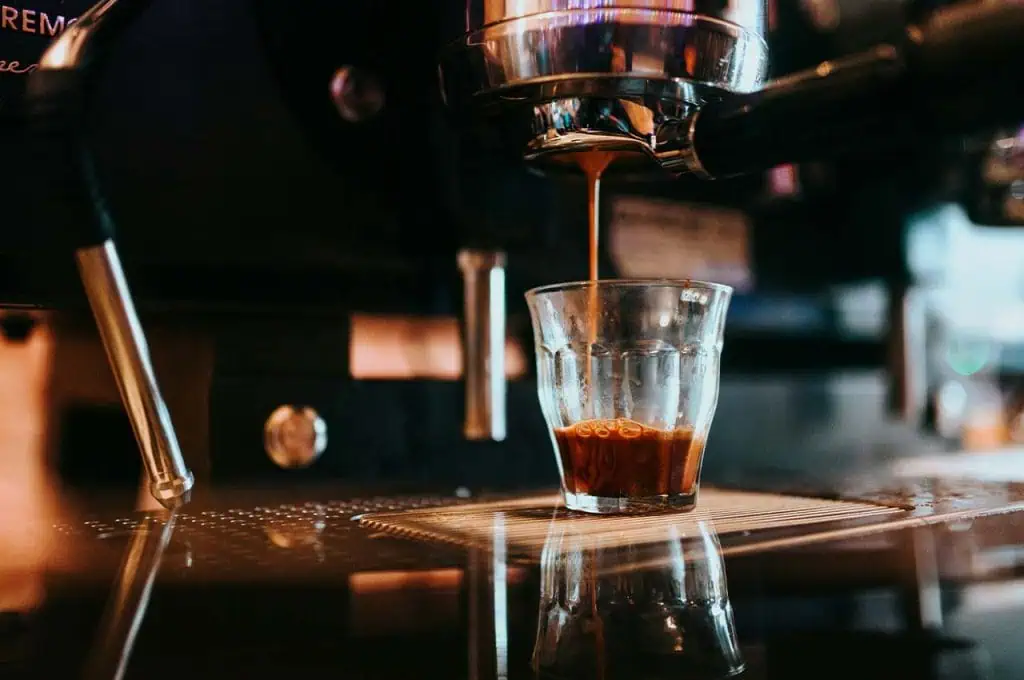
Water quality plays a crucial role in coffee's final taste. Use filtered water to avoid the influence of chlorine and other impurities that might interfere with the bean’s flavor profile. The mineral balance in your water can significantly impact extraction, making it as important as the beans themselves. Ideally, your water should be free of strong odors and have a neutral pH. Regularly examining your water’s taste and composition helps in crafting a cleaner, more flavorful cup every time.
Don't Overload the Coffee Maker

Overloading your coffee maker can lead to uneven extraction and a diluted final product. Follow the manufacturer's guidelines on capacity and ensure that you never exceed the recommended limit. Properly distributing the coffee grounds promotes even contact with water, enhancing extraction. A congested brew basket causes channeling, where water finds the path of least resistance and bypasses full extraction. Maintain optimal levels for a more robust and satisfying brew.
Adjust Brew Time for Each Method

Different brewing methods require unique timing considerations to achieve the best results. For instance, a French press typically benefits from a four-minute steep, while an espresso shot demands precision timing between 25 to 30 seconds. Adjusting brew times according to method ensures that you unlock the full complexity of flavors without over-extraction. Pay attention to recommended times and tweak depending on bean type and personal preference, tailoring each cup to perfection.
Never Reheat, Always Brew Fresh

Reheating coffee alters its composition and degrades its flavor, often resulting in a bitter, burnt taste. Instead, make the effort to brew fresh coffee each time for the best cup. Use water heated to around 195-205°F, as this range optimizes extraction of the coffee's essential oils and flavors. For a small batch, consider a pour-over method, which offers precise control over the water flow and contact time. Freshly ground beans enhance this process. Ensure your grinder settings align with your brewing method; for pour-over, a medium grind is ideal. This approach guarantees aroma and taste in every sip.


