
10 Classic Wild West Dishes That Became Iconic

Life in the Wild West demanded food that was practical, durable, and filling enough to sustain long days of physical labor, travel, and uncertainty. With limited access to fresh ingredients, refrigeration, or modern tools, frontier cooks relied on simple methods, preserved foods, and open-fire techniques to create meals that could stretch resources and feed many mouths. Over time, these survival-driven dishes took on deeper cultural meaning. What began as a necessity slowly evolved into tradition, then nostalgia, and finally national identity. Today, many of these Wild West dishes live on not as relics, but as beloved American icons served in diners, barbecue joints, family kitchens, and holiday tables still valued for the same reasons they were on the frontier: comfort, heartiness, and reliability.
Chuckwagon Chili
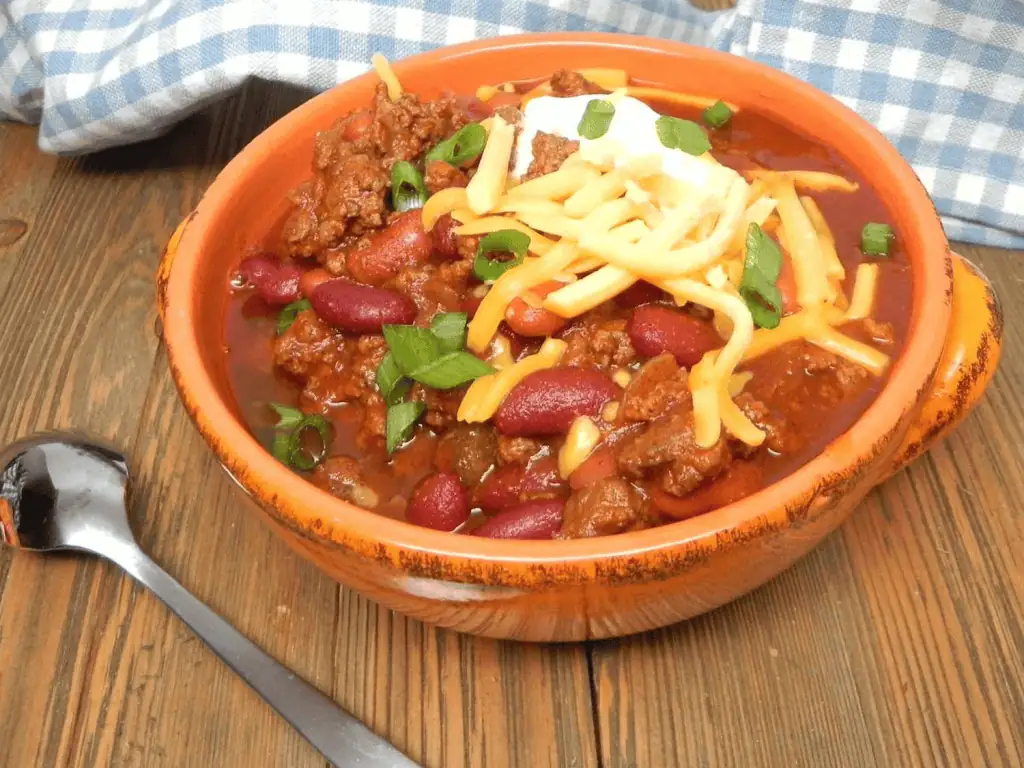
Chuckwagon chili was designed for endurance rather than refinement. Cowboys needed a meal that could be cooked in large quantities, reheated repeatedly, and eaten quickly after long days on cattle drives. Early versions focused almost entirely on beef and dried chili peppers, with spices chosen for preservation as much as flavor. Beans were sometimes added, though this became a point of fierce regional debate later. Today’s chili cook-offs, restaurant bowls, and family recipes still echo this frontier origin. The dish remains iconic because it embodies resilience simple ingredients transformed into something deeply satisfying that improves with time, just as it did on the trail.
Beans and Salt Pork
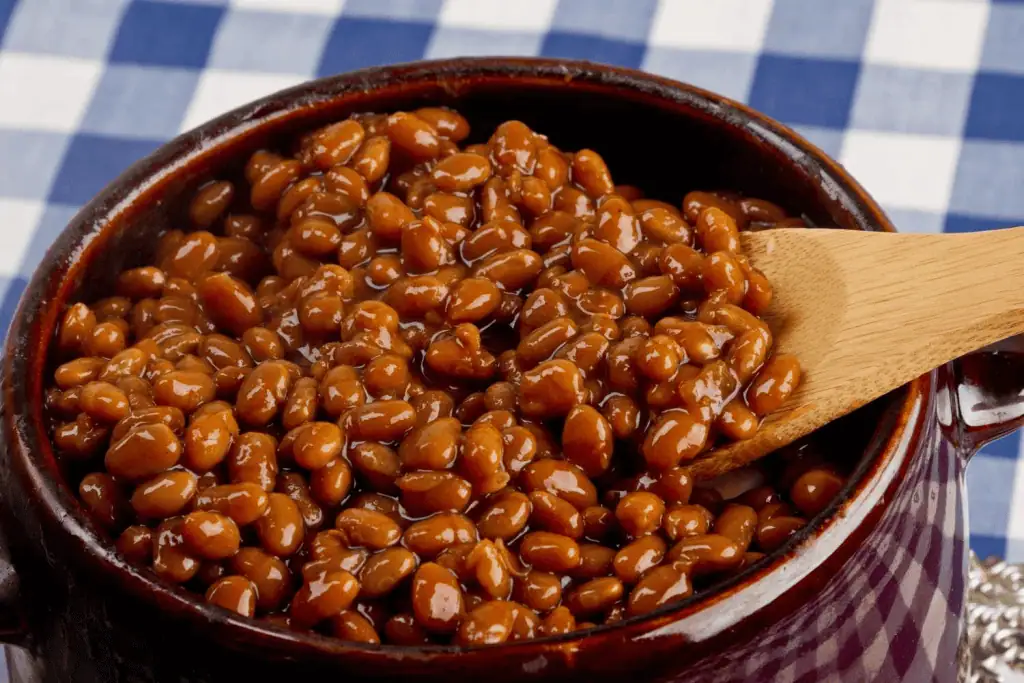
Beans and salt pork were foundational Wild West fare because they solved multiple problems at once. Dried beans stored easily for months, while salt pork provided fat, calories, and flavor without refrigeration. Slowly simmered together over campfires, the dish delivered sustenance that could fuel physical labor all day. While basic, it was deeply practical and dependable. Modern baked beans, pork-and-bean dishes, and barbecue sides trace their roots directly to this meal. Its endurance reflects how necessity-driven food can become culturally beloved, especially when it represents survival, thrift, and shared hardship.
Cornbread
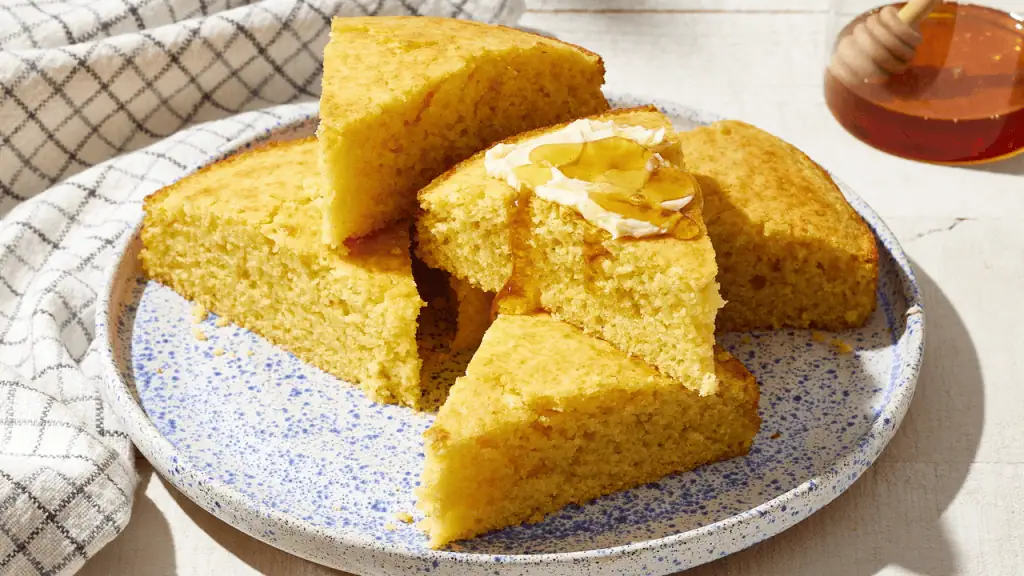
Cornbread thrived on the frontier because cornmeal was cheap, accessible, and easy to transport. Unlike yeast breads, it didn’t require long fermentation or delicate handling, making it ideal for campfire cooking. Cornbread was often baked in cast-iron skillets or Dutch ovens, producing a dense, hearty loaf that paired perfectly with beans and stews. Today, cornbread remains a defining American side dish, especially in Southern and Western cooking. Whether sweet or savory, its continued popularity reflects its roots as a reliable, filling bread born from necessity rather than luxury.
Beef Stew
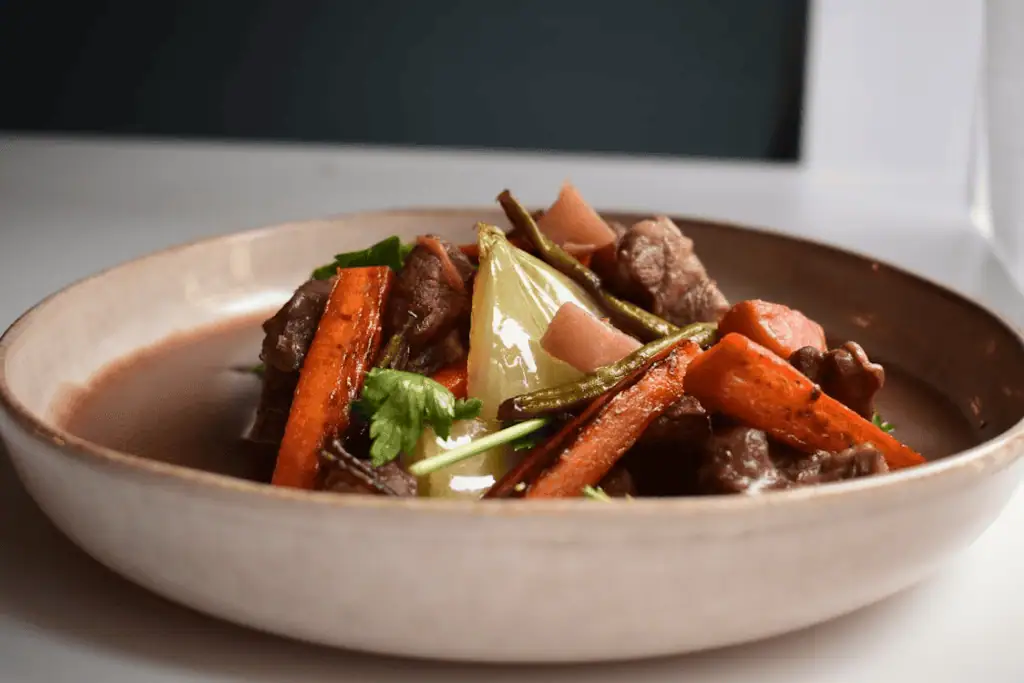
Beef stew allowed frontier cooks to stretch tough, inexpensive cuts of meat into nourishing meals. Slow cooking over open flames broke down connective tissue, turning otherwise chewy beef into tender bites. Whatever vegetables were available potatoes, carrots, onions were added to build volume and nutrition. The result was a one-pot meal that could feed many with minimal waste. Modern beef stew remains a symbol of comfort food, still valued for its warmth, heartiness, and adaptability. Its lasting appeal lies in the same principles that made it essential on the frontier.
Biscuits
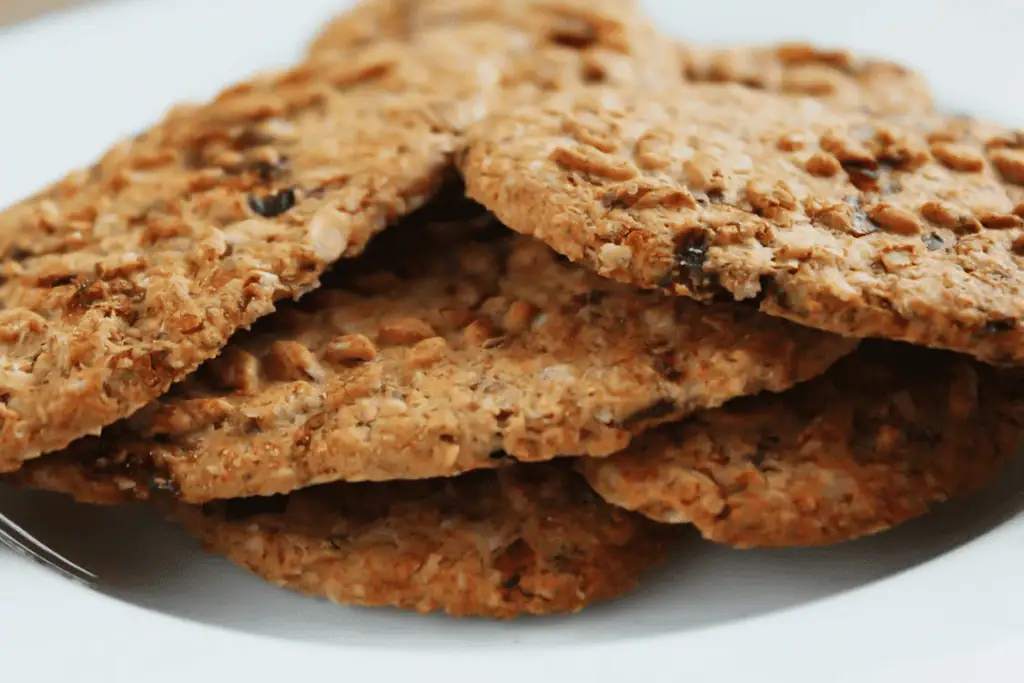
Biscuits were one of the most practical breads on the frontier. Made from basic pantry ingredients and cooked quickly, they provided a filling starch without requiring ovens or long preparation. Frontier biscuits were often denser than modern versions, designed to sustain energy rather than impress. Today’s flaky biscuits may be more refined, but their role as a comforting staple remains unchanged. Served with gravy, butter, or jam, biscuits still evoke self-sufficiency and warmth, connecting modern kitchens to the simplicity of Wild West cooking traditions.
Jerky
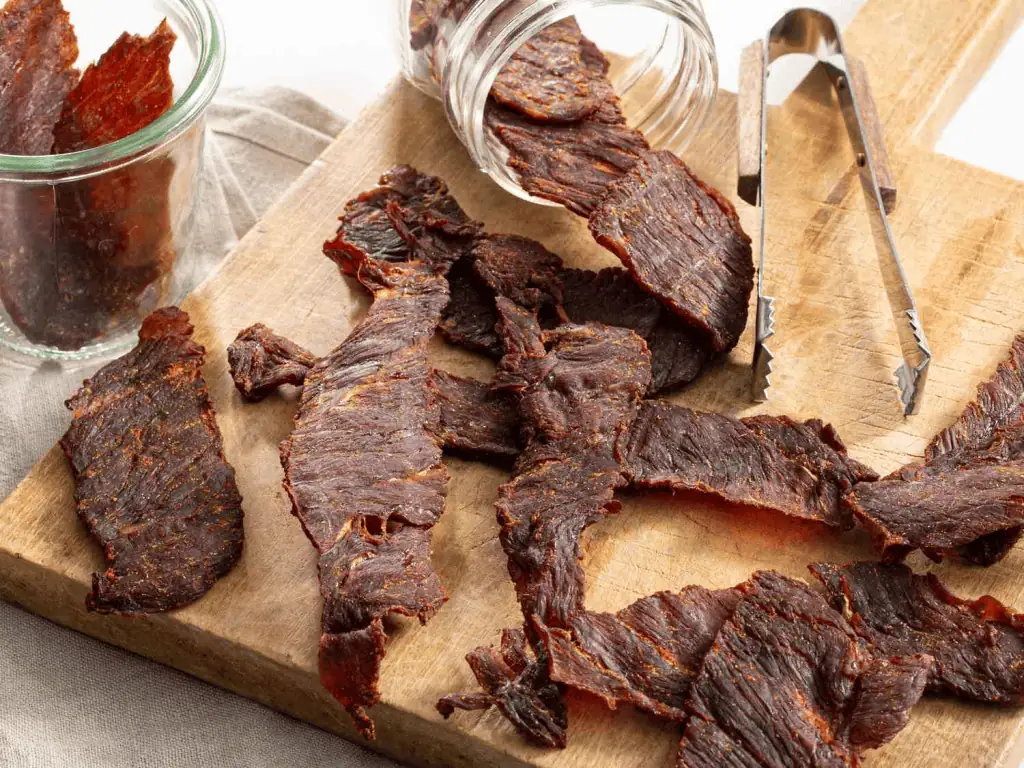
Jerky emerged from the absolute necessity of preserving meat during long cattle drives and remote travel. Drying meat removed moisture that caused spoilage, allowing protein to be carried safely for weeks. Early jerky was simple and unseasoned, valued purely for function. Modern jerky has evolved with marinades, spices, and gourmet branding, but its core appeal remains unchanged: portability, durability, and protein density. Americans’ ongoing obsession with jerky reflects its frontier roots as survival food that still fits fast-paced modern life.
Sourdough Bread
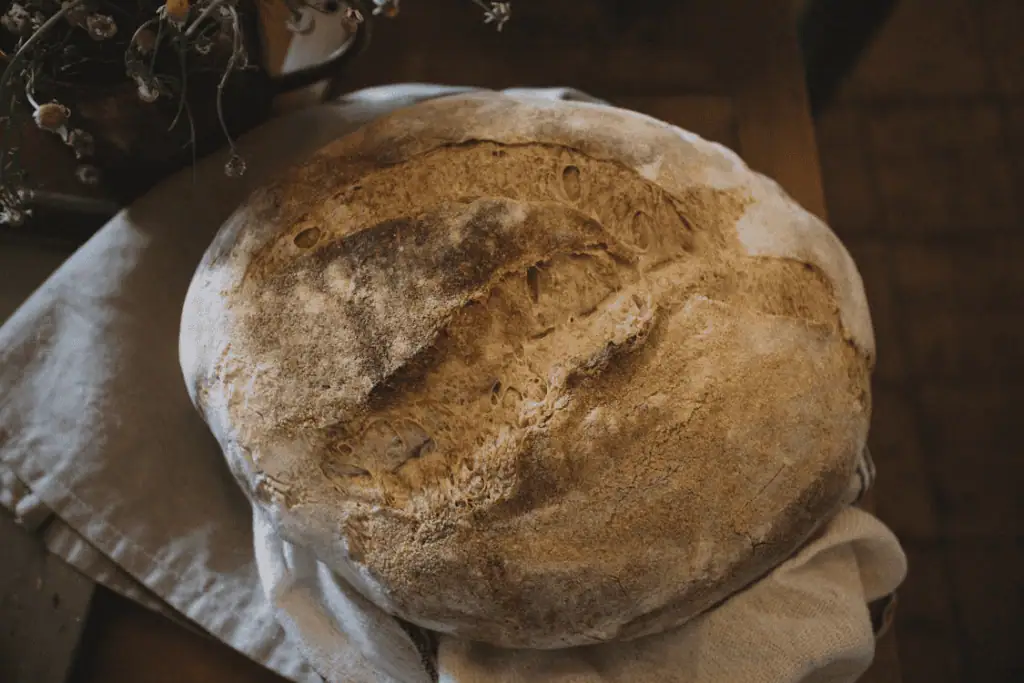
Sourdough bread was essential in the Wild West because commercial yeast was unavailable. Bakers relied on carefully maintained, transported, and guarded wild yeast starters. These starters symbolized independence and skill, allowing settlers to bake consistently under harsh conditions. The tangy flavor and chewy texture became defining characteristics rather than flaws. Today’s sourdough revival mirrors this appreciation for patience and craftsmanship. Every loaf connects modern bakers to a tradition born from necessity and ingenuity on the frontier.
Fried Chicken
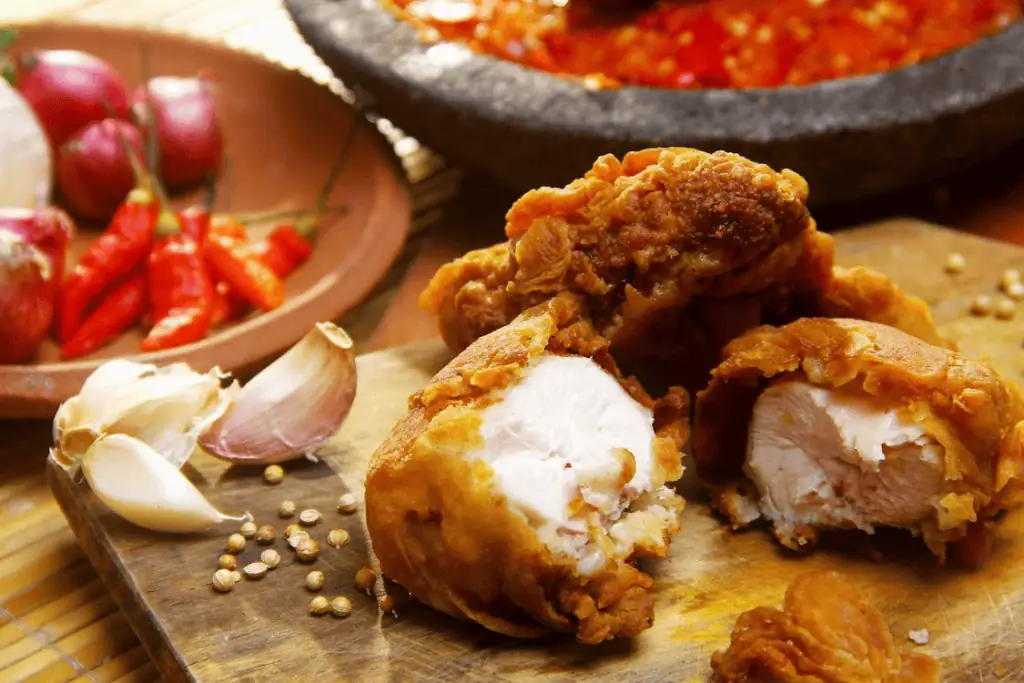
Fried chicken became popular on the frontier because it traveled well without refrigeration. The crisp coating protected the meat, keeping it flavorful even when eaten hours later. This made it ideal for packed meals on the go or during long workdays. Over time, fried chicken transitioned from practical food to a cultural icon. Modern Americans remain obsessed with it for the same reasons: crunch, comfort, and indulgence. Its continued dominance proves that practicality and pleasure can coexist in timeless dishes.
Dutch Oven Cobbler

Dessert was rare on the frontier, but Dutch oven cobblers provided an occasional sense of comfort and celebration. Made with preserved fruit and simple dough, they were baked directly over hot coals. The bubbling fruit and golden crust offered a taste of home in unpredictable environments. Today’s cobblers still carry that emotional weight, often associated with family gatherings and outdoor cooking. Their rustic charm and simplicity keep them rooted in Wild West tradition.
Cast-Iron Skillet Meals
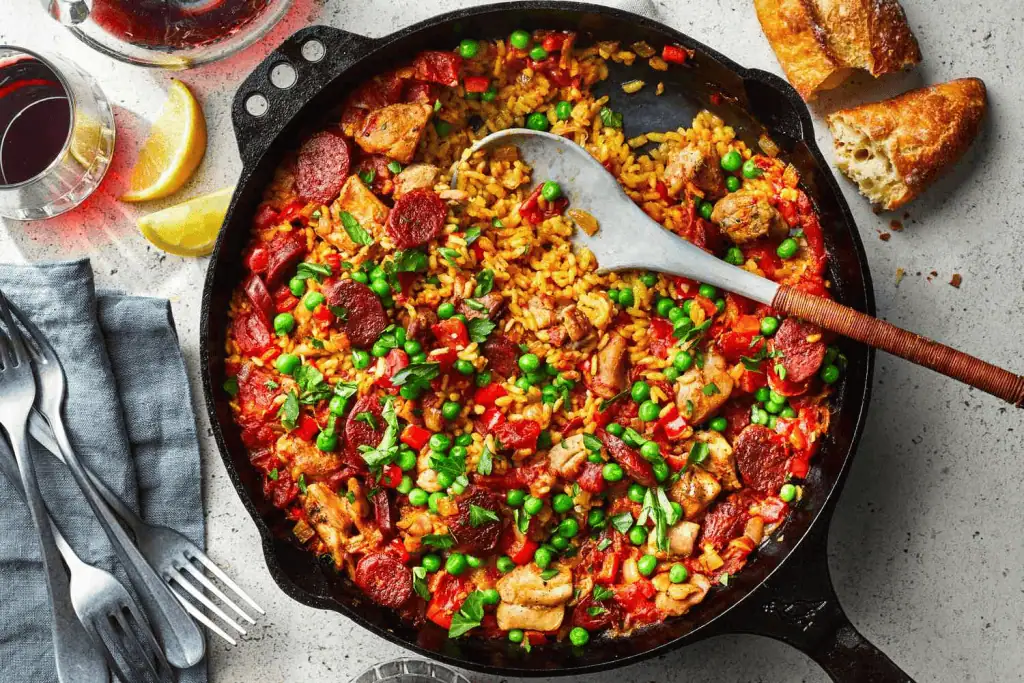
Cast-iron cooking wasn’t just common it was essential. One skillet handled frying, baking, roasting, and simmering over open flames. Its durability made it a lifelong tool, passed down through generations. Modern cooks still prize cast iron for heat retention and flavor development, unknowingly preserving a frontier tradition. The continued obsession with cast-iron cookware reflects America’s deep connection to practical tools that endure, just like the dishes they helped create.


