
12 Strange Food Laws Around the World That Could Get You Fined

Exploring food laws around the world reveals some fascinating regulations that seem unusual yet are taken seriously by authorities. These rules often reflect cultural values, health concerns, or historical quirks. Understanding them not only broadens our culinary knowledge but also ensures we stay on the right side of the law when traveling. Here, we delve into some particularly intriguing food-related laws that might surprise you and could even result in a fine if ignored.
Singapore: The Chewing Gum Ban

In Singapore, chewing gum is treated with the same seriousness as more consequential offenses. Enacted in 1992, the ban aims to preserve public cleanliness and prevent littering. Exceptions exist for therapeutic, dental, or nicotine gums, which must be obtained through pharmacies with proper consultation. This regulation underscores the country's commitment to maintaining its pristine urban environment. Visitors should be mindful, as disregarding this law could result in substantial fines, serving as a reminder of the law's effectiveness and the importance of adhering to local customs.
Italy: Gelato and Swimming Dilemma

Italy’s hydrophilic coastlines coupled with its indulgent gelato are a traveler’s delight, yet rules governing their simultaneous enjoyment are surprisingly strict. In some seaside locations, eating gelato while swimming is prohibited to prevent litter and potential water contamination. This law highlights Italy's dedication to preserving its coastal beauty and visitor safety. Before indulging in a sweet treat during a beach day, take a moment to observe local regulations and respect these seemingly minor yet significant aspects of Italian beach culture.
France: Ketchup Outlawed in Cafeterias

In France, the use of ketchup has been restricted in school cafeterias since 2011 to preserve the authenticity of French cuisine. This ordinance reflects a protective stance on culinary heritage, emphasizing traditional flavors over modern, processed alternatives. Schools are permitted only limited ketchup usage, and it specifically cannot be paired with iconic French dishes. Such regulations aim to cultivate appreciation for the rich tapestry of French gastronomy among young diners, ensuring that cultural culinary values are passed down to future generations.
Switzerland: Dog Rules and Cheese Shops
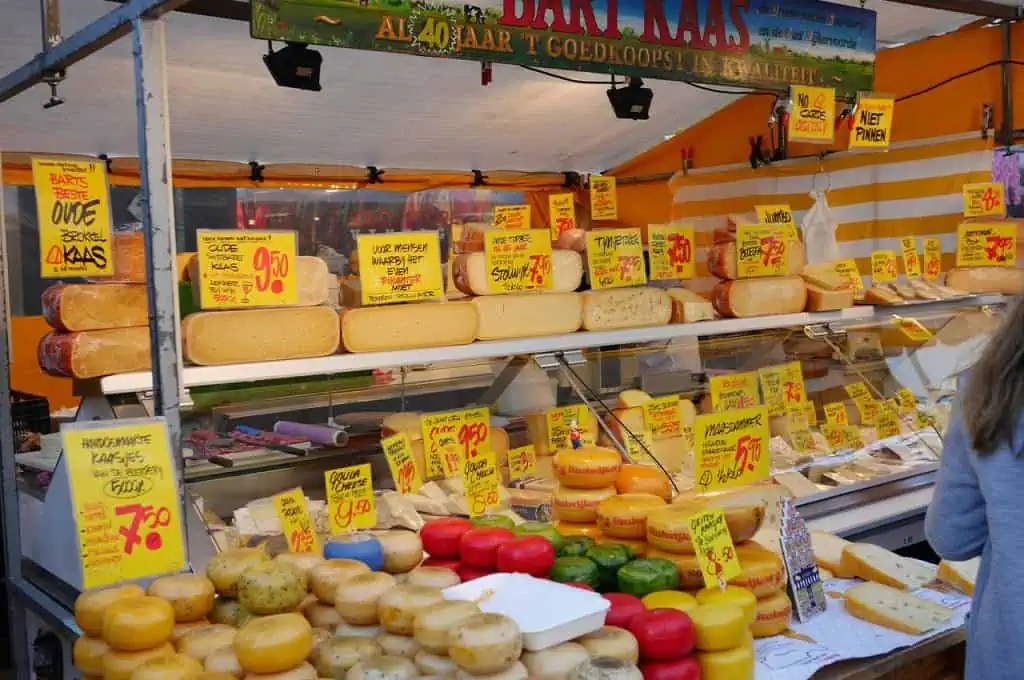
Switzerland, known for its precision, extends this to its treatment of animals and culinary traditions. Dog owners are required to follow stringent guidelines, including a prohibition on leashing dogs outside cheese shops to avoid disruptions and maintain hygiene. This rule highlights a dual respect for animal welfare and food safety standards. When visiting these shops, it's crucial for pet owners to conform to these expectations, underscoring the Swiss emphasis on order and the harmonious integration of daily life with their diverse food practices.
Denmark: Licorice and Candy Tax

In Denmark, a unique approach to health and taxation is evident in the licorice and candy sector. The country imposes taxes on candy, including licorice, aiming to curb sugar consumption. This means importing or buying large quantities for personal use can incur significant financial penalties. When preparing Danish sweets, consider using natural sweeteners or reducing sugar to align with these standards. This law not only supports public health but also encourages innovative sweet treats that respect cultural norms.
Japan: No Sake Refills Allowed

Japanese dining culture places strict guidelines around sake consumption. Serving sake involves traditional etiquette, where anticipation and appreciation are key. However, bar owners face fines if they offer unlimited refills. This regulation underscores the importance of drinking sake slowly to savor its sophisticated flavors. When enjoying sake at home, pair it with dishes like sashimi or grilled fish to complement its delicate notes, honoring the mindful consumption tradition that this law promotes.
Australia: Nut and Seed Import Limits
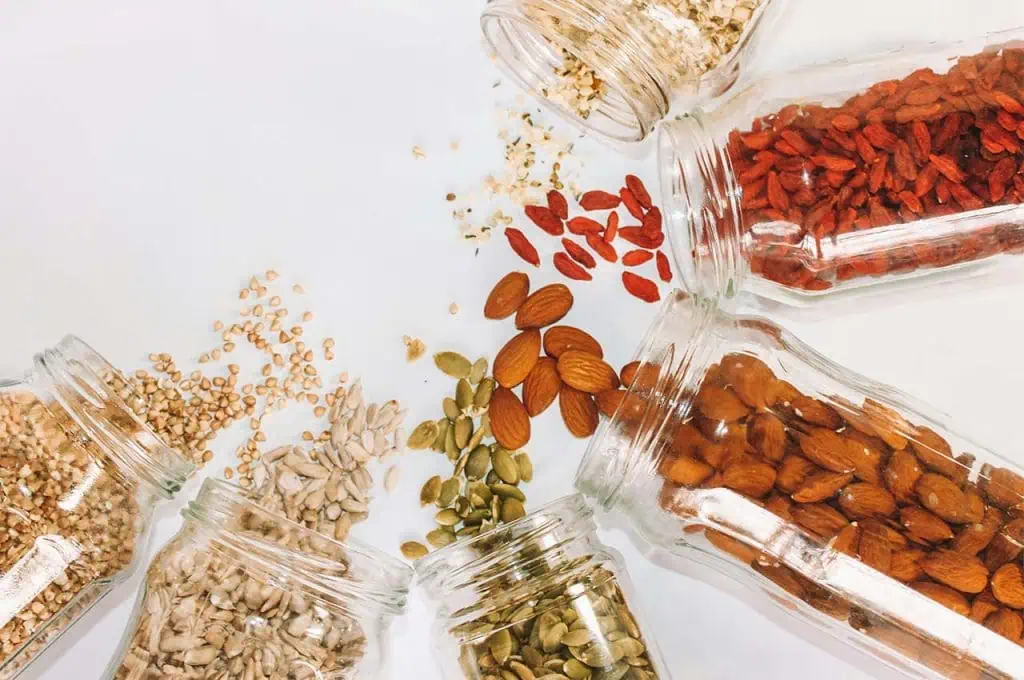
Australia maintains stringent restrictions on importing nuts and seeds to protect its ecosystem from pests and diseases. Bringing in large quantities without permits can lead to substantial fines. This encourages local sourcing and supports native producers. For home cooks, exploring Australian-grown almonds or macadamias is not only law-abiding but also enhances the freshness and quality of dishes. This regulation promotes environmental preservation while encouraging a taste of Australia's unique, natural bounty.
Germany: Sausage Ingredient Regulations
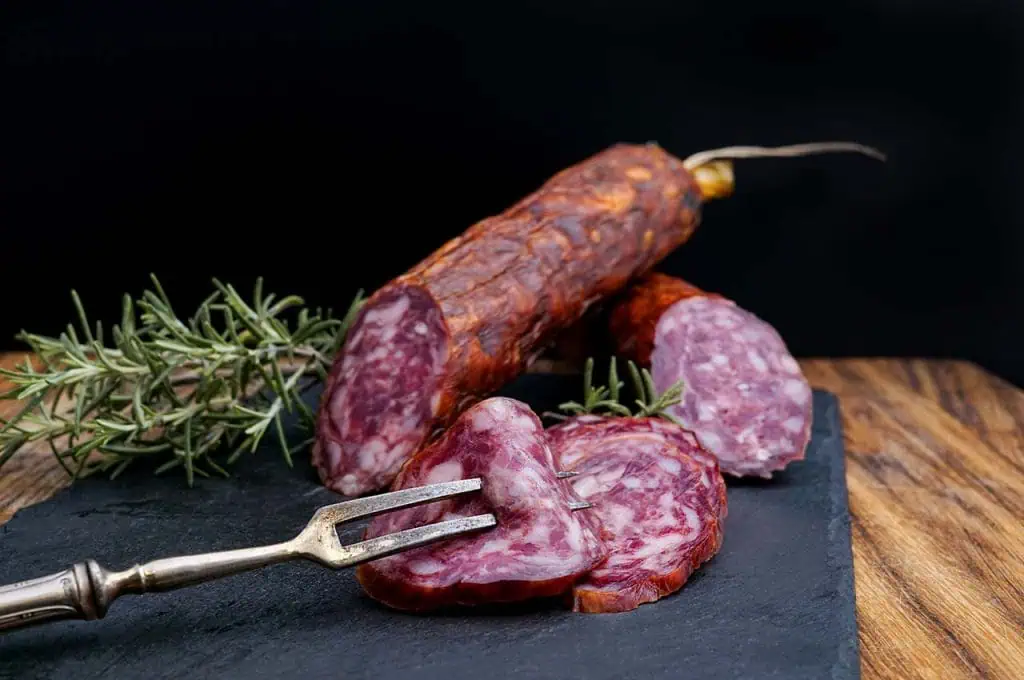
In Germany, the purity of bratwurst is taken seriously, with specific regulations dictating ingredients. These laws ensure sausages remain gluten-free and prohibit fillers like soy protein. As a home cook, crafting sausages with traditional seasonings such as coriander and white pepper aligns with these standards. Respecting these regulations not only preserves culinary heritage but also highlights the authentic flavor profiles that define German cuisine, offering a taste experience true to its roots.
Thailand: Holiday Alcohol Sale Ban

Thailand's stance on alcohol sales is firm, particularly during religious holidays, when restrictions prevent sales altogether. These laws reflect cultural respect and public order. For those planning meals during such times, focus on creating vibrant, non-alcoholic beverages using local fruits like mangosteen or lychee. These refreshing drinks can accompany traditional Thai dishes, offering a respectful nod to the customs while enhancing the dining experience with regional flavors.
USA California: Raw Milk Sale Restrictions

In California, the sale of raw milk is tightly controlled to ensure safety. Raw milk can only be purchased if it's state-certified, emphasizing the importance of sanitation and bacterial count standards in dairy production. Home cooks considering raw milk should be aware of these restrictions and understand the potential health risks associated with unpasteurized products. It's crucial to know your source and ensure it's reliable, as the natural enzymes and beneficial bacteria present in raw milk can be a source of both nutritional benefits and potential hazards if not handled properly.
India: Food Coloring Rules

India enforces strict regulations on food coloring to protect consumers from harmful additives. Natural and certified synthetic dyes are permitted, but the use of unauthorized colors can lead to penalties. For those cooking at home, it's important to stick to natural options like turmeric or beetroot for vivid hues. Paying attention to the quality of ingredients and adhering to these guidelines can not only enhance the visual appeal of dishes but also ensure they're safe to consume. Adhering to these standards is crucial for both health considerations and compliance.
UK: Advertising Junk Food Ban in Schools

In the UK, legislation restricts advertising junk food in schools to promote healthier eating habits among children. This law reflects an effort to reduce exposure to unhealthy options, encouraging students to develop a taste for nutritious foods. When preparing meals at home, especially for school-aged children, focus on balanced options rich in fruits, vegetables, and whole grains. Awareness of these regulations can inspire home cooks to prioritize healthful ingredients, thereby supporting a broader cultural shift towards better nutrition starting from a young age.


