
12 World Foods You Shouldn’t Judge by Looks, But Everyone Should Try Once

Around the world, many beloved foods earn their reputation not through appearance but through flavor, tradition, and the stories behind them. Some dishes seem unfamiliar or visually surprising to newcomers, yet they hold deep cultural meaning and have been enjoyed for generations. As global cuisine becomes more accessible, travelers and curious eaters are discovering that first impressions rarely reflect the true experience. These dishes exemplify how stepping outside one’s comfort zone can lead to memorable, flavorful discoveries worth trying at least once.
Kimchi (Korea)
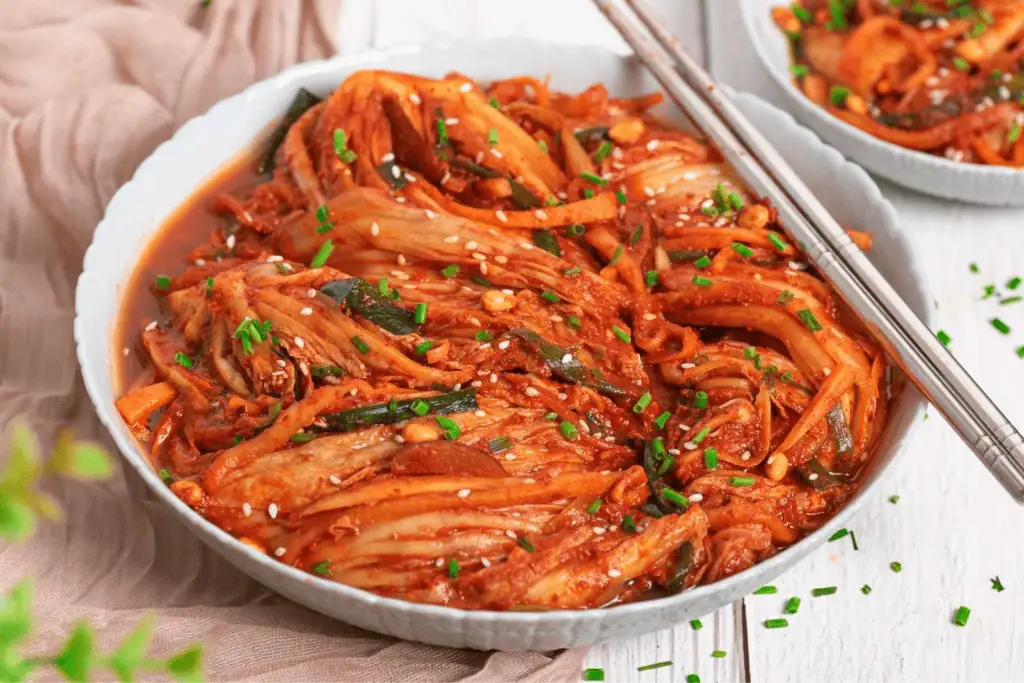
While its strong aroma and bright, fermenting appearance can seem intimidating, kimchi delivers bold, refreshing flavors that balance spice, tang, and crisp texture. It’s a cornerstone of Korean cuisine, eaten alongside nearly every meal and valued for both taste and nutrition. Its fermentation process creates depth that far exceeds expectations based on looks alone, making it a must-try for anyone exploring global flavors.
Haggis (Scotland)
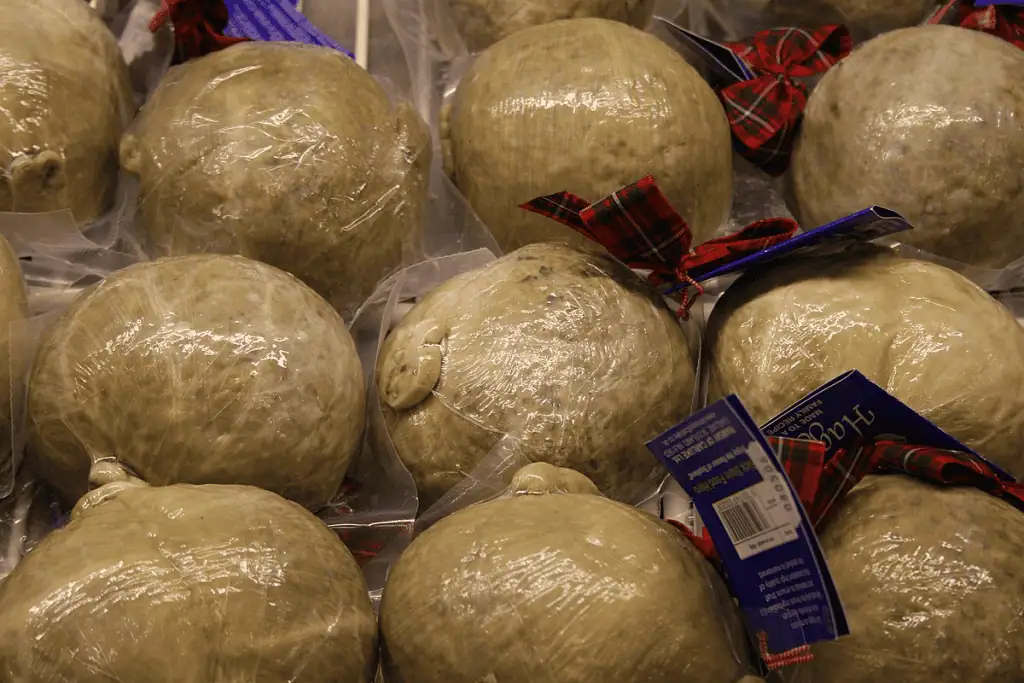
Haggis often surprises newcomers with its rustic appearance, but its flavor is rich, savory, and deeply comforting. Made from seasoned oats, spices, and minced meat, it has a warm, hearty character that reflects centuries of Scottish culinary tradition. When served with mashed turnips and potatoes, it becomes a well-rounded dish whose taste has won over many skeptics who judge it too quickly.
Durian (Southeast Asia)

Durian’s spiky shell and strong scent understandably raise eyebrows, yet its creamy, custard-like interior delivers a complex sweetness cherished across Southeast Asia. Its flavor ranges from caramel to almond, depending on the variety, and locals often describe it as deeply addictive. For many travelers, tasting durian becomes a memorable culinary milestone despite its polarizing exterior.
Escargot (France)
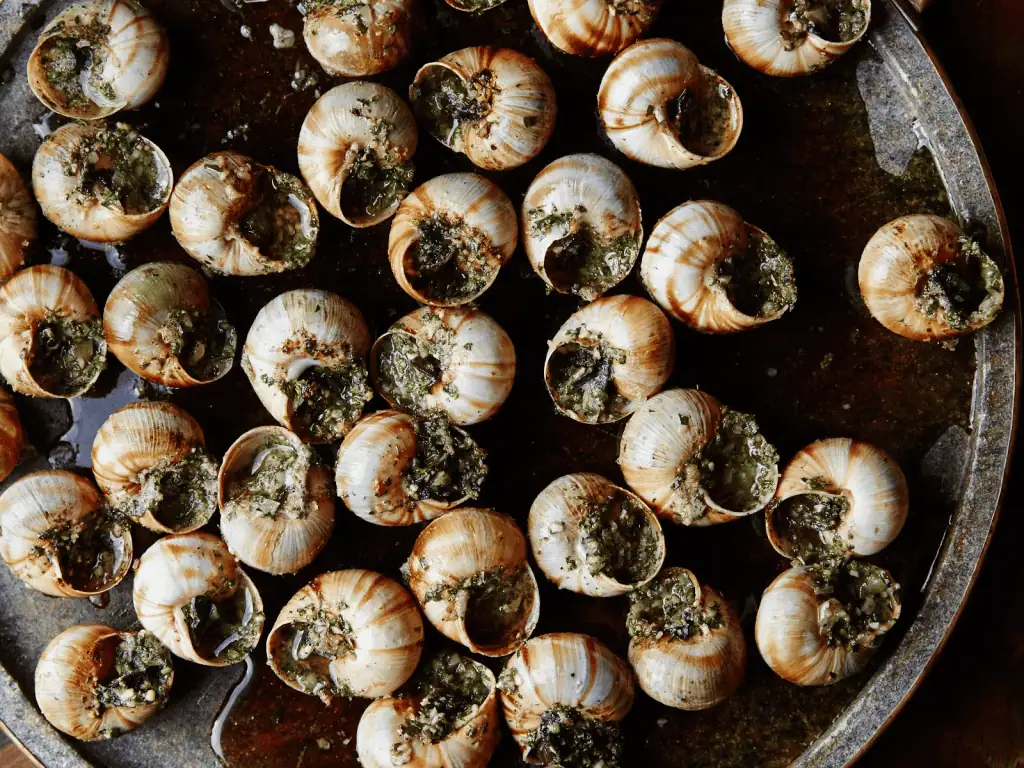
Escargot may appear unusual to those unfamiliar with the dish, but once cooked with garlic butter and herbs, it transforms into a tender, flavorful delicacy. The dish highlights France’s deep appreciation for technique and aromatics, delivering richness that surprises first-time tasters. Its appearance often deters people unnecessarily, as its flavor is far more delicate and inviting than expected.
Menudo (Mexico)
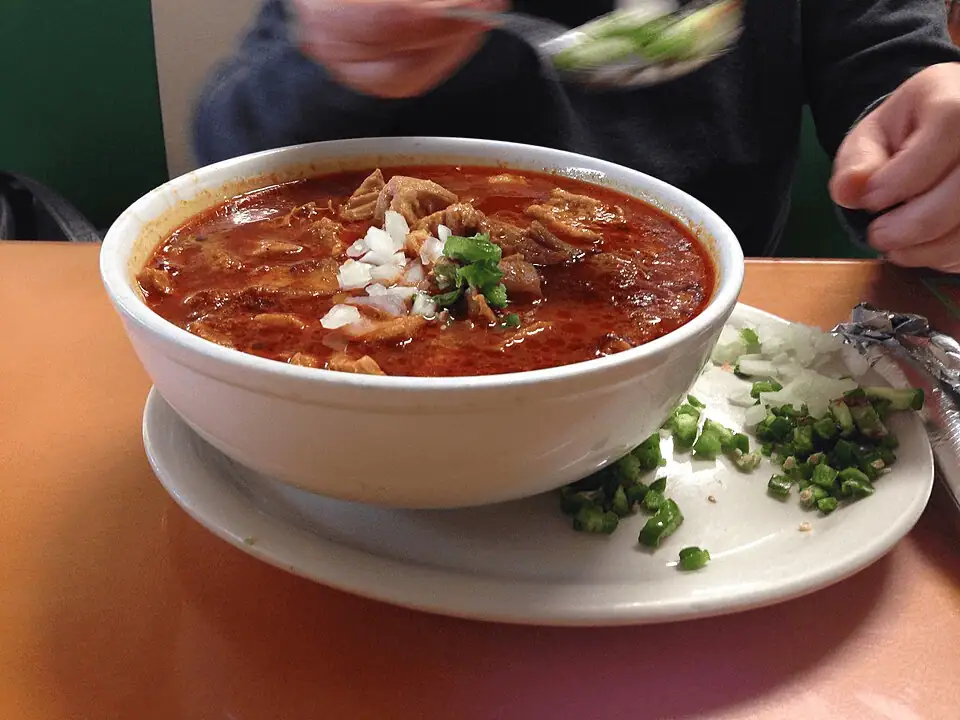
Menudo, a traditional Mexican soup made with hominy and slow-cooked tripe, may look unfamiliar, yet its broth is deeply savory and comforting. Long simmering gives the dish a warmth that resonates with families who enjoy it during celebrations or weekend gatherings. Its bold aroma and hearty texture become far more appealing once tasted, making it a cultural favorite worth exploring.
Black Pudding (UK & Ireland)

Black pudding’s dark color can seem intimidating, but it offers a mildly spiced, savory flavor that pairs well with breakfast staples. The dish’s texture is tender rather than heavy, and its seasoning makes it far more approachable than its appearance suggests. For many in the UK and Ireland, it’s a nostalgic comfort food that surprises newcomers with its depth and warmth.
Natto (Japan)
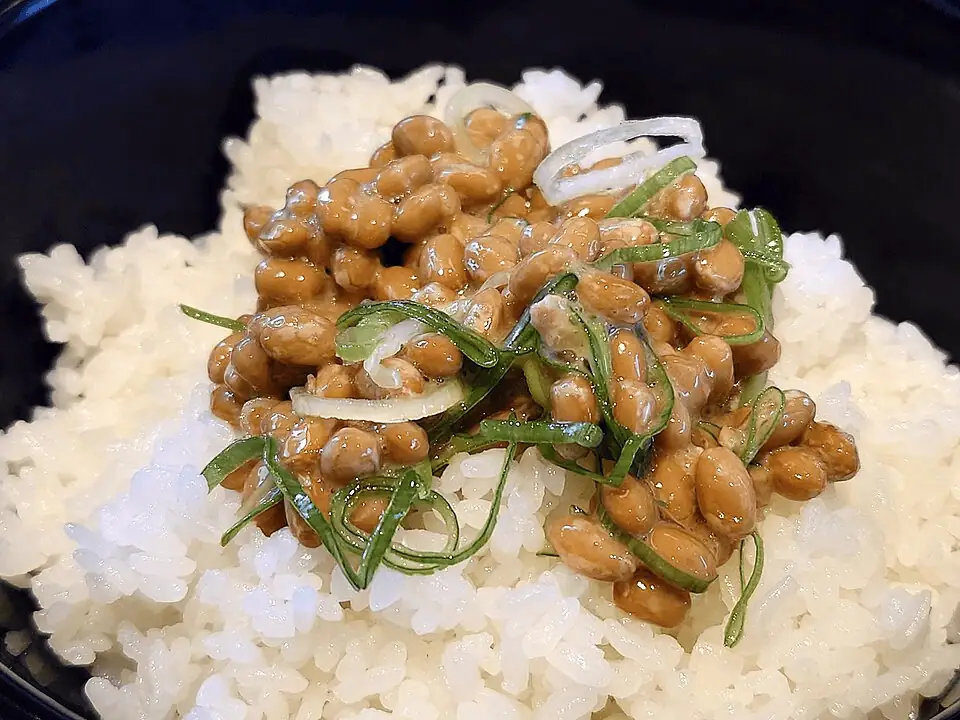
Natto’s sticky texture and strong scent often deter first-timers, but its nutty flavor and satisfying richness win over many who give it a chance. Eaten with rice and soy sauce, it becomes a comforting breakfast staple in Japan. Its fermentation provides significant nutritional benefits, and its taste grows on those who embrace its unique character rather than judge it on looks alone.
Cassava Leaf Stew (West Africa)
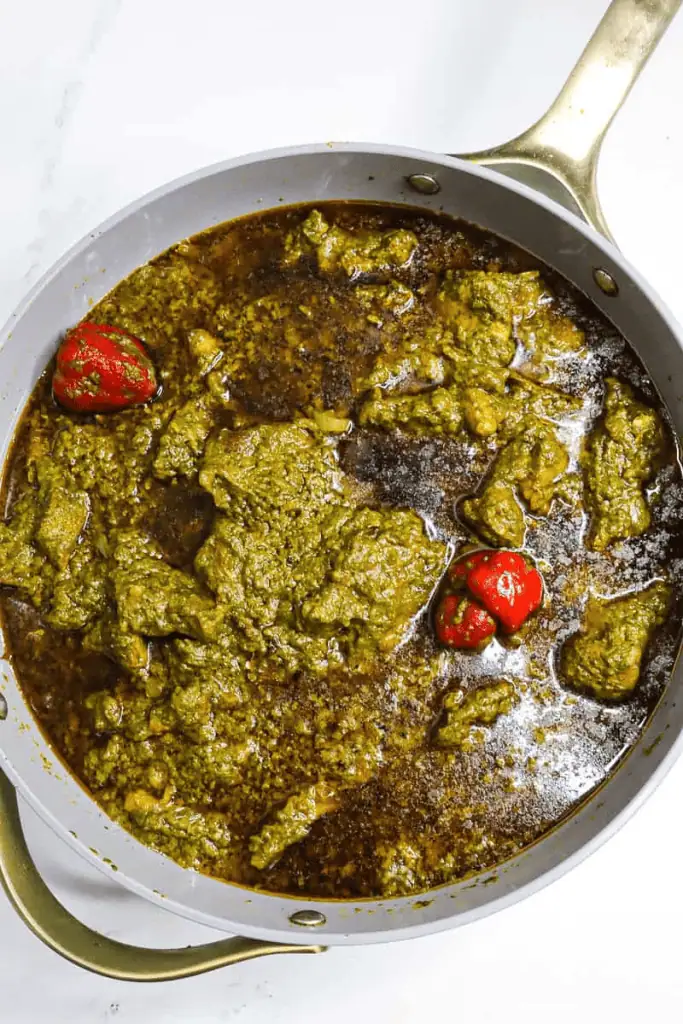
While cassava leaf stew may appear modest and unfamiliar, its flavor is earthy, rich, and deeply satisfying. Slow cooking with spices, palm oil, and protein creates a dish full of complexity and warmth. Popular across Sierra Leone, Liberia, and Guinea, it highlights the vibrant culinary traditions of West Africa and rewards anyone willing to move past its simple appearance.
Blood Pancakes (Nordic Countries)

Blood pancakes may seem visually surprising, but they offer a mild, slightly sweet flavor that pairs well with lingonberries. Their texture is delicate, similar to crepes, and they’ve been enjoyed across Nordic regions for centuries. The dish reflects resourceful, seasonal cooking traditions and delivers far more comfort and nuance than its appearance might suggest.
Pickled Herring (Scandinavia & Eastern Europe)
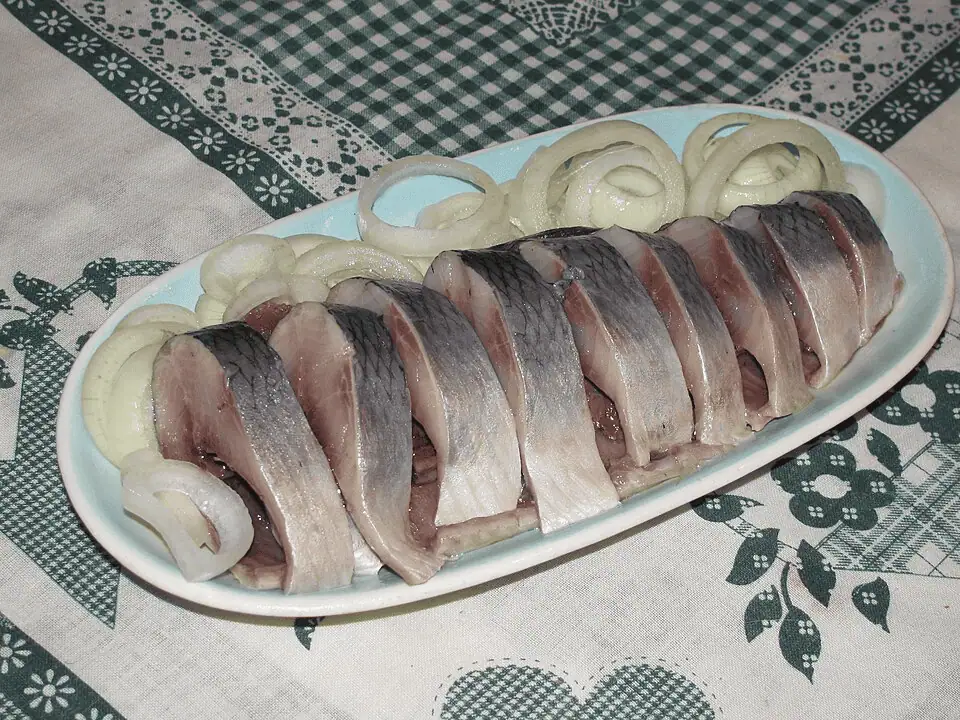
Pickled herring’s glossy texture may look unfamiliar, yet its bright, tangy flavor has made it a staple across cold-climate countries. Paired with onions, dill, or rye bread, it becomes a refreshing, savory bite packed with depth. Its long history and cultural significance enhance the experience for those willing to look past its appearance and enjoy its clean, vibrant taste.
Bitter Melon Stir-Fry (South & East Asia)
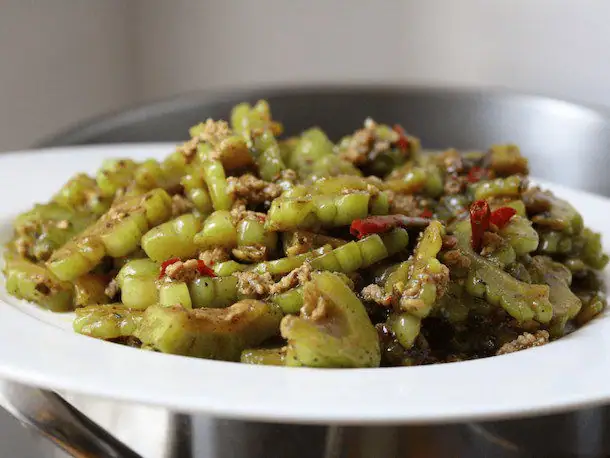
Bitter melon’s ridged, intense exterior often intimidates newcomers, but when cooked with aromatics, it becomes a dish full of contrast and character. The melon’s natural bitterness balances rich or salty ingredients, creating a nuanced flavor profile valued for both taste and wellness. Those who try it often appreciate how well it elevates simple stir-fries.
Pho Blood Soup Variant (Vietnam)
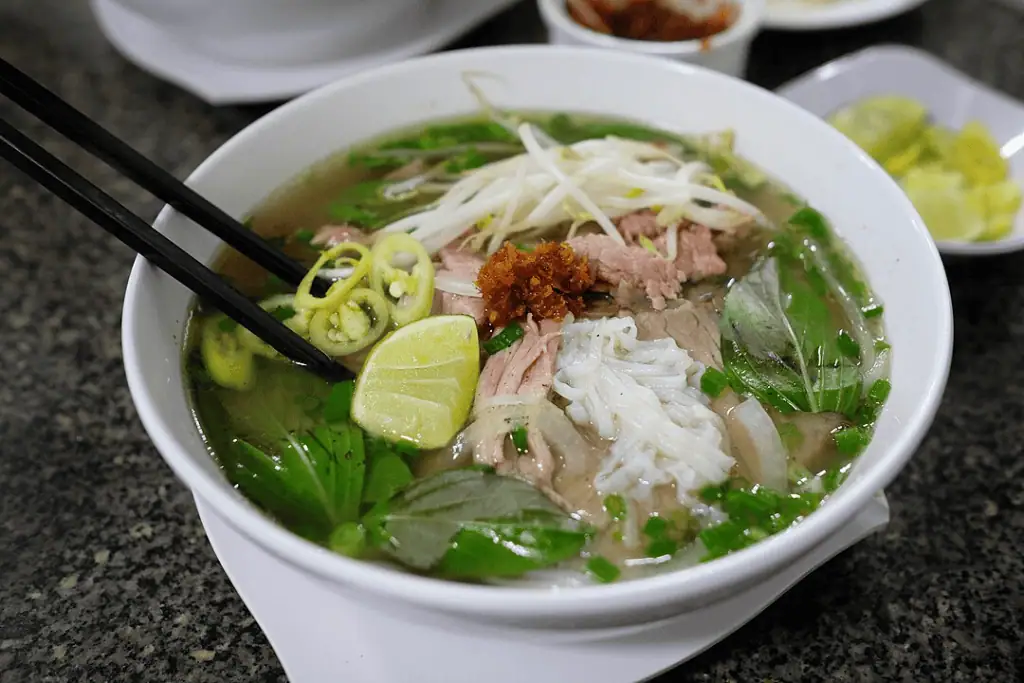
Some regional pho variations include cubes of congealed blood, which can appear unexpected to newcomers. Yet these additions offer a mild, smooth texture that enriches the broth’s depth. The dish highlights Vietnam’s culinary diversity and emphasizes how small variations can enhance flavor, proving that looks alone rarely reflect the true heart of a traditional soup.


