
10 restaurant rules boomers still follow (but everyone else ignores now)

Dining out has always carried its own set of unwritten codes. While many of these rules have evolved over time, some people, particularly from older generations, still adhere strictly to them. Understanding these practices can offer insight into how dining etiquette has changed and what rules continue to hold sway in the restaurant scene.
Dress to Impress at Dinner

Many older diners uphold the tradition of dressing formally for a meal out, a practice rooted in respect for the dining experience. Proper attire enhances the ambiance and signals to the restaurant staff that you value their service. While relaxed dress codes are common today, adopting a polished look contributes to the occasion and connects to a sense of tradition.
Wait for Everyone to Decide

An etiquette principle some boomers still follow is waiting for everyone at the table to settle on their meal before ordering. This shows consideration for the group's collective experience, fostering a shared dining moment. While contemporary chatter often leads to spontaneous orders, waiting embodies patience and encourages inclusive decision-making.
Eat What You’re Served

In a nod to less wasteful times, many older diners avoid sending plates back, preferring to eat what’s served. This respect for the chef’s creation emphasizes appreciation for both the food and the effort behind it. While today’s diners feel more comfortable voicing preferences, finishing a meal as presented can deepen appreciation of the culinary craft.
The Standard Tip Ritual

The tradition of tipping a standard 15-20% remains steadfast among some boomers, reflecting a respectful acknowledgment of hospitality workers' efforts. This practice, rooted in predictability and fairness, contrasts with current trends toward more variable tipping. Adhering to this standard ensured consistent gratitude for good service and contributes to the livelihood of restaurant staff.
Silence That Phone

In a restaurant setting, keeping your phone silent is a practice that champions courtesy and respect for the dining experience. This habit not only minimizes distractions but also enhances the ambiance, encouraging genuine conversation. A muted phone ensures that the focus remains on the food and company, fostering a more connected and mindful meal. While newer dining norms might allow for more digital interaction, maintaining this quietude can elevate any dining occasion.
Clean Your Plate

The expectation to clean your plate stems from an era valuing minimal waste. While modern diners may prioritize portion control or dietary needs, finishing every bite reflects respect for the effort put into the meal. This practice also encourages thoughtful ordering, ensuring selections align with genuine appetite. Embracing this mindset can lead to more mindful eating habits, promoting both appreciation for the meal and a reduction in food waste.
Napkins Over Paper Towels

Opting for cloth napkins over paper towels embodies an appreciation for tradition and sustainability. Cloth napkins provide a touch of elegance, enhancing the dining experience with their soft texture and reusable nature. They stand as a superior choice for effectively managing spills or grease, adding sophistication to both casual and formal meals. While disposable options offer convenience, cloth napkins underscore a commitment to quality and environmental concern.
No Custom Sauces Allowed
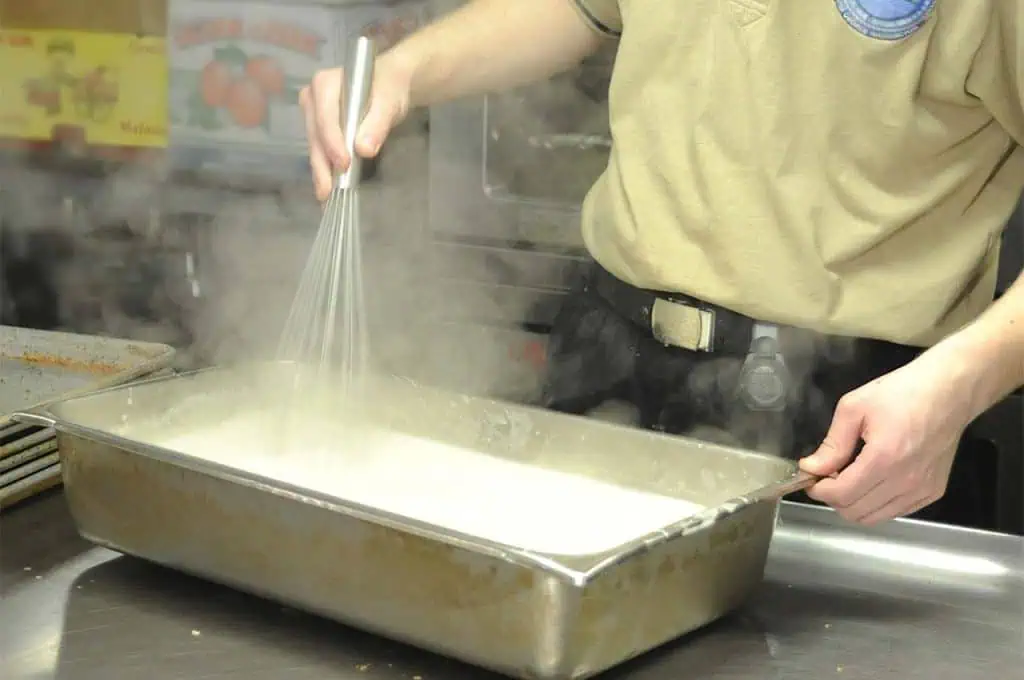
Refraining from requesting custom sauces reflects trust in the chef’s culinary expertise. Each dish is crafted with a balance of flavors, and altering this can disrupt the intended harmony. Embracing the chef’s creation allows diners to experience a meal as envisioned, often uncovering new tastes and combinations. This respect for culinary artistry fosters a greater appreciation of diverse flavor profiles and encourages diners to expand their palates.
Check Those Daily Specials
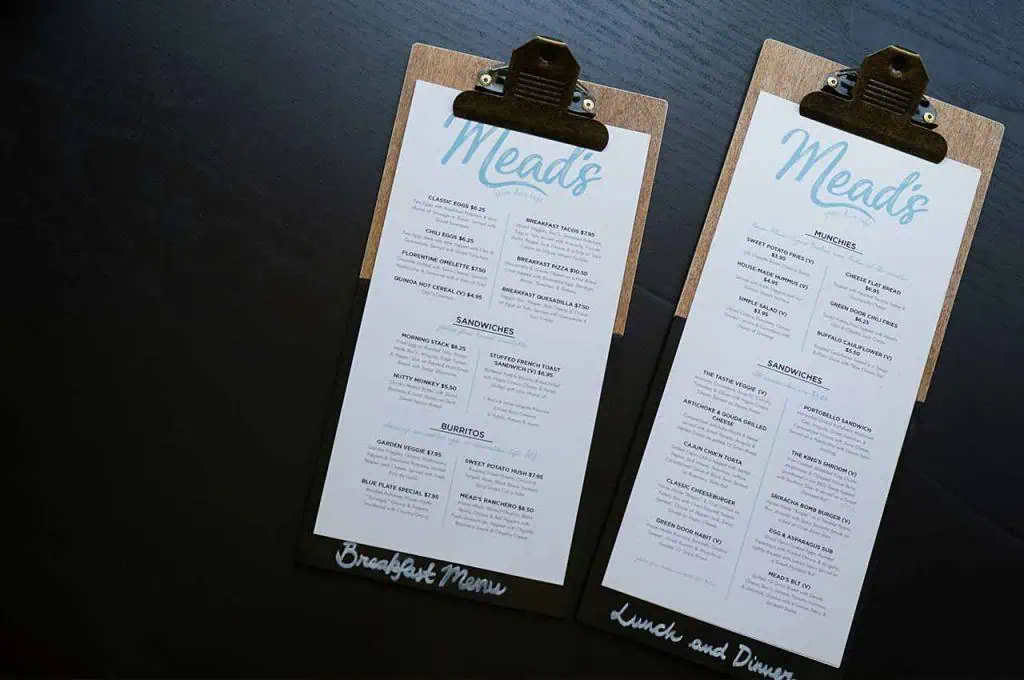
Daily specials offer a glimpse into a chef’s creativity and focus on seasonal ingredients. These offerings often highlight the freshest produce or latest culinary inspirations. By choosing a special, diners can experience an exclusive dish, crafted with passion and expertise. This practice not only supports the restaurant's commitment to quality but also provides an opportunity for adventurous dining, as specials frequently feature unique or limited-time ingredients.
Permission to Split the Check

In dining experiences, especially in group settings, splitting the check was once a respected norm. Today, however, many prefer leveraging mobile payment apps for convenience. For those adhering to traditional methods, requesting precise itemization at ordering makes sharing the cost less cumbersome. Clearly communicate this intention to your server early on, ensuring accuracy and preventing awkward delays when it’s time to settle up. Emphasizing respect and patience during this process can ease tensions and maintain a harmonious dining atmosphere.


