
8 Ways Technology Is Changing What We Eat and What’s Next

Technology continues to reshape what we eat and how we experience food. Innovations are offering new flavors, efficiencies, and sustainability options. This transformation goes beyond convenience, providing solutions to global food challenges. Let's delve into these technological advancements and their implications for our culinary future.
Savoring the Future: Lab-Grown Meat

Lab-grown meat is set to revolutionize how we consume protein. By cultivating meat from animal cells, this technology offers a sustainable alternative to traditional farming. It's crucial to focus on the texture and taste to mirror conventional meat, ensuring a familiar experience. The process reduces environmental impact and aims for humane practices without sacrificing flavor or nutrition.
Revolutionizing Growth with Vertical Farms
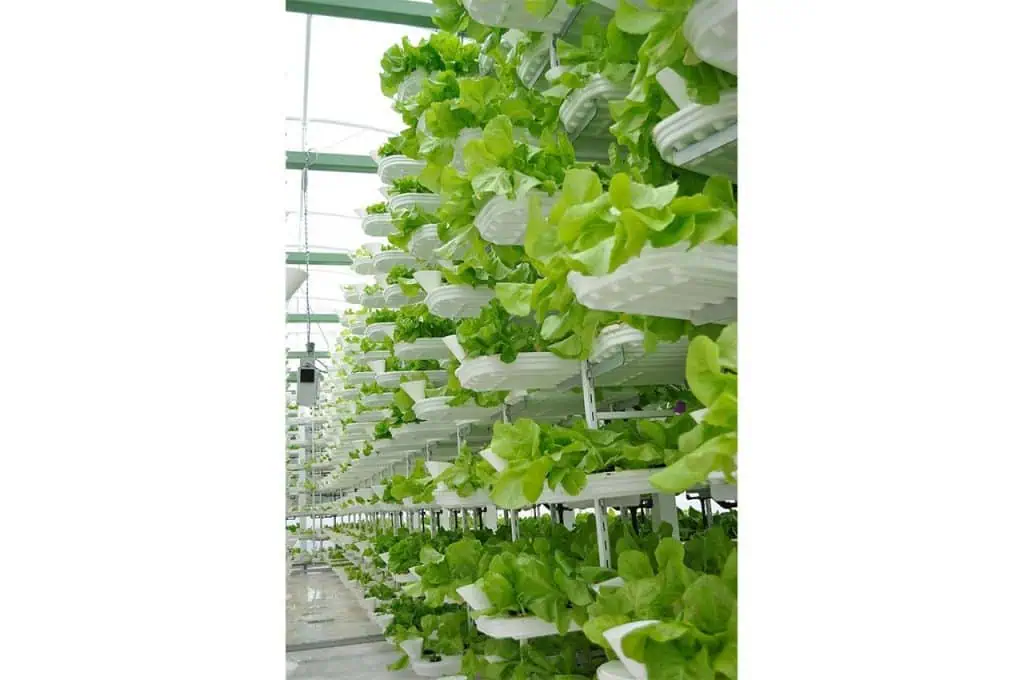
Vertical farms maximize space and resources to cultivate crops efficiently. By stacking layers of plants in controlled environments, they ensure year-round production with minimal water and soil usage. The key here is optimizing light and nutrient delivery, resulting in vibrant produce that's often more flavorful and nutritious than conventional farming methods. Innovations in vertical farming address food security and urban farming challenges.
AI Culinary Assistants: The New Sous-Chefs

AI culinary assistants are reshaping the kitchen by offering personalized recipe suggestions and cooking techniques. These intelligent systems analyze dietary preferences to create custom meal plans. They assist in honing culinary skills by recommending precise temperature and timing adjustments. The emphasis is on integrating AI seamlessly into kitchen routines, enhancing creativity and efficiency for both novice and experienced cooks.
Gourmet in a Click: 3D-Printed Food

3D-printed food turns imaginative designs into edible reality, allowing for customization and precision unmatched by traditional methods. This technology creates intricate shapes and textures, enhancing both aesthetics and sensory experiences. Food printers utilize a variety of ingredients, from chocolate to dough, offering new possibilities in food presentation and personalization. Embracing 3D printing allows chefs to push boundaries and surprise diners with novel creations.
Convenience at Your Door: Food Delivery Apps

Food delivery apps have revolutionized how we satisfy cravings, offering a vast array of options at our fingertips. These platforms integrate seamlessly into our daily lives, providing access to freshly prepared meals from local favorites to international cuisines. They leverage GPS technology to ensure prompt deliveries, keeping your food hot and fresh. Many apps now include AI-driven recommendations based on preferences, enhancing the overall dining experience. For home cooks, these apps offer inspiration and the chance to sample new flavors without stepping out.
Blockchain: Farm-to-Fork Transparency
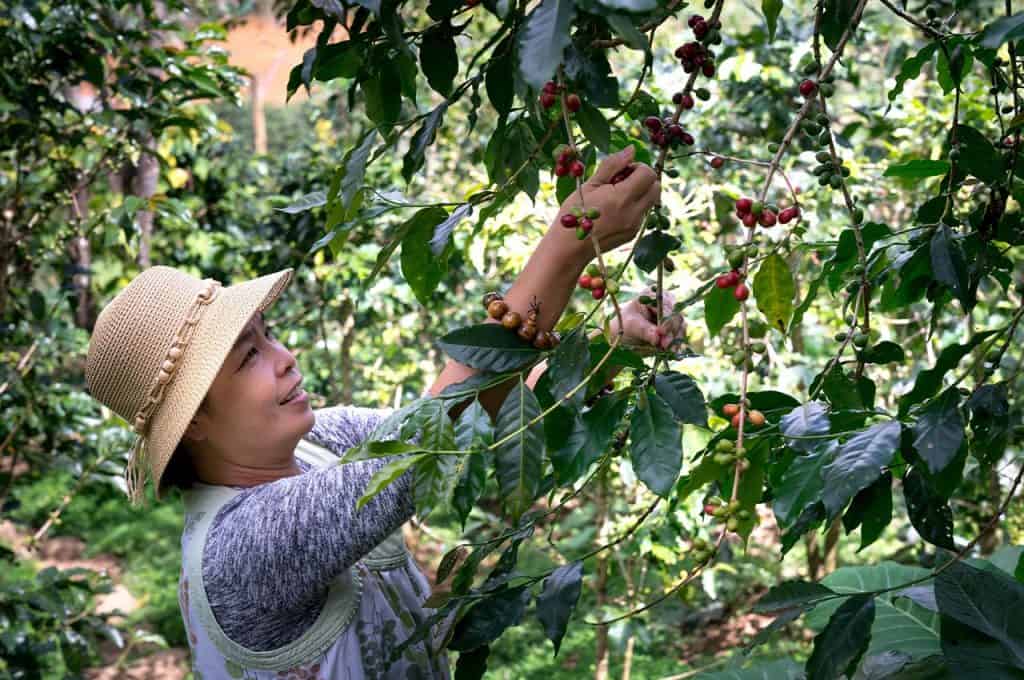
Blockchain technology is transforming the food supply chain, offering unparalleled transparency from farm to fork. By providing a secure and unchangeable ledger, it allows consumers to trace the journey of their food with precision. This transparency ensures that each ingredient is ethically sourced and meets safety standards, building trust and accountability. For chefs and food enthusiasts, it emphasizes the importance of knowing the origin of ingredients, promoting sustainable practices, and reducing food fraud, thus enhancing our commitment to quality and authenticity.
Tech-Savvy Kitchens: Smart Appliances

Smart appliances are reshaping home cooking by offering precision and convenience. Modern ovens equipped with Wi-Fi allow you to control settings remotely, ensuring perfect cooking results. Multi-functional devices like instant pots streamline meal preparation, adapting to various cooking methods. These appliances often come with integrated recipe guides, adapting to personal tastes and dietary requirements. For the keen cook, smart technology reduces guesswork, providing consistent results without sacrificing flavor, making it easier to explore complex dishes with confidence.
Future Bite: Sustainable Food Tech
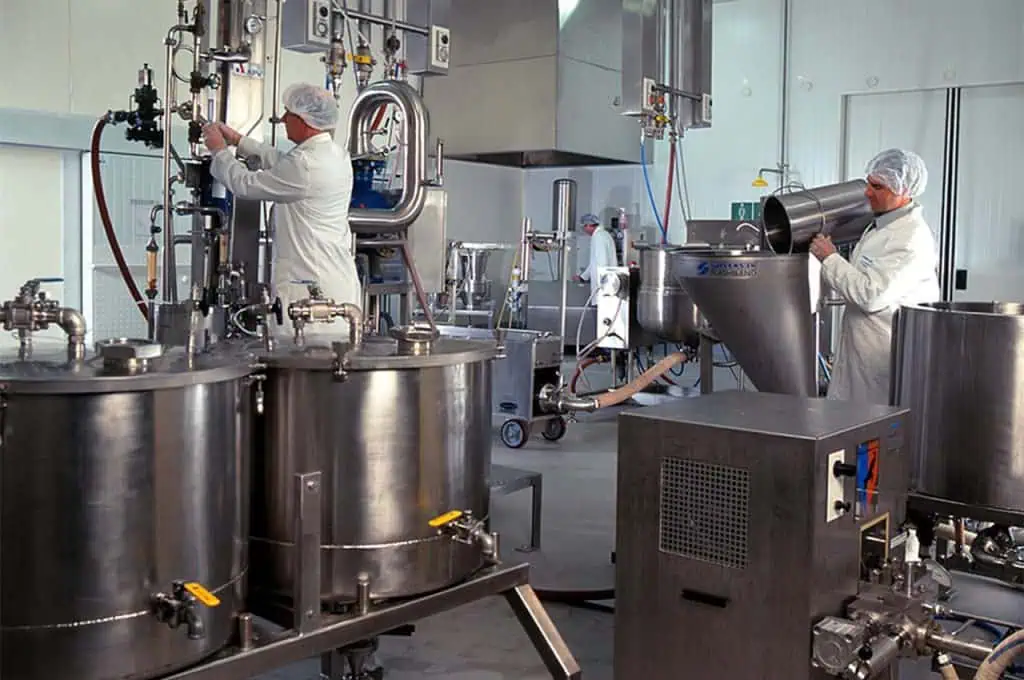
Sustainable food technology is paving the way for a more eco-friendly culinary future. Innovations such as lab-grown meat and plant-based protein alternatives are reducing dependence on traditional agriculture, which is resource-intensive. These advancements aim to lower carbon footprints while delivering satisfying taste and nutrition. In the kitchen, embracing such ingredients encourages eco-conscious choices, offering a chance to experiment with plant-centric dishes. For those committed to sustainability, this tech revolution fosters a balance of indulgence and environmental responsibility.


