
14 Weird Foods People Swear By Around the World

Every culture has a dish that outsiders find strange but locals cherish. What seems shocking to one palate may be a source of pride, tradition, or nostalgia to another. Around the world, unusual ingredients and bold preparations tell deeper stories of history, geography, and identity. Here are 14 “weird” foods that people truly swear by, proof that taste is always cultural and curiosity is the real spice of life.
Balut — Philippines

Balut, a fertilized duck egg with a partially developed embryo, is a popular street snack rich in protein and folklore. Typically boiled and eaten with salt or vinegar, it’s considered both an aphrodisiac and a comfort food. To Filipinos, balut represents resilience and local pride more than shock value.
Hákarl — Iceland

Fermented Greenland shark might sound intimidating, but Hákarl is a centuries-old survival food turned national symbol. Hung to cure for months, it develops a strong ammonia scent and chewy texture. Icelanders serve it in small cubes, often paired with a shot of Brennivín to balance its pungency.
Century Eggs — China

Also called “thousand-year eggs,” these preserved duck or chicken eggs turn translucent dark green through alkaline curing. Despite their appearance, the flavor is complex savory, earthy, and lightly creamy. For many Chinese diners, century eggs are a delicacy often enjoyed with congee or tofu.
Escamoles — Mexico

Known as “insect caviar,” escamoles are edible ant larvae harvested from agave roots. They have a nutty, buttery taste and are sautéed with butter and spices. Once a pre-Hispanic delicacy, they remain a prized seasonal dish, showcasing Mexico’s deep appreciation for texture and flavor diversity.
Surströmming — Sweden

Fermented Baltic herring, famous for its intense aroma, is a Swedish delicacy enjoyed with flatbread, onions, and potatoes. Though its smell is legendary, fans describe the taste as tangy and savory, with a hint of the sea. It’s a love-it-or-leave-it dish deeply tied to coastal tradition.
Casu Marzu — Italy (Sardinia)

This Sardinian cheese goes far beyond aged; it’s alive. Casu Marzu is pecorino fermented with cheese-fly larvae that soften it into a creamy, pungent spread. Though controversial and banned commercially, locals view it as a bold celebration of heritage and true artisanal craft.
Sannakji — South Korea
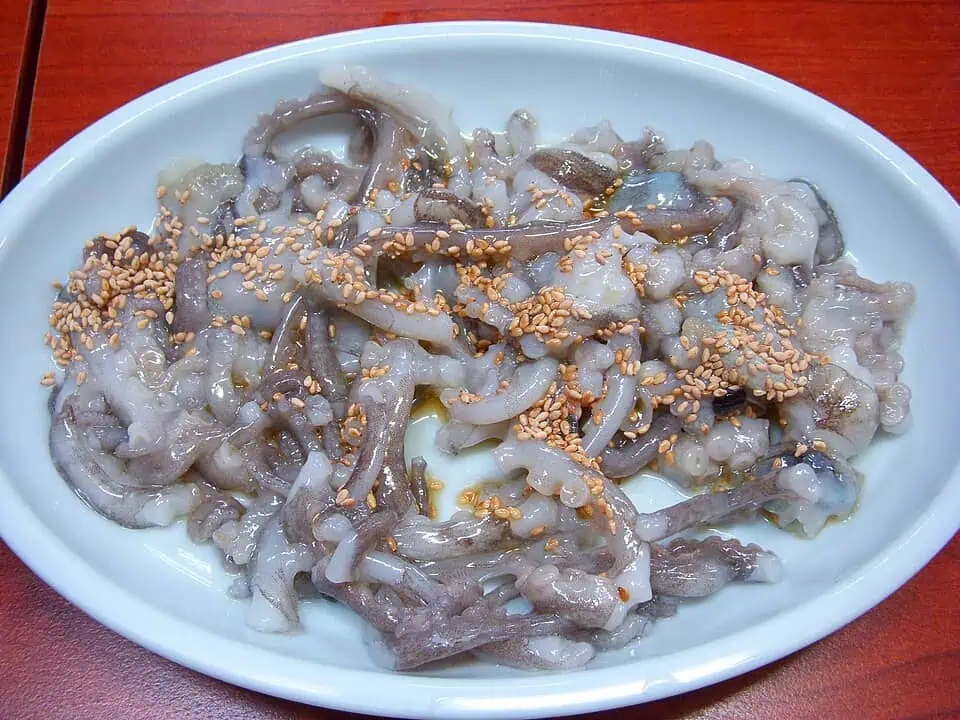
Sannakji is raw octopus served freshly chopped, with its tentacles still moving. Eaten with sesame oil and salt, it’s a delicacy celebrated for freshness and texture. The slight suction creates a unique eating experience that adventurous food lovers travel far to try.
Vegemite — Australia

This thick, dark yeast spread divides opinions worldwide. Made from brewer’s yeast extract, Vegemite has a salty, umami-rich flavor beloved by Australians. Spread thinly on buttered toast, it’s an acquired taste and a symbol of home comfort for millions.
Tuna Eyeballs — Japan

Large and surprisingly affordable, tuna eyeballs are simmered in soy sauce and mirin until tender. The texture is gelatinous, and the flavor similar to calamari. Rich in omega-3s, they’re a sushi-bar curiosity turned nutrition powerhouse proof that Japan wastes nothing from the sea.
Fried Tarantulas — Cambodia

What began as survival food during the Khmer Rouge era is now a Cambodian specialty. Deep-fried tarantulas are crispy on the outside and soft inside, tasting faintly like crab. Sold by street vendors, they represent both resourcefulness and a surprising delicacy.
Black Pudding — United Kingdom

Despite its name, black pudding is a savory blood sausage made with oats and spices. Served at breakfast, it’s dense, earthy, and rich in iron. To British diners, it’s not “weird” at all it’s tradition, connecting modern tables with centuries of culinary history.
Ant-Egg Soup — Thailand & Laos
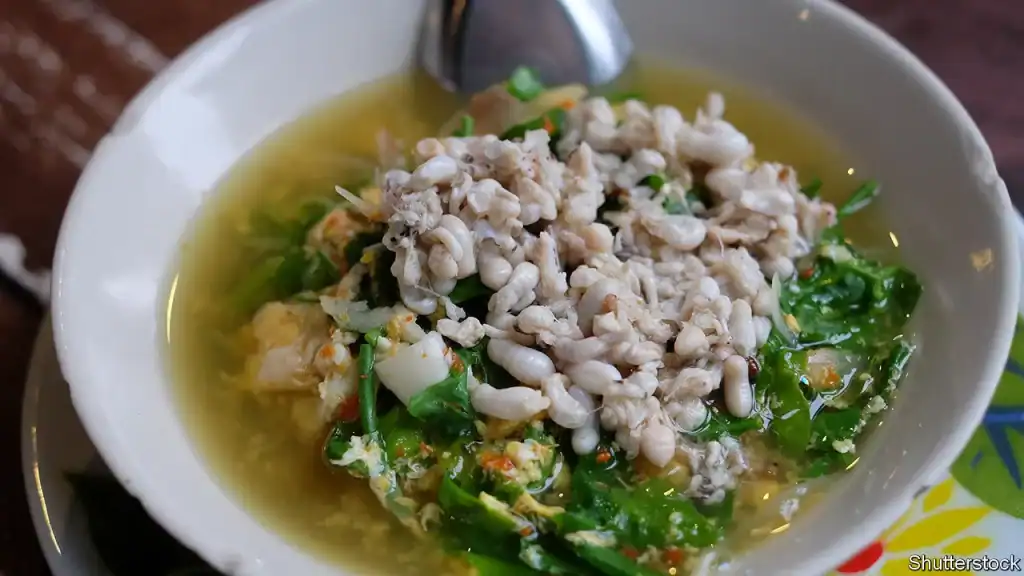
This unique soup combines ant eggs, larvae, and herbs in a light, citrusy broth. The eggs burst with subtle tartness, blending beautifully with lemongrass and chili. Far from novelty, it’s a beloved seasonal dish symbolizing renewal and respect for nature’s cycles.
Rocky Mountain Oysters — United States

Despite the name, these “oysters” are actually deep-fried bull testicles a ranch-country tradition. Crispy outside and tender inside, they’re served at fairs and festivals across the American West. To locals, it’s not shock food, it’s cowboy heritage on a plate.
Stink Bugs — Zimbabwe & South Africa
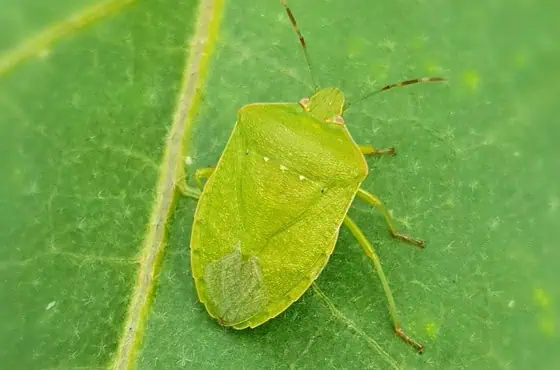
Stink bugs are boiled or fried and eaten as a crunchy, protein-rich snack. Once harvested seasonally, they’re now making a comeback as sustainable cuisine. Their tangy, herbal flavor is distinct, and for many rural communities, they remain both nutritious and nostalgic.


