
5 Ways to Know If the Cheese Served is Fake

Cheese may look and taste real, but not every slice or shred is the genuine thing. Many products labeled as cheese are actually processed blends filled with oil, starch, and flavoring instead of milk. Knowing how to spot fake cheese can save you from disappointing meals and unnecessary additives. Here are five simple ways to tell whether the cheese on your plate is authentic or imitation.
Check the Ingredients Label
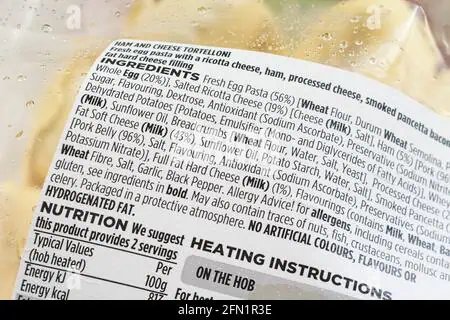
Real cheese is made from milk, salt, enzymes, and natural cultures. If the label lists vegetable oil, starch, or milk powder as the first few ingredients, you are likely looking at processed imitation cheese. Authentic cheese has a short ingredient list that sounds familiar. The more complex and chemical the list, the further it is from true dairy.
Observe the Texture and Melt

When heated, genuine cheese melts smoothly and stretches evenly without turning oily or rubbery. Fake cheese tends to form clumps, release excess grease, or stay oddly stiff after melting. Try placing a small piece under heat and watch how it behaves. The melt test is one of the easiest visual ways to identify imitation cheese.
Smell the Aroma
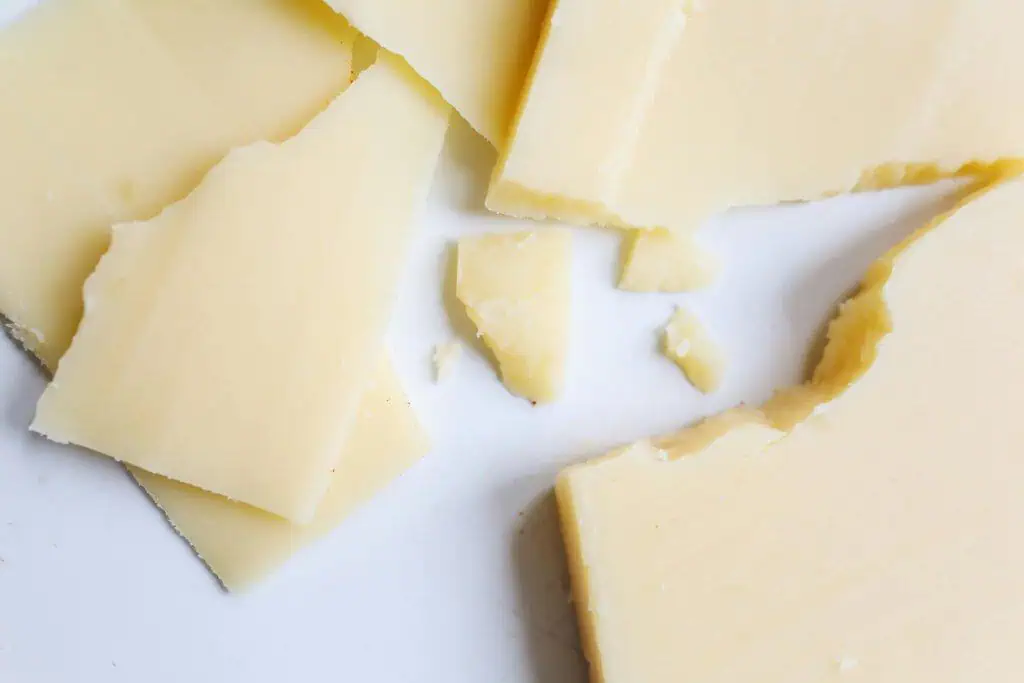
Real cheese gives off a rich, creamy, or tangy aroma depending on its type. In contrast, fake cheese smells flat, artificial, or sometimes slightly plastic-like. A strong chemical scent can indicate preservatives or non-dairy fats. Before tasting, give it a quick sniff. If the smell lacks depth or freshness, it is probably not genuine.
Feel the Texture

The texture of true cheese changes slightly with temperature. It should feel firm when cold but soften naturally at room temperature. Fake cheese often remains dense, rubbery, or waxy no matter the temperature. Slice it and press gently. If it bends rather than breaks and leaves an oily film, you are likely dealing with an imitation product.
Notice the Taste and Aftertaste

Real cheese has layered flavors that linger on the tongue, from sharp and nutty to creamy and salty. Fake cheese often tastes one-dimensional with an oily or artificial finish. Take a small bite and pay attention to how long the flavor lasts. Genuine cheese develops as you chew, while imitation versions fade quickly and leave a greasy residue.


