
10 Retro Drinks Americans Couldn’t Get Enough of in the 1960s

The 1960s were a defining era for American drink culture. Convenience, novelty, and visual flair mattered as much as taste. Powdered mixes, canned juices, and home bartending became symbols of modern living. Drinks were often sweet, colorful, and designed for sharing, reflecting a social culture centered on entertaining at home. Over time, health concerns, ingredient changes, and shifting preferences pushed many of these beverages out of daily rotation. These drinks weren’t occasional treats; they were everywhere, shaping how Americans drank throughout the decade.
Tang
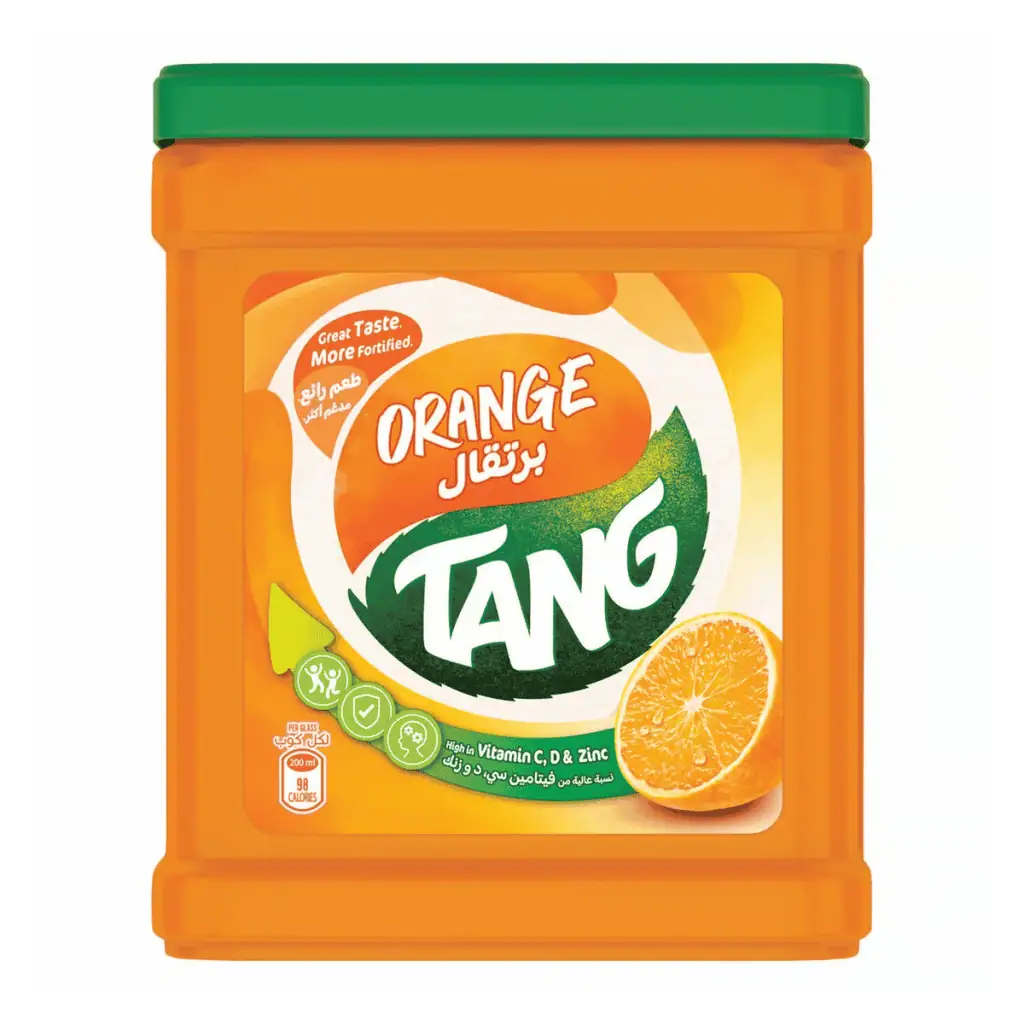
Tang became a household staple during the 1960s, especially after its association with the space program. Its bright orange color and powdered convenience made it feel futuristic and modern. Families embraced it as an easy alternative to fresh juice, especially at breakfast. Over time, changing attitudes toward artificial flavoring and sugar reduced its everyday appeal. While still remembered fondly, Tang no longer holds the same cultural dominance it once did.
Pink Lemonade

Pink lemonade surged in popularity during the 1960s because it felt festive and visually appealing. Served at parties, backyard gatherings, and family events, its color made it feel special even when the ingredients were simple. The drink symbolized a casual celebration. As tastes shifted toward less sweet beverages and natural flavors, pink lemonade faded from daily use, becoming more nostalgic than routine.
Cream Soda
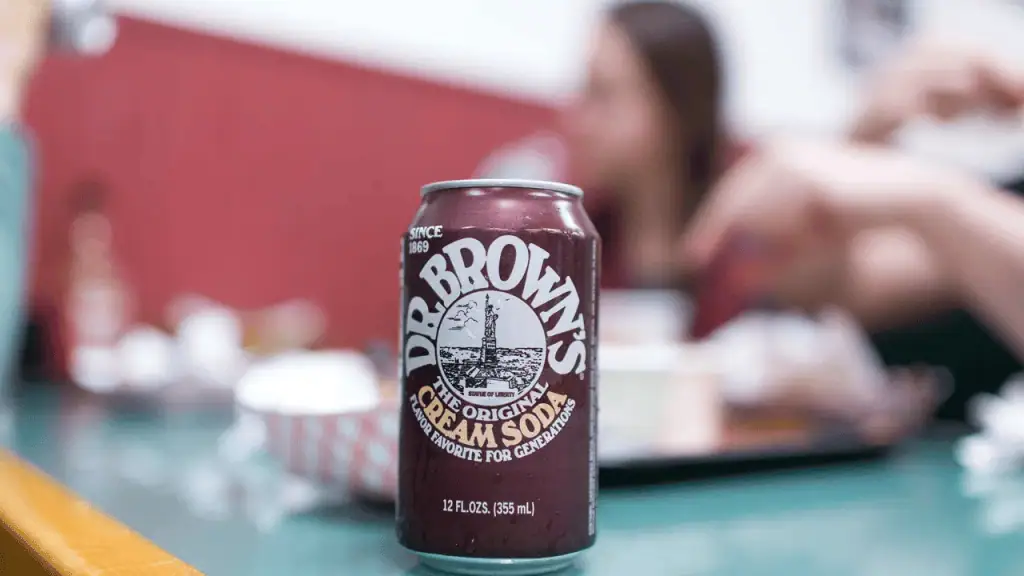
Cream soda thrived in the 1960s as a sweet, comforting alternative to cola. Its vanilla-forward flavor appealed to both kids and adults. Often enjoyed at diners or from glass bottles, it felt indulgent without being intense. As soda markets grew more crowded and health awareness increased, cream soda lost ground. Today, it’s remembered more as a throwback than a staple.
Milkshakes
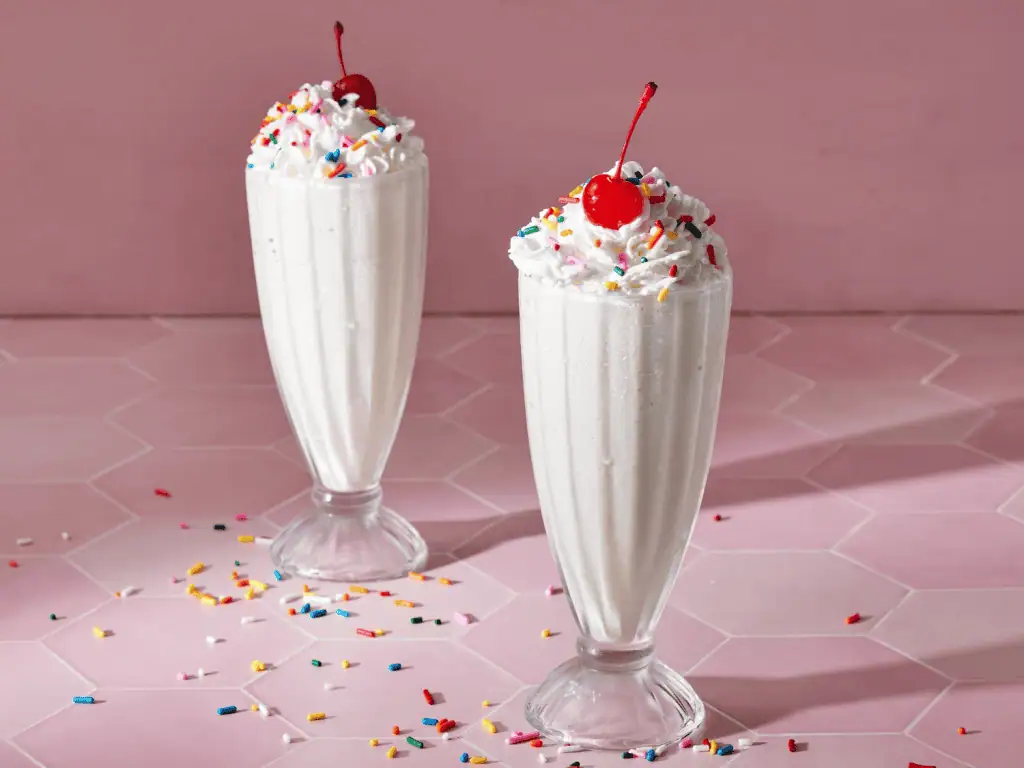
Milkshakes were a defining drink of 1960s American life, especially among teenagers. Thick, cold, and customizable, they turned drinking into an experience. Soda fountains and diners made milkshakes central to social life. As fast-food systems changed and dessert habits evolved, milkshakes became less dominant. Their cultural presence remains strong, but their everyday role has diminished.
Tom Collins

The Tom Collins was one of the most popular cocktails of the 1960s, valued for its light, refreshing profile. Served at home gatherings and lounges, it reflected a growing cocktail culture. Its simplicity made it approachable. Over time, cocktail trends shifted toward stronger, more complex drinks. The Tom Collins gradually faded from mainstream popularity despite its once-ubiquitous presence.
Brandy Alexander
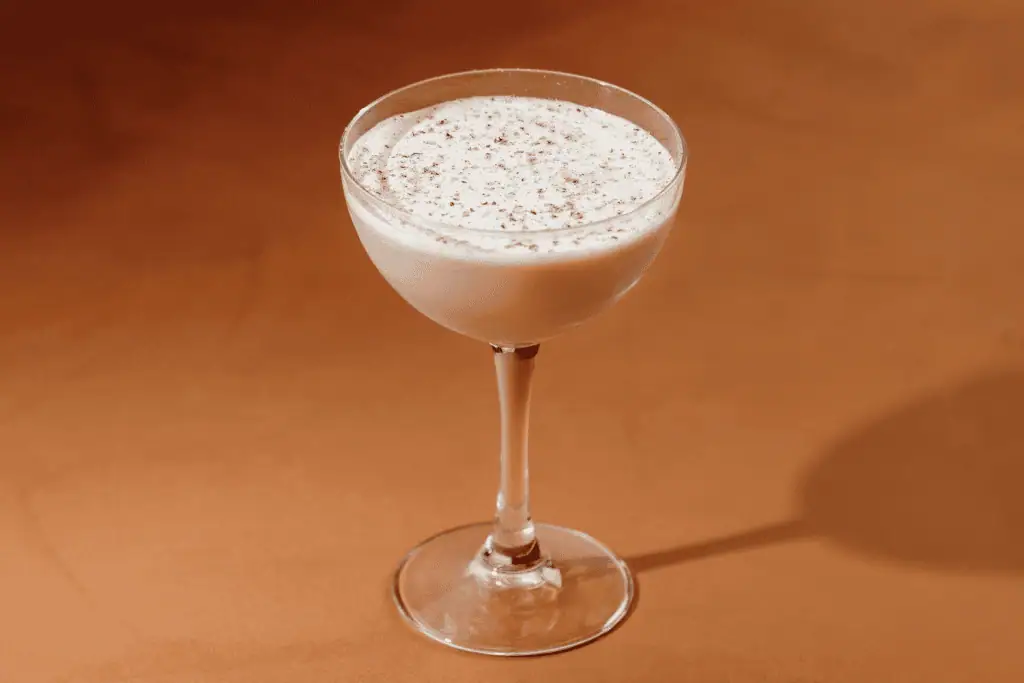
Brandy Alexander was a dessert-like cocktail favored during the 1960s for its creamy texture and sweetness. It was often served after dinner as a sign of sophistication. As tastes moved away from heavy cream-based drinks, it fell out of favor. Today, it’s largely remembered as a symbol of mid-century indulgence rather than a regular order.
Hawaiian Punch

Hawaiian Punch became wildly popular during the 1960s thanks to its tropical branding and bright red color. It felt exotic and fun, especially for children’s parties. Parents embraced its convenience, while kids loved the sweetness. Over time, concerns about sugar and artificial coloring reduced its everyday use. Its legacy remains tied to childhood memories of the era.
Club Soda with Citrus
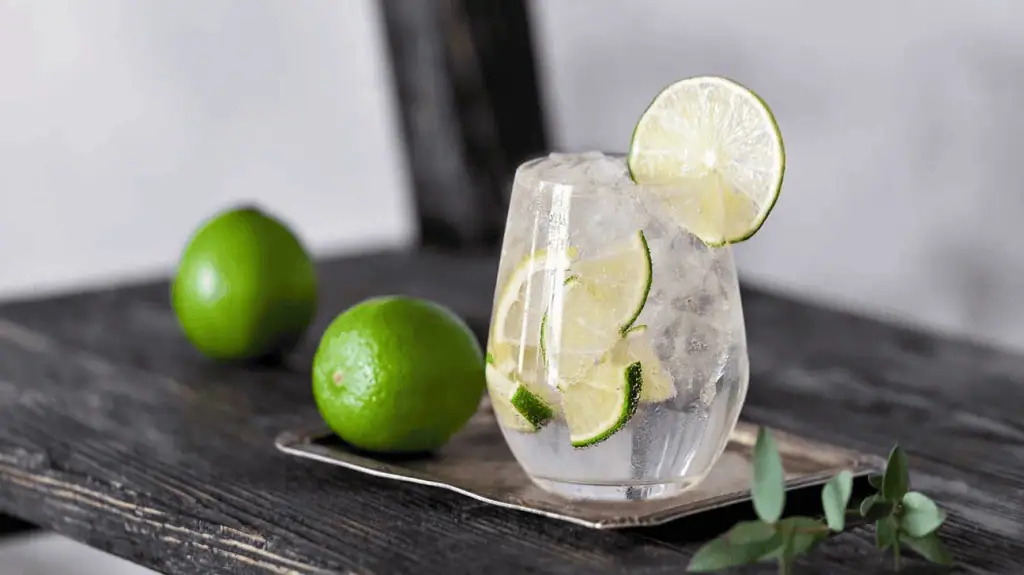
Simple combinations like club soda with lemon or lime were staples at 1960s gatherings. They offered a lighter alternative to sweet drinks and cocktails. This option fit an era when hosting at home was common. As bottled flavored waters and modern mixers emerged, these simple preparations became less visible, though they once defined casual sophistication.
Root Beer Floats

Root beer floats were a beloved treat during the 1960s, blending soda and ice cream into a single indulgent drink. They were common at diners and family gatherings. The novelty and sweetness made them memorable. As dessert habits changed and soda consumption declined, floats became less frequent. Today, they’re more nostalgic than common.
Instant Iced Tea Mixes
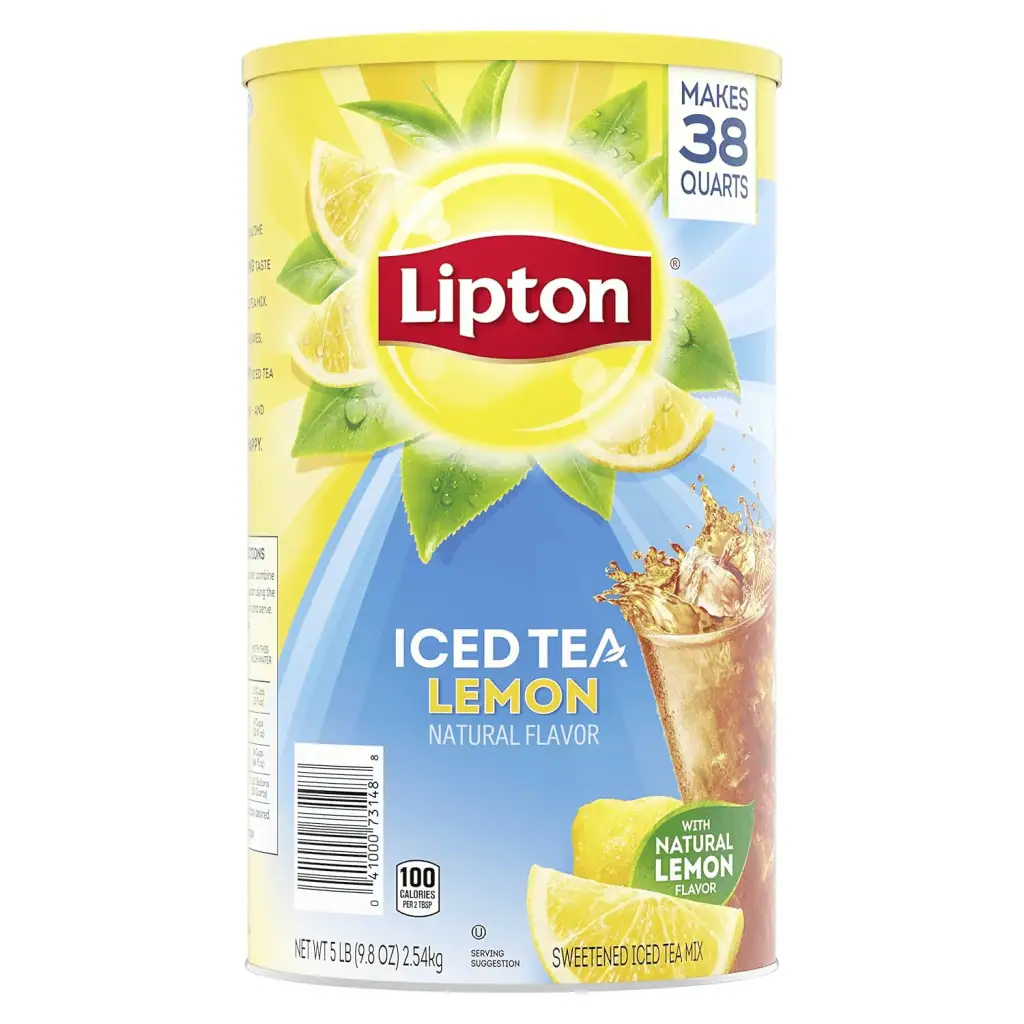
Powdered iced tea mixes became popular in the 1960s because they offered convenience and consistency. Families could prepare large quantities quickly, making them ideal for gatherings. The taste was predictable and mild. As preferences shifted toward freshly brewed beverages and less processed drinks, instant iced tea mixes lost their dominance, fading into retro status.


