
13 Classic Snacks and the Fascinating Stories Behind Them

Snacks have always been more than just quick bites; they carry a wealth of nostalgia, history, and cultural significance. From childhood lunchbox staples to treats that became global sensations, many of our favorite snacks have fascinating backstories. These tales reveal how creative ideas, smart marketing, and even accidents turned simple foods into iconic classics that generations still enjoy today.
Oreo Cookies
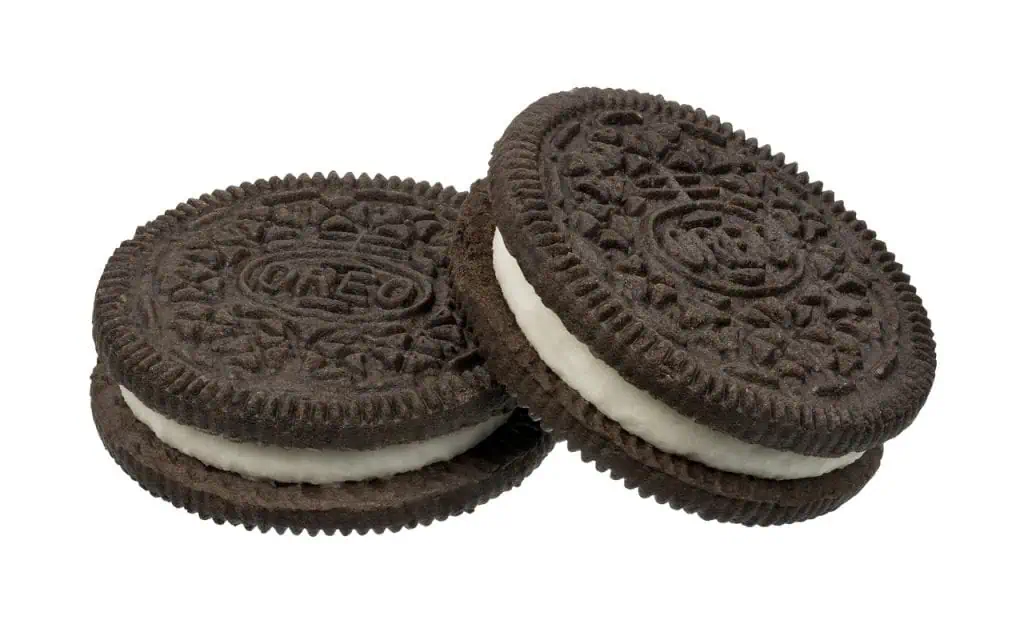
Oreo debuted in 1912 and quickly became America’s best-selling cookie. Its iconic “twist, lick, and dunk” ritual helped make it a cultural phenomenon. Originally competing with Hydrox cookies, Oreo overtook the market thanks to its creamy filling, clever advertising, and consistent taste. Over a century later, it has become an international brand with endless flavor variations, but the original remains the most loved.
Twinkies

First created in 1930, Twinkies were originally filled with banana cream. Due to World War II banana shortages, the filling was switched to vanilla, and it stuck. Known for their fluffy sponge cake and sweet filling, Twinkies became a symbol of American snack culture. Despite being discontinued briefly in 2012, public demand brought them back, proving their lasting place in snack history.
Cheetos
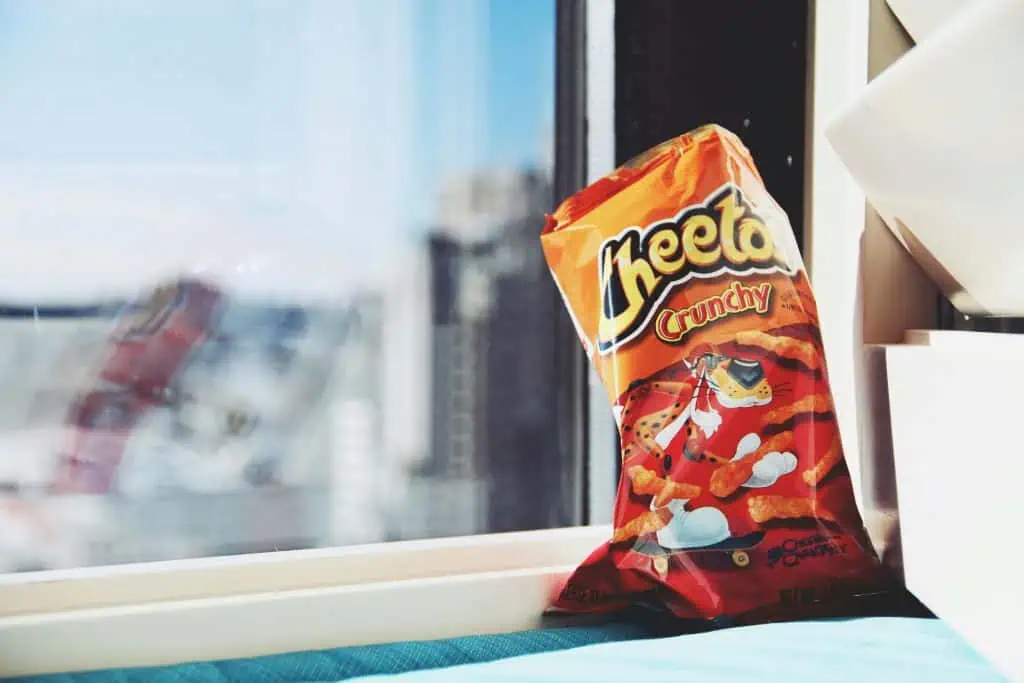
Cheetos were invented in 1948 when Frito Company founder Charles Elmer Doolin experimented with extruded cornmeal snacks. Their cheesy powder became their signature, giving rise to the term “Cheetle” for the orange dust left on fingers. Over the years, Cheetos have inspired entire product lines, including Flamin’ Hot Cheetos, which gained cult status and became a global snack phenomenon.
Kit Kat

Kit Kat bars first appeared in the UK in the 1930s as a convenient snack for workers. The name was inspired by a London club called Kit-Cat. Its catchy “Have a break, have a Kit Kat” slogan helped it grow into one of the world’s most recognizable candy bars. Today, Kit Kat flavors range from green tea in Japan to strawberry cheesecake, reflecting its worldwide popularity.
Doritos

Doritos were born in the 1960s at Disneyland, where surplus tortillas were cut up and fried as chips. Frito-Lay marketed them nationally, making them the first tortilla chips to gain mass popularity in the U.S. Their bold flavors, from Nacho Cheese to Cool Ranch, revolutionized snack aisles. Doritos also became tied to pop culture through Super Bowl ads, further cementing their legacy.
Hershey’s Kisses

Hershey’s Kisses, introduced in 1907, got their name from the sound the chocolate made when deposited onto the conveyor belt. Their distinctive foil wrapping and paper plume made them instantly recognizable. Despite their small size, Kisses became a symbol of sharing and affection, used for everything from holidays to wedding favors. Their timeless design has remained largely unchanged for over a century.
Pringles

Pringles launched in 1968 as a response to consumer complaints about greasy, broken chips. Their unique saddle shape and resealable can made them stand out. Developed using a potato-based dough, they offered uniformity and freshness that traditional chips lacked. While initially controversial for not being “real” potato chips, Pringles carved out a strong niche and are now sold in more than 140 countries.
Ritz Crackers

Ritz Crackers were introduced in 1934 during the Great Depression, with the name chosen to evoke a sense of luxury at an affordable price. Their buttery flavor and simple design quickly won over households. Ritz became a versatile snack, pairing easily with cheese, spreads, or dips. Nearly a century later, the red box and scalloped edges remain instantly recognizable symbols of comfort food.
M&M’s

Created in 1941, M&M’s were developed for soldiers in World War II who needed chocolate that wouldn’t melt easily. Their candy shell made them practical, and the slogan “Melts in your mouth, not in your hand” became iconic. Over time, M&M’s grew into one of the most successful candy brands, expanding into countless flavors, colors, and even spin-off products like ice cream and brownies.
Lay’s Potato Chips
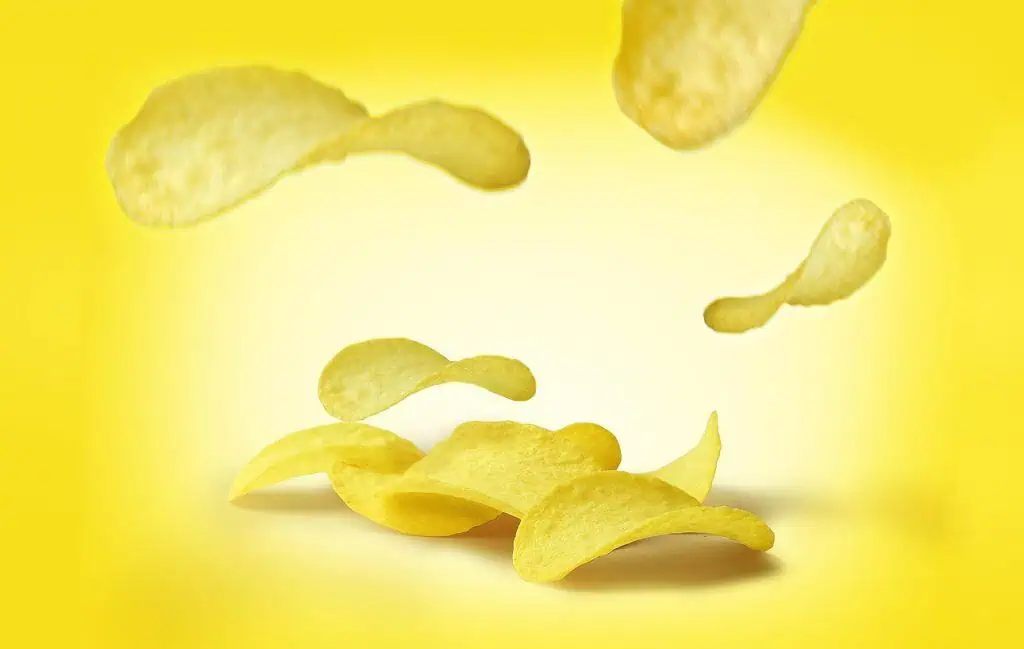
Lay’s became the first nationally marketed potato chip brand in the 1930s, promoted heavily by founder Herman Lay. With the catchy slogan “Betcha can’t eat just one,” the chips became a household favorite. Lay’s focus on consistency, mass distribution, and new flavor experiments has made it the world’s top selling chip brand, proving how a simple snack can grow into a global powerhouse.
Snickers

Introduced in 1930 by Mars, Snickers was named after the Mars family’s favorite horse. Its mix of nougat, caramel, peanuts, and chocolate created a filling candy bar that doubled as a quick meal substitute. The brand’s “You’re not you when you’re hungry” campaign turned it into more than just a snack, making Snickers one of the most recognizable candy bars across the globe.
Goldfish Crackers

Goldfish Crackers were created in Switzerland in 1958 as a birthday present from baker Oscar Kambly to his wife, who was a Pisces. Pepperidge Farm later brought them to the U.S., marketing them as “the snack that smiles back.” Their playful design and cheesy flavor helped them become a hit with children, and they remain a staple in American lunchboxes today.
Pop-Tarts

Pop-Tarts launched in 1964 as a convenient toaster pastry during America’s growing demand for quick breakfasts. Kellogg’s promoted them as a modern solution for busy families, and their frosted varieties became instant hits. While often debated for their nutrition, Pop-Tarts are a cultural icon, referenced in TV shows, music, and even political discussions, cementing their quirky place in American snack history.


