
12 Ways Frozen Foods Are Quietly Getting Healthier

Frozen foods used to carry a reputation for being overly processed and nutrient-poor, but the freezer aisle has changed dramatically in recent years. Companies are rethinking ingredients, packaging, and cooking methods to meet the demands of health-conscious shoppers. From cleaner labels to nutrient-packed options, frozen foods are proving they can be both convenient and good for you. Here are 12 ways they’re quietly getting healthier.
Cleaner Ingredient Lists
Many frozen food brands are removing artificial preservatives, flavors, and colors. Shoppers now find ingredient labels that are shorter, simpler, and easier to recognize. This shift allows frozen products to compete with fresh options while giving consumers more confidence in what they’re eating.
Lower Sodium Levels
Sodium has been a long-time concern in frozen meals, but companies are steadily cutting back. By using herbs, spices, and natural seasonings instead of excess salt, frozen entrees and snacks are becoming more balanced. The result is meals that taste flavorful without the health risks linked to high sodium intake.
More Whole Grains

Frozen pizzas, pastas, and breakfast foods are now often made with whole grains instead of refined flour. This adds fiber and nutrients that help with satiety and digestive health. From whole-wheat waffles to brown rice bowls, these options are making freezer staples more wholesome.
Plant-Based Options

The rise of plant-based eating has made its way into the freezer aisle. Burgers, sausages, and meat alternatives made from beans, soy, or pea protein are now widely available. These choices cater to vegetarians, vegans, and anyone looking to cut back on meat while still enjoying familiar flavors.
Better Portion Control
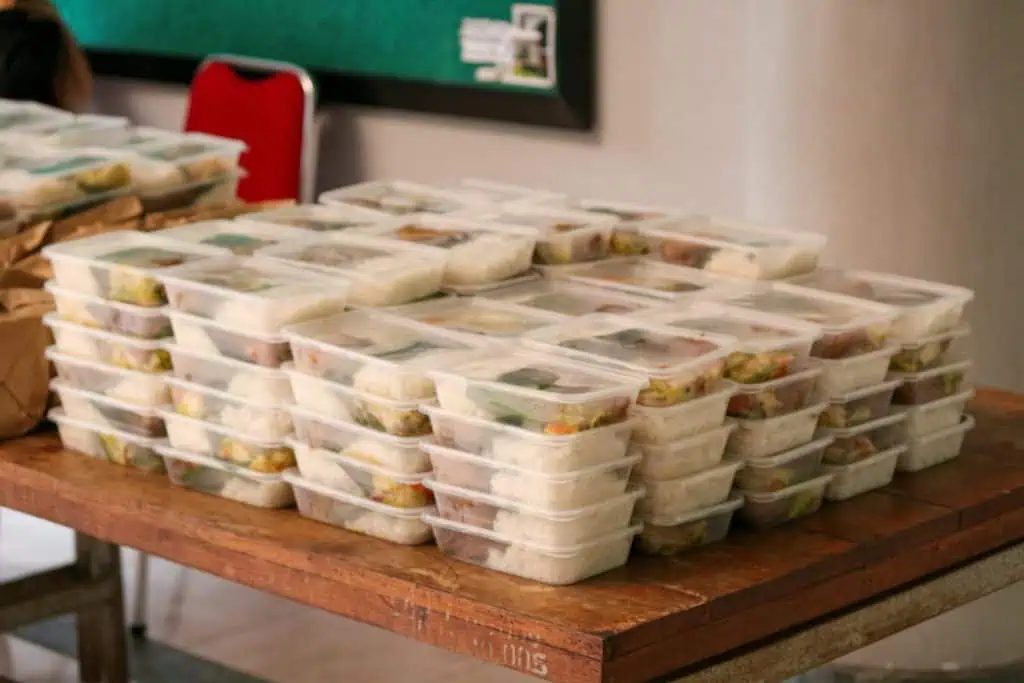
Frozen meals now come in more balanced portion sizes, helping reduce overeating. Smaller trays, snack-size portions, and family packs with clearly marked serving sizes make it easier for people to manage their calories. This update turns frozen food into a practical tool for portion awareness.
Higher Protein Meals
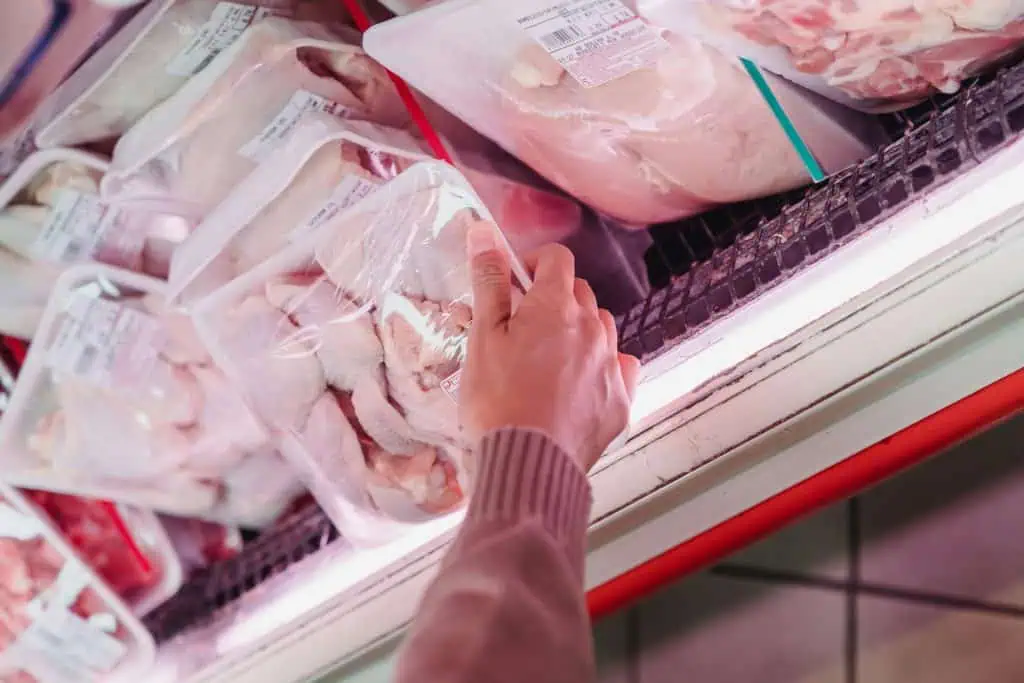
Frozen foods are increasingly designed with higher protein content to keep consumers full and energized. Options like protein-rich pastas, grain bowls, and meat- or plant-based entrees are becoming increasingly popular. This makes frozen meals more satisfying and useful for busy lifestyles.
Less Added Sugar
Desserts, breakfast foods, and snacks from the freezer aisle are being reformulated with less sugar. Natural sweeteners, fruit purees, and smaller portion sizes help reduce sugar intake without sacrificing taste. It’s part of a broader shift toward aligning frozen treats with modern nutrition goals.
Organic Choices
Organic frozen fruits, vegetables, and even prepared meals are now more widely available. These products give consumers the benefits of organic farming, like fewer pesticides, while also being affordable and long-lasting. For families wanting organic diets, frozen options are expanding accessibility.
Global Flavors with Healthy Twists

Frozen foods now include dishes inspired by international cuisines that are made with fresher, healthier ingredients. From grain-based Buddha bowls to Mediterranean vegetable mixes, the freezer aisle reflects cultural diversity while keeping meals nutritious.
Smaller Environmental Footprint

Some brands are adopting eco-friendly packaging and sourcing practices, aligning health with sustainability. Compostable trays, recyclable packaging, and responsibly sourced ingredients mean shoppers can feel better about what they’re buying, both for themselves and the planet.
Flash-Frozen Nutrient Retention
Modern freezing technology preserves nutrients better than ever. Fruits and vegetables are flash-frozen shortly after harvest, locking in vitamins and minerals that might otherwise degrade. This makes frozen produce as nutritious, sometimes even more so, than fresh options transported long distances.
Free-From Options

Frozen foods now offer more allergen-friendly choices, from gluten-free pizzas to dairy-free desserts. These products cater to people with specific dietary needs without compromising taste. The freezer aisle is evolving into a space where almost everyone can find something that suits their health and lifestyle.


