
13 Most Common Food Allergies-and the Best Substitutes

Food allergies affect many, requiring awareness and adaptation in the kitchen. Substitutes enable delicious, safe meals for those with dietary restrictions. Understanding key alternatives can transform how we approach cooking and baking. This guide covers the 13 most common allergens and suggests reliable substitutes, focusing on texture, taste, and functionality, ensuring that flavor and enjoyment are not compromised.
Milk Alternatives: Lactose-Free Living
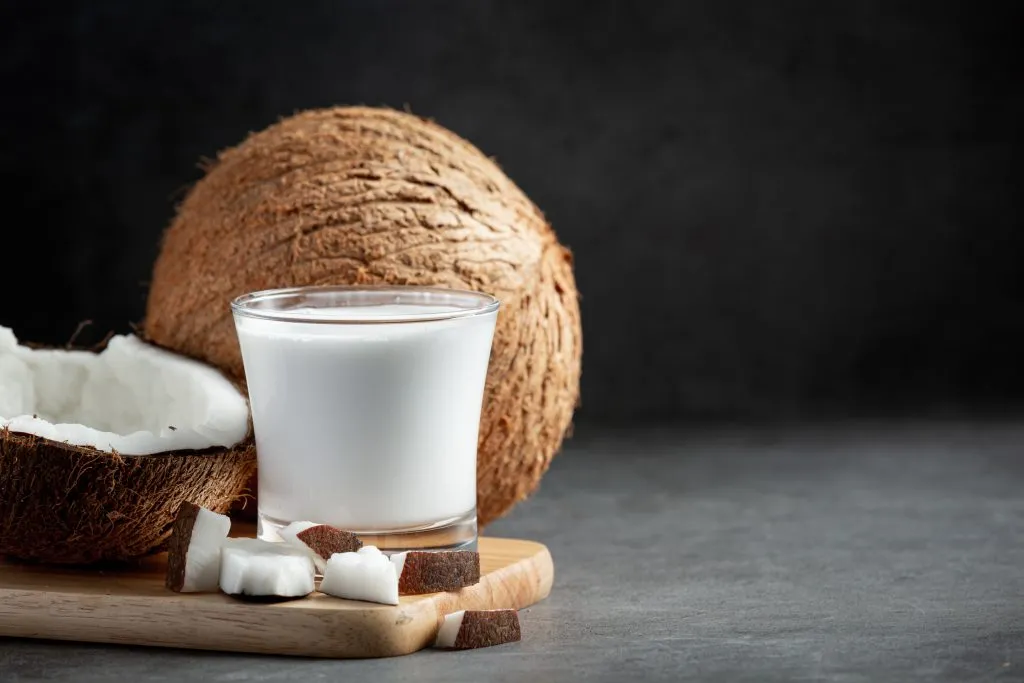
Substituting milk starts with understanding the role it plays in recipes—whether for baking, creaminess, or moisture. Almond milk, oat milk, and coconut milk each offer unique flavors and textures. Almond milk provides a nutty undertone, suitable for baked goods and coffee. Oat milk's creamy consistency works well in sauces and soups. Coconut milk imparts a rich, tropical vibe, ideal for curries and desserts. Choose fortified options for added nutrients and adjust ratios based on desired thickness.
Egg Replacements: Baking Sans Eggs
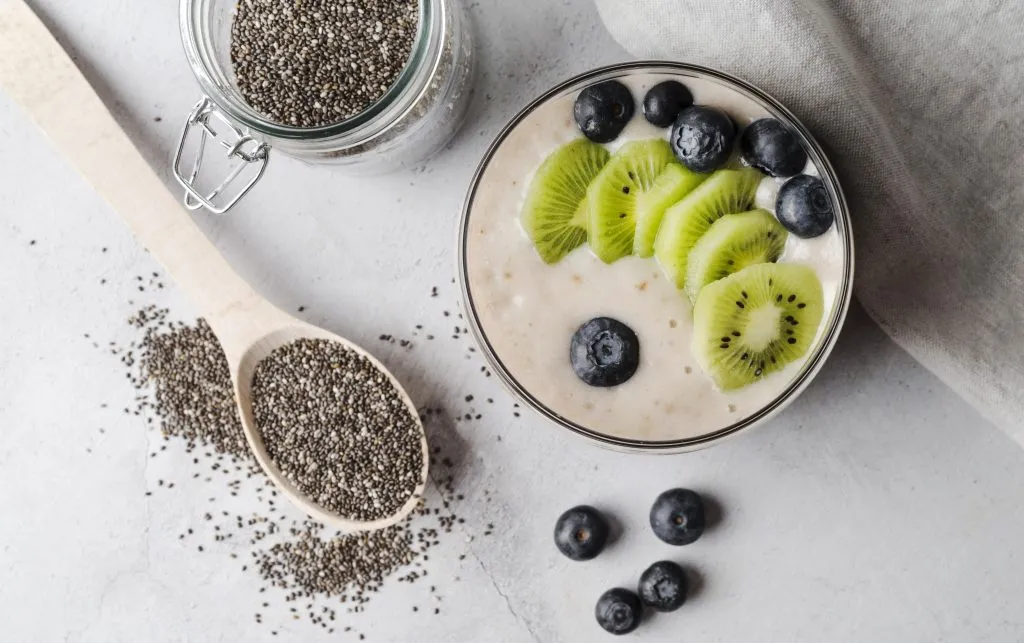
Eggs contribute to binding, leavening, and moisture. Effective replacements depend on the recipe’s need. For binding, try a flaxseed meal mixed with water; its gelatinous texture mimics egg whites. Use applesauce or mashed bananas for moisture in cakes and muffins—these add subtle sweetness and density. For leavening, a combination of baking soda and vinegar can replicate eggs' rising abilities, particularly in pancakes or quick breads. Adjust spices to balance out fruity notes if desired.
Peanuts: Nut-free Snacking Options
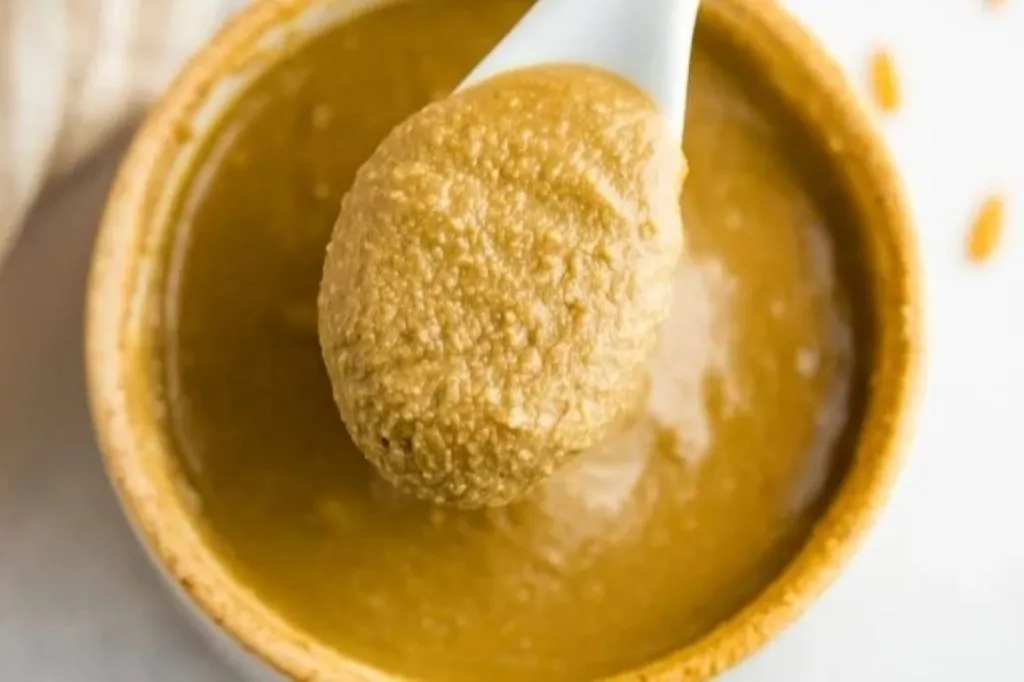
Peanuts, a common allergen, can be replaced with seeds that offer similar nutrients. Sunflower seed butter provides a creamy spread option, with a slightly sweet flavor that's perfect for sandwiches and baking. Pumpkin seeds, toasted, add crunch and a nutty essence to salads and granola. For snacking, try chickpeas roasted with spices, offering a satisfying, protein-rich alternative. Experiment with spice blends to create an exciting flavor profile without the risk.
Tree Nuts: Tasty Nut-Free Choices
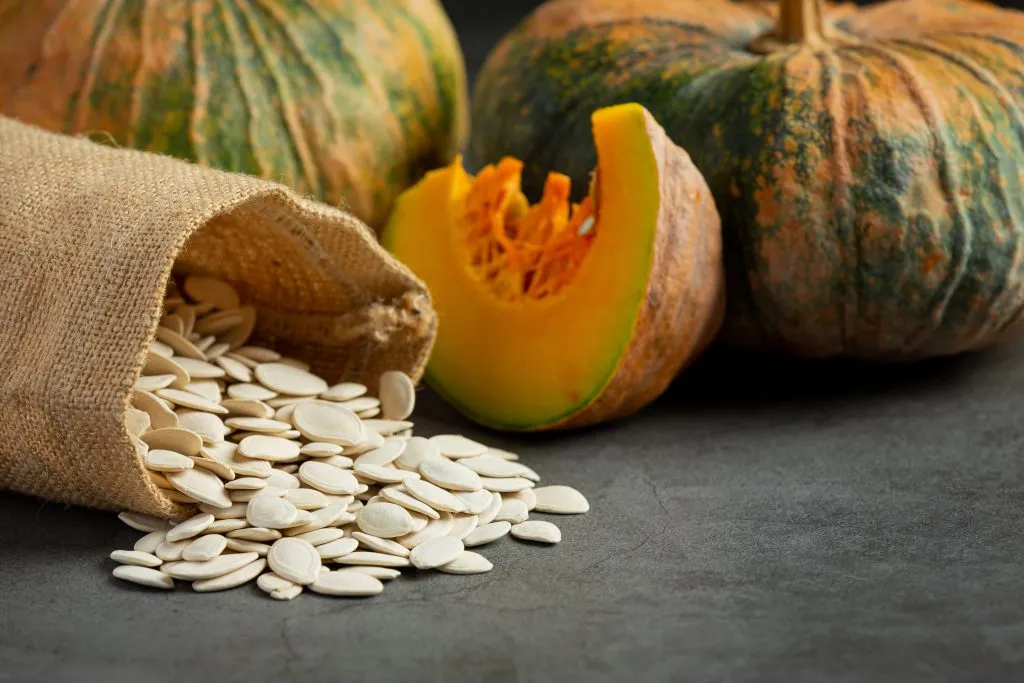
Tree nuts, shared widely in diets, can be swapped out for seeds and legumes. Hemp seeds, with their mild, nutty flavor, work well in pestos and smoothies, adding essential fatty acids. Use tahini, a sesame seed paste, for a creamy texture in dressings and dips. For baking, sunflower seeds can be ground into flour, providing the density needed for muffins and cookies. Roasted chickpeas can substitute for textural crunch in salads without altering the dish's essence.
Soy: Navigating a Soy-Free Diet

Soy is a prevalent ingredient in many cuisines, but allergies necessitate careful substitutions. Tamari, a wheat-free soy sauce alternative, can still pose issues. Coconut aminos serve as a flavorful substitute with a slightly sweeter profile. When replacing tofu, consider chickpea-based tofu, rich in protein and fiber. Edamame alternatives like green peas or broad beans work well for salads or stir-fries. Always enhance your dishes with umami-rich ingredients like mushrooms or seaweeds to mimic soy's depth.
Wheat: Exploring Grain-Free Grains
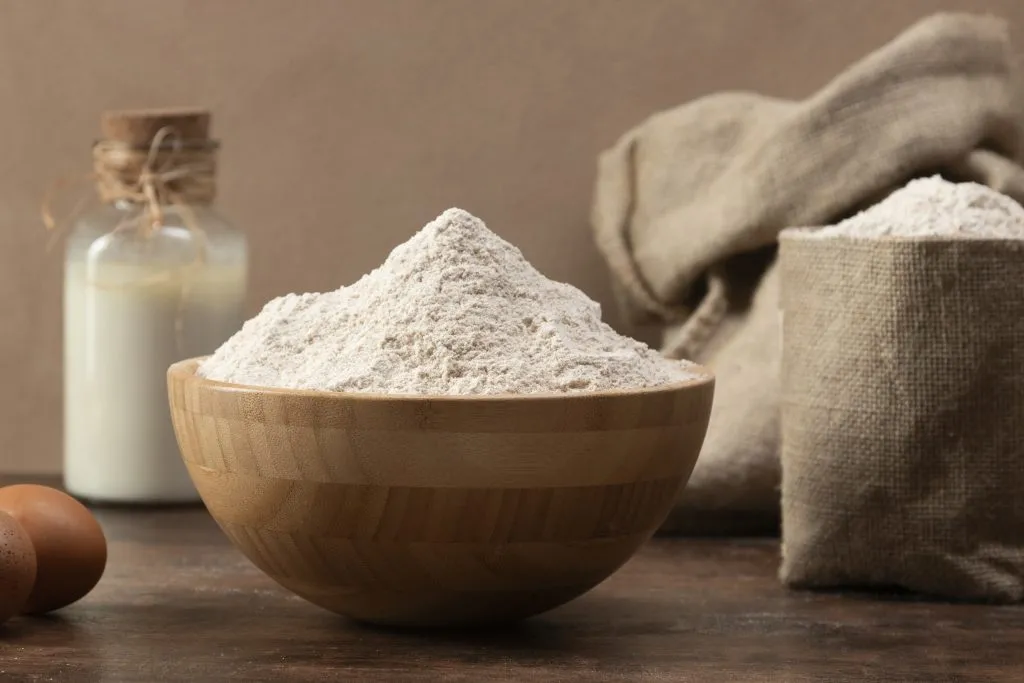
Finding wheat alternatives is vital not just for those with allergies, but also for those seeking diversity. Almond and coconut flours provide excellent moisture-binding properties and a nutty flavor. For more robust textures, experiment with buckwheat or quinoa flour. These alternatives hold up well in both baking and savory dishes. For pasta, spiralized vegetables or rice noodles are effective. The key is balancing flavors and textures to enhance the eating experience without compromising it.
Fish: Plant-Based Ocean Flavors

For those who need to avoid fish, creating ocean-like flavors can be achieved with the right ingredients. Nori and seaweed bring the briny essence of the sea. Heart of palm or jackfruit can imitate the flaky texture of fish, particularly in dishes like tacos or ‘crab' cakes. Adding a hint of lemon and capers can evoke the zest and tang found in many fish recipes. Embrace smoked paprika or liquid smoke for depth without the fish.
Shellfish: Seafood-Free Delicacies

Crafting a shellfish-free dish that appeals to seafood lovers starts with innovative replacements. Hearts of palm and artichokes provide a tender, shellfish-like texture. Seaweed, particularly dulse, imparts that desired marine flavor. Precise seasoning with garlic, onion, and a splash of white wine will elevate the dish's complexity. For a creamy take, coconut milk or cashew cream can mimic traditional seafood bisques, while smoked sea salt adds the umami punch.
Sesame: Spice Up Without Sesame
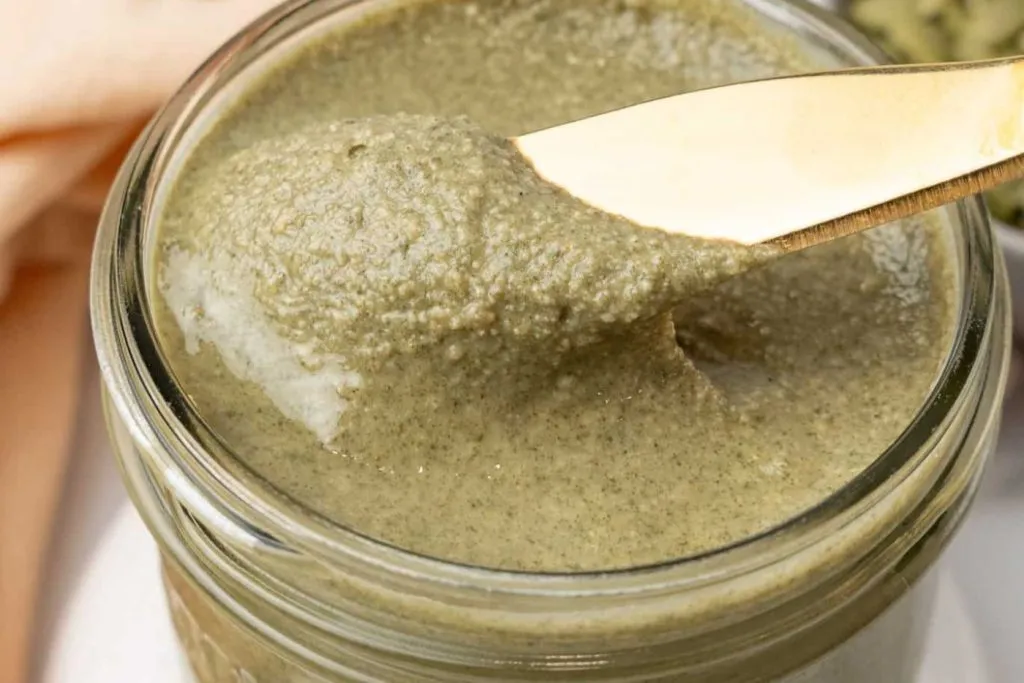
Avoiding sesame requires inventive ingredient swaps to retain flavor. Sunflower seeds or tahini can be replaced with pumpkin seed butter for a similar creamy texture. Toasted flaxseeds offer a nutty taste akin to sesame. For hummus or dressings, blend olive oil, garlic, and lemon for richness without sesame. Incorporate spices like cumin or sumac to add layers of flavor, creating dishes that are aromatic and satisfying without sesame's signature presence.
Mustard: Flavorful Mustard Substitutes
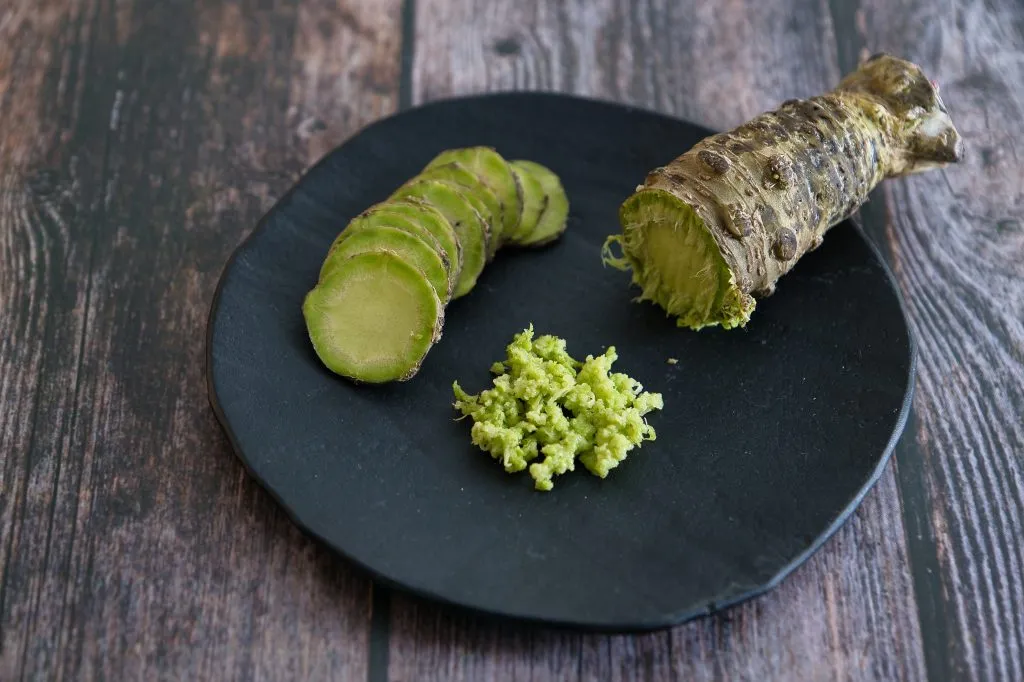
For those avoiding mustard, achieving a similar tangy zest can be found in several alternatives. Horseradish delivers a pungent kick, suitable for sauces and marinades. For a less intense option, turmeric provides warmth and earthiness, while a touch of vinegar replicates mustard’s acidity. Combine yogurt or sour cream with these ingredients to create a mellow base for dressings and spreads. Adjust quantities to taste, ensuring balance and harmony in your dishes. Each substitute offers a new avenue to explore flavor, enhancing your culinary repertoire without compromising quality.
Gluten: Embracing Gluten-Free Living

Transitioning to a gluten-free diet opens doors to diverse grains and flours. Amaranth and quinoa are nutrient-rich options, perfect for salads and sides. For baking, experiment with almond flour or coconut flour—both provide unique textures and flavors. To mimic traditional flour's binding properties, incorporate xanthan gum or psyllium husk in your recipes. These substitutes require a delicate touch and precise measurements for best results, which is pivotal to achieving both structure and taste in gluten-free cooking.
Corn: Sweet and Savory Substitutes

When sidestepping corn, alternatives abound to satisfy both sweet and savory cravings. Arrowroot or tapioca can replace cornstarch for thickening soups and sauces. Swap cornmeal with rice flour for crisp coatings, or Masa Harina for corn tortilla enthusiasts. Liquid sweet options like agave nectar or maple syrup stand in for corn syrup, with adjustments to sweetness levels for balance. These substitutions not only maintain the integrity of your dishes but also offer subtle flavor variations that enhance overall dining experiences.
Sulfites: Enjoying Sulfite-Free Meals
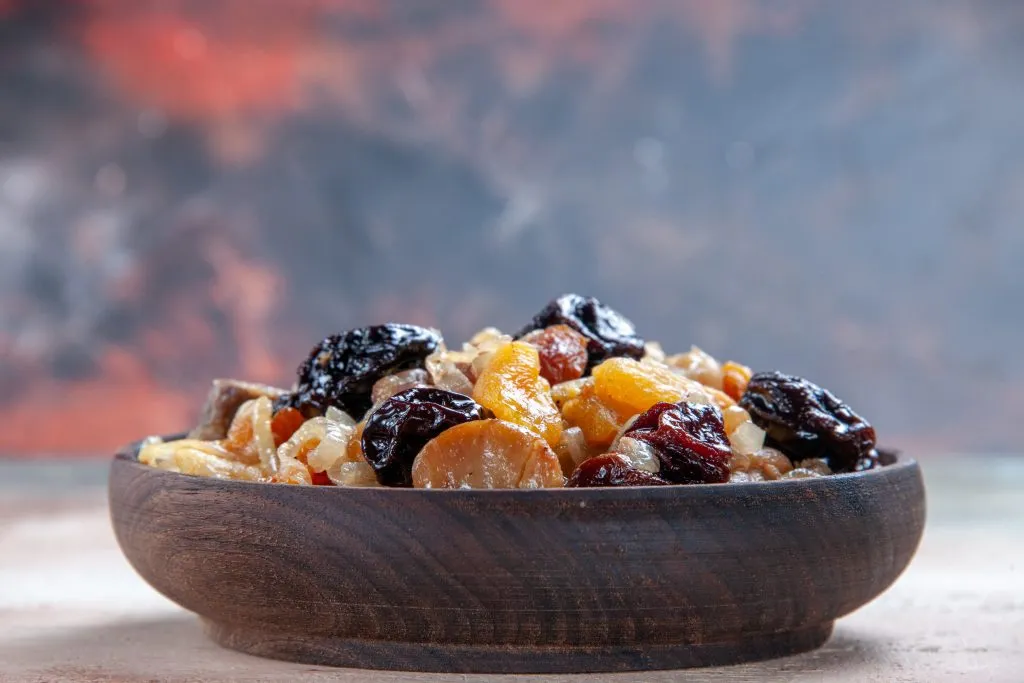
Sulfite-free cooking demands fresh ingredients and minimal chemical preservation. Swap dried fruits with fresh or frozen counterparts to naturally sweeten recipes. Opt for homemade stocks and dressings, steering clear of commercial offerings often containing sulfites. For wines, look for organic or sulfite-free labels to complement your meal. By emphasizing fresh herbs, citrus, and spices for seasoning, you invite vibrant flavors that honor both health and taste, ensuring an enriched culinary journey without sulfite-related concerns.


