
The Protein Puzzle: How Factory-Farmed Meat Redefined Our Plates and Our Health

Our culinary landscape has been reshaped by factory-farmed meat, offering both convenience and complexity. The shift from traditional farming to large-scale production has transformed how we perceive protein, it's more accessible, yet it carries hidden costs. As consumers, it's vital to navigate these changes with a keen eye, understanding the implications for both our plates and our health.
From Pastures to Production Lines

The evolution from pastoral farming to industrial production has been rapid. Traditional methods once emphasized sustainable practices and animal welfare. Today, efficiency drives the process, with animals raised in confined environments to maximize output. Understanding this transition is key, as it impacts everything from meat texture to nutrient profiles, altering what we consume daily.
Meat for the Masses: Affordable Protein
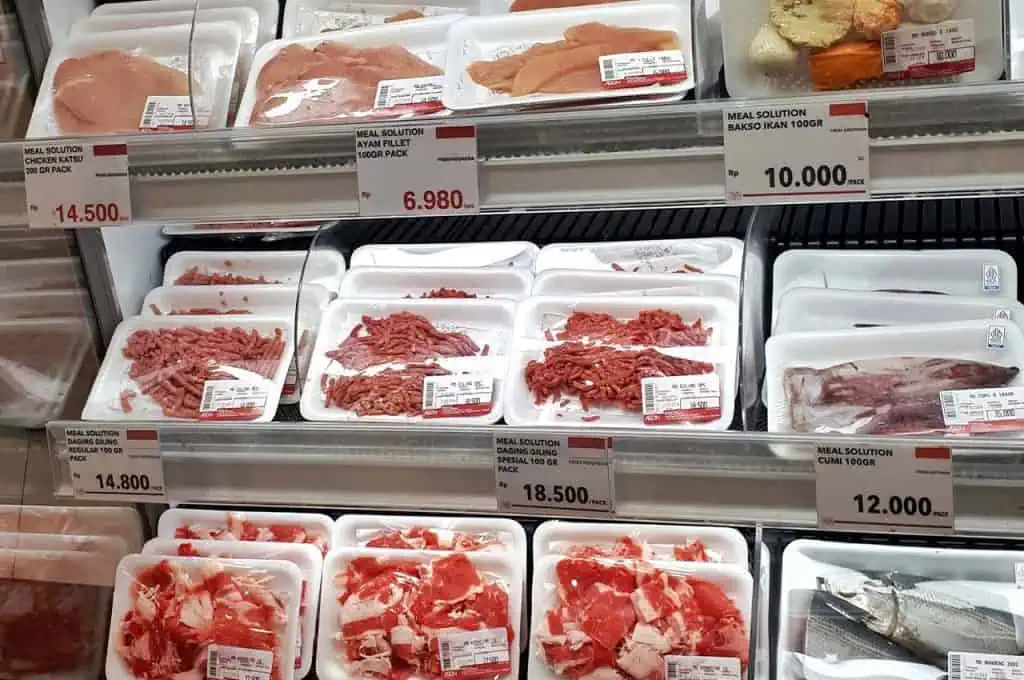
The affordability of factory-farmed meat has made protein accessible to more households worldwide. Economies of scale allow for lower costs, placing meat within reach of various budgets. While this democratization of protein is beneficial, it's important to balance cost with considerations of source and sustainability, ensuring the choices we make align with our values.
The Flavor Trade-Off: Quality vs. Efficiency

Mass production often results in a compromise between flavor and efficiency. Factory-farmed meat may lack the depth of taste found in traditionally reared options. Techniques like marinating and slow-cooking can enhance flavor, but awareness of this trade-off encourages consideration of alternative sources. Selecting cuts wisely and exploring varied recipes can ensure satisfying meals.
Health at Stake: Antibiotics and Risks
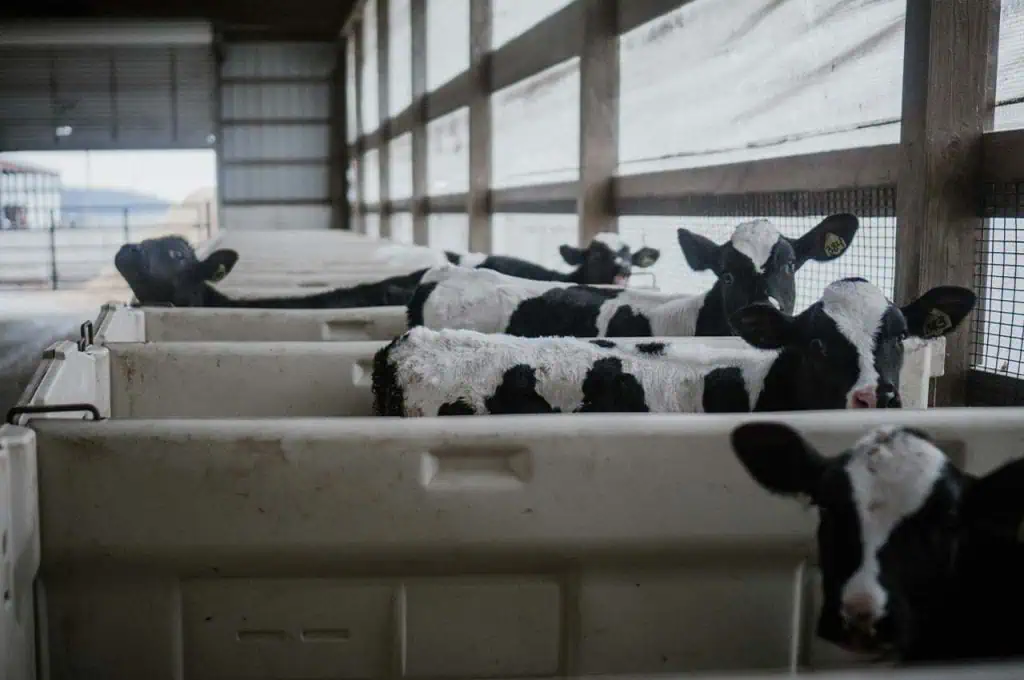
The use of antibiotics in factory farming raises health concerns. These practices aim to prevent disease in crowded conditions but can lead to antibiotic resistance, a global health threat. Consumers should be mindful of sourcing meats free from such additives, opting for organic or responsibly raised options when possible to safeguard not just taste, but well-being.
Environmental Fallout: Hidden Costs of Meat

The environmental impact of factory-farmed meat is profound, affecting everything from deforestation to carbon emissions. The sheer scale of animal agriculture demands vast areas of land and immense water resources. This leads to habitat destruction and contributes significantly to greenhouse gas emissions. Methane from livestock and manure pits intensify climate change, creating a high ecological footprint. Understanding these hidden costs helps us reconsider consumption patterns, urging a shift toward more sustainable practices that mitigate damage to our planet.
Cultural Shifts: Meat as the Main Dish

Historically, meat became the centerpiece of Western dining due to its association with status and wealth. This cultural shift was cemented by industrial farming, which made meat more accessible and affordable. As a result, meals often revolve around a protein-heavy main course, overshadowing vegetables and grains. This trend influences dietary habits, prompting higher meat consumption. Reflecting on these changes encourages a balanced approach to meal composition, integrating a variety of plant-based ingredients for nutritional diversity and holistic health.
The Protein Debate: Future of Alternatives

As awareness of meat's impact grows, interest in alternative proteins has increased. Options like plant-based or lab-grown proteins offer nutritional benefits while reducing environmental pressures. These substitutes often have lower greenhouse gas emissions and require less land and water. Exploring these alternatives involves understanding their preparation methods, such as ensuring adequate protein profiles and enhancing flavor through seasoning. This transformation promises a sustainable future deliciously enriched by innovation, catering to evolving dietary needs and ecological consciousness.


