
6 Ways Americans Eat While Traveling That Europeans Find Hard to Understand

American eating habits while traveling often puzzle European onlookers due to differing culinary customs. These habits reflect convenience and a unique approach to dining that prioritizes accessibility. Understanding how Americans eat on the road offers insights into cultural differences that affect meal choices and dining experiences. The divergence is most evident in how meals are consumed, the temperature of beverages, and the choice to snack frequently. Each practice showcases a distinctive blend of efficiency and preference that often contrasts sharply with European norms.
Walking Meals: The Art of Eating on the Go

Eating while walking is a common American practice that emphasizes efficiency and flexibility in travel schedules. Whether it's a sandwich from a deli or a salad in a portable container, these meals are designed for quick consumption. The key to a successful walking meal is preparation – think finger foods, minimal utensils, and packaging that prevents spills. For Europeans, who typically favor seated dining experiences, the sight of someone briskly walking while eating can seem rushed. Yet, for Americans, it’s a practical solution for maximizing time and exploring more during their travels.
Ice, Ice Baby: The Cold Drink Phenomenon
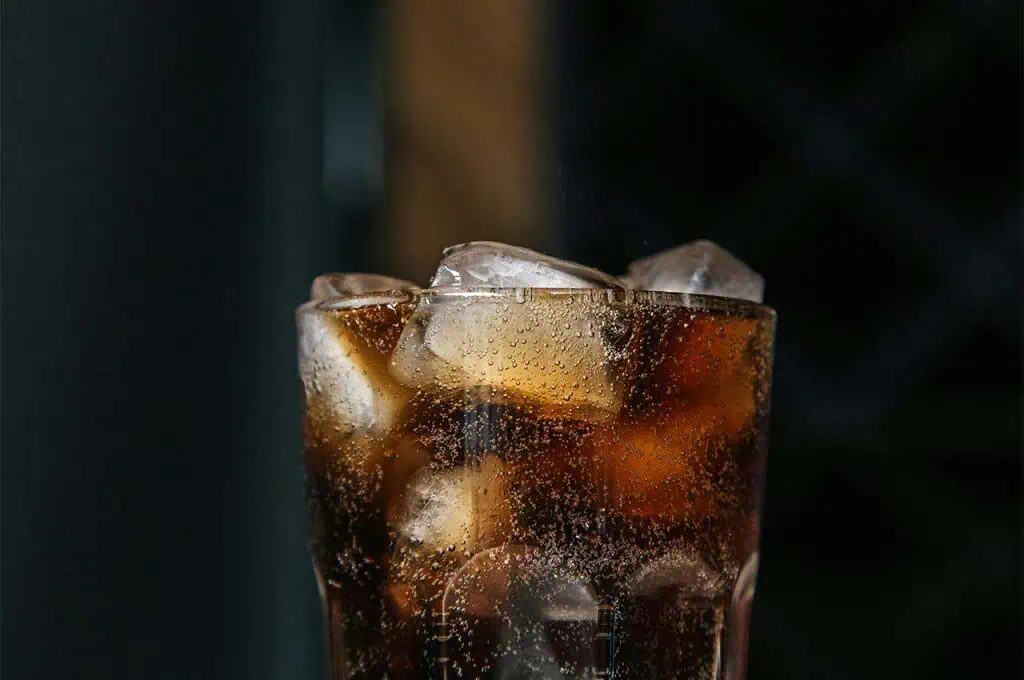
Ordering beverages with ice, regardless of the weather, is an American staple that often raises eyebrows in Europe, where room temperature drinks are standard. Ice-cold drinks provide instant refreshment and complement fast-paced travel. For Americans, the tactile crunch of ice adds an enjoyable texture, while for Europeans, it may dilute the drink's flavor. Adjusting to local customs, travelers can request fewer cubes or embrace the chill, discovering a refreshing way to stay hydrated on the go. This simple variation in drink preferences highlights deeper cultural nuances in dining habits.
Doggy Bags: Ordering ‘To Go' After Dining
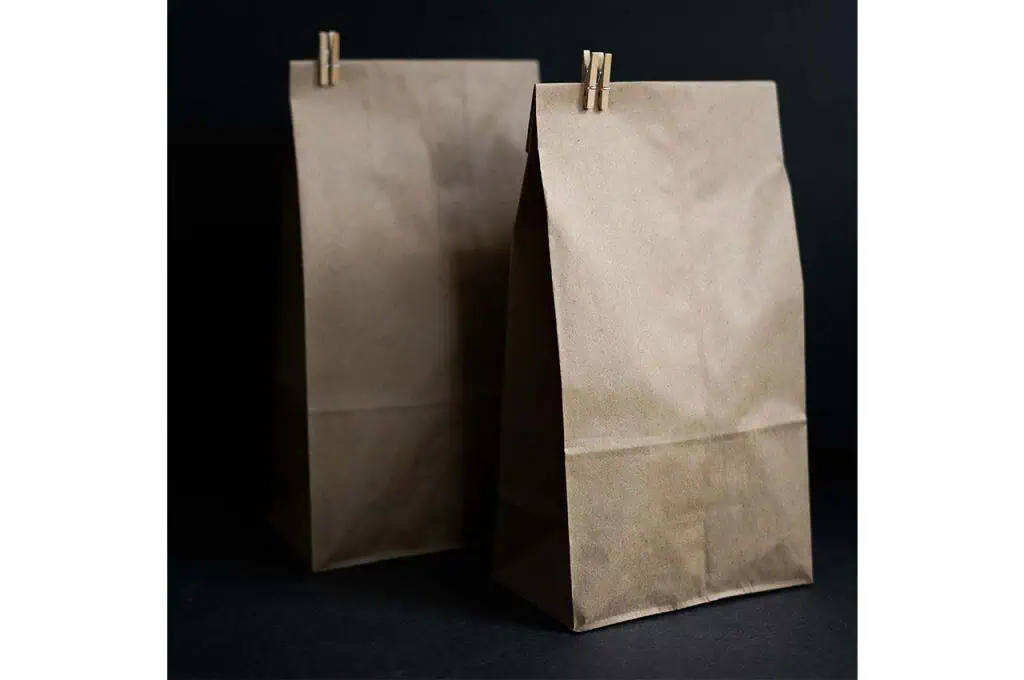
Americans often take unfinished meals “to go,” a practice less common in Europe where portions are typically tailored to ensure complete consumption in one sitting. This habit reflects a no-waste mentality and values the practicality of enjoying leftovers later. Whether it's an extra entrée or half a dessert, the doggy bag provides a convenient way to savor flavors beyond a single meal. Embracing this option requires attention to packaging – sufficiently sealing containers to preserve freshness. For travelers, mastering the art of portion control and storage becomes part of the dining experience.
Snack Attack: Embracing Constant Cravings

The American penchant for frequent snacking contrasts with more structured meal times in Europe. Snacks range from protein bars to fruit slices, all chosen for portability and immediate satisfaction. This habit caters to maintaining energy levels throughout long travel days and accommodates unpredictable schedules. Emphasis is on choosing nutrient-dense options that don’t require refrigeration. For those accustomed to defined meal breaks, integrating snacks into daily routine can offer flexibility and continual fuel. Understanding snack culture offers American travelers comfort and sustenance between larger meals, enhancing the overall travel experience.
Early Birds: Dining Before Sunset

Traveling Americans often dine before sunset, a habit driven by early dinner schedules back home. This tendency can puzzle Europeans who view dining as a leisurely evening affair. For Americans, eating early often means avoiding crowds and enjoying quieter, less rushed experiences. While in Europe, try adjusting dinner times to align with local customs. This can not only enhance the cultural experience but also allow for fresher menu options that are timed with the peak dinner service. Explore a pre-dinner aperitivo to bridge the gap and align with the pacing of local evenings.
Fast Food Frenzy: A Travel Must-Have
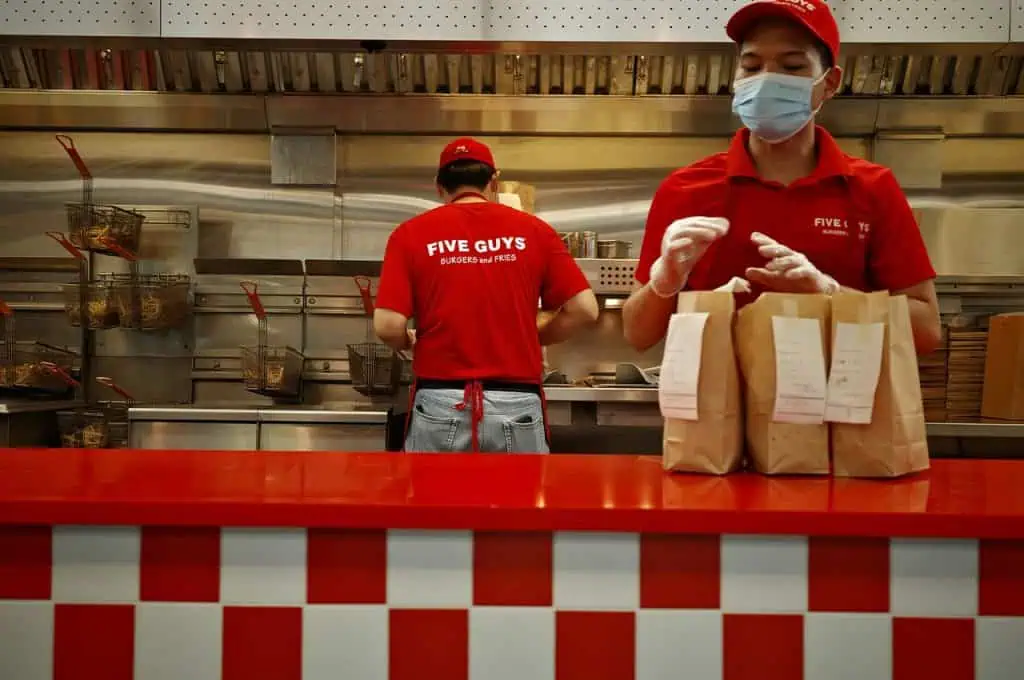
Fast food is a staple for many Americans traveling abroad, offering familiar tastes and quick service. Europeans might find this surprising, as they often prioritize longer, sit-down meals, even when on the go. Fast food's appeal lies in its convenience, especially during busy travel schedules. For those wishing to experience genuine local flavors, consider a compromise: seek out regional adaptations of fast food items, which can reveal local culinary twists while maintaining the quick service travelers appreciate. This approach allows for a taste of authenticity without sacrificing time efficiency.


