
10 Ways Restaurants May Be Ripping You Off

Eating out can be a treat, but not every restaurant has your best interests at heart. Behind the warm ambiance and tempting menus, some spots use sneaky tactics that leave you paying more for less. From portion tricks to menu psychology, these strategies are designed to maximize profit while keeping you unaware. Knowing the common red flags helps you enjoy dining out without falling for hidden rip-offs.
Shrinking Portions with Steady Prices

One of the most common tricks restaurants use is quietly reducing portion sizes while keeping menu prices the same, or even raising them slightly. Diners often don’t notice a smaller steak, fewer fries, or a lighter pasta bowl until it becomes a pattern. This tactic, known as “shrinkflation,” maximizes profit margins while making you feel like you’re still getting the same meal.
Menu Tricks That Nudge You Toward Costly Dishes
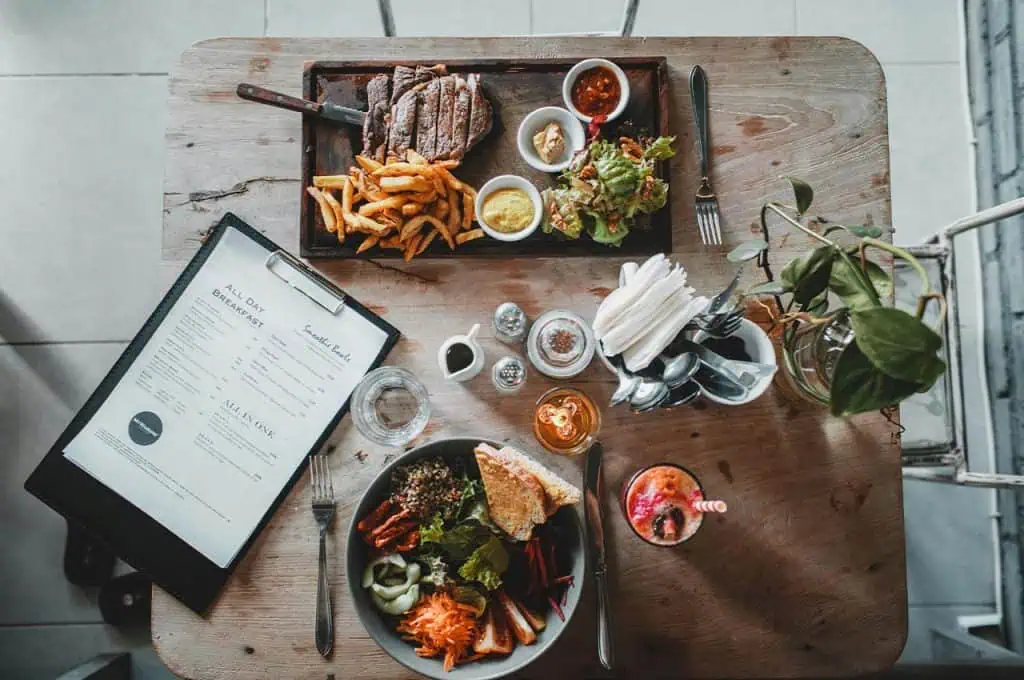
Restaurant menus are carefully designed with psychology in mind. From placing high-margin items at eye level to using tempting descriptions like “chef’s favorite” or “house specialty,” menus are crafted to guide you toward pricier options. Even removing the currency sign can make you less conscious of spending, turning a simple dinner into a more expensive check.
Overcharging for “Specials” That Aren’t Special
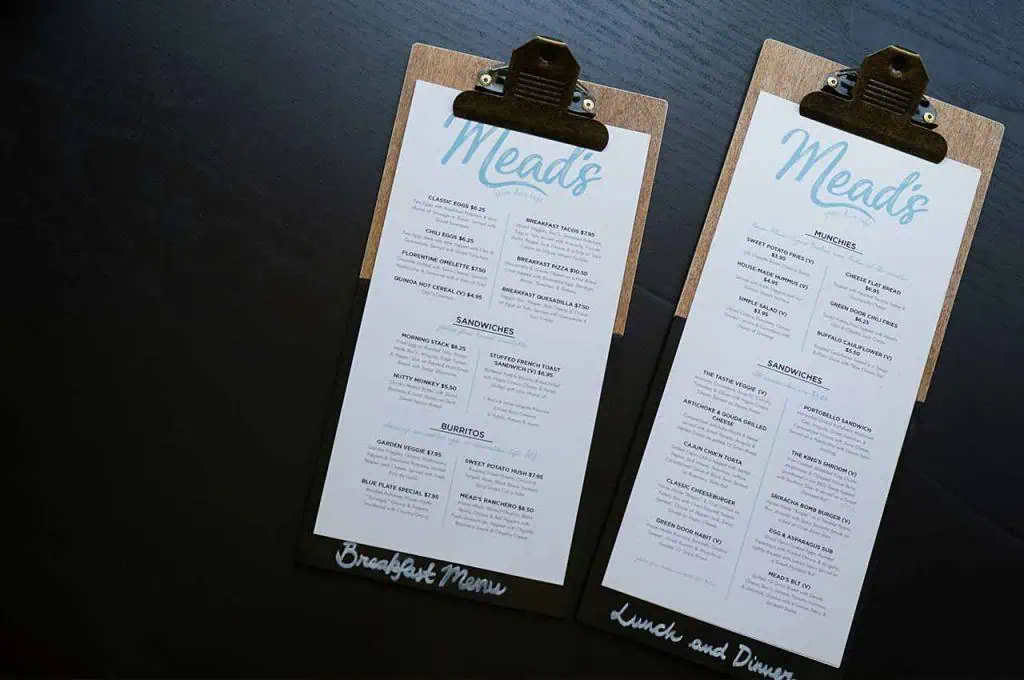
Daily “specials” often sound exclusive, but they can be a clever way to upsell dishes made with ingredients the kitchen needs to move quickly. These items are sometimes more expensive than regular menu options, even if the quality isn’t better. What’s marketed as a unique creation might actually be yesterday’s leftovers repackaged at a premium price.
Inflated Drink Markups and Tiny Glasses
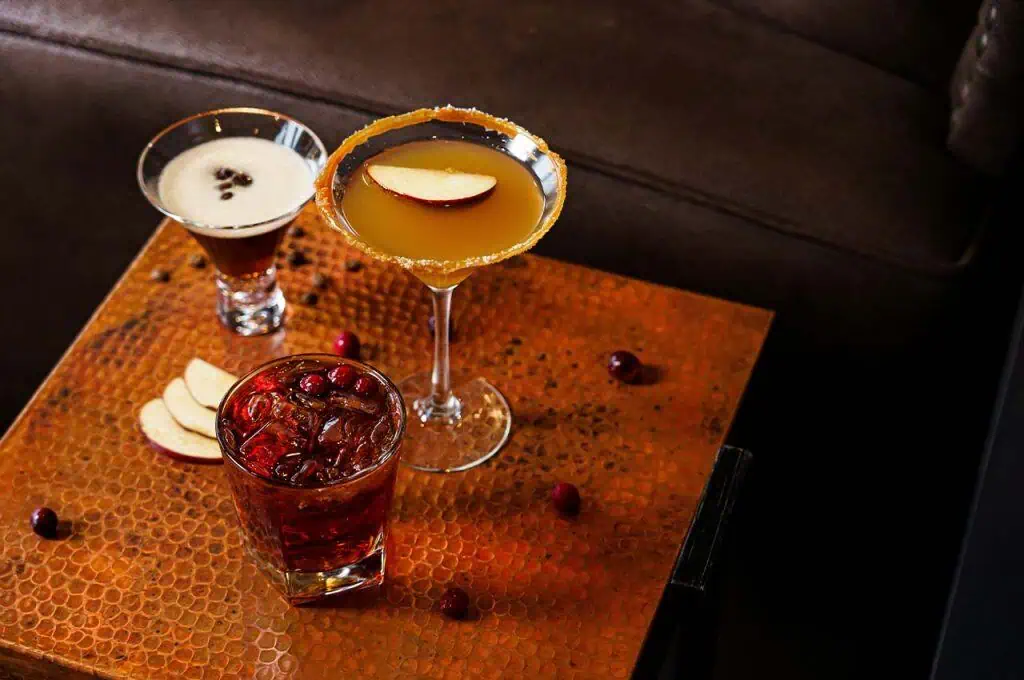
Alcohol is one of the biggest profit drivers for restaurants, with wines, cocktails, and even soft drinks often marked up several times over retail cost. On top of that, drinks may be served in smaller glasses filled with extra ice, giving the illusion of a full pour. The result? You pay top dollar for less actual liquid while boosting the restaurant’s margins.
Automatic Service Charges Disguised as Tips
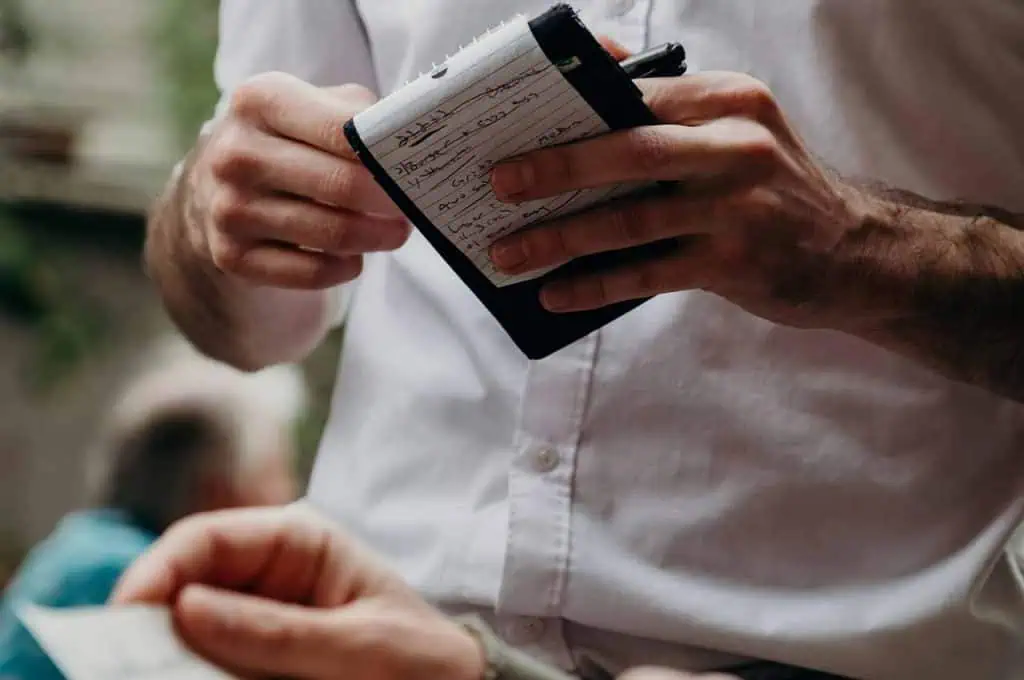
Some restaurants tack on service charges, sometimes 15 to 20 percent, without making it clear to customers. This can lead diners to unknowingly add an extra tip on top of what’s already included. While service charges are legal in many places, they’re often presented in ways that confuse guests, leaving you paying more than you intended.
Cheap Ingredients Passed Off as Premium
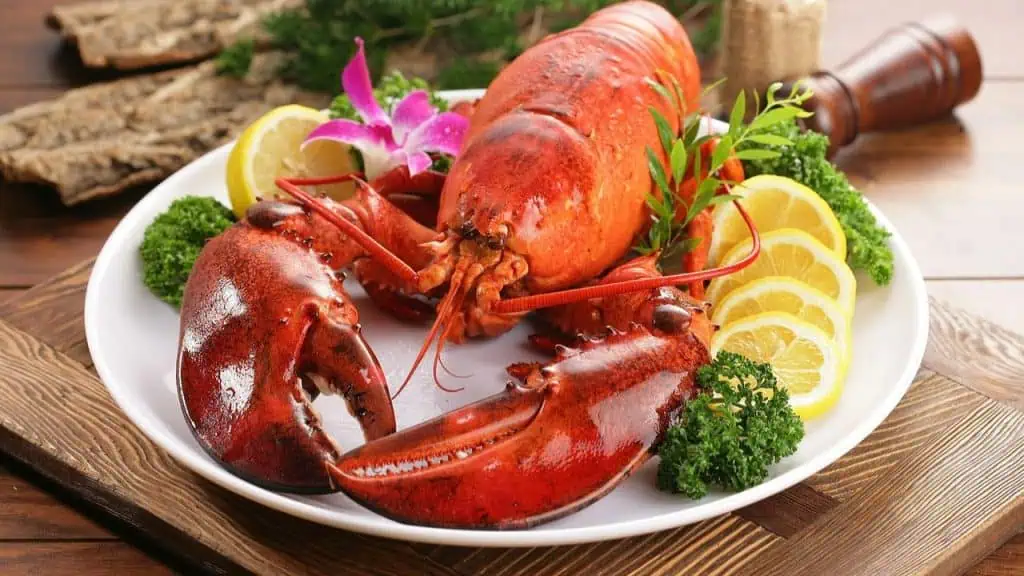
Some restaurants advertise “truffle oil,” “lobster,” or “Kobe beef,” but what arrives on the plate may be a cheaper substitute. Synthetic truffle oil often replaces real truffle, imitation crab stands in for lobster, and lower-grade beef masquerades as something special. Without knowing the difference, diners end up paying gourmet prices for bargain-bin ingredients cleverly disguised as luxury.
Sides and Add-Ons That Quickly Add Up

A main course may seem affordable, but the real costs often come from extras like sides, sauces, or toppings. Charging several dollars for fries, bread, or a scoop of guacamole is a common tactic to boost the bill. These add-ons may cost the restaurant pennies but can easily inflate your total check by 20–30 percent without you realizing it.
Recycled Bread, Sauces, or Garnishes
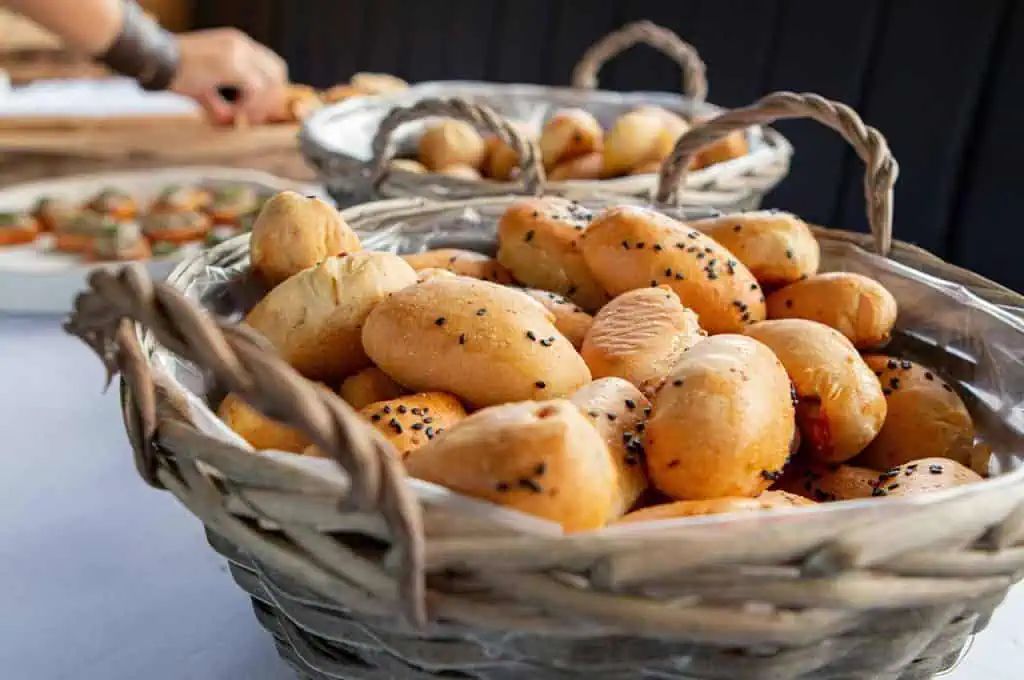
That breadbasket you didn’t touch might not go in the trash, it could go back to another table. Similarly, unused sauces or garnishes sometimes get recycled to cut costs. While not always unsafe, this practice is unhygienic and reveals how some establishments prioritize profit over freshness. It’s a hidden way restaurants save money at your expense.
Paying for Ambiance More Than the Food

Trendy lighting, Instagram-worthy decor, and stylish tableware may wow you, but often the food doesn’t match the high prices. Some restaurants bank on atmosphere to justify inflated costs, serving mediocre dishes in a glamorous setting. In these cases, you’re essentially paying for the vibe, not the value of what’s on your plate.
Confusing Fees Hidden in the Final Bill

Beyond food and drinks, restaurants sometimes slip in charges like “kitchen appreciation fees,” “wellness surcharges,” or vague service costs. These unexpected line items can add several dollars per person and leave diners scratching their heads. With fees buried in fine print, you may end up paying far more than the menu led you to expect.


