
Why Crunchy Snacks Feel So Irresistible

Crunchy snacks hold a distinct allure due to their unique combination of sound, texture, and flavor. The satisfying sensation of foods like potato chips or crispy crackers when bitten into, paired with their rich taste, provides a multisensory experience that seems to capture our attention. Understanding the reasons these foods entice us involves exploring the intriguing intersections of psychology, neuroscience, and evolutionary biology.
The Mysterious Pull of the Perfect Crunch

The allure of the perfect crunch lies in the texture and auditory feedback it provides, offering a sense of immediate gratification. This crispness is achieved through specific cooking techniques like frying or baking, which create a delicate, brittle texture. These methods cause moisture to evaporate, forming a crust that shatters pleasingly upon contact. Such sensations trigger emotional responses, playing a significant role in our ongoing desire for crunchy snacks.
Your Brain on Dopamine Overload

When biting into a crunchy snack, the brain reacts by releasing dopamine, a neurotransmitter associated with pleasure and reward. This chemical response makes crunchy foods particularly captivating, reinforcing the desire to indulge repeatedly. The combination of the physical experience of eating with a biological need for dopamine hits creates a cycle where the brain actively seeks out these foods for repeated gratification.
The Sound Science Behind Our Craving

The auditory experience of eating crunchy foods amplifies their appeal through a process known as ‘sonic enhancement of flavor.' Sounds play an important role in our perception of food quality, and the distinct crackling noise of a crisp snack can alter our perception of its freshness and appeal. This phenomenon is studied under ‘psychoacoustics,' where sound directly influences how we taste, enhancing the enjoyment and reinforcing cravings.
Evolutionary Tricks Gone Wrong

Our evolutionary past has predisposed us to seek out high-calorie, energy-dense foods, which often includes those with crunchy textures. This preference may have been advantageous when food was scarce, but in today's world of abundance, it can lead to overindulgence. Understanding these primal urges highlights the importance of mindful eating, encouraging us to enjoy these snacks with awareness rather than out of habitual compulsion.
The Mouthfeel Manipulation

The allure of crunchy snacks lies significantly in their mouthfeel—a sensory experience that combines sound and texture in harmony. When we bite into something crunchy, the sound waves stimulate pleasure centers in our brains, enhancing satisfaction. Snacks like crisps and crackers are designed to deliver a consistent, crisp texture that resonates with our innate preference for variety in texture. Understanding this, you can experiment by adding toasted nuts or seeds to salads for an elevated crunch that contrasts beautifully with softer elements.
The Forty-Thousand-Dollar Crunch Research

Food companies invest heavily in perfecting the crunch, sometimes spending thousands on research for the ideal texture. This pursuit of perfection involves specialized equipment to measure parameters like brittleness and fracture dynamics. By analyzing these factors, manufacturers replicate desirable textures that evoke satisfaction. Home cooks can apply similar principles by varying cooking methods—try baking potato slices at high heat for a perfect crisp or balancing moisture levels during preparation to optimize that satisfying snap.
When Reward Systems Go Haywire

Our brains are wired to seek rewards, and crunchy snacks expertly exploit this mechanism. The immediate gratification from their texture triggers dopamine release, reinforcing the habit of reaching for that next chip or cracker. Being aware of this effect allows you to engineer your own snacks that satisfy without overindulgence. Consider making air-popped popcorn seasoned with nutritional yeast or lightly roasted chickpeas, offering a satisfying crunch with nutritional benefits, harnessing neuroscience for healthier snacking patterns.
The Marketing Machine Behind Your Munchies

The irresistible draw of crunchy snacks isn't merely accidental; it's the result of strategic marketing that emphasizes texture. Advertisements often focus on auditory cues, like that first crunch, to entice consumers. This is supported by packaging that maintains freshness and enlivens consumption through sensory anticipation. As a home cook, recognize the power of presentation. Serving crostini with a vibrant dip or highlighting the crispness of freshly baked baguettes through an inviting display can elevate the sensory appeal of your snacks.
The Laboratory-Designed Flavor Trap
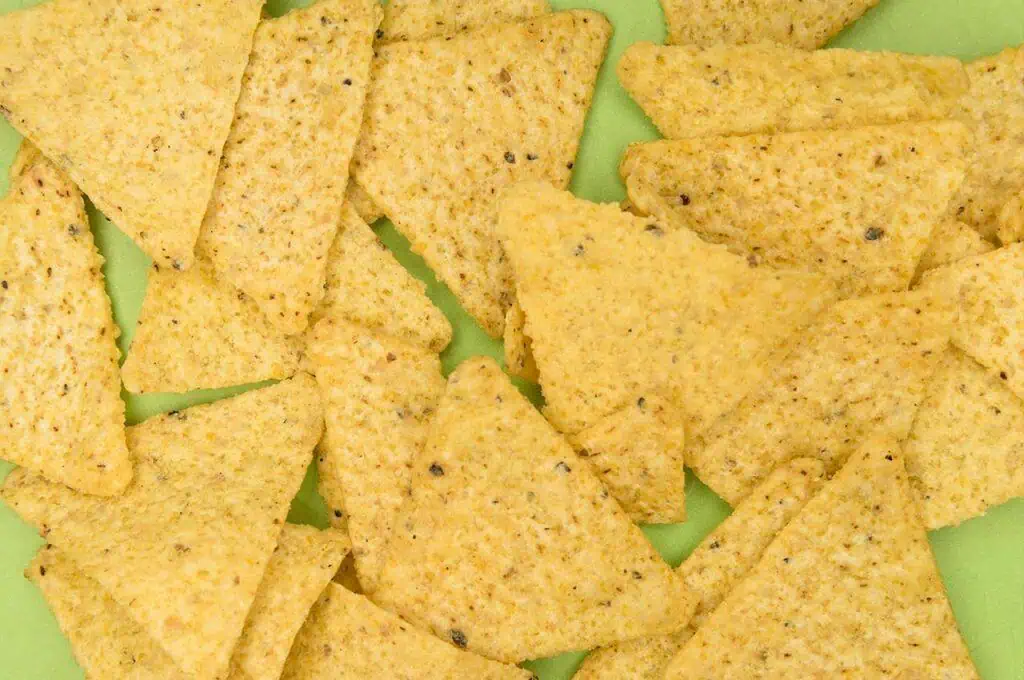
Crunchy snacks frequently incorporate a scientifically designed balance of salt, fat, and sugar, engineered to enhance flavor and create a “flavor trap” that keeps you reaching for more. This calculated balance capitalizes on our innate cravings, often leading to overconsumption. As a conscious cook, you can counteract this by experimenting with homemade seasoning blends. Use smoked paprika, cumin, or fresh herbs to season roasted vegetables or nuts, achieving a fulfilling crunch with a tailored taste profile that satisfies without excess.
Fighting Back Against Food Engineering

Food engineers have crafted snacks that captivate through meticulously designed textures and flavors. To reclaim homemade snacking, focus on simple, wholesome ingredients and traditional preparation techniques. Begin by identifying natural ingredients that deliver desired crunch, think nuts, seeds, and whole grains. Try roasting chickpeas or making kale chips to achieve satisfying textures without additives. Mastering these techniques not only enhances taste but also provides control over salt and sugar levels, ensuring healthier alternatives to engineered snacks.


