
A Deep Dive Into Every Regional American BBQ Style

Exploring American BBQ styles reveals a spectrum of flavors and techniques reflecting regional landscapes. From the slow, smoked briskets of Texas to the sweet and tangy sauces of Kansas City, each region offers a unique approach to barbecue. These styles showcase a dedication to method and artistry, creating distinct identities that entice both novice and seasoned cooks. Understanding the nuances of each style can transform an ordinary cookout into a culinary journey across the country.
Texas: The Art of the Smoke
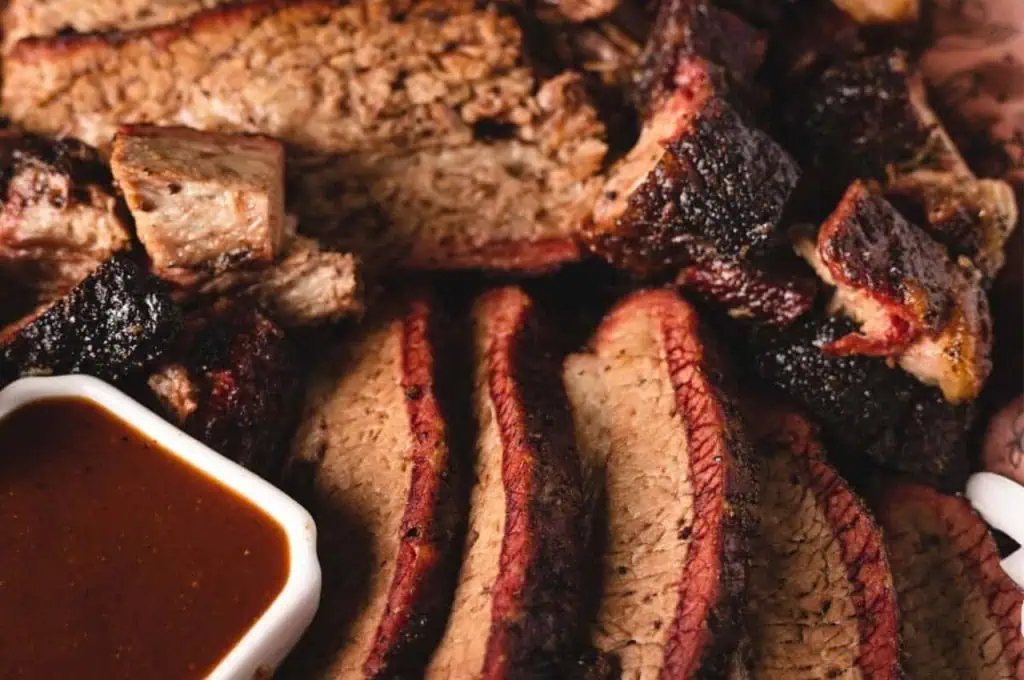
Texas barbecue is synonymous with expertly smoked meats, where the emphasis is on beef, often brisket, transformed by low and slow smoking over post oak wood. The focus is simplicity: salt, pepper, and time. Keeping the rub minimal allows the true character of the meat to shine. Ensure a consistent temperature, close to 225°F, for the tender, juicy slices that capture the essence of the Texas pitmaster's craft. Patience here is rewarded with rich, savory depth.
Get the recipe: Texas Style Smoked Beef Brisket
Kansas City: A Sweet, Tangy Affair
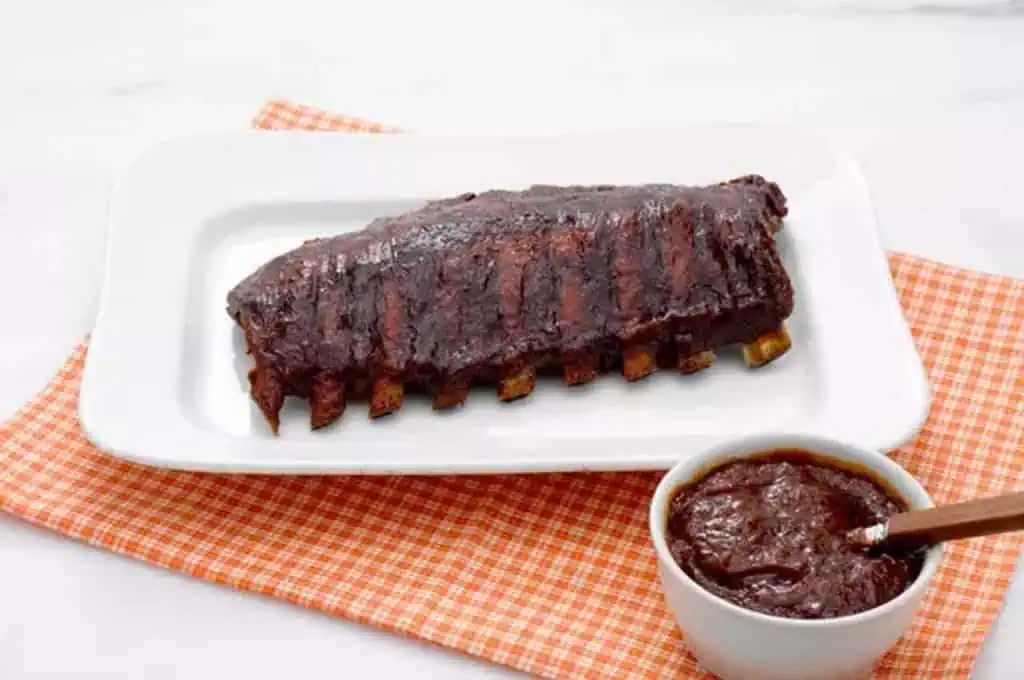
Kansas City BBQ is characterized by its rich, tomato-based sauce that strikes a blend of sweetness and tang. This style embraces diversity, smoking everything from pork to ribs and chicken over hickory wood. The sauce, often brushed just before serving, caramelizes to create a shiny, flavorful glaze. Perfecting a Kansas City barbecue starts with a balanced mixture of brown sugar, molasses, and vinegar in the sauce, enhancing the robust smokiness of the meat.
Get the recipe: Kansas City Barbecue Sauce
St. Louis: The Grill Master's Haven
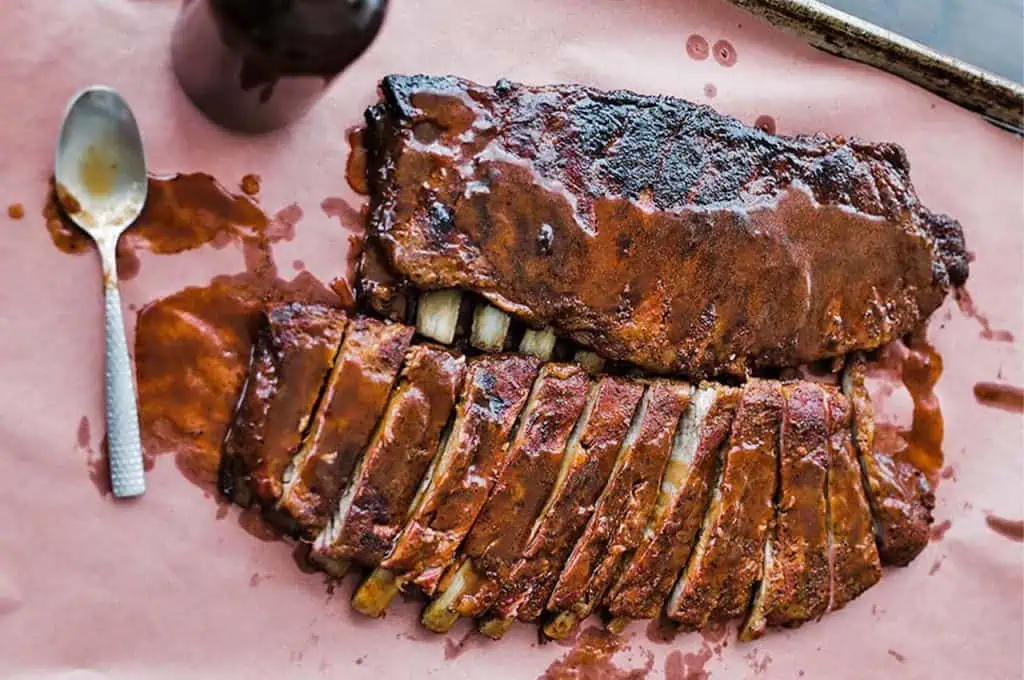
St. Louis barbecue is grounded in grilling and saucing. Known for its spare ribs, the meat is first dry-rubbed and then grilled until the exterior develops a delightful char. A thicker, tangy sauce is added towards the end of the cook, typically consisting of vinegar, tomato, and a touch of spice, allowing it to seal in moisture. The hallmark of this style is achieving a delicate balance between smokiness and saucy tang, leaving ribs juicy yet crisp.
Get the recipe: Smoked St. Louis Style Ribs
Memphis: Pulled Pork Perfection
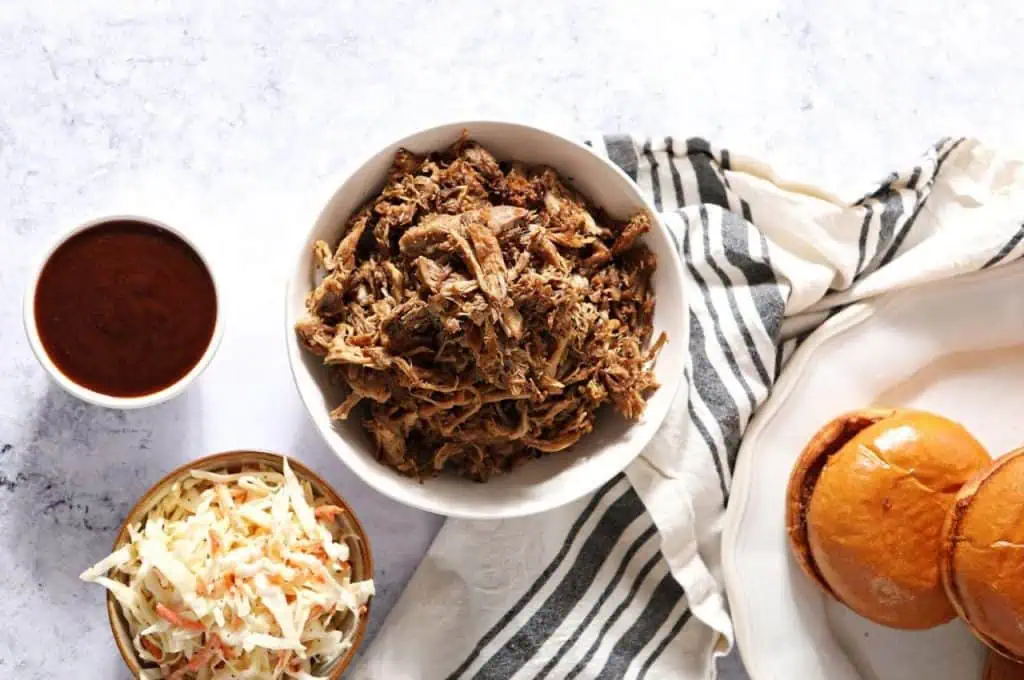
Memphis is famous for its pulled pork, particularly shoulder, which is slow-cooked until it yields effortlessly to the fork. This style celebrates the dry rub, a harmonious mix of paprika, garlic powder, and other spices that infuse the meat with complex flavors during the smoke. Memphis also features a distinct, vinegary mop sauce applied intermittently, maintaining the meat's tenderness. The result is an exquisitely flavorful pork, with layers of smoky, spicy notes.
Get the recipe: Memphis-Style BBQ Pulled Pork Sandwiches
North Carolina: Vinegar Tang Delight
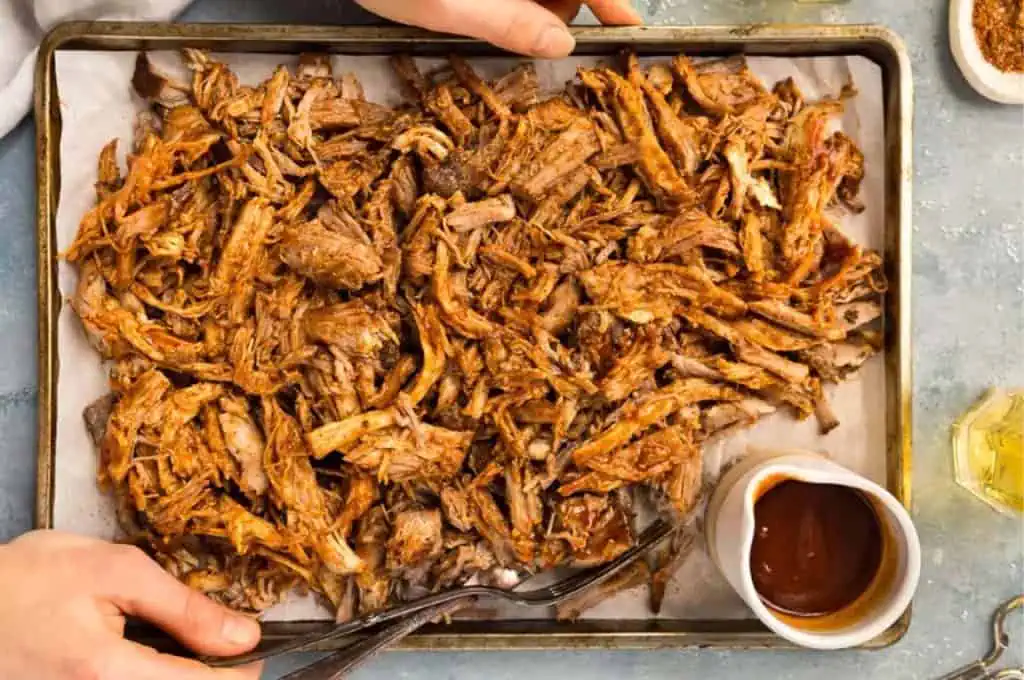
In North Carolina, barbecue takes on a tangy profile with a vinegar-based sauce. Start with a whole pork shoulder, seasoned simply with salt and pepper. Slow-cook the meat over low heat, preferably using hardwood for a smoky infusion. As it cooks, prepare the sauce by combining apple cider vinegar, red pepper flakes, and a touch of sugar. When the pork is tender and pulls apart effortlessly, shred it and mix thoroughly with the vinegar sauce. The result is a dish that balances acidity with smoky richness, perfect for sandwiching in a soft bun with coleslaw.
Get the recipe: Carolina BBQ Pulled Pork
South Carolina: Mustard Magic
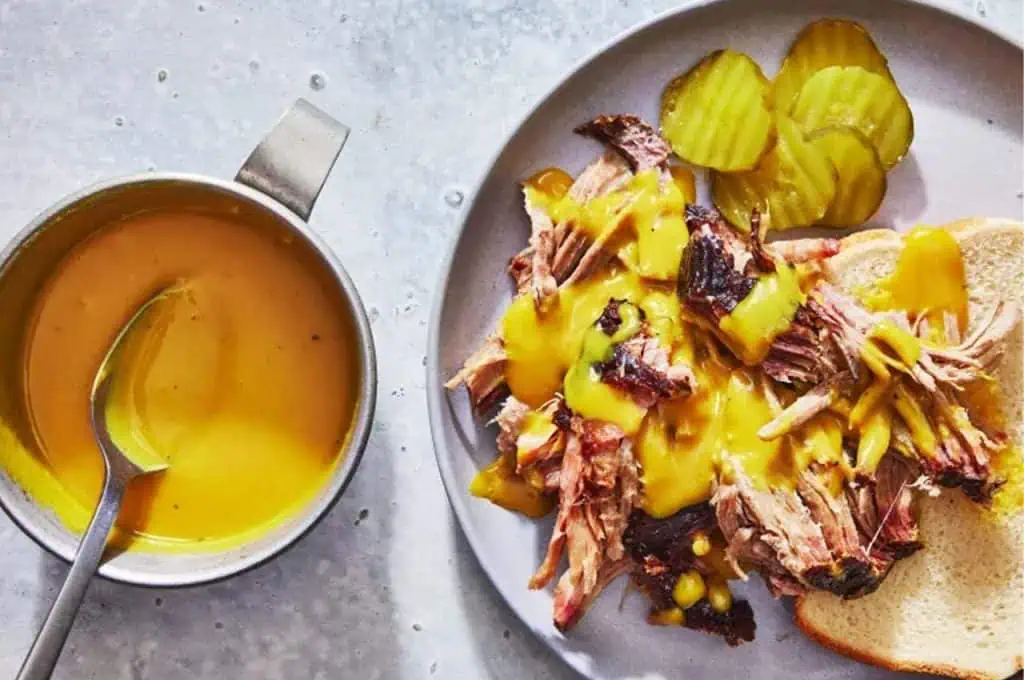
South Carolina barbecue is known for its distinctive mustard-based sauce, creating a bold and zesty flavor profile. For this, pork is the traditional choice, ideally a Boston butt or whole hog. To make the sauce, blend yellow mustard, honey, apple cider vinegar, and Worcestershire sauce. Grill or smoke the pork until it’s tender, periodically basting with the mustard sauce to deepen the flavor. The mustard adds a sharp and slightly sweet element that enhances the pork's natural savoriness, offering a unique twist on conventional barbecue.
Get the recipe: South Carolina Mustard BBQ Sauce
Alabama: White Sauce Wonder
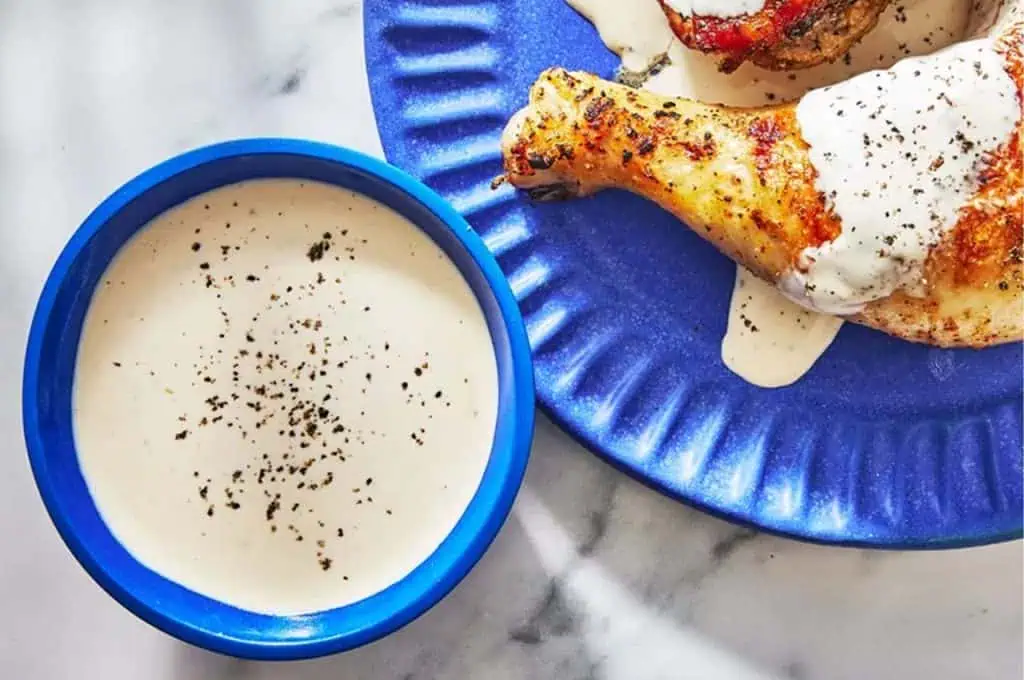
Alabama's unique contribution to barbecue is its white sauce, a tangy and creamy concoction that pairs well with smoked chicken. To make the sauce, whisk together mayonnaise, apple cider vinegar, lemon juice, salt, and cracked black pepper, with a hint of horseradish for heat. Smoke chicken halves over hickory wood for optimal flavor. Once the chicken is cooked through, brush it generously with the white sauce before serving. This finishing touch adds a creamy zing that complements the smoky meat, making it a standout dish.
Get the recipe: Alabama White BBQ Sauce
Hawaiian: Tropical BBQ Fusion
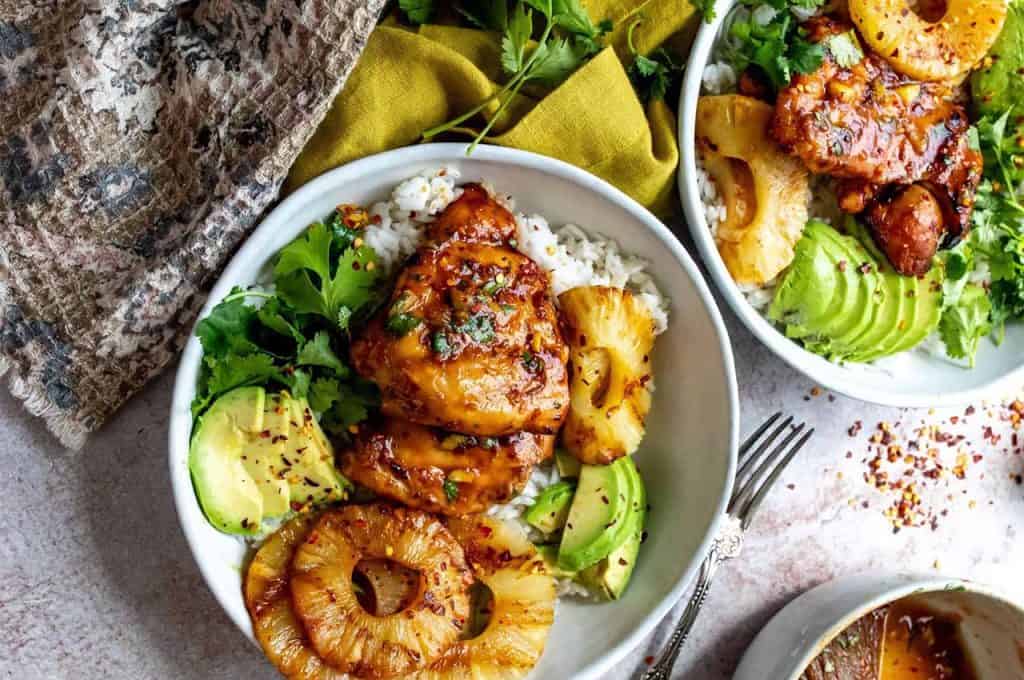
Hawaiian barbecue blends sweet and savory with traditional island ingredients. Use pork or chicken marinated in a mixture of soy sauce, pineapple juice, brown sugar, and ginger. Grill over an open flame or in a covered grill, allowing the heat to caramelize the sugars and infuse the meat with a fruity aroma. Baste with the marinade as it cooks for added flavor depth. Serve with grilled pineapple slices and a sprinkle of green onions for a vibrant, tropical experience that captures the essence of Hawaiian cuisine.
Get the recipe: Hawaiian BBQ Chicken
California: Innovative BBQ Flavors
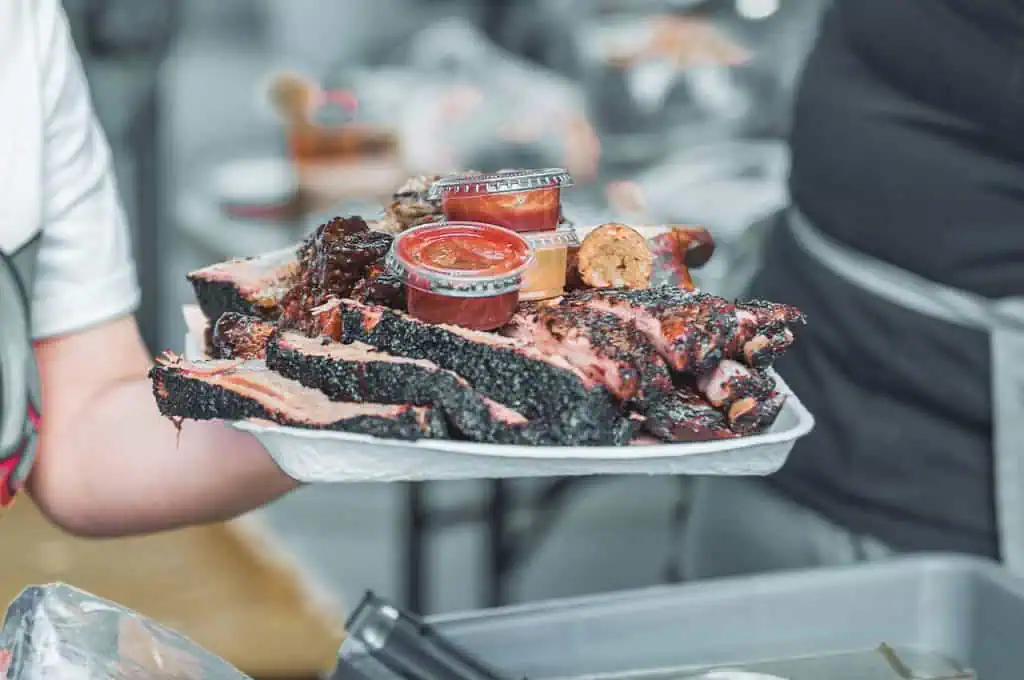
California barbecue celebrates diversity and innovation, often featuring eclectic marination and smoking techniques. Opt for sustainably sourced meats like tri-tip beef or free-range chicken. Rub with a mixture of California chili powder, garlic, and olive oil before grilling. Experiment with local ingredients like avocados or citrus zest for unique flavors. Cook over mesquite wood for a distinct aroma and finish with fresh herbs like cilantro or basil to highlight the state's fresh produce. This approach results in a vibrant and flavorful barbecue, reflective of California's culinary creativity.
Kentucky: Mutton BBQ Legacy
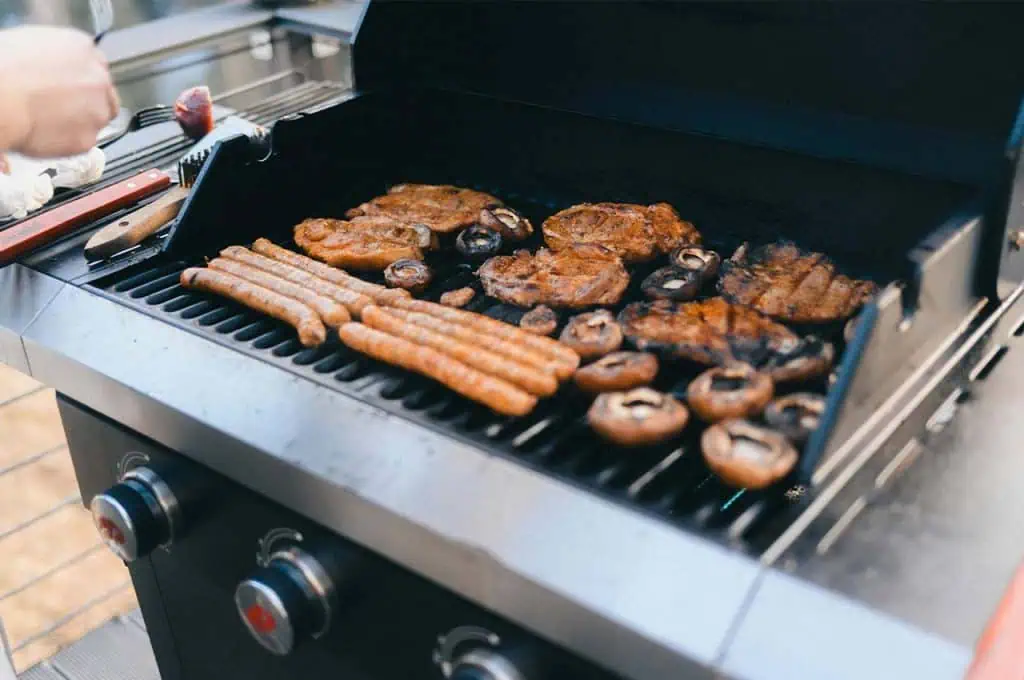
Kentucky's BBQ tradition is distinct with its revered mutton focus—an older sheep, richer in flavor and more robust than the typical lamb. To harness the depth of mutton, slow smoking over a mix of hickory and oak wood is key, imparting a gentle smoke infusion that complements the meat's inherent gaminess. Master the renowned Worcestershire-based dip, balancing tang and spice, to accentuate the flavors. Monitoring the temperature is vital; aim for a tender, juicy consistency at around 190°F. This method highlights Kentucky's proud barbecue legacy, offering a unique taste and texture to explore.
Chicago: Urban Grill Craft
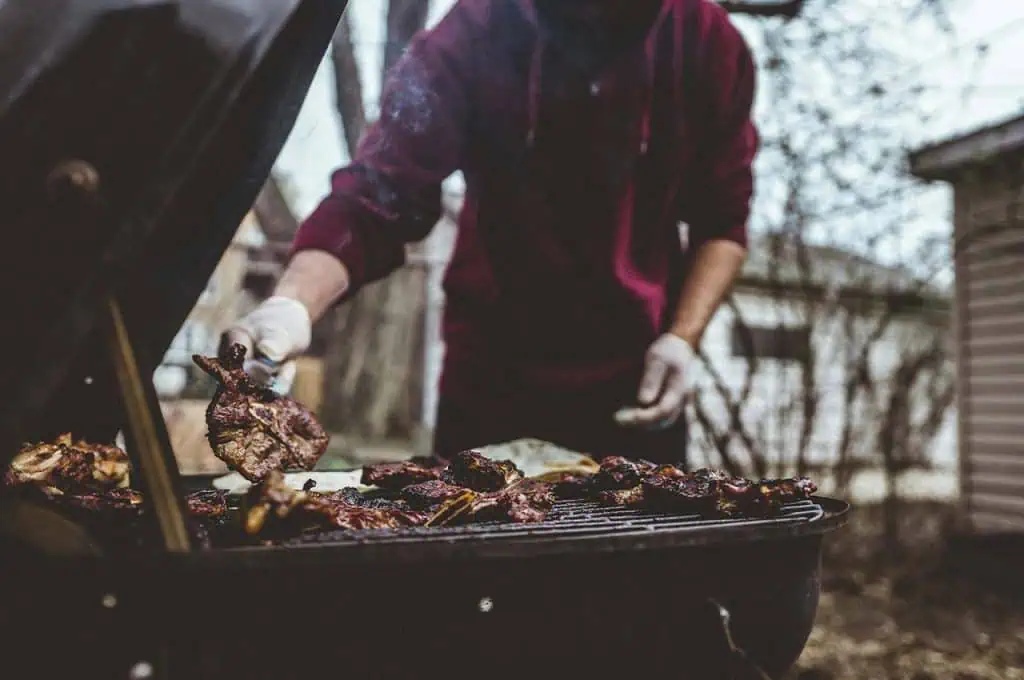
Chicago's urban barbecue style is all about innovation and the melting pot of flavors. Known for its emphasis on ribs, this style savors spice-packed rubs that combine paprika, brown sugar, and garlic powder for a bold, savory bark. Coat with a thick molasses-based sauce, grilling over high heat to achieve a caramelized finish. A charcoal grill's smoke intensity fosters depth, melding perfectly with the city's dynamic culinary spirit. This barbecue embraces accessibility and modern touch, inviting experimenting with new ingredients while respecting classic techniques.
Georgia: Sauce and Spice Harmony
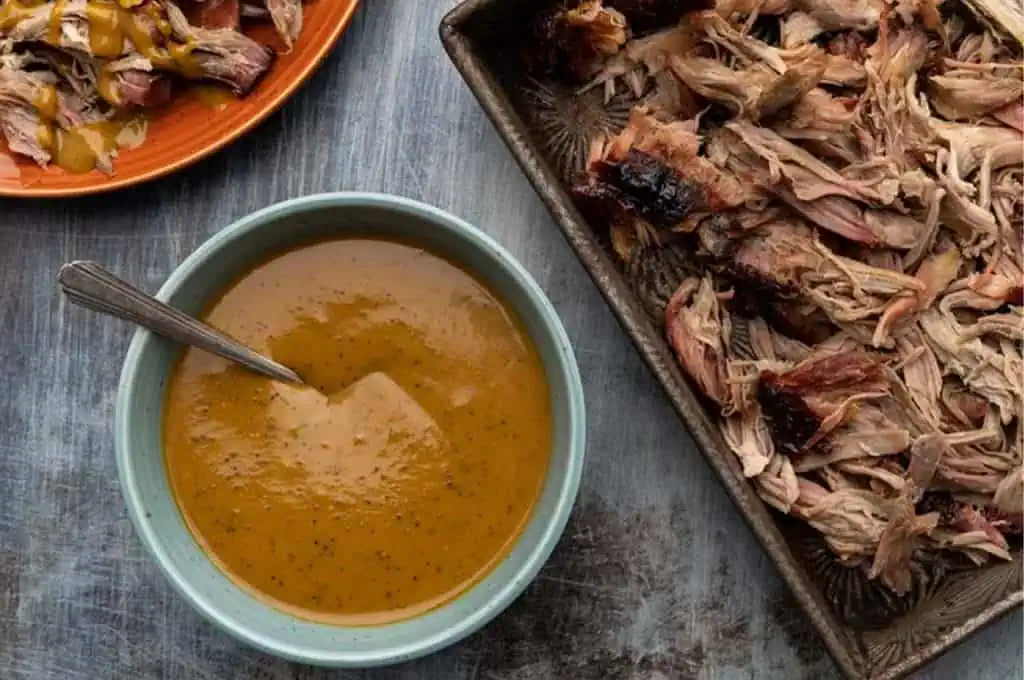
Georgia barbecue celebrates the elegant balance of sauce and spice. The state's renowned sauce blends mustard's tang with vinegar's sharpness, a nod to both Carolina and Southern traditions. Pork shoulder remains the centerpiece, smoked slowly to perfection at low temperatures around 225°F. A gentle rub of cayenne, black pepper, and brown sugar adds a delicate spice layer without overpowering. This careful crafting results in tender meat soaked in rich, golden sauce, encapsulating Georgia’s rich barbecue tradition with every bite, harmonious, subtle, and deeply satisfying.
Get the recipe: Georgia Mustard Barbecue Sauce


