
12 Protein Myths Americans Still Believe About Everyday Foods

Understanding protein is fundamental in creating a balanced diet, yet several myths persist, clouding our choices. This guide dispels common misconceptions, ensuring your culinary efforts lead to nourishment and satisfaction. Whether demystifying the sources of protein or addressing nutritional concerns, each section offers clarity and actionable insights. Embrace this knowledge to enhance your meals with confidence and precision.
Red Meat Isn't the Only Protein Source

Red meat often steals the spotlight when discussing protein, but there's a diverse world of options available. Poultry, fish, and legumes offer rich protein profiles with unique flavors and textures. Incorporate lean poultry for a lower fat alternative or indulge in fish which provides omega-3 fatty acids alongside protein. Beans and lentils are not only high in protein but also fiber, making them a hearty addition to soups and stews. Diversifying your protein sources can enhance your culinary repertoire while delivering balanced nutrition.
Plant Proteins Are Complete Too
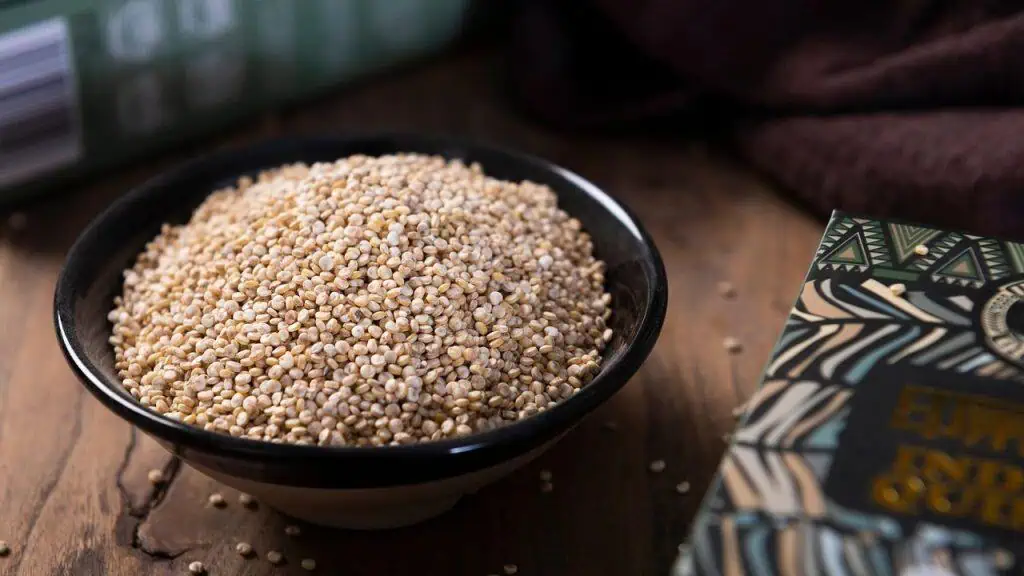
A common myth is that only animal products provide complete proteins. In reality, many plant-based combinations offer all essential amino acids. Quinoa, soy, and buckwheat naturally contain complete proteins. Additionally, pairing foods like rice and beans or hummus and whole grain pita ensures a complete amino acid profile. For those exploring vegetarian or vegan diets, incorporating a variety of legumes, nuts, and seeds will satisfy protein needs effectively without compromising taste or texture.
Eggs: Cholesterol Myths Debunked

Eggs have been scrutinized for their cholesterol content, yet they remain a valuable protein source. Current research suggests that dietary cholesterol doesn't significantly impact blood cholesterol in most people. Eggs provide high-quality protein with essential vitamins and minerals. To maintain balance, incorporating eggs into meals like omelets, frittatas, or atop grain bowls can add nutrition without excessive cholesterol concerns. Emphasizing eggs as part of a varied diet helps maintain a healthy lifestyle and culinary diversity.
Protein Bars: Not Always Healthy

Protein bars are often marketed as a healthful snack, yet many contain added sugars and artificial ingredients. While convenient, it's essential to read labels carefully. Opt for bars with natural ingredients and minimal sugar to genuinely support your protein intake. Alternatively, prepare homemade bars using nuts, seeds, and natural sweeteners like honey. This control over ingredients ensures a more nutritious profile. When chosen wisely, protein bars can be a practical addition to busy lifestyles, but mindful selection is key to health benefits.
More Protein, More Muscle? Not Always

Building muscle isn't solely about consuming more protein. Excessive intake can actually strain the kidneys without additional benefits. Focus on balanced diets that include other nutrients like carbohydrates, essential for energy, and fats for hormone production. Pairing protein with resistance training is crucial. Your body can only utilize a certain amount of protein at a time, so it's vital to distribute intake evenly throughout the day for optimal results.
Dairy: Not the Only Protein Option

While dairy products like milk and cheese are rich in protein, they aren't the only sources. Explore alternatives such as legumes, including lentils and chickpeas, which offer high protein content without the saturated fats often found in dairy. Incorporating plant-based proteins not only diversifies your nutrient intake but also supports heart health. For those with lactose intolerance, options like soy or almond milk provide protein without digestive discomfort.
Processed Meats vs. Whole Proteins

Processed meats might be convenient, but they often contain added sodium and preservatives. Whole proteins from sources like chicken, fish, and legumes offer cleaner nutrition. Opt for grilling or baking to maintain natural flavors and nutrients. Avoid processed deli meats, which can be high in unhealthy fats, and instead, prepare fresh cuts at home. This technique not only enhances flavor but also allows control over seasoning and overall health profile.
Supplements Aren't Real Food Replacements

Protein supplements can be convenient, but they lack the comprehensive nutrients found in whole foods. Real food provides fiber, vitamins, and healthy fats essential for proper digestion and absorption. Instead of relying on powders, aim to include a variety of high-protein foods in your meals such as lean meats, beans, and quinoa. Supplements may support your diet, but they should never replace the wholesome benefits of real foods.
Nuts and Seeds Pack a Protein Punch
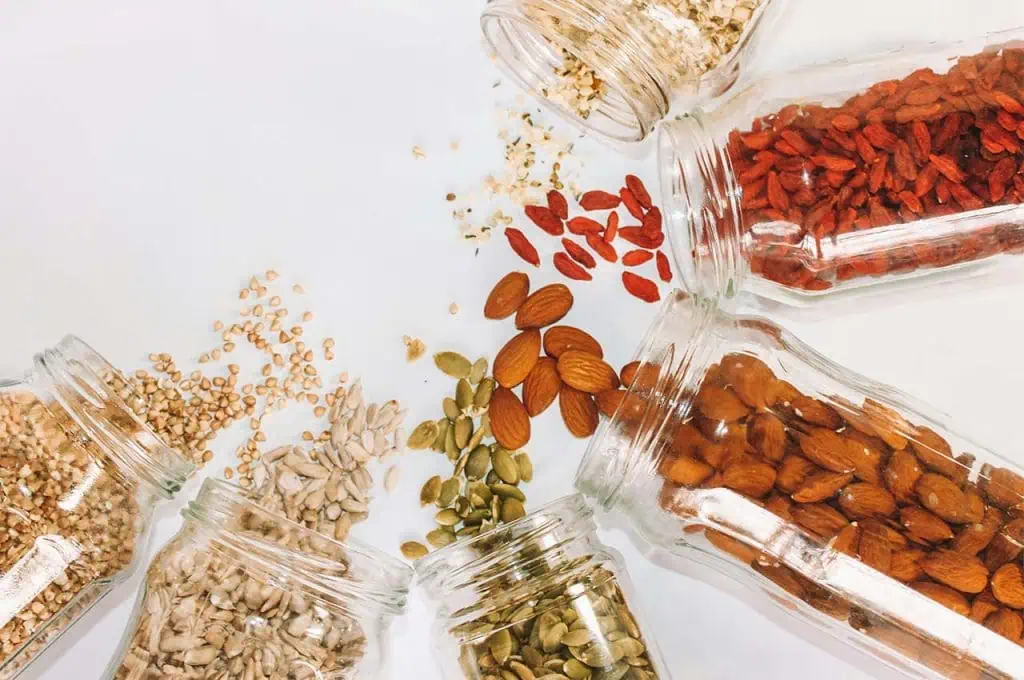
Often overlooked, nuts and seeds are excellent sources of protein. Almonds, pistachios, and sunflower seeds not only provide protein but also deliver healthy fats and fiber, supporting heart and digestive health. Incorporate them into meals by sprinkling on salads, blending into nut butters, or adding to oatmeal. The combination of protein and fats in nuts and seeds helps maintain energy levels and keep hunger at bay, making them ideal snacks.
Seafood Protein Is Top Quality

Seafood is often hailed for its lean protein and nutrient-rich profile. The proteins in fish and shellfish are highly bioavailable, meaning our bodies can absorb and use them efficiently. Focus on incorporating a variety of options like salmon, known for its omega-3 fatty acids, and shrimp, which offers a lower calorie option with abundant protein. Remember to cook seafood gently over moderate heat to preserve its tender texture and delicate flavors. Whether grilling, poaching, or steaming, a light seasoning with herbs or citrus can elevate your dish while maintaining its nutritional integrity.
High-Protein Diets: Not Dangerous for All

While skepticism surrounds high-protein diets, they can be beneficial when customized. Proteins aid in muscle repair, satiety, and overall health. Tailor intake to your activity level, ensuring balance with other macronutrients. Focus on diverse sources like legumes, lean meats, and dairy to round out your diet. Hydration is crucial when consuming high protein; it aids in kidney function and digestion. Avoid excessive red meat; instead, mix in poultry, fish, and plant-based proteins to maintain a well-rounded approach, reducing potential health risks while enjoying the benefits of a high-protein lifestyle.
Breakfast: Essential for Protein Intake

Starting the day with protein-rich foods can support sustained energy and satiety. Opt for eggs, a versatile source of complete protein, whether boiled, scrambled, or poached. Greek yogurt offers another excellent choice, providing a base for fresh fruits and nuts. For those preferring grains, oatmeal with added nuts or seeds creates a balanced start rich in fiber and protein. Preparing a breakfast smoothie with protein powder or nut butters can offer a quick, nutrient-dense option. These choices help stabilize blood sugar levels and keep hunger at bay until the next meal.


