
The 20 Foods Experts Warn Against for High Cholesterol

Managing high cholesterol begins with understanding which foods may contribute to the problem. Many everyday ingredients can unexpectedly impact lipid levels negatively. By making informed choices, you can effectively support cardiovascular health. Explore the pitfalls of certain foods and the nuances of cooking that will empower you to create heart-friendly meals that are both satisfying and nutritious.
Pastries: The Sweet Temptation

Pastries, with their flaky textures and rich flavors, often come packed with saturated fats and sugars, both of which can negatively affect cholesterol levels. The butter and shortening that create those delicious layers are typically high in saturated fat. Opt for alternatives like using a small amount of high-quality olive oil or substituting with whole grains to reduce the impact. Simple adjustments can help enjoy these treats without compromising health.
Surprising Fruit Dangers

While fruits are generally perceived as healthy, some processed fruit products can be deceivingly problematic for cholesterol. Canned fruits in heavy syrup and certain dried fruits with added sugar elevate the glycemic load. Always choose fresh or frozen fruits without added sugars, and read labels carefully. Incorporating whole fruits in raw or minimally processed forms ensures maximum fiber retention, beneficial for cholesterol management.
Alcohol: Hidden Cholesterol Risk

Though moderate alcohol consumption might have some benefits, excessive intake can disrupt cholesterol balance, increasing LDL levels. Beverages like cocktails often include high-sugar mixers, which further exacerbate this issue. Opt for wine or spirits in moderation, focusing on quality rather than quantity. Understanding your limits and choosing less processed options can help mitigate these hidden risks.
Canola Oil: Not So Heart-Healthy

Often considered a healthy alternative, canola oil may not be the best choice due to its potential for high omega-6 fatty acid content, which can contribute to inflammation. Cold-pressed oils like extra virgin olive oil offer better heart health benefits with higher levels of antioxidants. Utilize these oils in dressings or low-heat cooking to preserve their beneficial properties and promote a balanced, cholesterol-friendly diet.
Potato Chips: Crunch and Risk

Potato chips are a popular but risky snack for those concerned about cholesterol. The processing often involves frying in oils high in saturated and trans fats, which can raise bad cholesterol (LDL) levels. Opt for alternatives like baked chips or homemade versions using thinly sliced potatoes, a touch of olive oil, and your choice of herbs. This method reduces unhealthy fats and offers a satisfying crunch. Limit portion sizes to manage sodium intake, and experiment with seasoning blends to enhance flavor without reliance on salt.
Cookies: Sugar and Cholesterol

Cookies, especially those store-bought, often contain high levels of sugars and unhealthy fats. These ingredients can contribute to insulin resistance and elevated cholesterol levels. When baking at home, substitute ingredients like white flour and butter with whole-grain flour and heart-healthy oils such as avocado or coconut. Reduce sugar by incorporating natural sweeteners like honey or pureed fruits. Adding nuts and seeds can provide texture and introduce healthy fats. Serve small portions to enjoy the taste without overindulgence.
Processed Meats: A Salty Trap

Processed meats such as bacon, sausages, and deli slices can be high in sodium and saturated fats, making them detrimental to cholesterol management. Instead, explore fresh, lean protein options like skinless poultry or fish rich in omega-3s. If processed meats are desired, choose low-sodium, nitrate-free varieties, and consume them sparingly. Pair with whole grains and a generous serving of vegetables to balance the meal. Be mindful of cooking techniques; grilling or baking minimizes additional fats compared to frying.
Milk: Watch Your Levels
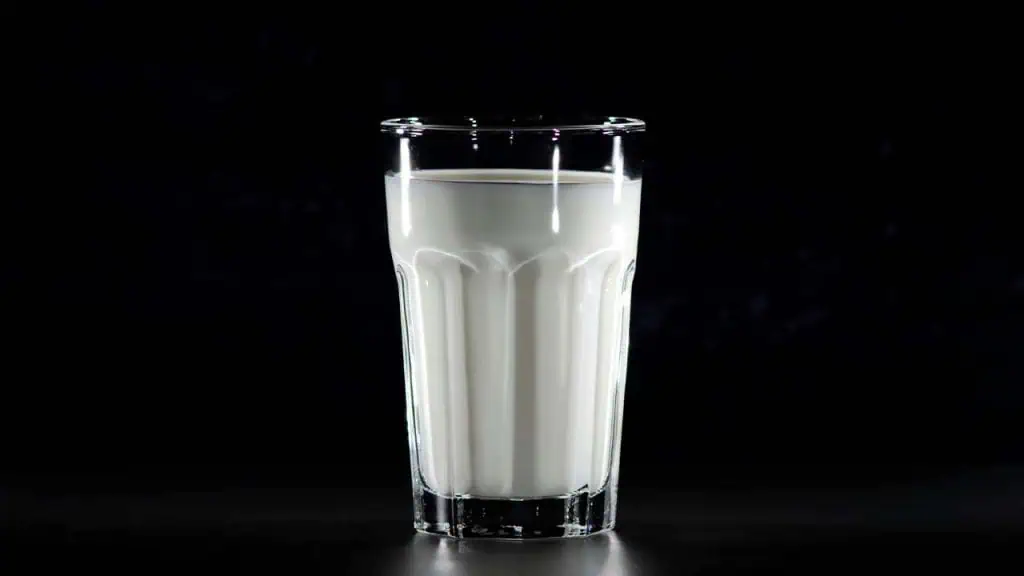
While milk is a valuable source of calcium, full-fat versions can be high in saturated fats. Opt for low-fat or plant-based alternatives like almond or oat milk to reduce cholesterol impact. For added flavor without extra fat, infuse these with a splash of vanilla or a touch of cinnamon. Using milk in recipes, such as for soups or sauces, requires attention to consistency; lower-fat versions may need thickeners like cornstarch. Aim to include naturally low-cholesterol foods like fruits and nuts alongside dairy consumption.
Rib Eye Steak: Fat Laden Choice

Rib eye steak is flavorful but laden with saturated fat, posing a challenge for cholesterol-conscious diets. Choose leaner cuts like sirloin or filet mignon, and trim visible fat before cooking. Marinate with acidic elements like vinegar or citrus to enhance tenderness and incorporate small amounts of healthy fats, such as olive oil. To achieve a satisfying crust, employ high-heat methods like grilling or broiling, ensuring a juicy interior without excessive fat content. Pair with fiber-rich sides, such as quinoa or roasted vegetables, to create a balanced meal.
Fast Food Burgers: A Quick Threat
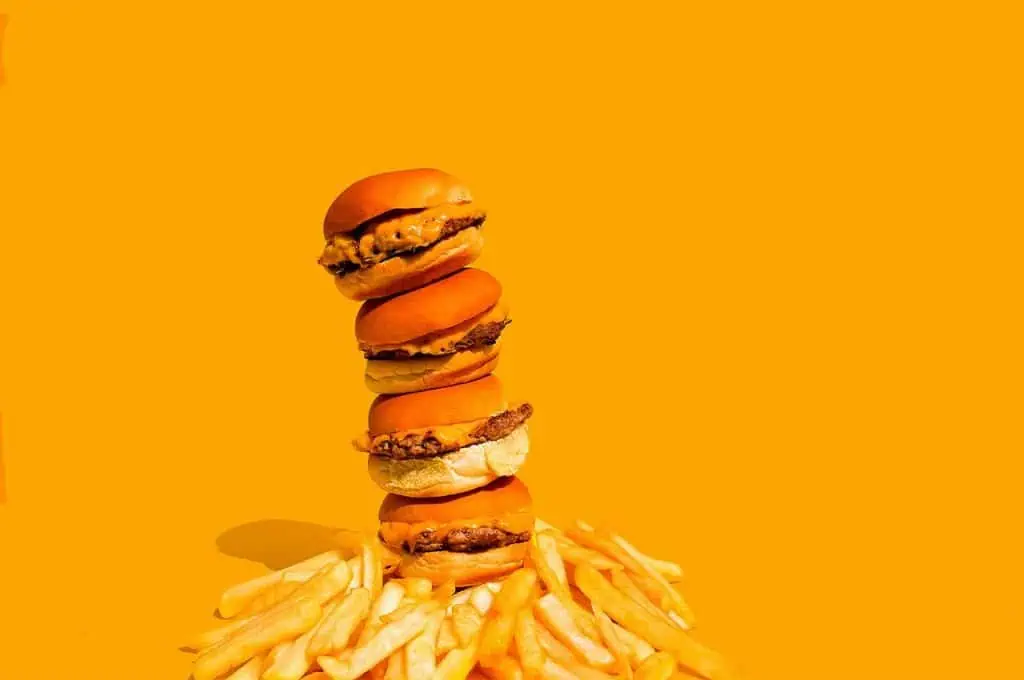
Fast food burgers are notorious for their saturated fat and cholesterol content, making them a prime candidate for those trying to avoid high cholesterol. The cooking method often involves grilling or frying at high temperatures, which can exacerbate unhealthy fat retention. Opting for homemade versions allows control over ingredient quality, such as lean meats and whole grain buns. Adding fresh, colorful vegetables can increase fiber content, balancing the meal's nutritional profile while keeping cholesterol in check.
Deep Fried Foods' Double Trouble
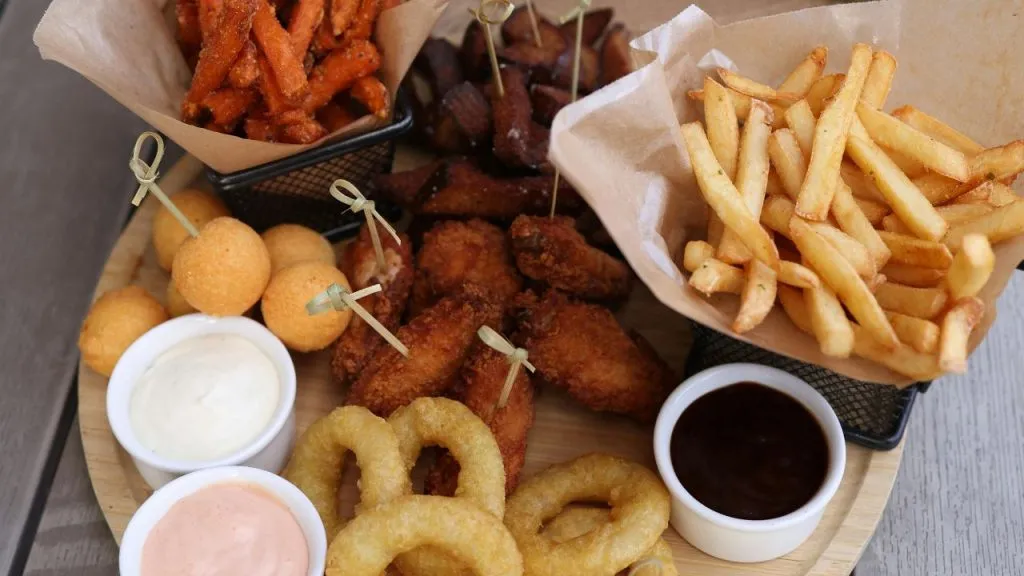
Deep frying is a method that promotes absorption of unhealthy fats, leading to increased cholesterol concerns. The high heat transforms oils into trans fats, which significantly impact heart health. Replacing this technique with baking or air frying reduces fat intake while maintaining crispiness. Consider using oils like canola or olive for a healthier profile. Experimenting with whole grain breading or spiced coatings can enhance flavor without compromising nutrition, making meals both satisfying and heart-friendly.
Candy: Sugar Overload and More
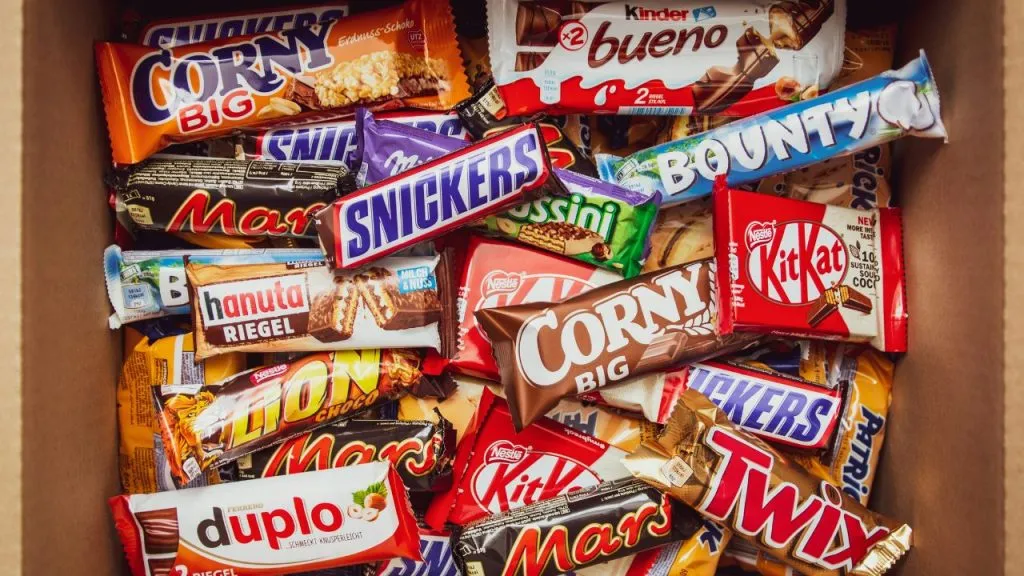
Candy offers an overload of sugars, which indirectly affects cholesterol by encouraging fat storage and increasing triglycerides. These sugary treats often lack fiber and nutrients that can mitigate cholesterol’s impact. To satisfy sweet cravings healthily, consider fruits that offer natural sugars with added fiber, vitamins, and antioxidants. Homemade treats using dark chocolate and nuts can provide a more balanced indulgence, offering benefits such as improved heart health while keeping sugar levels moderated.
Diet Soda: The Deceptive Drink

Diet soda, often perceived as a healthier alternative, contains artificial sweeteners that may mislead consumers looking to reduce cholesterol. These sweeteners can have unexpected effects on metabolism and heart health. Replacing diet soda with infused water or unsweetened tea offers hydration without hidden calories or additives. Selecting drinks rich in antioxidants, like green tea, can provide added benefits, including improved cholesterol levels and reduced risk of heart disease.
Margarine: A Butter Imposter

Margarine, particularly those containing trans fats, has long been considered a heart health renegade. Its processed oils can increase bad cholesterol and lower good cholesterol. Choosing margarines free of trans fats and rich in monounsaturated fats, such as those derived from plant oils, can mitigate risks. Alternatively, switching to natural spreads like avocados or nut butters can deliver beneficial fats without the adverse cardiovascular impact, offering a tasty and heart-smart option for spreads and cooking alike.
Microwave Popcorn: Sneaky Cholesterol

Microwave popcorn, often perceived as a simple snack, can hide unhealthy fats under deliciously crunchy kernels. Many variants contain partially hydrogenated oils, a source of trans fats known for raising LDL cholesterol levels. When choosing popcorn, look for air-popped or stovetop versions, using a little olive oil for flavor. If buying pre-packaged options, read labels diligently to ensure you're avoiding unwanted fats. Enhance the taste naturally with nutritional yeast or a sprinkle of smoked paprika rather than relying on buttery flavorings.
Coconut: The Tropical Concern

Coconut, with its rich, creamy texture, can be misleadingly high in saturated fats, notorious for increasing cholesterol. Although a popular dairy alternative, coconut milk and oil require moderation. Opt for light coconut milk or limit its use in dishes. When selecting coconut oil, choose virgin or cold-pressed types to ensure better nutrient retention. Balance coconut-rich recipes with high-fiber elements like vegetables or legumes to offset potential fat intake, maintaining a sense of tropical flavor without compromising heart health.
Sugary Cereal: A Morning Hazard

Sugary cereals may fuel your morning with quick energy but often lack nutritional value, contributing to cholesterol issues over time. These cereals are typically rich in simple sugars and refined grains, which can disrupt lipid levels. Seek alternatives with whole grains and low sugar content, ideally under 5 grams of sugar per serving. Pair cereal with a source of protein, like Greek yogurt or nuts, to extend satiety. Elevate your breakfast with fresh fruit to naturally sweeten without the glucose spike.
Meat Lovers Pizza: Piled High Risk

Loaded with processed meats, a meat lovers pizza can be a cholesterol minefield. Ingredients like pepperoni and sausage are high in saturated fats, contributing significantly to increased cholesterol levels. When tackling pizza at home, prioritize lean protein sources such as grilled chicken or turkey. Incorporate plenty of vegetables to add flavor and texture while keeping the fat content in check. Opting for a whole-grain crust can boost fiber intake, helping manage cholesterol absorption while maintaining a satisfying bite.
Pasta: More Than Just Carbs
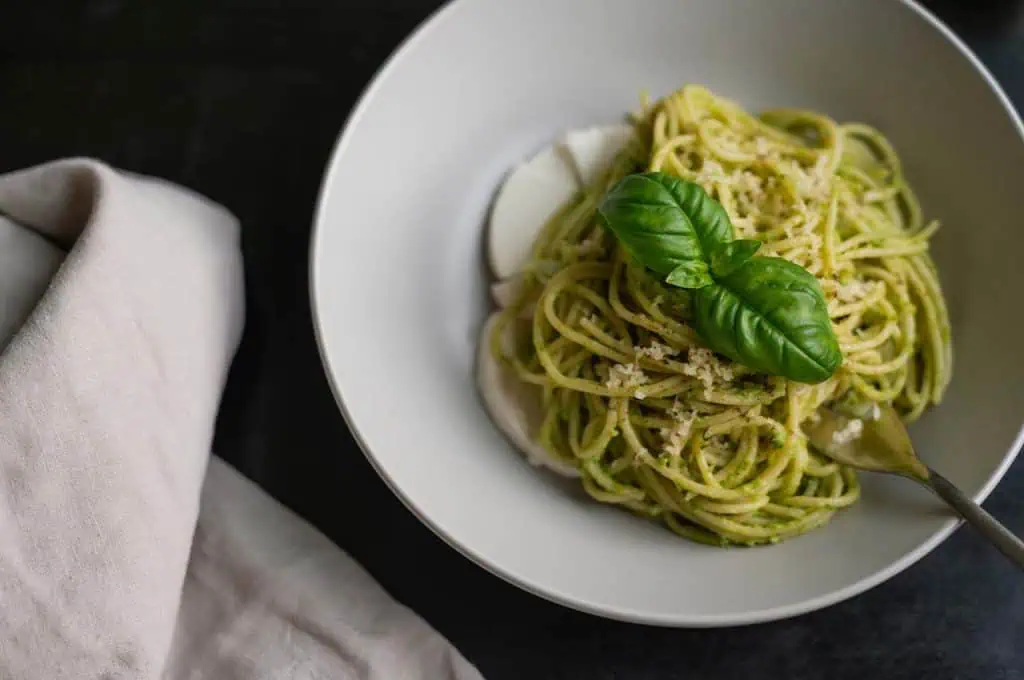
Pasta, particularly when paired with creamy sauces, can contribute to cholesterol levels if not carefully balanced. Instead of heavy, cream-based sauces, consider using olive oil, fresh tomatoes, or broth as a base for dishes. Whole grain or legume-based pastas provide additional fiber, which aids in cholesterol reduction. Incorporate lean proteins and vibrant vegetables to create a balanced meal. This approach mitigates excessive calorie and cholesterol intake while bringing new life to a seemingly simple dish.
Syrup: Sticky Sweet Danger
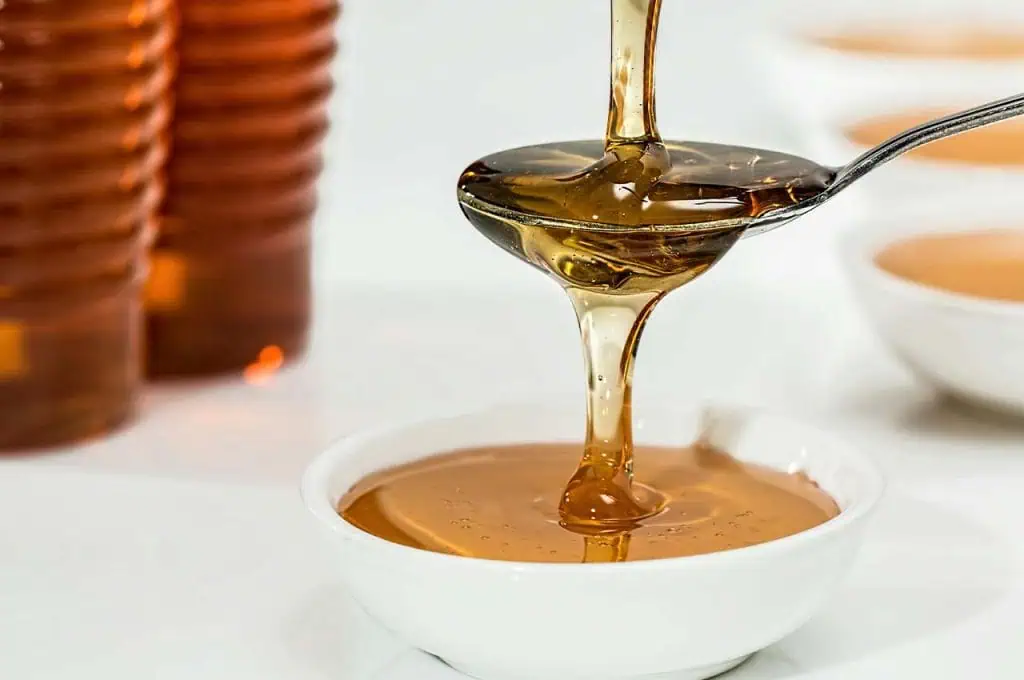
Syrup, a common breakfast favorite, is surprisingly perilous for those concerned with high cholesterol. Its high sugar content contributes to weight gain, a key factor in elevating cholesterol levels. Opt for pure maple syrup over artificially flavored varieties, as it contains fewer additives. Moderation is crucial; a drizzle rather than a pour can go a long way. Experiment with natural fruit compotes as an alternative to enhance taste without compromising health. Balancing sweetness with nutty or tangy flavors can elevate your dish while mitigating health risks.


