
Think Twice Before Buying These 12 Canned Foods

Canned foods offer convenience but often come with hidden drawbacks that can impact nutrition and taste. Understanding what to watch out for can improve your culinary choices, keeping meals both delicious and healthful. Consider the details of ingredient lists and nutrition labels to make informed decisions. This guide highlights 12 canned foods worth reconsidering, focusing on their common pitfalls and better alternatives for home cooking.
Canned Potatoes That Lose Their Bite

Canned potatoes may seem like a convenient shortcut, but they often sacrifice both taste and nutrition. Because they’re pre-cooked and stored in brine, they lose much of their natural firmness and end up with a mushy texture that doesn’t hold up well in most dishes. Nutrients like vitamin C also degrade during the canning process. While they work in a pinch for soups or stews, fresh or frozen potatoes provide better flavor, texture, and nutritional value without the extra sodium.
Syrupy Fruit Traps

Canned fruits in heavy syrup are often laden with added sugars, overshadowing their natural sweetness and texture. Opt for fruits packed in juice or water. Better yet, select fresh, in-season fruits and preserve them at home through canning or freezing. This lets you control sugar levels while capturing the true essence of the fruit's flavor and maintaining its integrity. A well-caramelized finish or a quick sauté can enhance their taste profile without added sugar.
Nutrient-Depleted Vegetables

While convenient, canned vegetables frequently suffer from nutrient loss during processing. To keep your dishes vibrant and nutritious, choose fresh or frozen vegetables, where textures and vitamins are better preserved. If canned is your only option, drain and rinse them thoroughly to remove excess liquid and sodium. Adding a quick sauté in olive oil with garlic or herbs can revive their taste and texture, bringing life back into what could otherwise be a lackluster ingredient.
Evaporated Milk Imitations

Many store-brand evaporated milk imitations cut corners on quality, leaving behind a thinner texture and a less creamy taste compared to the real thing. Traditional evaporated milk offers richness for baking and cooking, but some imitations rely on stabilizers and fillers instead of milk solids, affecting both flavor and performance in recipes. For custards, sauces, or pies, sticking with trusted brands, or even using real cream diluted with water, yields better results.
Mystery Meat Chunks

Canned meats often contain vague labeling like “meat chunks,” which should prompt scrutiny. These products typically include low-quality cuts and fillers that impact texture and flavor. Opt for canned meats with clear ingredient lists, focusing on those that specify the cut, such as “chicken breast” or “beef stew meat.” This ensures better quality and enhances the taste and texture of your dishes. Consider the sodium content, too, as canned options can be significantly saltier than their fresh counterparts.
Overly Processed Pasta

Canned pasta can seem convenient but often lacks the al dente texture and robust flavors of fresh preparations. These products are usually overcooked and drenched in thick, sugary sauces. Instead, try cooking pasta at home and preparing simple, fresh sauces with tomatoes, garlic, and herbs. This allows better control over ingredient quality and nutritional content, ultimately resulting in a more satisfying and flavorful meal that stands far above its canned alternative.
Sugary Canned Corn

Canned corn sometimes includes added sugars that can mask its natural sweetness. When selecting canned corn, look for labels that indicate it contains only corn, water, and salt. Better yet, opt for low-sodium options and rinse the kernels before use. This simple step helps preserve the corn's natural flavor and reduces the sugar content. Fresh or frozen corn can serve as a superior option, providing better texture and the ability to season to your liking.
Misleading Organic Labels
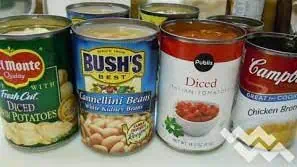
“Organic” on a can isn’t always a hallmark of premium quality. Some products might adhere to organic practices but still include undesirable ingredients like excess salt or preservatives. Always read labels thoroughly; true quality comes from a list of straightforward, recognizable components. Being mindful of what’s inside ensures the organic label is not merely a marketing tactic and that you're truly getting a cleaner, healthier product.
Trans Fat Laden Chowders

Chowders in cans often rely on hydrogenated oils to achieve a creamy texture, which contributes to trans fat content. This can negatively impact heart health and overall diet quality. For a healthier alternative, consider making chowder at home using fresh cream, butter, and your choice of seafood or vegetables. This not only enhances the richness of flavors but also allows you to avoid harmful fats, creating a warm, comforting dish that's both nutritious and satisfying.
Colorful But Questionable Sauces

Many vibrant sauces rely on artificial colorings that may detract from their nutritional value. Opt for products with natural ingredients like tomatoes, peppers, or herbs for a healthier choice. Check labels for preservatives and additives that can overshadow the intended flavors. Homemade variants allow control over salt levels and freshness, enhancing both taste and wellness. Elevate homemade sauces with fresh garlic or herbs, enriching your dishes with authentic flavors without the questionable extras.
Artificially Flavored Desserts

Canned desserts often use synthetic flavors to mimic natural ingredients, leading to a less satisfying taste. Choosing products with real fruits or vanilla ensures a more authentic flavor profile. Homemade versions enable the use of fresh produce, which adds genuine sweetness and natural aroma. Focus on integrating whole ingredients like berries or cocoa to transform desserts into a healthier indulgence. This approach not only enhances flavor but also aligns with a wholesome diet.
Heavy Metal Tuna Concerns

Canned tuna is a convenient option but often contains higher levels of mercury and other heavy metals. Opt for brands that test for purity and source sustainably to reduce health risks. When preparing, enhance the natural taste with fresh lemon juice or herbs, avoiding heavy mayonnaise to preserve clean flavors. Using tuna in moderation and supplementing with other protein sources like beans or chicken diversifies your diet while minimizing exposure to harmful substances.


