
5 Cooking Methods That Ruin Nutrition—But Experts Still Approve

Certain cooking methods often draw criticism for diminishing nutritional value, yet they remain favorites among chefs and home cooks alike. Whether it's the enticing texture of a golden crust or the precise tenderness from a grill, these techniques continue to captivate due to their unique results and nuanced flavors. Understanding the nutritional trade-offs and employing expert tips can help you enjoy these methods more healthfully, ensuring your meals are both delicious and satisfying.
Deep Frying: Crunch at a Cost?

Deep frying yields a crisp exterior and moist interior, making it a beloved choice for many dishes. However, this method can lead to significant nutrient loss, particularly water-soluble vitamins. To mitigate this, use oils with high smoke points, like peanut or canola, to prevent prolonged exposure to high temperatures. Fry at the correct temperature to minimize oil absorption—340 to 375°F is ideal. Consider using batter with whole grain flours to add fiber, enhancing the nutritional profile while indulging in its irresistible crunch.
Boiling Vegetables: More Harm than Help?
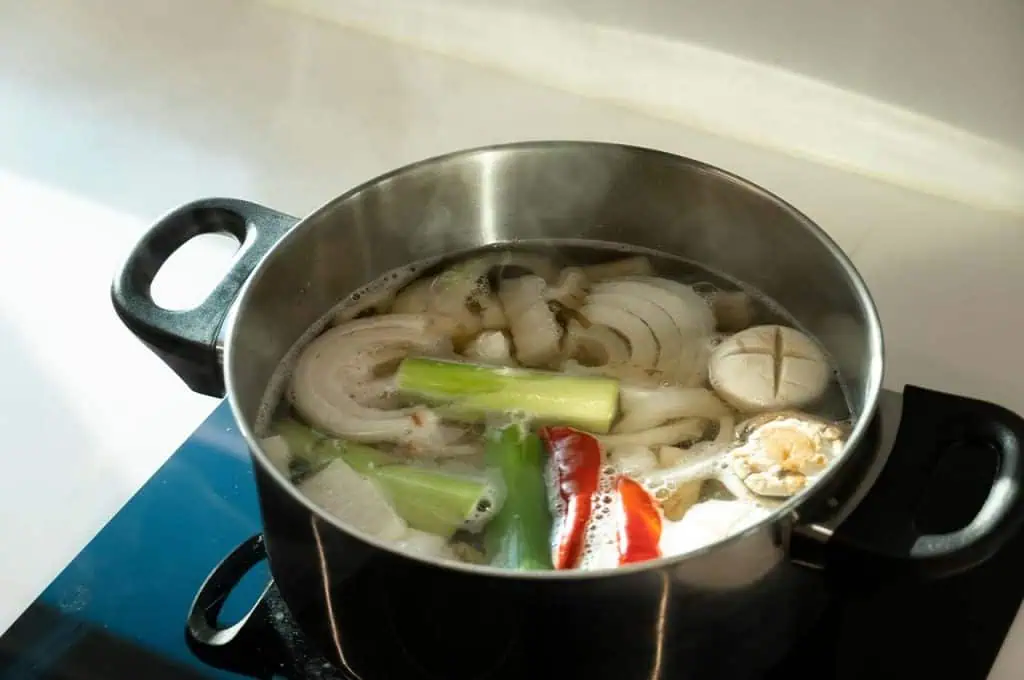
Boiling vegetables can leach water-soluble vitamins like vitamin C and B vitamins into the cooking water. To preserve nutrients, use minimal water and a tightly covered pot. Alternatively, repurpose the nutrient-rich boiling water as a base for soups or sauces. Bright, crisp results can be achieved by shocking vegetables in ice water immediately after boiling, which halts cooking and helps retain vibrant colors and textures. This method respects the integrity of the produce while maximizing the nutrients that remain post-cooking.
Grilling: Sizzle with a Side of Concern

Grilling is prized for imparting a smoky flavor and appealing char marks, yet it can produce potentially harmful compounds like heterocyclic amines and polycyclic aromatic hydrocarbons. To mitigate these effects, marinate meats with antioxidant-rich herbs and spices, which can help reduce carcinogen formation. Maintain moderate grill temperatures and flip meats frequently to prevent excessive charring. Incorporating a mix of vegetables in grilling not only boosts the nutrient content but also benefits from the added flavors without the same health concerns.
High-Heat Roasting: B Vitamin Blowout
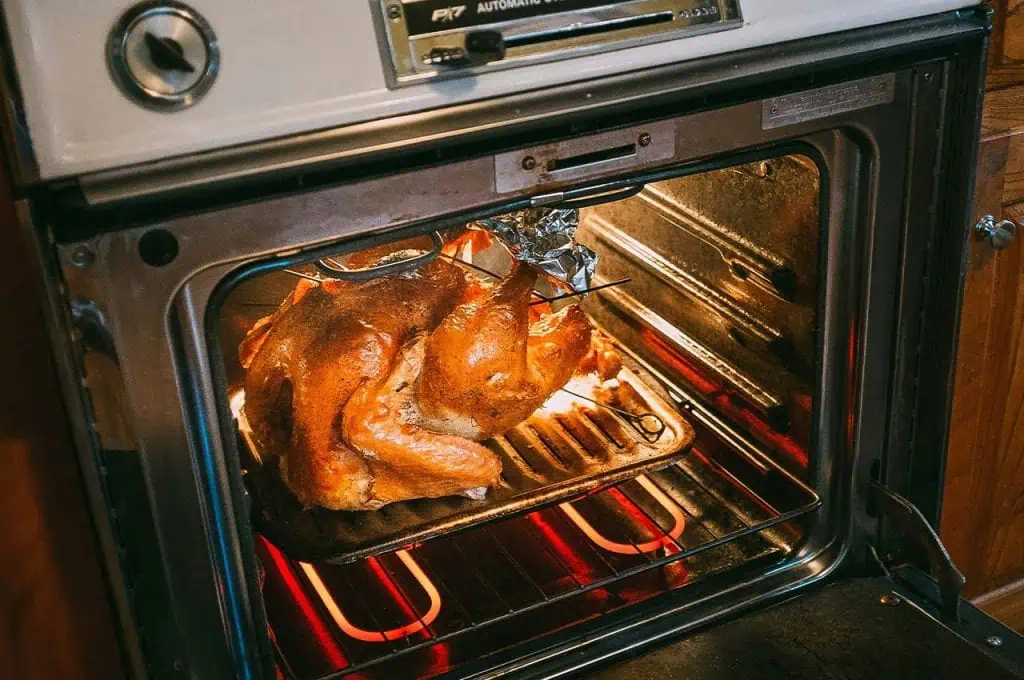
Roasting at high temperatures caramelizes and adds depth to meats and vegetables but can degrade certain heat-sensitive vitamins, notably the B group. To optimize nutrition, roast meats and vegetables at slightly lower temperatures for longer periods, balancing flavor development and nutrient retention. Covering with foil initially can help maintain moisture and minimize vitamin loss. Using a cast iron skillet or roasting pan can enhance heat distribution, ensuring even cooking and deeper flavor with minimal nutritional compromise.
Microwaving: Convenience or Nutrient Crisis?

Microwaving often garners debate among health enthusiasts, but it's a surprisingly effective method for nutrient retention. The quick cooking time helps preserve vitamins and minerals that might otherwise be lost during lengthy exposure to heat. Use a microwave-safe container with a lid to create steam and enhance effectiveness. It's important to avoid over-microwaving, which can degrade nutrients—keep an eye on texture and color. Opt for techniques like steaming vegetables with a splash of water to lock in goodness, ensuring practical yet nutritious results.


