
The Charcoal Craze: Why Chefs Are Adding Black to the Menu

The rise of charcoal in culinary circles marks an intriguing shift in modern gastronomy, capturing attention with its bold, black hue and unique flavor profile. This trend, embraced by chefs worldwide, brings a striking contrast to dishes while offering an unexpected depth of taste. Charcoal, with its ability to enhance presentation and introduce a subtle, earthy flavor, has found its way into diverse recipes, from entrées to desserts. For those eager to explore, its applications in cooking are both innovative and accessible.
A Visual Feast: The Allure of Black

Charcoal's striking deep black lends itself beautifully to visual appeal in culinary presentations. It transforms everyday dishes into intriguing masterpieces, where the bold color instantly captivates diners. When used in pasta, breads, or sauces, charcoal creates a dramatic contrast that highlights other ingredients. The visual impact, combined with thoughtfully balanced flavors, elevates a dish to a gourmet experience, inviting chefs and home cooks to experiment with modern aesthetics that engage both the eyes and the palate.
Health Benefits Behind Charcoal's Popularity

Activated charcoal is often touted for its detoxifying properties, adding a health-conscious dimension to its culinary application. Known for binding to toxins and aiding digestion, it provides an intriguing functional benefit alongside its culinary uses. While some health claims are debated, its ability to create visually stunning dishes remains undisputed. Those using charcoal should do so mindfully, appreciating the balance it strikes between dietary appeal and aesthetic enhancement. It's a bold ingredient best enjoyed in moderation.
Exploring Charcoal's Versatility in Cooking

Charcoal's culinary versatility shines in its adaptability across cuisines and cooking methods. As a natural coloring agent, it brings depth to doughs, batters, and even marinades, adding a roasted, smoky nuance. Whether incorporated into pizza crusts or savory sauces, charcoal's earthy undertones complement robust, hearty flavors. Its subtle, smoky essence rounds out spices and enhances umami, making it a favorite among chefs exploring new frontiers in taste. Mastering its use can redefine simple dishes with a touch of bold innovation.
Charcoal in Desserts and Beverages

In the realm of sweets, charcoal injects intrigue into traditional desserts, from ice creams to soufflés. Its neutral taste allows other flavors to shine, while its color adds a contemporary twist. Charcoal-infused drinks, like lattes and lemonades, provide a visually captivating experience, balancing novelty with flavor. These creations play with texture and color, offering a modern spin on classic favorites. For those daring enough to try, charcoal in desserts and beverages promises an unexpected yet delightful culinary adventure.
The Science Behind Activated Charcoal
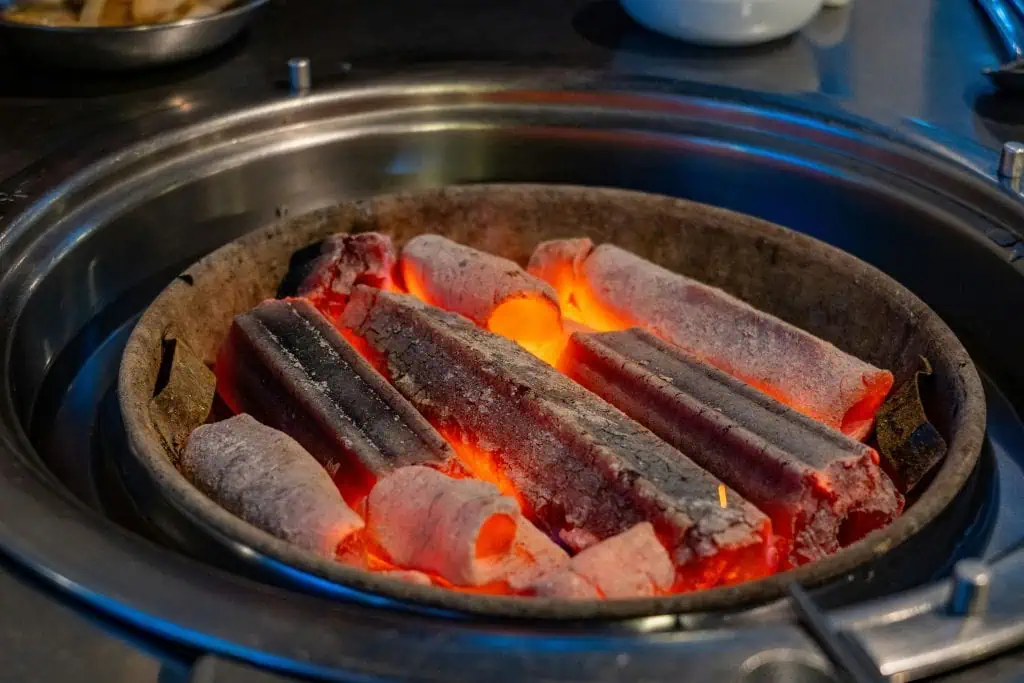
Activated charcoal is created by heating carbon-rich materials like coconut shells to extreme temperatures, resulting in a highly porous substance. Its ability to bind to toxins makes it popular for detoxification. In culinary use, its porous texture and striking color add a unique aesthetic and subtle flavor. Understanding its absorption properties ensures it's used effectively and safely in recipes, enhancing both visual appeal and health benefits without overpowering the dish.
Creative Charcoal-Inspired Dishes

Charcoal lends itself wonderfully to both savory and sweet creations. In bread, it adds an intriguing dark hue, while maintaining a soft texture and mild taste. Charcoal can enhance ice creams by adding a dramatic black tone, complemented by flavors like vanilla and coconut. Use it sparingly in pasta dough for an impressive presentation paired with vibrant sauces, creating contrast. Balancing its visual impact with other ingredients is key to achieving a balanced and innovative dish.


