
8 Breads to Skip and 8 Dietitian-Approved Picks

Bread is a staple in many diets, but not all loaves are created equal. Some offer little nutritional value, while others may be surprisingly beneficial. With so many options lining the shelves, it's critical to understand which breads provide genuine nutritional benefits and which are best left behind. Let’s explore the bread varieties dietitians recommend avoiding and highlight healthier choices that can enhance your meals without compromising on taste or nutrition.
Avoid White Bread: The Empty Calorie Trap

White bread is a classic example of form over function. Stripped of bran and germ during processing, it lacks essential nutrients and dietary fiber, offering little more than empty calories. The swift digestion of refined flour spikes blood sugar, leading to energy crashes. Instead, choose whole grain breads that retain their nutrient-dense components. Whole grains support steady energy and digestion, featuring a hearty texture that’s both satisfying and healthful.
Flavored Breads: Hidden Sugars Alert
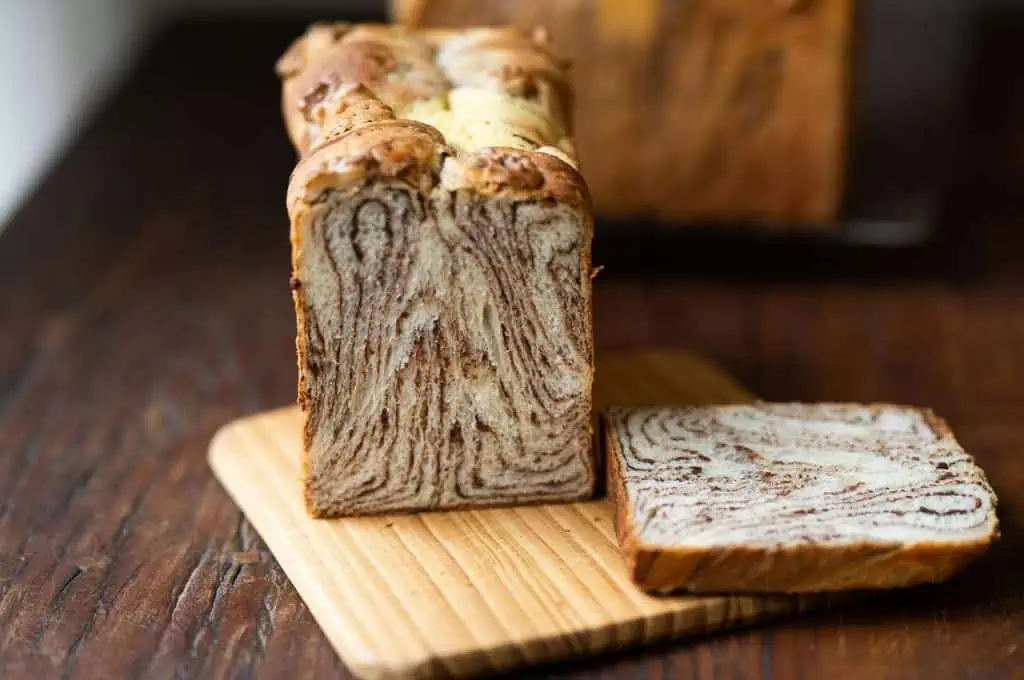
Flavored breads, such as cinnamon-raisin or honey wheat, often contain added sugars that can contribute to a higher calorie count without offering substantial nutrition. These sugars can lead to fluctuating energy levels and concealed calorie intake. When craving flavor, opt for plain whole grain or rye breads and add natural toppings like avocado or nut butter. This way, you control the sweetness while benefiting from the bread's fiber and nutrients.
Multigrain: Not Always Whole Grain
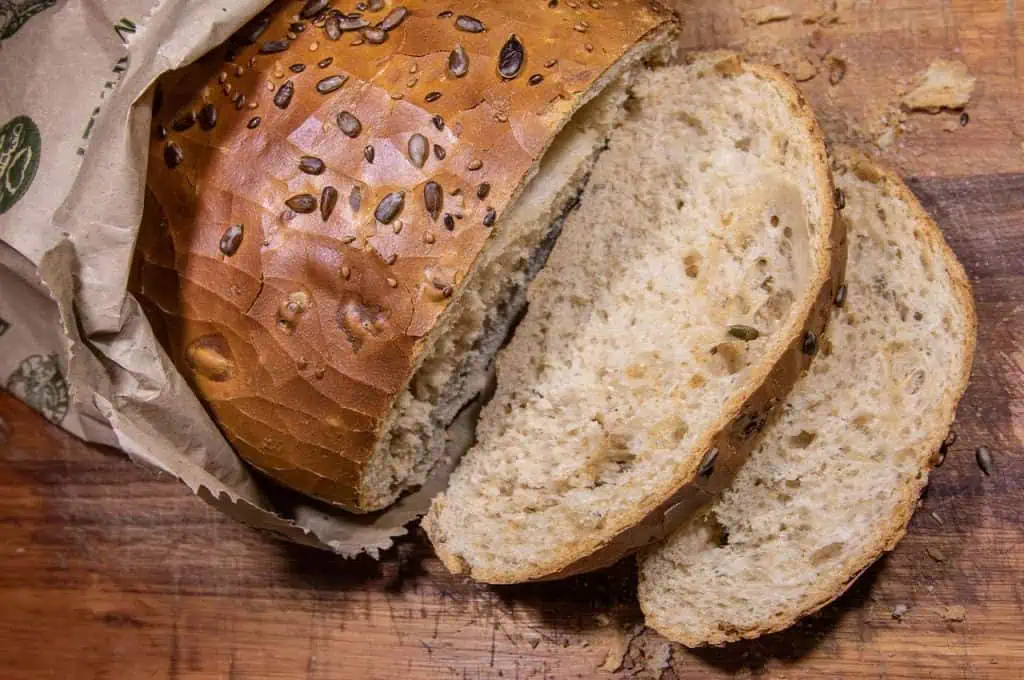
Multigrain breads can be misleading, as they often contain multiple types of grains without being whole. This can result in a product similar to white bread, devoid of fiber and essential nutrients. To ensure you're getting a wholesome product, look for labels that specify “100% whole grain” or “100% whole wheat.” These breads offer complex carbohydrates and fiber that support heart health and promote a feeling of fullness, enhancing your meals nutritionally.
Low-Carb with Additives: Think Twice

Low-carb breads often rely on additives like modified wheat starch or artificial sweeteners to reduce carbohydrate content. While these might initially seem appealing, such modifiers can upset digestive function and often sacrifice flavor and texture. Instead, select naturally low-carb options like sprouted grain breads, where the sprouting process enhances nutritional value and digestibility. These choices provide complex textures and robust flavors, aligning with both health goals and culinary enjoyment.
Gluten-Free: Misleading for Some
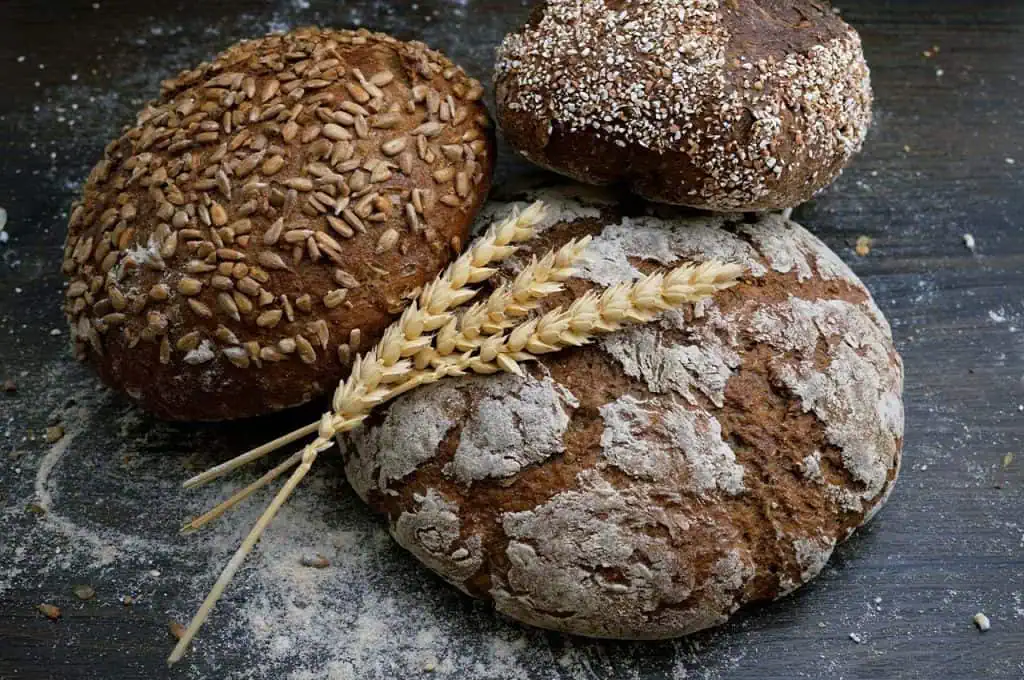
While gluten-free bread can be crucial for those with celiac disease, it doesn't guarantee health benefits for everyone. Many gluten-free options are made with starchy refined flours, lacking fiber and essential nutrients. Always scrutinize ingredients for whole grain substitutions like brown rice or sorghum flour. Aim for breads with added seeds or nuts to boost fiber and protein. This ensures you get a nutritious product suitable for a balanced diet.
Store-Bought Garlic Bread: Sodium Surprise

Pre-packaged garlic bread often contains alarming levels of sodium and unhealthy fats. For a healthier alternative, make your own using whole grain baguettes, fresh garlic, and a light brushing of olive oil. Add herbs like basil or parsley for flavor without extra salt. Baking it at a high temperature will give a crispy texture and allow fresh flavors to shine through, providing satisfaction without the sodium overload.
“Wheat” Bread Often Means White

Many breads labeled as “wheat” are made primarily with refined white flour, offering little nutritional value. To ensure you're getting a nutrient-rich option, look for “100% whole wheat” on the label. Whole grains provide more fiber, vitamins, and minerals. Check for short ingredient lists, where whole wheat is the first component. This simple step can significantly improve your bread's health benefits and support better digestion.
Sweet Rolls as Breakfast: Sugar Bombs

Sweet rolls, like cinnamon buns, offer little more than a rapid sugar spike. Opt for whole grain or oatmeal-based breakfasts that provide sustained energy. When craving a touch of sweetness, consider whole grain muffins sweetened with banana or applesauce instead. These alternatives are both satisfying and nutritionally balanced, helping you start the day with stable blood sugar and longer-lasting energy.
8 Dietitian-Approved Picks

Not all bread is created equal—and if you're looking to eat healthier, the right loaf can make a big difference. Dietitians recommend skipping the overly processed varieties and opting for breads packed with whole grains, fiber, and real ingredients. These eight dietitian-approved options are not only better for your gut and blood sugar but also satisfy that carb craving without the guilt.
100% Whole Grain: A True Classic
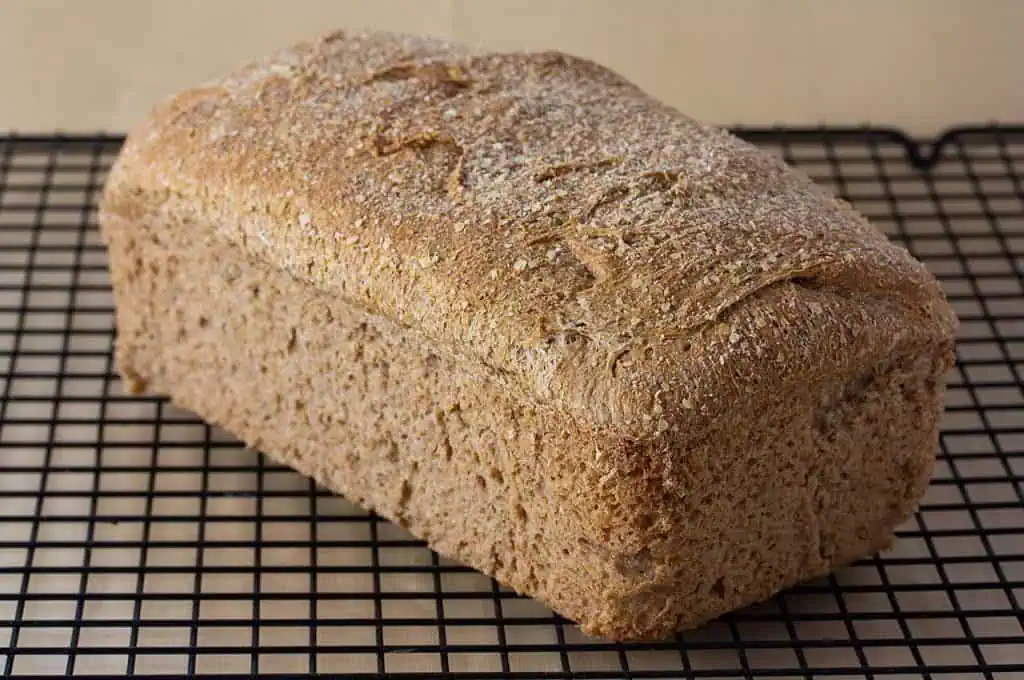
Embracing 100% whole grain bread means choosing a nutritionally superior option. Rich in fiber, it supports digestive health and offers a robust, nutty flavor profile. Look for loaves with added seeds like flax or chia for extra omega-3 fatty acids and protein. Baking your own can further enhance quality; allow the dough to rise slowly for a depth of flavor and optimal texture. This classic choice is both timeless and nourishing.
Sprouted Grain: Nutrient Powerhouse
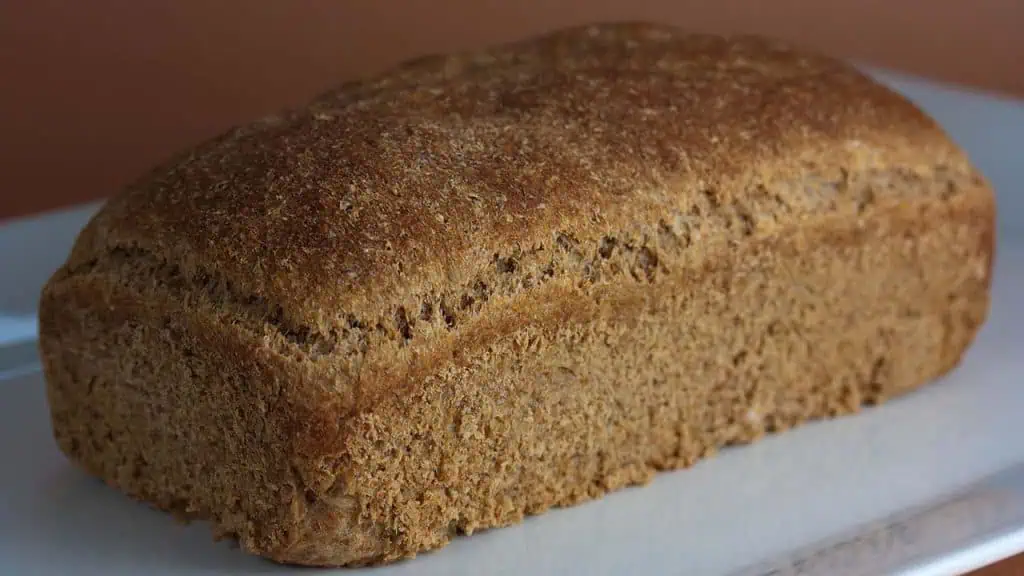
Sprouted grain bread offers a robust nutritional profile that sets it apart from conventional options. The process of sprouting unlocks nutrients in the grains, making them more digestible and increasing the availability of vitamins and minerals such as B vitamins, vitamin C, and iron. This type of bread maximizes fiber content, providing satiety and promoting good digestive health. When selecting sprouted grain bread, look for those using whole, organic ingredients without added sugars. The sprouting process also enhances natural enzymes, contributing to a soft, wholesome texture.
Sourdough: Digestible and Delicious

Sourdough bread is prized for its tangy flavor and improved digestibility. The natural fermentation process involving wild yeast and lactic acid bacteria breaks down gluten and phytic acid, making it gentler on the stomach. Its chewy crust and tender crumb offer a delightful sensory experience. Choose sourdough that relies on simple, whole ingredients, ensuring an authentic fermentation process. The natural fermentation also lends a unique complexity to the bread, resulting in a balance of slightly sweet and subtly sour notes that pairs beautifully with various toppings.
Oat Bread: Fiber-Rich Choice

Oat bread incorporates whole oats or oat flour, making it an excellent source of soluble fiber, which aids in maintaining heart health and stabilizing blood sugar levels. Its mild flavor and slightly sweet undertone complement both sweet and savory accompaniments. Opt for oat bread that features whole grains as the main ingredient and minimal added sugars. The hearty texture of oats provides a satisfying bite, while the natural fibers help improve digestion. Adding nuts or seeds can further enhance the nutritional value and add an appealing crunch.
Seeded Bread: Texture and Health
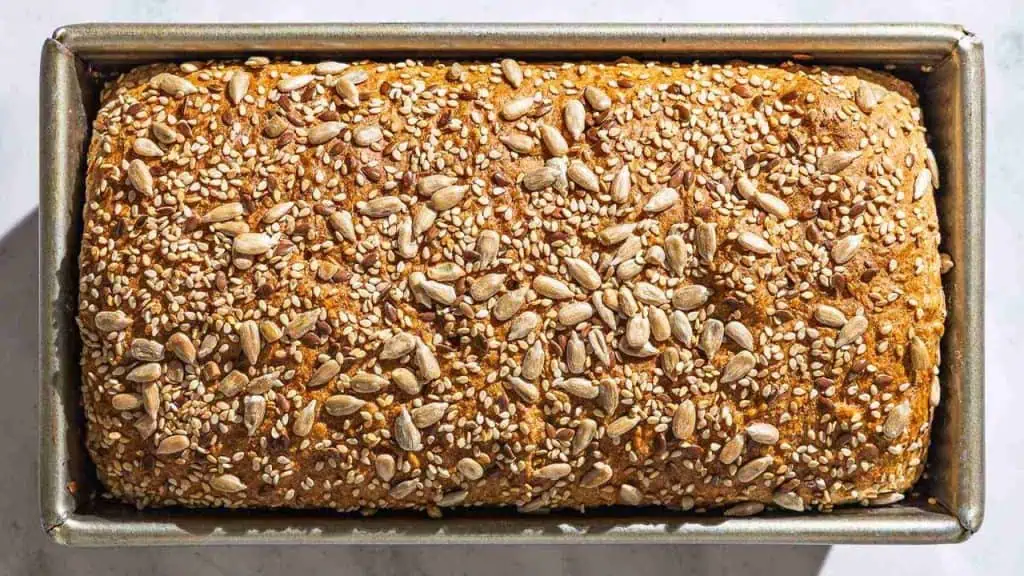
Seeded breads, studded with ingredients like sunflower seeds, flaxseeds, and sesame seeds, offer a robust combination of flavors and nutrients. These seeds pack in antioxidants, omega-3 fatty acids, and proteins, contributing to a healthier bread option. The seeds provide a delightful crunch and an earthy flavor that deepens with each bite. When choosing seeded bread, check for whole grain flour bases and a generous distribution of seeds. This type of bread pairs excellently with spreads and toppings, enhancing both its textural and nutritional appeal.
Get the recipe: Seeded Bread
Rye Bread: European Staple
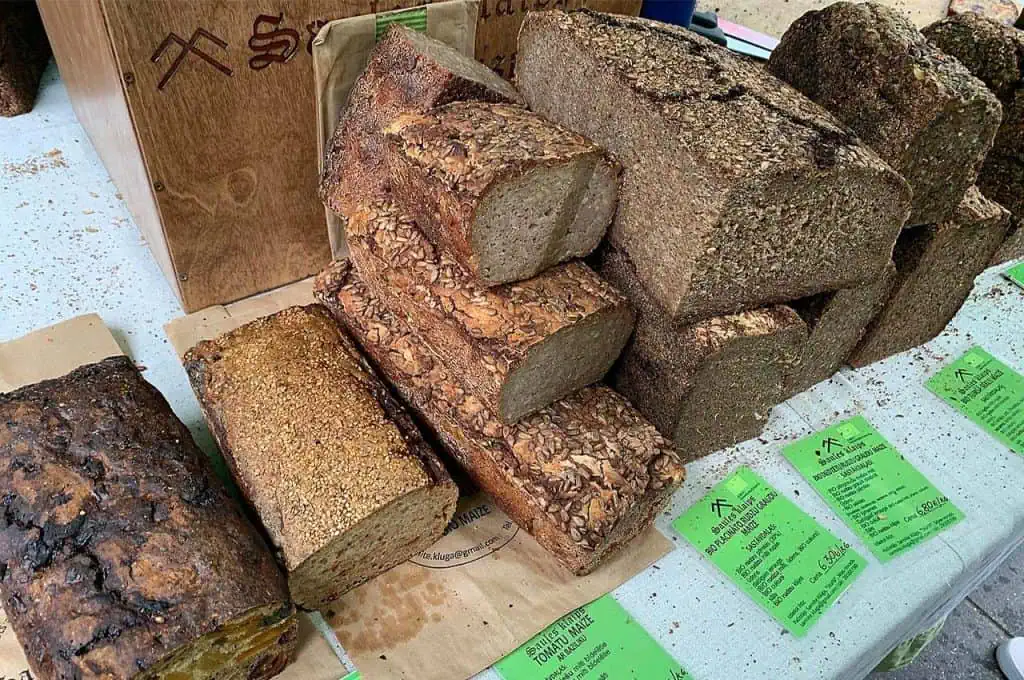
Rye bread, a staple in many European cuisines, boasts a dense crumb and a distinct, slightly sour taste. It's made from rye flour, which is lower in gluten than wheat, resulting in a denser loaf with a satisfyingly chewy texture. Rich in fiber, rye bread supports digestion and can contribute to improved blood sugar control. When seeking out rye bread, look for those with a higher percentage of whole grain rye flour. Its hearty nature makes it a perfect companion to strong flavors like cheeses and smoked meats, enhancing any meal with its robust character.
Ezekiel Bread: Protein and Fiber Source
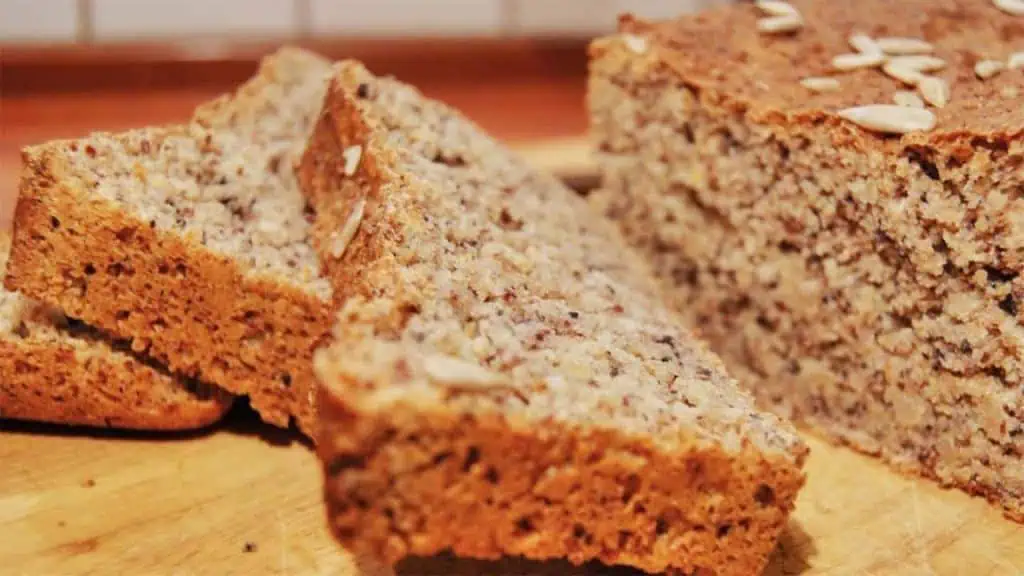
Ezekiel bread, renowned for its nutritional profile, offers a satisfying blend of protein and fiber. Made from sprouted whole grains and legumes, it provides all nine essential amino acids. This bread's unique fermentation process enhances bioavailability, making its nutrients more accessible. Minimal preservatives and a robust nutty texture set it apart from conventional options. Toasting brings out a pleasant chewiness, ideal for hearty sandwiches or breakfast slices topped with avocado. Choose Ezekiel for a wholesome, balanced addition to your diet.
Get the recipe: Ezekiel Bread
Homemade Bread: Personal Touch, Healthy Choice

Homemade bread unlocks creativity and control over ingredients, allowing for a healthier and personalized loaf. By selecting whole grain flours and minimizing sugar, you can enhance nutritional value and flavor. The process of kneading develops gluten, contributing to a satisfying crumb. Freshly baked bread offers an unparalleled aroma, creating a comforting ambiance. Experiment with seeds, herbs, or different grain blends to suit your taste. Baking at home not only provides a nourishing option but also the gratifying experience of creating something truly yours.


