
12 Ingredients You’ve Been Using Wrong This Whole Time

The kitchen is a world of alchemy, where the simplest ingredients transform into masterpieces. But what if some of the ways we’ve been using our ingredients were all wrong? Whether it’s a culinary shortcut or an outdated method passed down through generations, there’s often a better way to unlock an ingredient’s full potential. Let’s revisit these common kitchen staples and discover the best techniques for using them.
Olive Oil
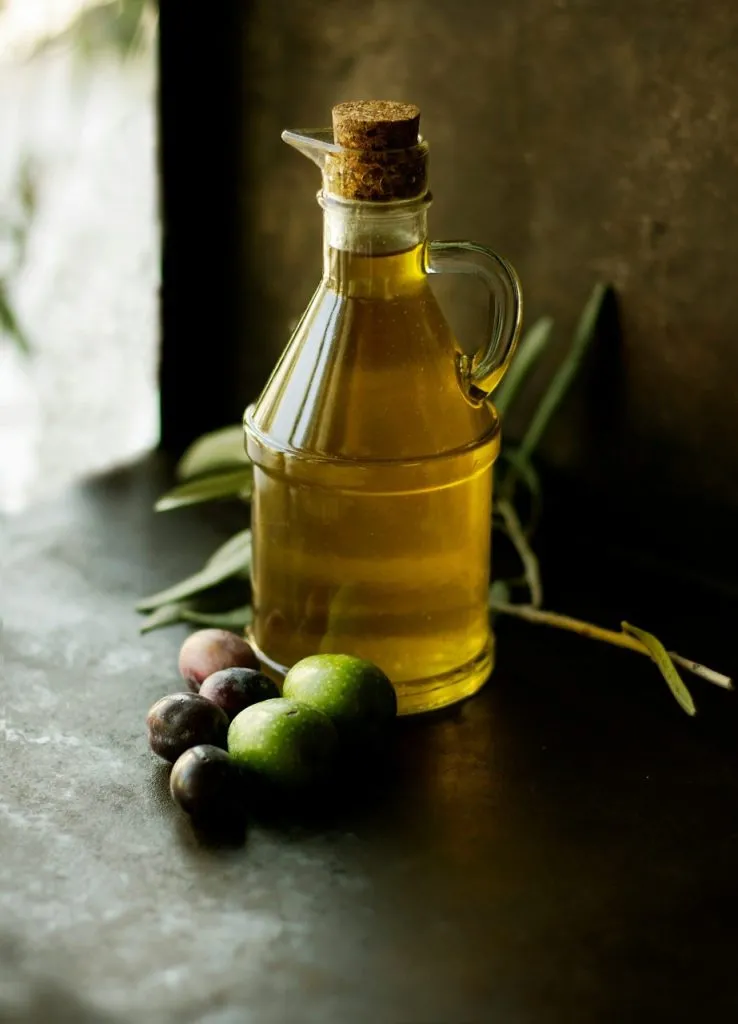
Olive oil, with its rich, peppery flavor, is often poured straight into hot pans, but doing so might cause the delicate oil to lose its flavor and health benefits. For a more refined experience, try drizzling olive oil over roasted vegetables just before serving, allowing its fruity essence to shine without the risk of burning. Additionally, store it in a dark bottle, away from light, to preserve its freshness and antioxidants. It’s a simple change, but it transforms the dish.
Garlic
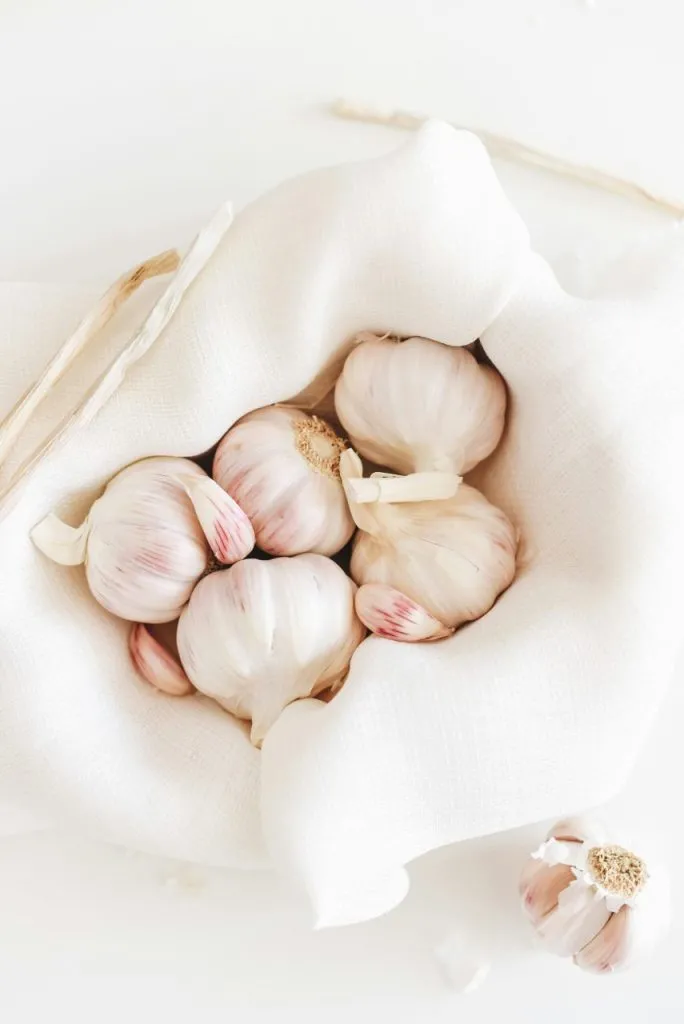
Garlic is the undisputed king of flavor, but many of us make the mistake of crushing or mincing it too early. Doing so exposes the delicate oils to air, causing them to degrade and leaving the garlic with a harsh, bitter taste. Instead, try waiting until just before you’re ready to cook to crush or slice your garlic. This maintains the integrity of its flavors and prevents the bitterness that can arise from overexposure.
Basil

Basil, the vibrant herb beloved in Italian cuisine, should never be refrigerated. When stored in the cold, it wilts quickly and loses its fragrant aroma. Instead, treat basil like fresh flowers: place it in a glass of water on your countertop, much like you would a bouquet. This helps keep its leaves vibrant and aromatic. When you’re ready to use it, tear rather than chop it—tearing releases essential oils, offering a more intense flavor.
Salt

It’s tempting to sprinkle salt over food from above, but this is a mistake many cooks make. Salt should be added in layers as you cook, allowing it to properly integrate into dishes. By salting at the beginning, during cooking, and at the end, you build depth of flavor. Additionally, when seasoning at the table, opt for flaky sea salt. Its texture and crunch offer a more nuanced, gourmet finish than regular table salt, and a small pinch goes a long way.
Tomatoes
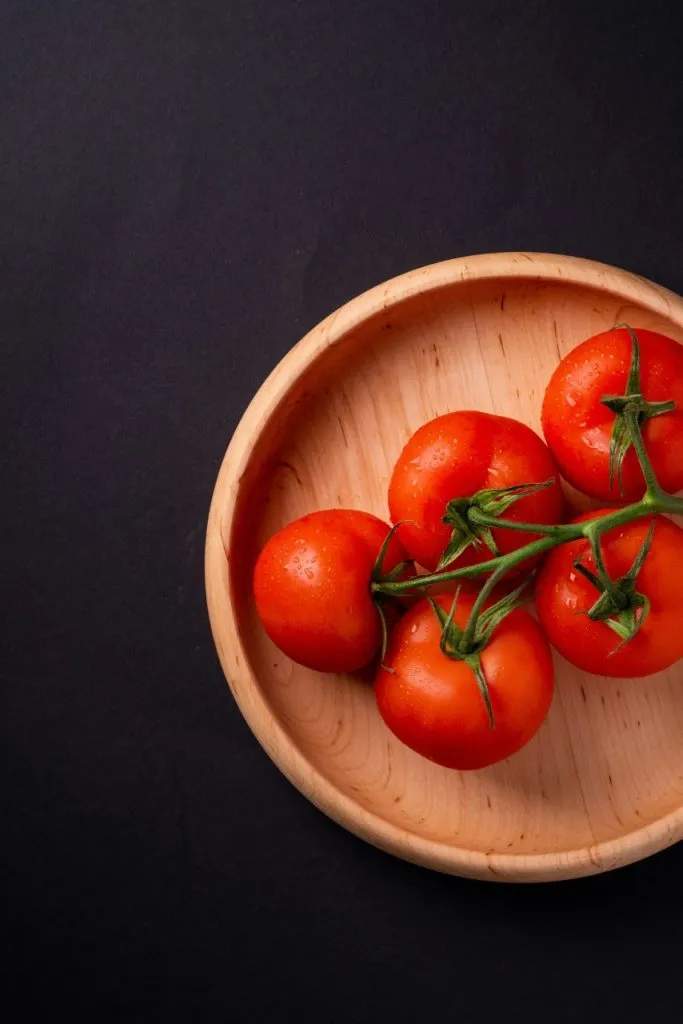
For many, the go-to method for using tomatoes is simply slicing them or throwing them into salads. But tomatoes truly shine when roasted. Roasting intensifies their natural sweetness, concentrating the flavors and giving them a rich, caramelized taste. Try cutting tomatoes in half, drizzling them with olive oil, and roasting them at high heat. This method brings out their umami and creates a completely new depth of flavor—perfect for sauces or garnishes
.
Butter
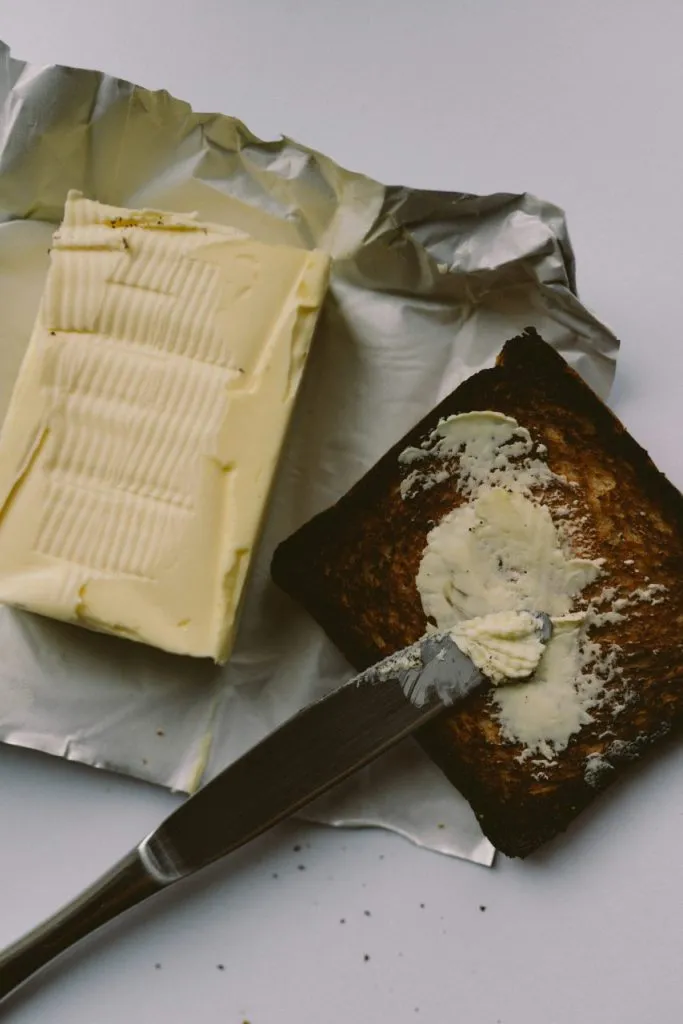
Butter is often seen as a one-dimensional ingredient, used only for sautéing or baking. However, many miss the chance to deepen its flavor by browning it. Browning butter—heating it slowly until the milk solids caramelize—transforms it into something more complex and nutty. You can use browned butter to enhance sauces, drizzle over vegetables, or even add richness to cookies. It’s a simple step that takes your cooking to a new level without much extra effort.
Cinnamon
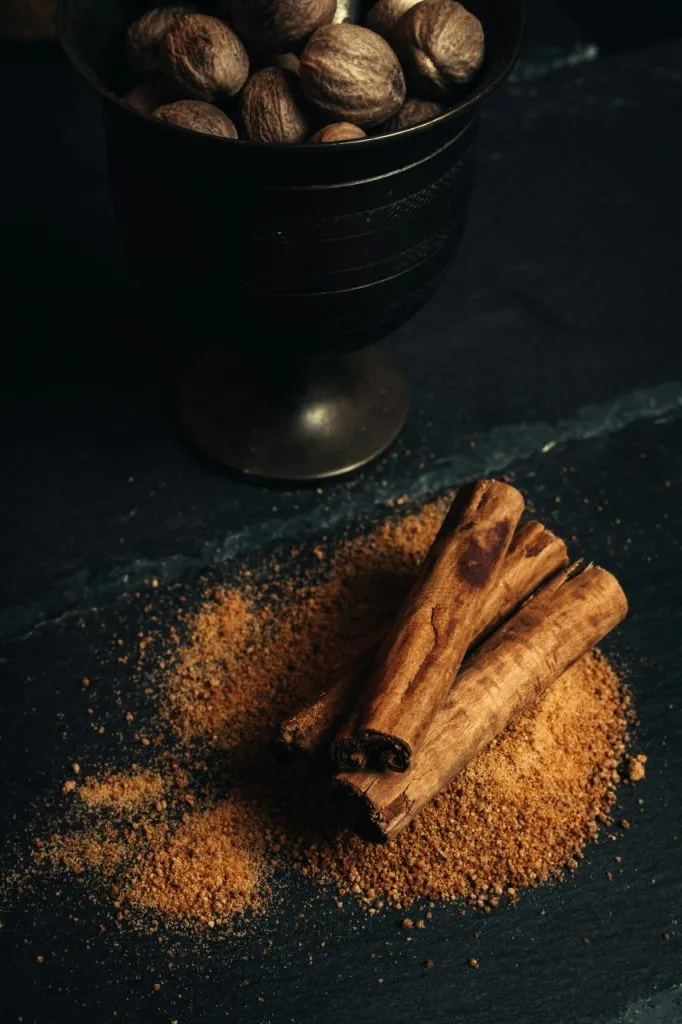
Cinnamon, while fragrant and flavorful, can be overpowered by heat, especially when added too early in cooking. To get the most out of cinnamon’s aromatic properties, try adding it toward the end of cooking. This allows the spice to permeate the dish without burning and losing its nuanced sweetness. For even more complexity, toast whole cinnamon sticks in a dry pan before grinding them. The heat unlocks essential oils, resulting in a more vibrant, rounded flavor.
Rice
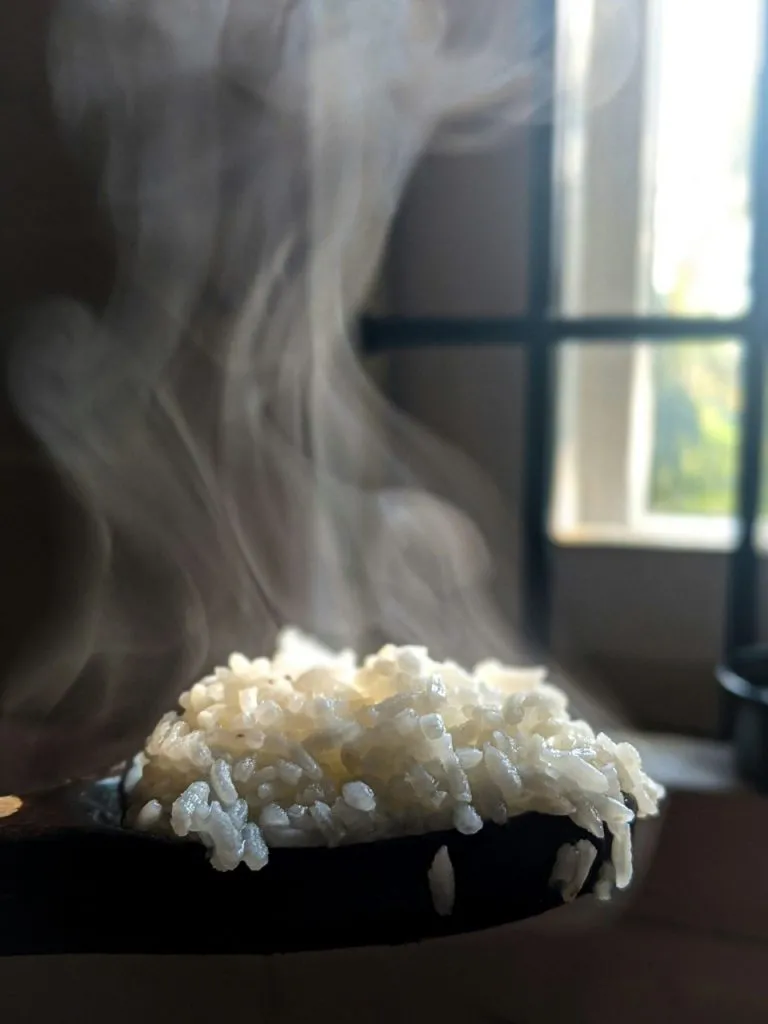
Rice is often treated as a simple side dish, but using it incorrectly—especially overcooking it—can result in a soggy, mushy mess. To perfect your rice, rinse it thoroughly before cooking to remove excess starch, which can cause clumping. For fluffy, separate grains, use the ratio of 1 cup of rice to 1.5 cups of water and cook it over low heat. Don’t lift the lid during cooking, as the steam is essential for the rice’s texture. This method ensures perfectly cooked rice every time.
Avocados
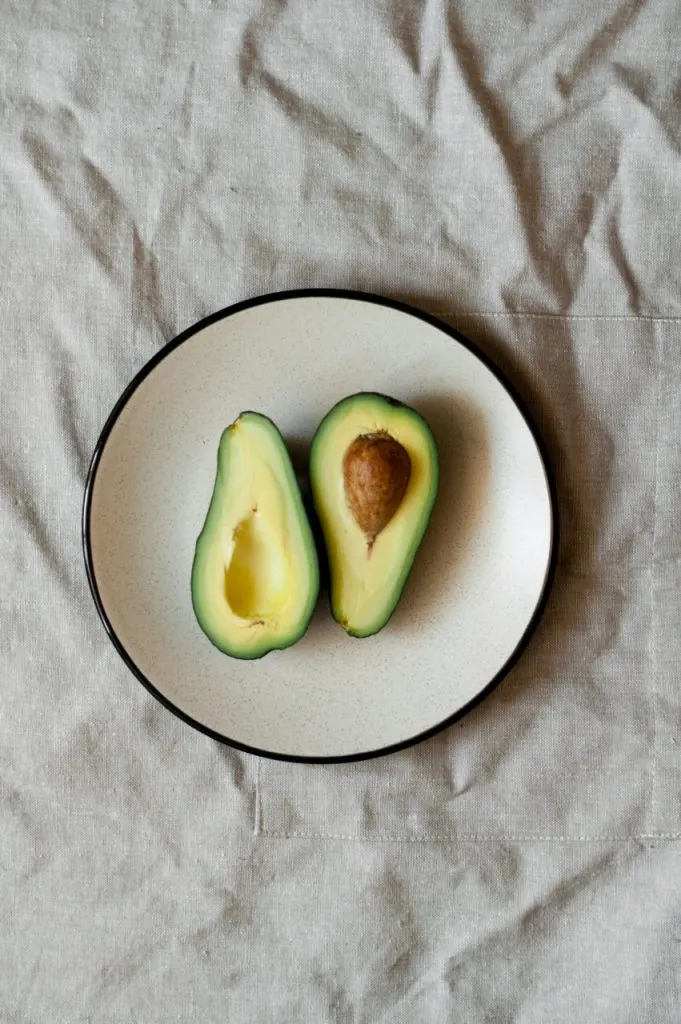
We’ve all encountered that frustration when our avocado is either too hard or mushy. The key to ripening avocados lies in patience—and a paper bag. Place the avocado in a paper bag with an apple or banana to speed up the ripening process. These fruits emit ethylene gas, which triggers the avocado’s ripening. Once ripe, refrigerate the avocado to prevent it from becoming overripe. This simple trick ensures you enjoy perfectly ripe avocados for all your culinary needs.
Onions
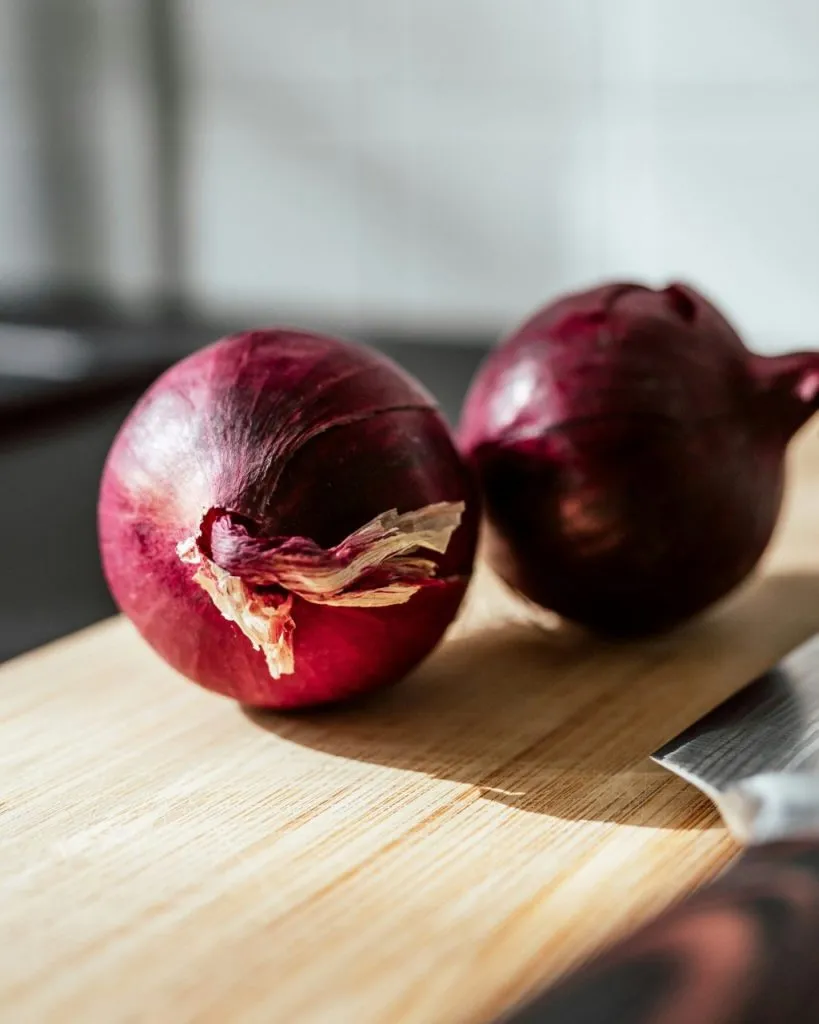
While we often chop onions and throw them directly into dishes, their true potential lies in the art of caramelization. By cooking onions low and slow over medium heat, you unlock a sweetness and depth that raw onions or quick sautéed onions cannot achieve. The process draws out the natural sugars, creating a rich, golden-brown color and a mellow flavor. It might take longer, but the result is a sweet, savory base for soups, stews, and sauces that elevates any dish.
Honey

Honey is more than just a sweetener—it’s a flavor enhancer. But using it straight from the jar in tea or on toast doesn’t showcase its full potential. To bring out the rich complexity of honey, warm it gently. When slightly heated, honey becomes more fluid and releases a deeper, floral aroma. Try drizzling it over roasted vegetables, glazing meats, or adding it to salad dressings. The subtle flavor transformation it undergoes with warmth makes it an indispensable ingredient.
Parmesan

We often use grated Parmesan straight from the container, but the real magic happens when you use it fresh. A wedge of Parmigiano Reggiano, when freshly grated, releases volatile oils that add complexity and depth. Additionally, always add Parmesan at the end of cooking. High heat can cause the cheese to become grainy and lose its signature flavor. By adding it at the last moment, you preserve the luxurious richness that this cheese imparts.


