
9 Foods That Smell Strange But are Surprisingly Delicious

Food has the power to delight, comfort, and surprise. Yet not every delicious dish announces itself with an inviting aroma. Some of the world’s most beloved foods carry scents that can be strong, unusual, or even off-putting at first. However, what may seem strange to the nose often turns into something remarkable on the palate. From pungent cheeses to fermented delicacies, these foods remind us that flavor does not always match fragrance. Exploring them is an adventure in overcoming first impressions and discovering that some of the oddest smells hide the richest tastes.
Durian

Often called the “king of fruits,” durian is famous for its strong odor, which many describe as a mix of onions, garlic, and something sweet left out too long. Its smell is so intense that it is banned in hotels and public transport in parts of Southeast Asia. But once past the initial scent, durian reveals a custard like texture and a taste that blends sweetness with savory depth. Many fans compare it to a mix of vanilla, almonds, and caramel with a touch of garlic. For those willing to try it, durian becomes addictive, proving that bold aroma can mask incredible flavor.
Blue Cheese

Blue cheese carries a powerful scent that can resemble strong earth, grass, or even socks left in the laundry. This comes from the mold cultures used during aging, which create the signature blue or green veins running through the cheese. Despite its sharp smell, the taste is rich, creamy, and complex. The tangy bite of blue cheese enhances salads, melts beautifully into sauces, and pairs perfectly with fruit and wine. Its bold character is exactly what makes it treasured by cheese lovers around the world.
Kimchi
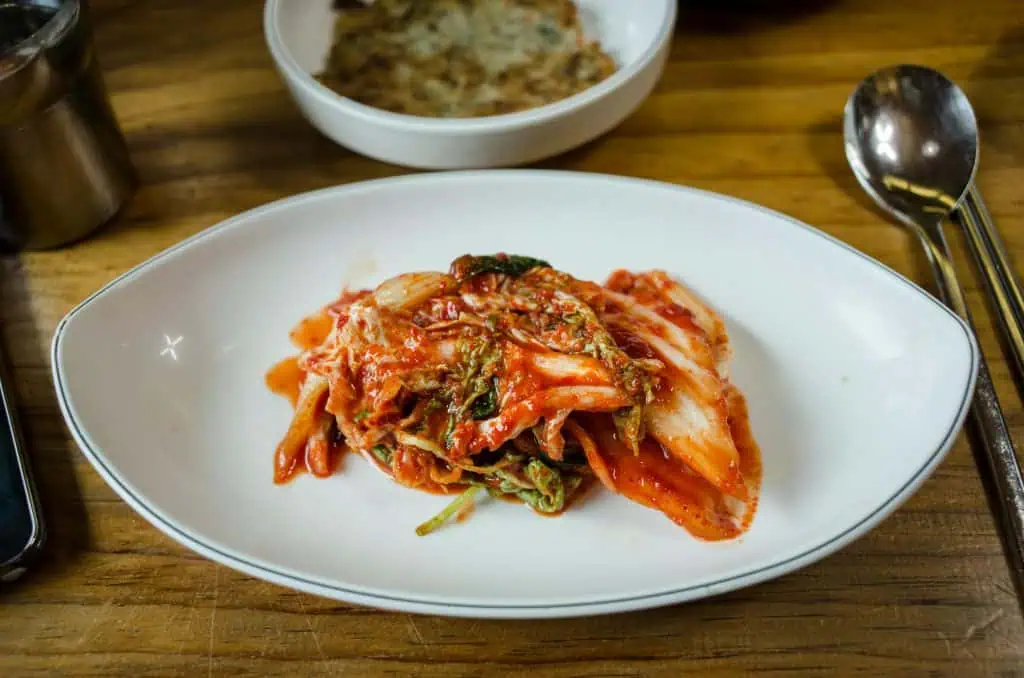
Kimchi is a staple of Korean cuisine, made from fermented cabbage, radishes, and spices. The fermentation process produces a sour, pungent aroma that can seem overwhelming to those unfamiliar with it. The scent comes from the natural gases released during fermentation, similar to sauerkraut but with a stronger kick. On the tongue, kimchi is vibrant, spicy, and refreshing. It adds crunch, heat, and depth to rice dishes, soups, and barbecues. Once tasted, the aroma makes sense as part of the balance of flavors. Kimchi has grown into a global favorite, showing that fermented foods often smell intense but taste incredible.
Truffles
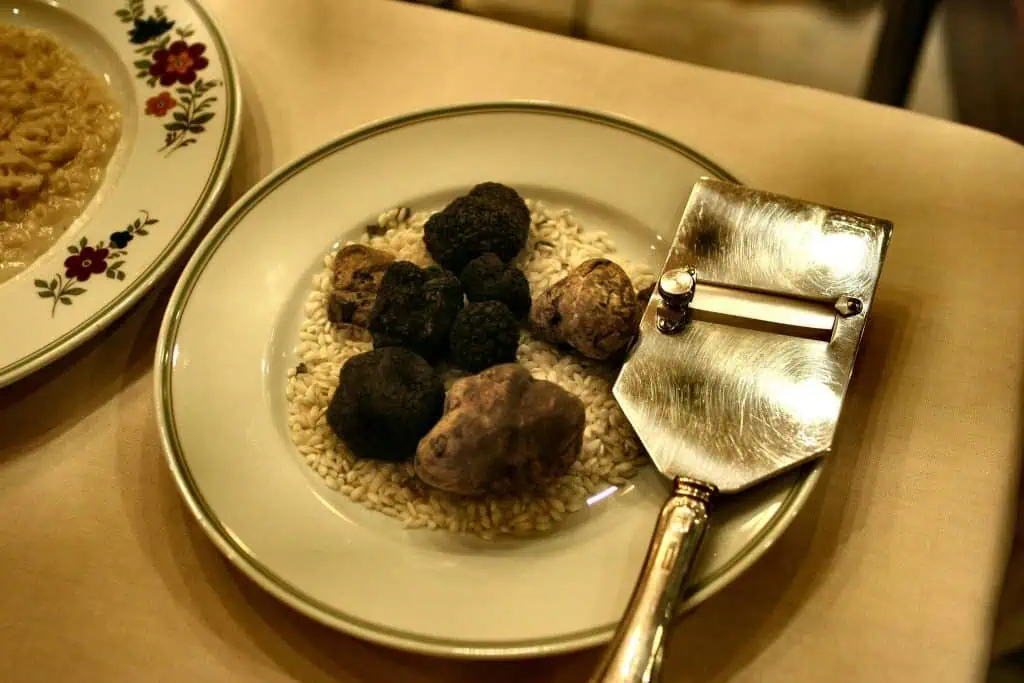
Truffles are prized in fine dining but are known for their earthy, musky scent that some describe as reminiscent of damp soil or even gasoline. The aroma is powerful and unmistakable, often filling a room the moment truffles are shaved over a dish. That same aroma is what makes truffles so special on the plate. Just a few shavings can transform pasta, risotto, or eggs into an unforgettable meal. Their rich umami flavor lingers on the palate and elevates the simplest ingredients into luxury.
Sauerkraut

Fermented cabbage, known as sauerkraut, gives off a sour and slightly sulfuric smell that can be surprising at first. The aroma comes from the fermentation process, which develops lactic acid and complex flavors over time. When eaten, sauerkraut is tangy, crisp, and refreshing. It pairs perfectly with sausages, sandwiches, and roasted meats. The sharp scent gives way to a flavor that cuts through heaviness and balances richness, which is why it has remained a staple in European kitchens for centuries.
Natto
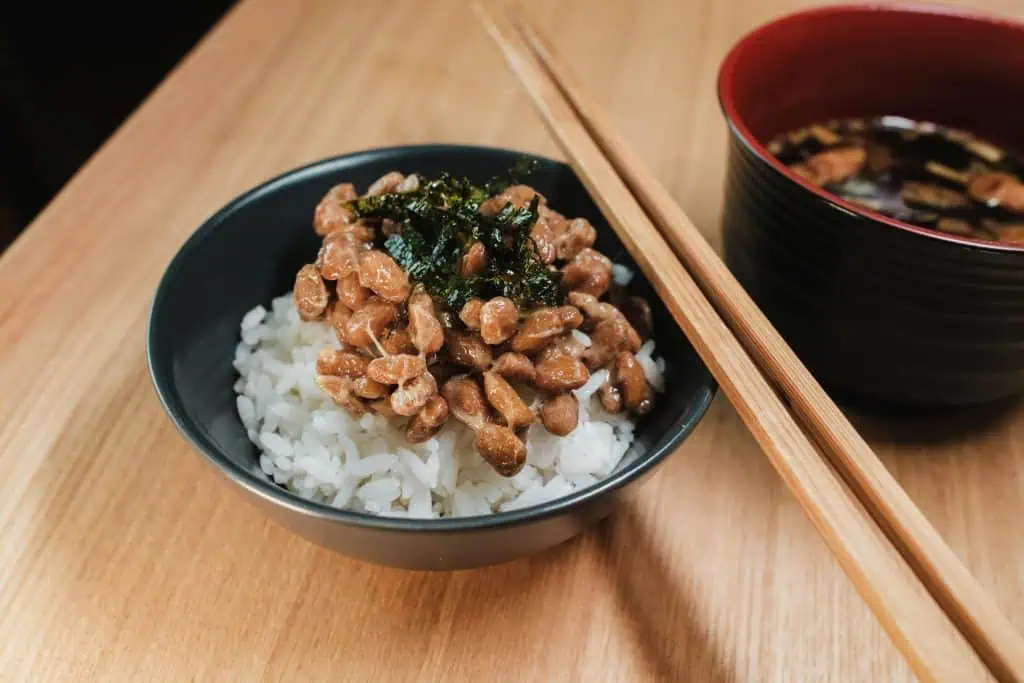
Natto, a traditional Japanese food made from fermented soybeans, is notorious for its smell, which is often compared to old cheese or ammonia. It also has a sticky texture with long strings that can make it seem intimidating to newcomers. Yet natto has a deep, savory flavor with a hint of nuttiness. It is often served with rice and soy sauce for breakfast in Japan and is valued for its health benefits, including probiotics and protein. Those who grow accustomed to its aroma find it to be one of the most nourishing and comforting foods in Japanese cuisine.
Anchovies

Anchovies have a strong fishy scent that can turn people away before they even taste them. The smell comes from the curing process, where the small fish are preserved in salt, concentrating both aroma and flavor. On the plate, anchovies deliver an intense umami punch. They melt into sauces, enrich pizzas, and add depth to salad dressings such as Caesar. Their strength in scent is exactly what makes them so powerful in flavor, transforming dishes with just a small amount.
Stinky Tofu
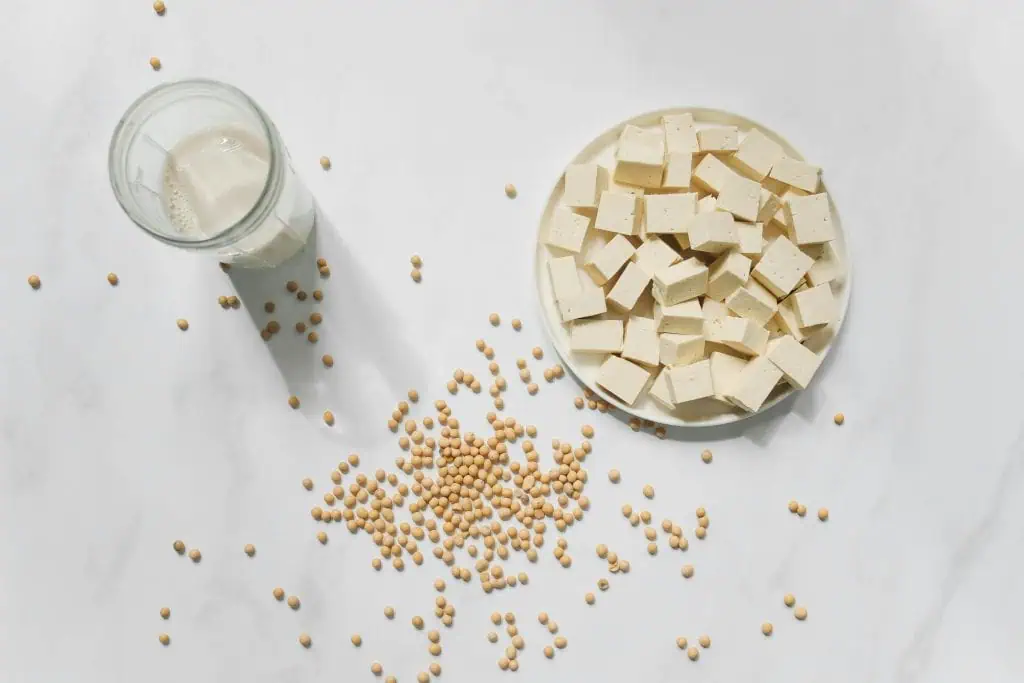
A famous street food in parts of China and Taiwan, stinky tofu has an odor that lives up to its name. The fermentation process gives it a smell that some compare to sewage or rotting food. However, once cooked and served with sauces or spices, stinky tofu is crispy on the outside and soft inside, with a flavor that is both rich and comforting. For locals and adventurous travelers alike, it is a delicacy worth embracing despite its unforgettable aroma.
Garlic

Garlic is beloved in cooking, but raw garlic can release a sharp, sulfuric smell that lingers on the breath and in the air. This intensity can make it seem unpleasant in its raw state. When roasted, sautéed, or simmered, garlic transforms completely. Its flavor becomes sweet, nutty, and mellow, adding depth to everything from sauces to breads. The same compounds that create its strong smell are what give garlic its unforgettable taste, proving that this humble bulb deserves its place as a global kitchen essential.


