
9 Everyday Foods You Should Never Refrigerate (And How to Store Them Like a Pro)

Experienced cooks know that while refrigeration extends the shelf life of many foods, it's not always the best choice for every ingredient. Understanding which everyday foods thrive outside the fridge not only enhances their flavor but also preserves their texture and nutritional value. By storing these foods properly, you can maintain their integrity and enrich your culinary creations. We'll explore how to keep these staples at their best, starting with fresh tomatoes and ending with aromatic garlic.
Tomatoes: How to Preserve Their Flavor

Tomatoes lose their natural taste and become mealy when stored in the fridge. For optimal flavor and texture, keep them at room temperature, stem side down, in a single layer. To extend ripeness, place them in a bowl away from direct sunlight, ensuring they have space to breathe. This allows the tomatoes to ripen evenly and retain their vibrant taste, ideal for salads or sauces.
Potatoes: Avoiding the Cold

Refrigerating potatoes alters their starches, resulting in an unpleasantly sweet flavor and gritty texture. Store them in a cool, dark place, such as a pantry or cellar, using a breathable bag made of paper or a basket to allow airflow. Keep them away from onions to prevent sprouting. This method maintains their earthy, nutty flavor and ensures they are perfect for roasting, mashing, or frying.
Onions: Keep Them Crisp

Onions demand a dry, ventilated environment to remain crisp and flavorful. Avoid the fridge where moisture can cause them to become soft. Instead, use a mesh bag or open basket and store them in a cool, dark area. Separate types for varied storage longevity. This preserves their pungent taste, making them an essential ingredient for sautés and salads alike.
Garlic: Let It Breathe
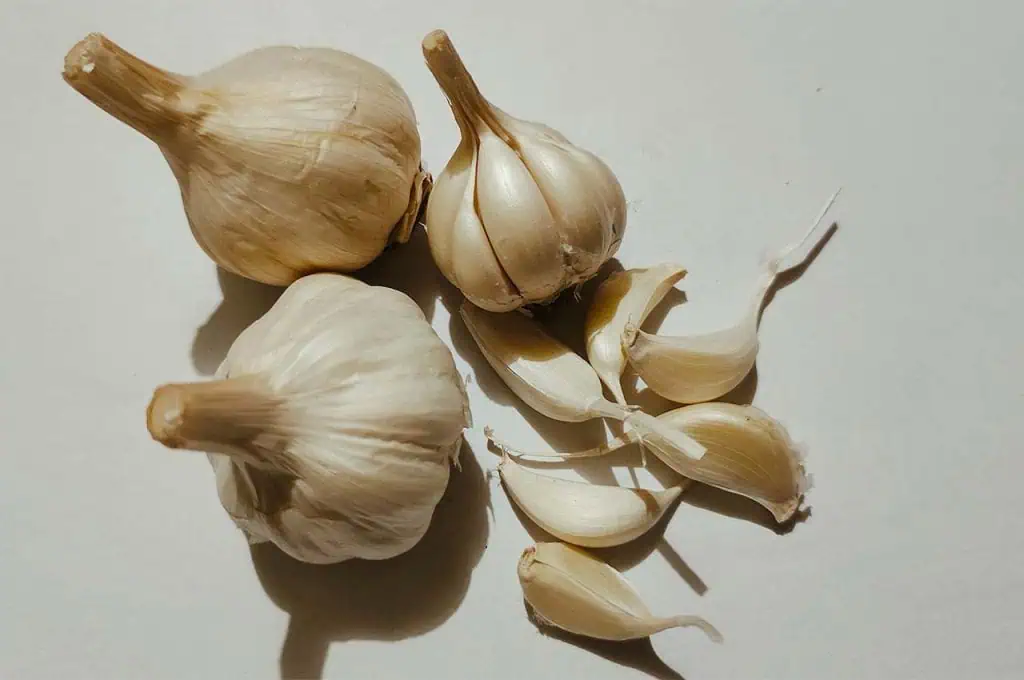
Garlic needs air and dry conditions to stay fresh. Refrigeration can lead to sprouting, which alters its flavor. Opt for a spacious storage method, like a ventilated container or a mesh bag, and place it in a cool, dry spot away from sunlight. This approach keeps the cloves firm, sharp, and aromatic, ensuring they're always ready to add depth to any dish.
Bread: Keep It Fresh Longer

Store bread at room temperature for maximum freshness. Wrap it loosely in a clean cloth or store it in a bread box to allow airflow, preventing mold while avoiding a dry, stale texture. Use a sharp bread knife for even slicing, ensuring the crumb stays soft. For longer storage, slice and freeze bread, but never refrigerate it, as the cold accelerates staling. Reheat frozen slices in the oven or toaster to revive the crust's crispness and keep the interior tender.
Bananas: Perfect Ripening Tips
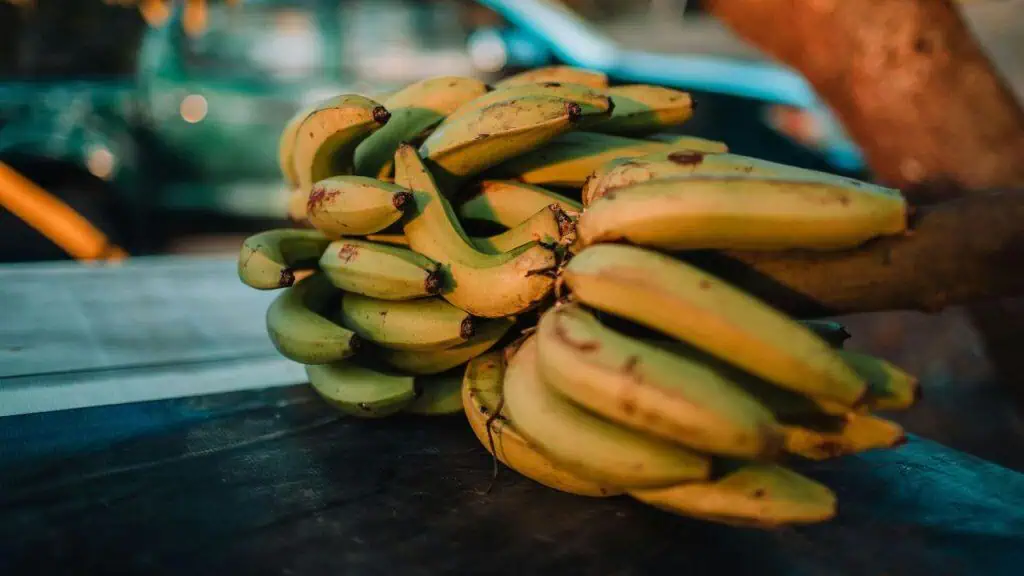
To achieve optimal ripeness, keep bananas at room temperature until they reach your preferred level of sweetness. For faster ripening, place them in a paper bag alongside an apple; the ethylene gas promotes faster maturation. Once ripe, separate bananas to slow further ripening. Avoid refrigeration, as it darkens the peel and alters the texture. Should you need to preserve ripe bananas, peel and freeze them for smoothies or baking.
Honey: Storing Liquid Gold

Maintain honey's quality by storing it in a tightly sealed glass jar at room temperature. Select a dry, dark place to prevent crystallization and degradation caused by light and moisture. Should crystallization occur, gently warm the jar in a bowl of warm water, stirring occasionally to dissolve the crystals without overheating. Avoid refrigeration to keep honey smoothly flowing and robust in flavor, maintaining its natural antibacterial properties.
Coffee: Preserve the Aroma

Keep coffee beans or grounds fresh by storing them in an airtight container, away from light, heat, and moisture. Opt for a dark, cool cupboard, which will safeguard the beans' essential oils and flavors. Grind beans just before brewing to capture the fullest aroma and taste. Avoid freezing or refrigerating coffee, as these environments introduce moisture that can dull flavors. Consistently store in small, manageable quantities for peak freshness.
Avocados: Ripen Just Right

Ripen avocados at room temperature in their natural state. For quicker results, place them in a paper bag with a banana or apple to harness ethylene gas. Once ripe, move them to the fridge if needed, slowing further ripening and extending their usability. To store a cut avocado, cover the flesh with lemon juice and wrap it tightly in plastic wrap, reducing oxidation and keeping it bright green. Use these techniques to savor the creamy texture and subtle flavors.


