
8 foods you must throw out the moment you spot mold

It’s easy to spot a little mold and assume the rest of your food is fine. But in many cases, mold isn’t just a surface problem it spreads invisibly, releasing toxins that can make you sick. While certain aged cheeses and cured meats use safe molds intentionally, most household foods aren’t so lucky. Some items allow mold and bacteria to grow deep below the surface, even when only a small area looks spoiled. Here are eight everyday foods you should toss immediately the moment you notice mold no exceptions.
Bread

Mold spreads through bread faster than you think. Even if you only see one fuzzy spot, invisible threads have already traveled across the loaf. Because spores penetrate deep into its porous texture, slicing away the moldy part won’t make it safe. Toss the whole bag right away.
Soft Cheeses
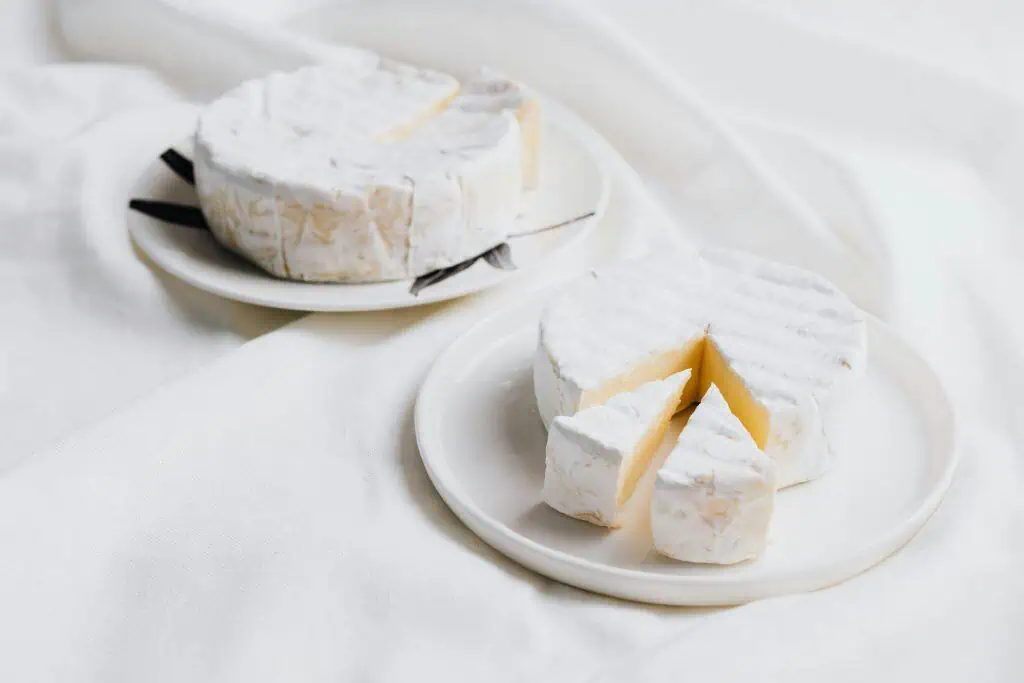
Brie, ricotta, cream cheese, and similar soft cheeses can’t be saved once mold appears. Their high moisture content allows mold and bacteria to spread quickly beneath the surface. Unlike aged cheeses with controlled cultures, these are unsafe once contaminated. Discard the entire container immediately.
Leftover Cooked Grains and Pasta

If you notice mold on leftover rice, pasta, or grains, don’t risk it. These starchy foods retain moisture that helps mold thrive, and heating won’t destroy the toxins that may form. Once you spot green, black, or white fuzz, it’s time for the trash, not the microwave.
Fresh Fruits and Berries
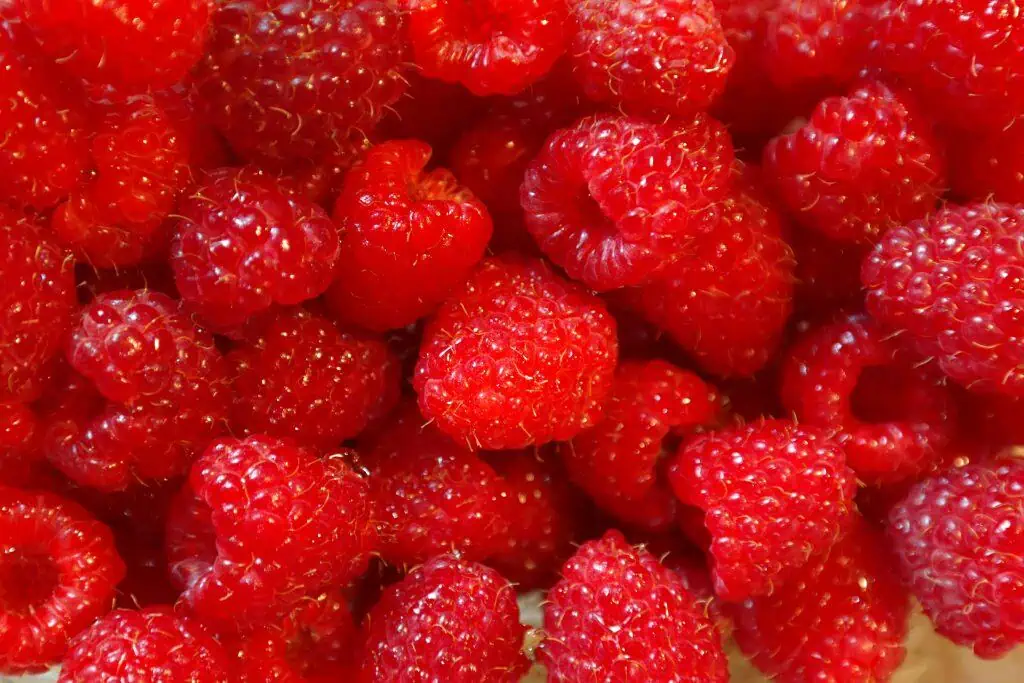
Mold on soft fruits like strawberries, raspberries, or peaches spreads fast and deep. Even if one piece looks fine, the rest are likely contaminated. Mycotoxins from moldy fruit can cause illness, so when you see one spoiled berry, toss the whole container to be safe.
Yogurt and Other Dairy Products
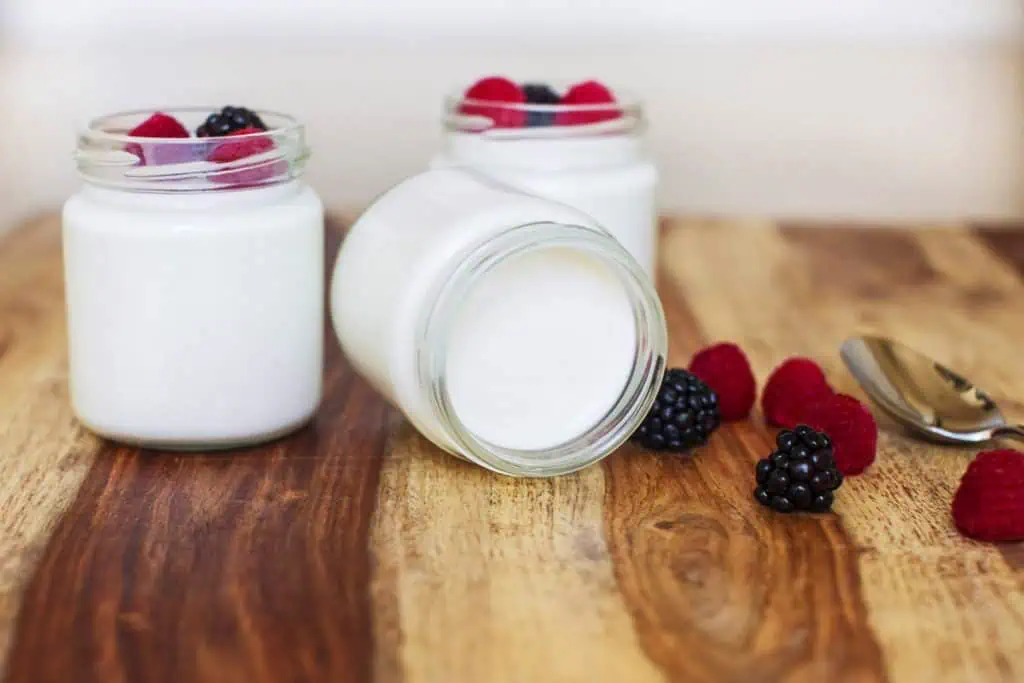
Mold on yogurt, sour cream, or cottage cheese means the entire batch is bad. These dairy products are soft and moist, making it easy for mold to spread throughout the container. Even if it looks isolated, the risk of bacteria is high; throw it out and clean the shelf.
Deli Meats
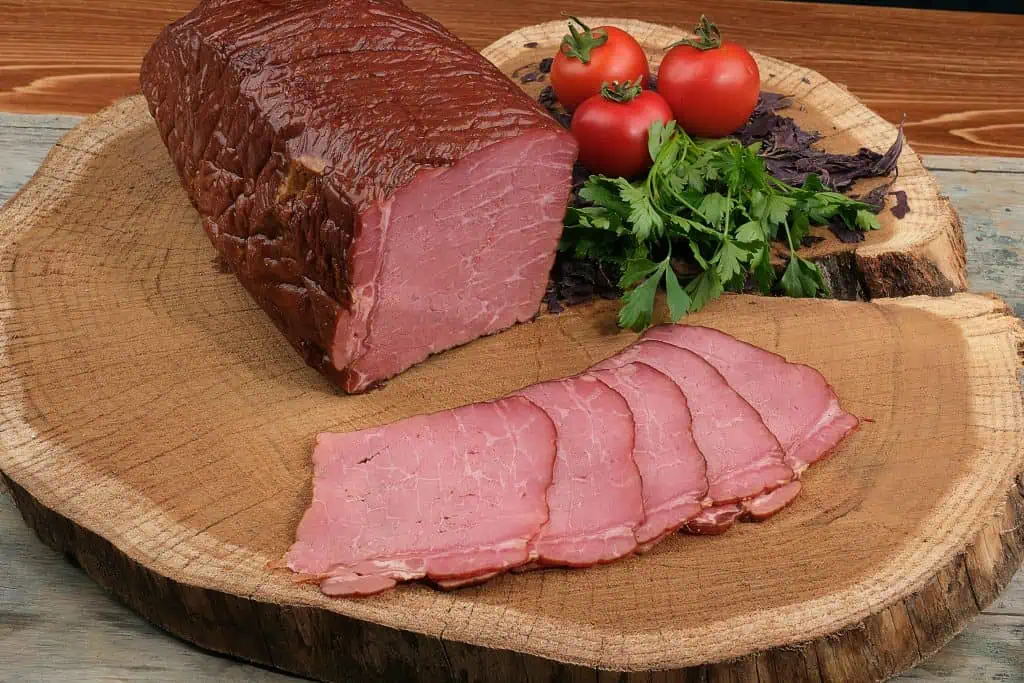
Moldy or slimy deli meat should never be eaten. Once mold develops, it’s a sign that bacteria are growing too. Meats like ham, turkey, or bologna spoil quickly even in the fridge, and no amount of trimming makes them safe again. Always discard at the first sign of mold.
Sauces, Dips, and Spreads
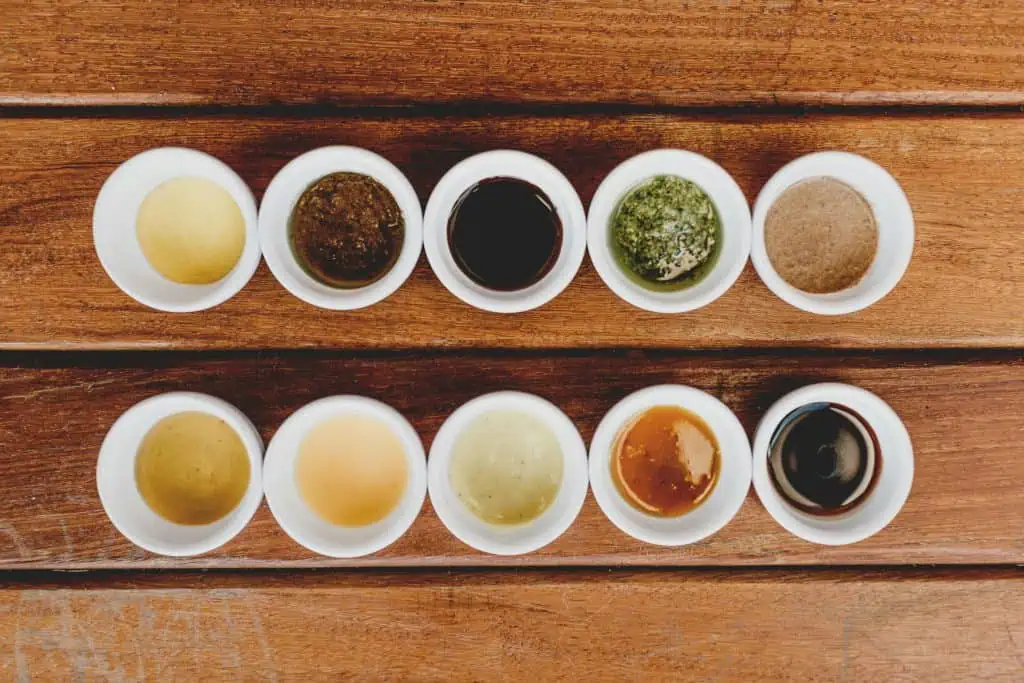
When you spot mold on the rim of a sauce jar or the surface of hummus or pesto, it’s time to let it go. Mold spores spread through the entire product, even if only a small area looks affected. Scraping off the top layer won’t help toss the whole jar.
Cooked Meats and Stews
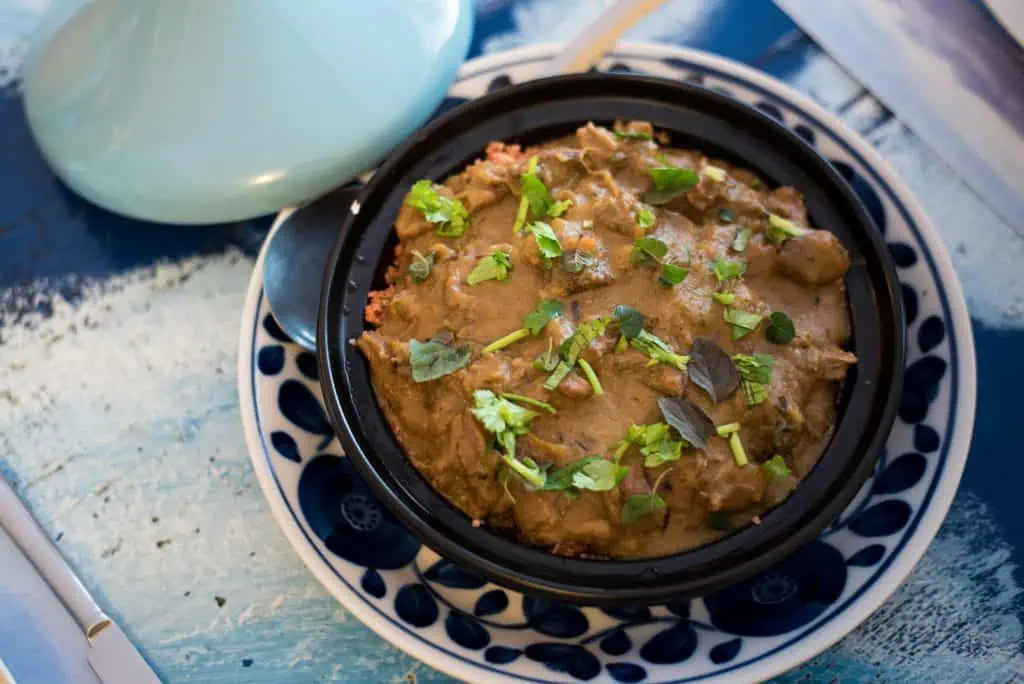
Once mold shows up on leftover stews or cooked meats, bacteria are already at work. Fuzzy growth, off smells, or even oily separation are all red flags. Reheating won’t make them safe to eat. Trust your instincts if it looks strange or smells sour, it’s gone for good.


