
7 ‘Wild-West’ Foods Modern Diners Would Never Expect to Try

Life in the Old West demanded resourcefulness, and meals were built around whatever the land, livestock, or long journeys could offer. With limited supplies and no modern storage, cowboys and settlers created practical dishes, filling, and often far more adventurous than anything served today. Many of these foods were born from necessity rather than preference, and while they once defined frontier survival, modern diners would be shocked to see them on a menu now.
Son-of-a-Gun Stew
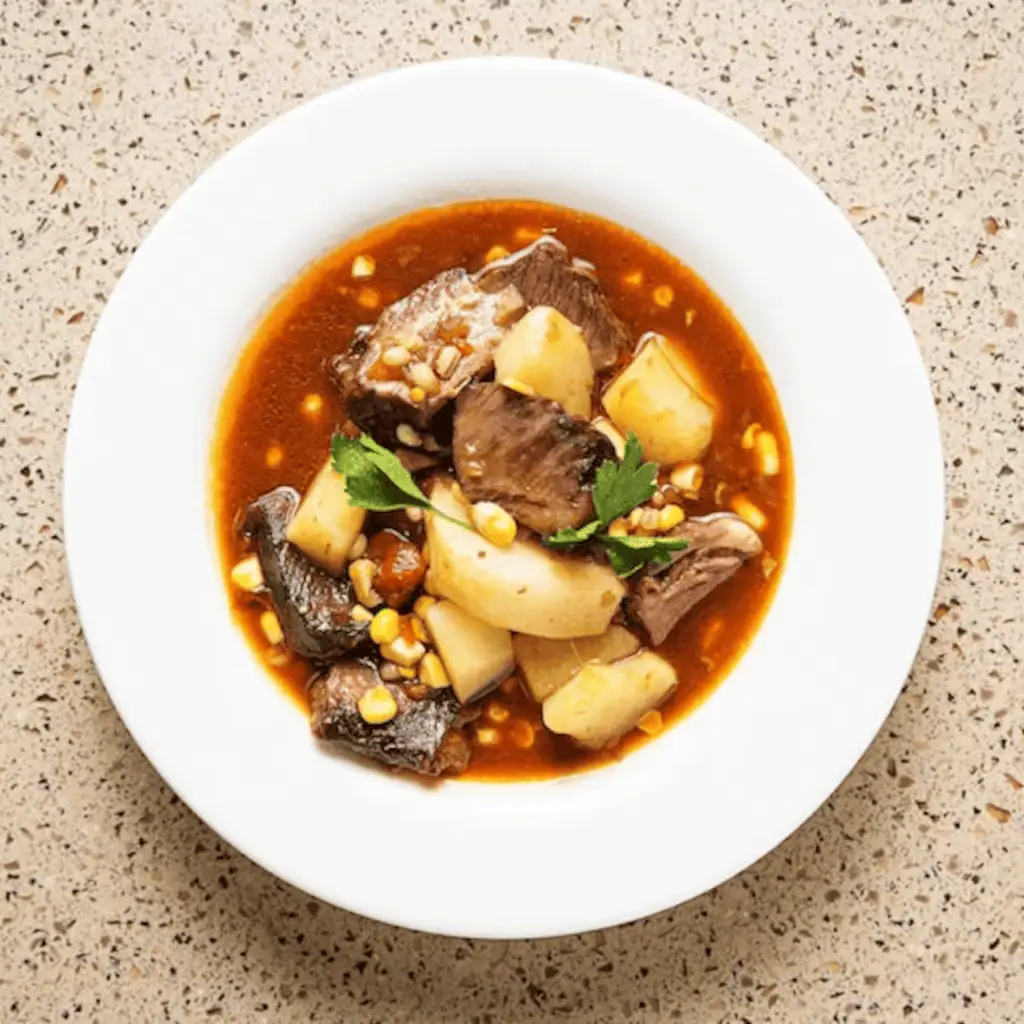
This cowboy stew mixed nearly every edible part of a calf sweetbreads, marrow, gut, heart, and other organs, to create a hearty meal out on the trail. Nothing went to waste, and the rich, foul-heavy flavor was considered a rare treat among ranch hands. Modern diners, accustomed to clean cuts of meat, would struggle with its bold ingredients, yet it was once a prized symbol of resourcefulness and frontier cooking.
Prairie Oysters (Cowboy “Oysters”)
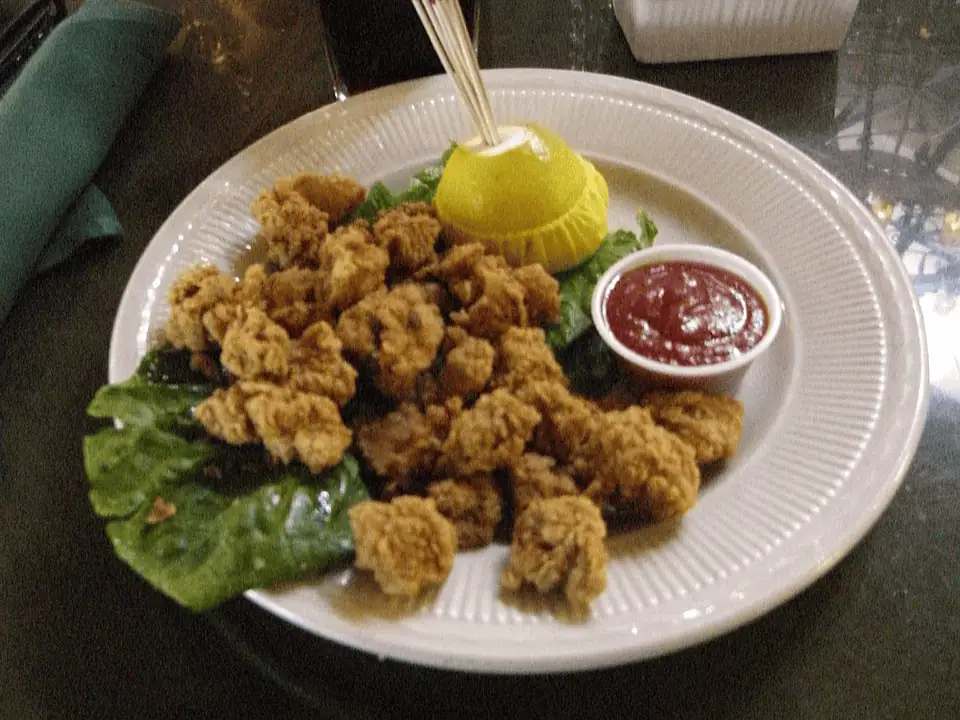
Despite the name, these have nothing to do with seafood they’re deep-fried bull testicles, served crisp and seasoned with salt or pepper. On the frontier, ranchers cooked them fresh during branding season as a high-protein snack. While some regions still serve them as a novelty, most diners today would hesitate at the idea alone. For cowboys, though, they were practical, flavorful, and surprisingly tender when cooked right.
Hardtack Biscuits

Hardtack was an unyielding cracker made from flour, water, and salt, baked until rock hard to survive months on the trail. Cowboys softened it by soaking it in coffee or stew just to avoid breaking teeth. Modern diners, used to light pastries and soft breads, would never expect something this tough to be considered “food,” but on the frontier, its durability made it essential for long journeys.
Fried Beavers’ Tails
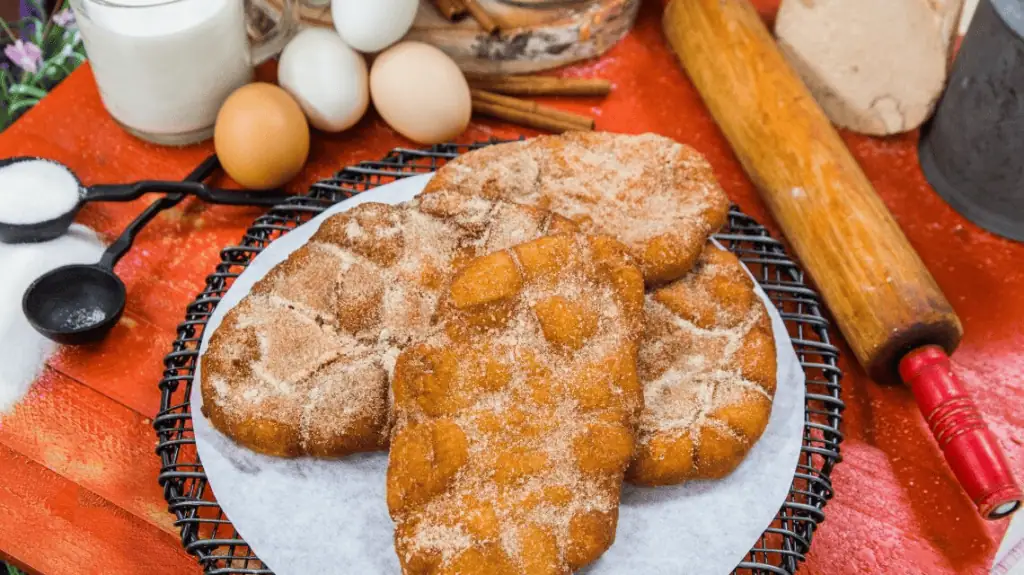
Beaver tails were prized for their high fat content, which was rare in frontier diets. The thick, gelatinous skin was cooked over a fire until crisp, delivering a smoky, rich flavor. Though it was considered a delicacy for trappers and explorers, most modern eaters would be startled by both the texture and the idea. Yet for early settlers, it provided much-needed calories in harsh conditions.
Sourdough Starter Straight From the Chuckwagon

Sourdough was the lifeline of frontier baking, and cowboys carried living starters that fermented in the sun, dust, and heat of the trail. This wild, unpredictable starter produced bread with sharp tang and uneven texture that today’s bakers rarely encounter. Modern diners might be uneasy about bread made from a mixture kept outdoors for weeks, but in the Wild West, it was a trusted, ever-renewing food source.
Salted Buffalo Tongue
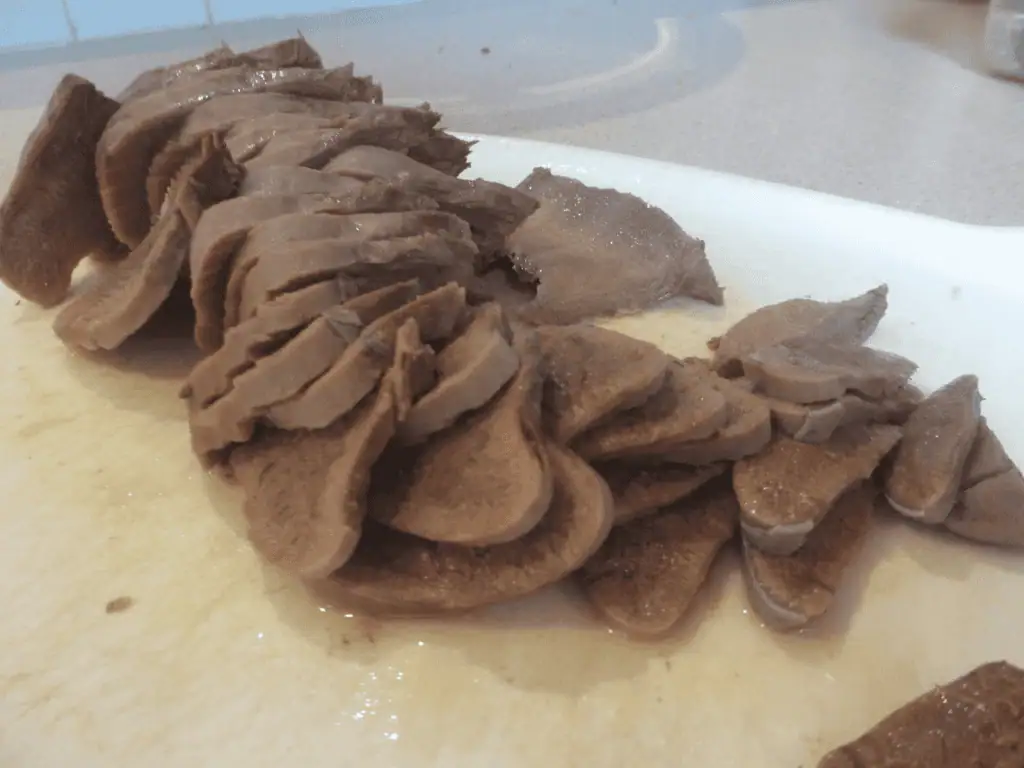
A prized cut among hunters, buffalo tongue was heavily salted to survive long trips and then boiled until tender. Its rich, dense texture gave cowboys a rare taste of luxury on otherwise monotonous diets. While tongue dishes still exist in some cuisines, modern Western diners rarely encounter them, and the idea of preserved buffalo tongue would seem startlingly unfamiliar today despite its historic popularity.
Coffee Thick Enough to Stand a Spoon In
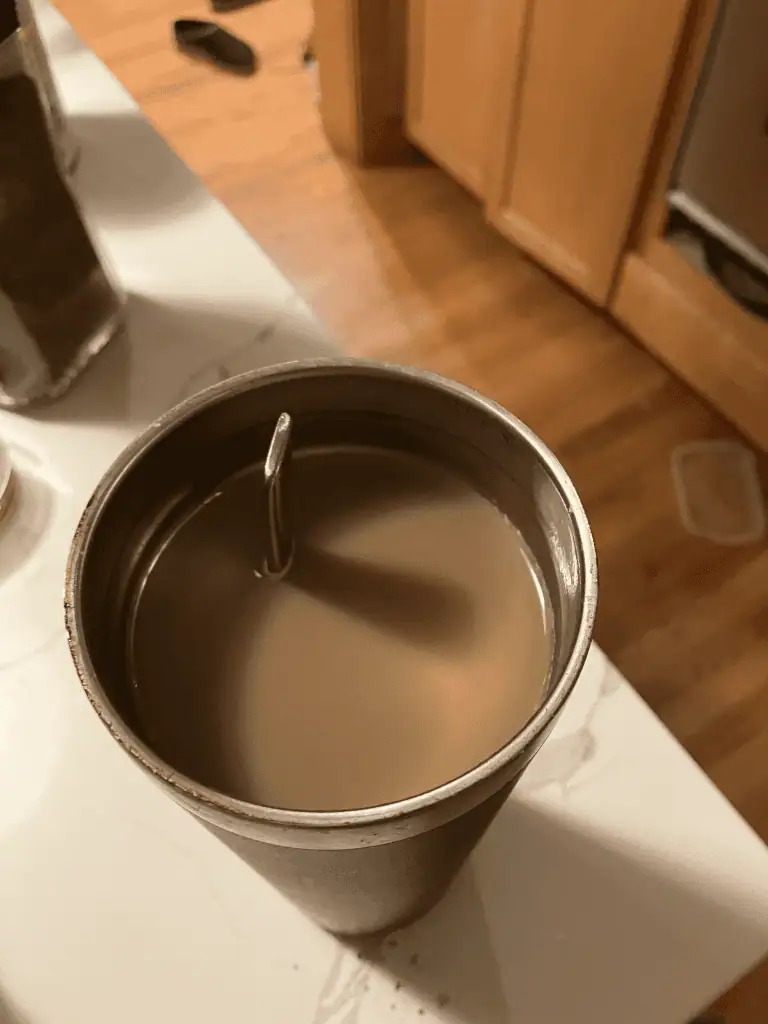
Cowboys brewed coffee strong and gritty, often tossing grounds directly into boiling water and drinking it unfiltered. The result was a thick, bitter brew that kept ranch hands awake during long nights. Today’s diners expect smooth, balanced coffee, so a muddy frontier cup would feel almost undrinkable. But in the Wild West, strength mattered more than flavor, and this rugged drink became a daily necessity.


