
7 Old School Kitchen Staples That Professional Cooks Still Swear By

In any seasoned kitchen, there are tools and ingredients that stand the test of time. Old-school cooks rely on a handful of essentials that provide versatility and resilience. These staples are not just relics but practical assets that enhance the cooking experience with every use. Understanding their applications empowers every home cook to elevate their culinary endeavors with confidence and skill.
The Cast Iron Skillet: Timeless and Tough

A cast iron skillet is a durable powerhouse, known for excellent heat retention and even cooking. It's perfect for searing steaks, roasting vegetables, and even baking. To get the most out of your cast iron, ensure it is well-seasoned to maintain its non-stick surface.
Clean it with minimal water and avoid soap; instead, use a stiff brush to preserve its patina. This tool, with its ability to move from stovetop to oven, will build layers of flavor with every use.
Dutch Oven: Slow Cooking Marvel

The Dutch oven is indispensable for slow-cooked dishes and braises, thanks to its heavy construction and tight-fitting lid. It traps moisture and flavors, creating tender results whether you're cooking a stew or a roast.
Use it for baking bread for a crusty exterior and fluffy interior. Avoid cooking acidic foods unless enameled, to protect the seasoning. Its robust, versatile nature makes it a favorite for hearty, comforting meals.
Wooden Spoon: A Chef's Best Friend

A wooden spoon is essential for its gentle yet effective stirring capabilities. Unlike metal, it doesn’t scratch cookware surfaces, making it ideal for non-stick pans and delicate sauces. Its natural material ensures it won’t react with acidic foods.
Keep your spoon in top condition by hand washing and applying mineral oil periodically. Versatile enough for mixing, tasting, and serving, the wooden spoon is a simple tool that elevates every cooking experience.
Flour Sifter: Baking's Secret Weapon
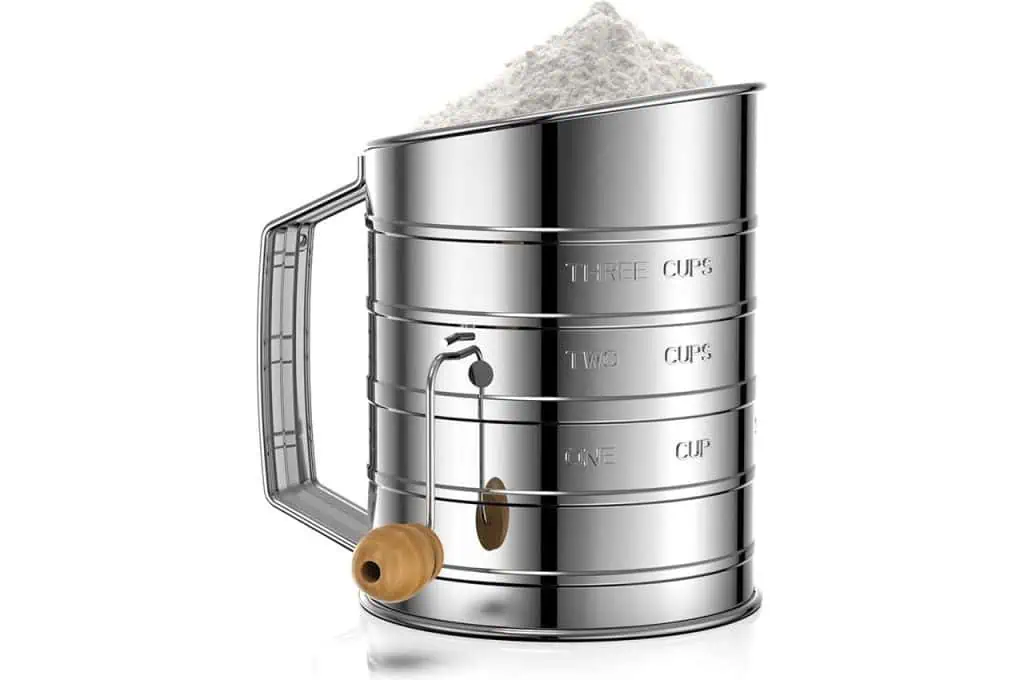
A flour sifter is key for achieving light, airy baked goods. By aerating flour and removing clumps, it ensures an even mixture and eliminates dry pockets. Use it for dusting powdered sugar over desserts for a pristine finish.
Maintain its performance by washing and drying thoroughly after each use. Integrating a sifter into your baking routine refines textures, producing consistent, professional-quality results in your breads and cakes.
Hand Mixer: Trusty Pre-Stand Mixer Tool
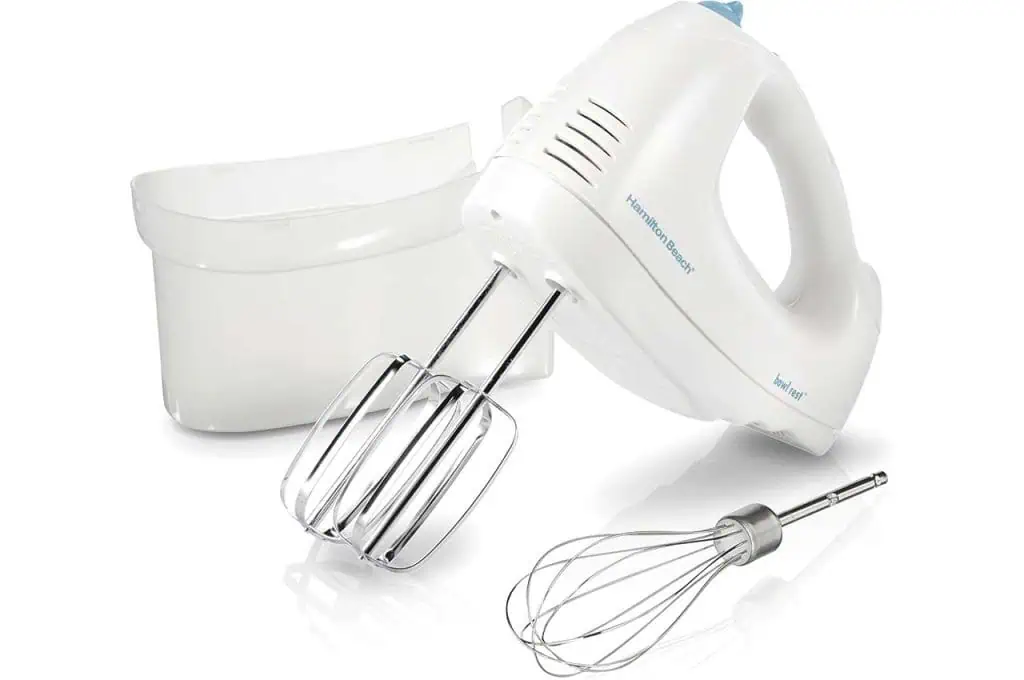
The hand mixer is a versatile tool, essential for anyone tackling a wide range of cooking tasks without the bulk of larger equipment. Its compact design allows for ease in whipping cream to soft peaks or mixing dough smoothly. Consider using it for tasks like blending mashed potatoes or creating a silky batter.
Opt for models with a comfortable grip to manage longer mixing sessions with ease. Remember to start on a slow speed to prevent splattering, gradually increasing as the ingredients combine into a smooth, well-integrated mixture.
Rolling Pin: Pies and Dough Perfection
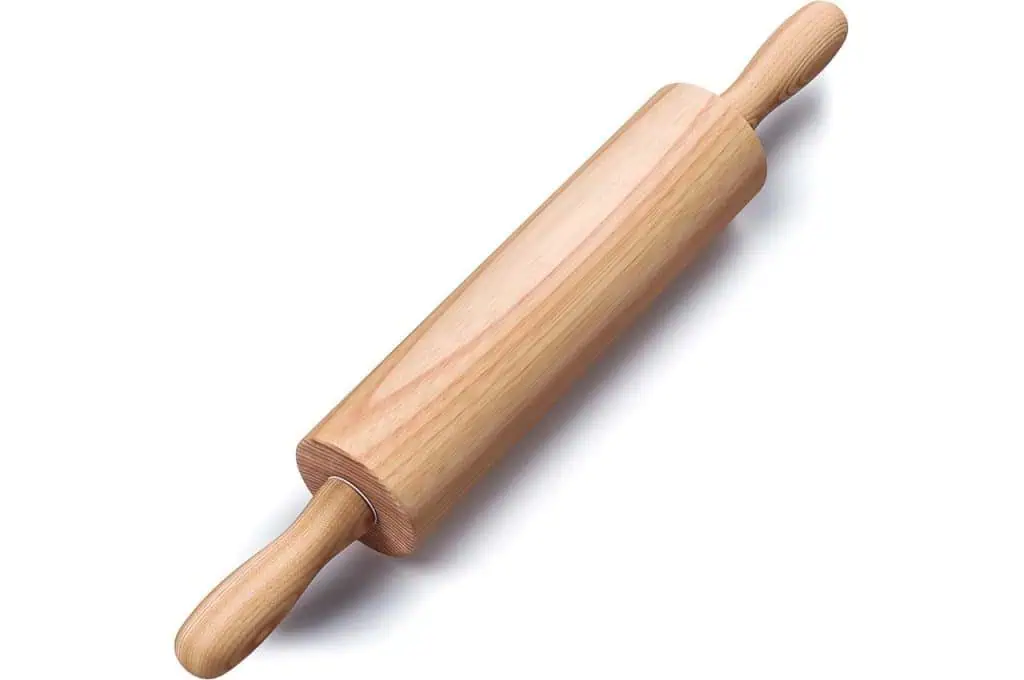
The rolling pin is indispensable for achieving uniformly rolled dough, key to flaky pies and tender pastries. Choose a solid wood option for its balance and smooth surface, aiding in an even roll. Chill the rolling pin briefly before use to help prevent sticking, especially when working with butter-rich doughs.
Use light, even pressure, starting from the center and rolling outward. Flour your surface lightly to minimize sticking, but avoid over-flouring as this can toughen your dough, compromising its delicate texture.
Glass Measuring Cups: Precision in Simplicity

Glass measuring cups offer clear, precise measurements crucial for baking and cooking accuracy. They’re especially useful for liquid ingredients, allowing for easy reading at eye level to ensure accuracy. The sturdy glass construction withstands both hot and cold temperatures, making them versatile for measuring warm ingredients like melted butter.
Look for cups with easy-to-read markings and a comfortable handle for steady pouring. To avoid mishaps, always measure on a flat surface, checking your measurements at eye level for best results.


