
7 Foods AI Could Make Common in Every American Kitchen by 2030

AI’s influence on food is moving rapidly from farms and factories into everyday kitchens. By 2030, many foods may become common not because consumers actively asked for them, but because algorithms made them cheaper, easier, and nearly unavoidable. These foods would prioritize efficiency over tradition, shaped by data on nutrition targets, supply chains, and purchasing behavior. What appears in American kitchens might feel unfamiliar at first, but history shows that convenience and cost tend to normalize change. Practicality often reshapes habits faster than cultural preferences ever could.
Personalized Nutrition Blends
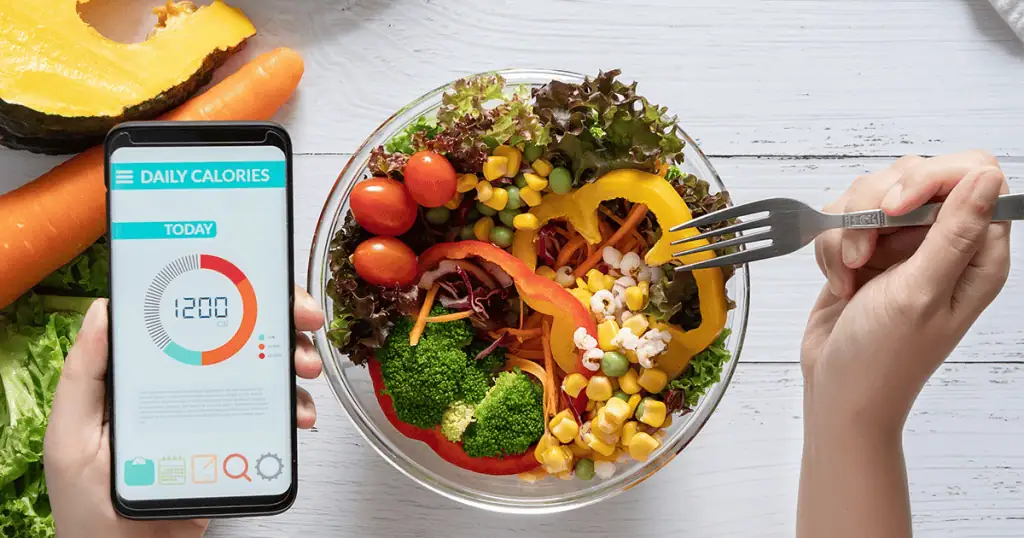
AI could make personalized nutrition blends a normal part of daily eating. Instead of choosing between dozens of products, households might rely on powders or ready-to-mix bases that automatically adjust protein, fiber, and micronutrients based on age, activity level, or health data. Subscriptions would quietly recalibrate formulas over time without user involvement. The appeal wouldn’t be taste-driven or trendy. It would come from the promise of precision, adequacy, and reduced effort, making these blends feel sensible and responsible rather than extreme or clinical.
Lab-Grown Ground Proteins

Lab-grown ground proteins could become routine ingredients, especially in foods like tacos, pasta sauces, and casseroles where texture matters more than appearance. AI systems would control fat ratios, consistency, and production costs, making these proteins cheaper and more predictable than conventional meat. Because they’d show up in familiar dishes rather than as standalone novelties, resistance would likely soften. The transition wouldn’t feel revolutionary. It would register as a quiet substitution driven by price, availability, and reliability rather than ideology or activism.
AI-Optimized Frozen Meals

Frozen meals could gradually lose their stigma as AI refines recipes for taste, nutrition, and reheating performance. Instead of generic trays that dry out or turn soggy, meals would be engineered around how heat actually moves through food, preserving texture and flavor. Nutrient balance would be built in rather than marketed. For busy households, these meals would offer reliability without cooking or cleanup. Over time, they would feel less like a compromise and more like a dependable default for weeknight dinners.
Smart-Staple Carbohydrates

Everyday carbohydrates like rice, pasta, and bread could evolve into AI-optimized staples engineered for longer shelf life, consistent texture, and steadier blood sugar response. These foods would look familiar but perform better, absorbing sauces evenly, reheating without drying out, or staying fresh longer. Because the improvement would be practical rather than ideological, adoption would feel natural. Once these staples consistently outperform traditional versions in daily use, convenience would drive loyalty more than nostalgia.
Year-Round Controlled-Environment Produce

Produce grown entirely in AI-managed indoor systems could become common by 2030. Vegetables and herbs would be available year-round, identical in size, flavor, and quality, with predictable pricing. Seasonal variation and imperfections would matter less than reliability. While some nuance might be lost, consistency would appeal to households focused on planning and waste reduction. Over time, this product would feel normal not because it’s novel, but because it removes uncertainty from shopping and cooking routines.
Flavor-Enhanced Base Foods
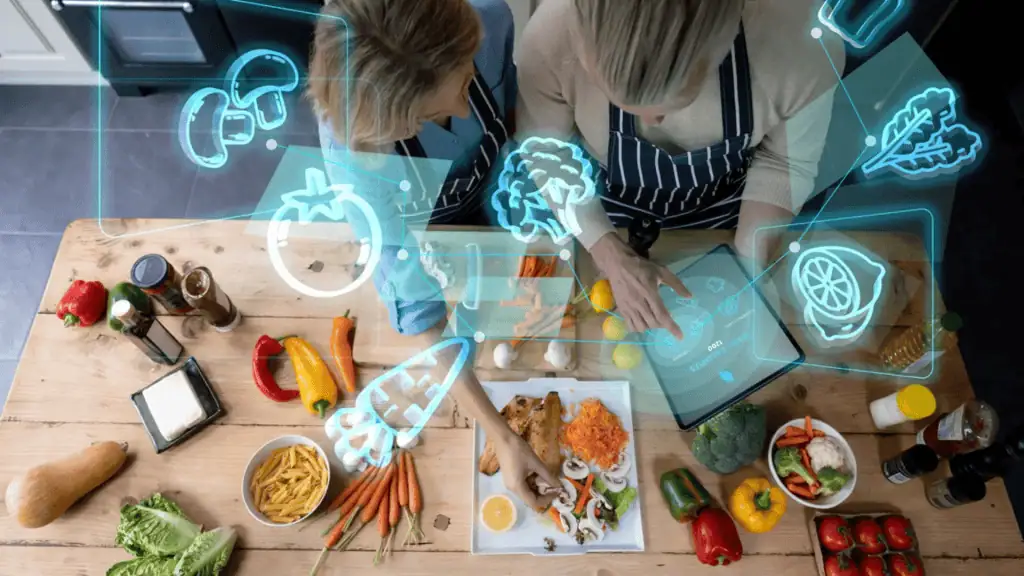
AI could encourage the rise of neutral base foods paired with modular flavor systems. Instead of cooking from scratch, people would assemble meals by combining simple bases with concentrated flavor additions designed to replicate familiar dishes. This approach would reduce waste, shorten prep time, and allow customization without complexity. Cooking would shift toward assembly rather than transformation. As this becomes routine, the role of the home kitchen would change from production to efficient composition.
Subscription-Based Meal Components
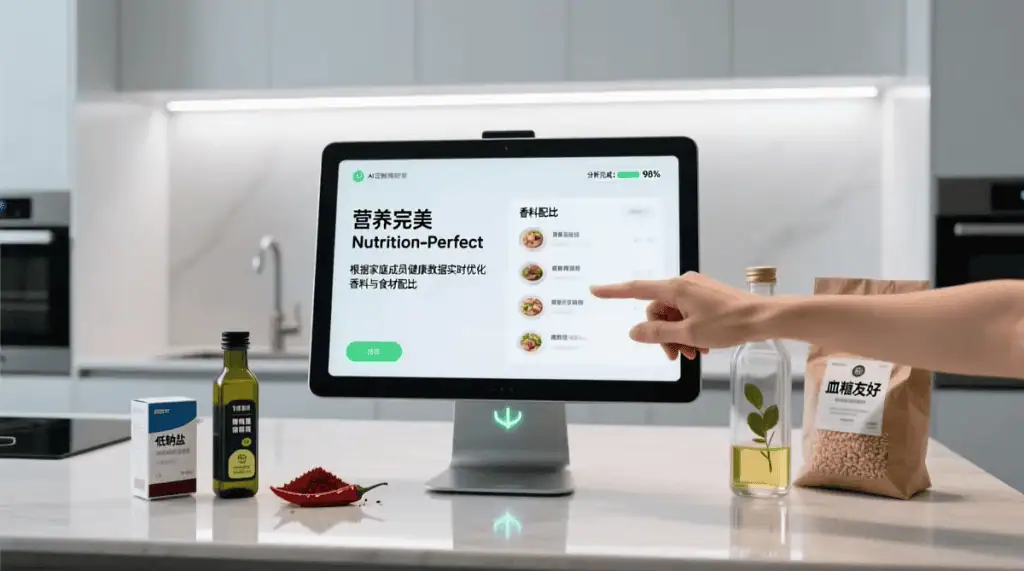
Rather than full meal kits, AI could normalize subscriptions for adaptable meal components like pre-portioned grains, proteins, and sauces. Algorithms would track household habits, leftovers, and preferences, adjusting deliveries automatically week to week. Planning would fade into the background as cooking becomes a matter of combining what arrives. Over time, this system would feel supportive rather than intrusive, quietly reshaping how Americans think about grocery shopping, storage, and what it means to be prepared.


