
6 Things You Could Do at Restaurants Decades Ago That Would Never Fly Today

Decades ago, dining out came with a different set of norms and expectations. The behaviors we accepted as normal at restaurants then may seem surprising to today’s diners. Understanding these changes not only offers a sense of nostalgia but also highlights how much our dining culture has evolved. Here, we explore six practices from past restaurant experiences that today's establishments would likely find challenging.
Lighting Up at the Table

Restaurants once catered to smokers by allowing them to enjoy a cigarette right at the dining table. Today, the focus is on creating a smoke-free environment supporting public health and a pleasant dining experience. The change prioritizes the enjoyment of aromas and flavors without the intrusion of smoke, allowing diners to focus on the subtleties of their meals and fostering an inclusive atmosphere for all.
Kids Roaming Freely

It was not uncommon for children to wander about the dining area, exploring as their parents engaged in conversation. Modern expectations emphasize supervising children, with restaurants often providing designated play areas or activities to keep them occupied. This shift improves the dining experience for all patrons, maintaining a quieter, more organized environment suitable for enjoying a meal without distraction.
Cash Only, No Receipt Needed

Restaurants often operated on a cash-only basis, and receipts weren't always provided unless requested. Nowadays, digital transactions have become standard, offering convenience and accuracy. Receipts are routinely given, offering a transparent record of the dining experience. This evolution enhances trust and ensures financial clarity, benefiting both the establishment and its patrons by minimizing errors and misunderstandings.
Change Orders, Fix It Later

In the past, diners might adjust their orders on a whim and expect accommodations without issue. Today, precision in ordering is prioritized, with chefs and kitchens operating efficiently to maintain quality. Modern technology aids this with digital systems that minimize errors. This approach respects both the kitchen staff’s time and diners’ expectations, resulting in better service and consistent dish preparation.
Bringing Your Own Food

Bringing your own food to a restaurant was once tolerated, especially when dietary needs were less catered to by menus. Nowadays, restaurants are keen on controlling the dining experience, ensuring food safety, and maintaining their curated offerings. If a specific dish doesn’t align with your preferences or restrictions, it’s advisable to communicate with the restaurant in advance. Many chefs are now more than willing to make accommodations. This shift highlights a broader culinary trend towards inclusivity and innovation in response to diverse dietary needs.
Snapping for Service
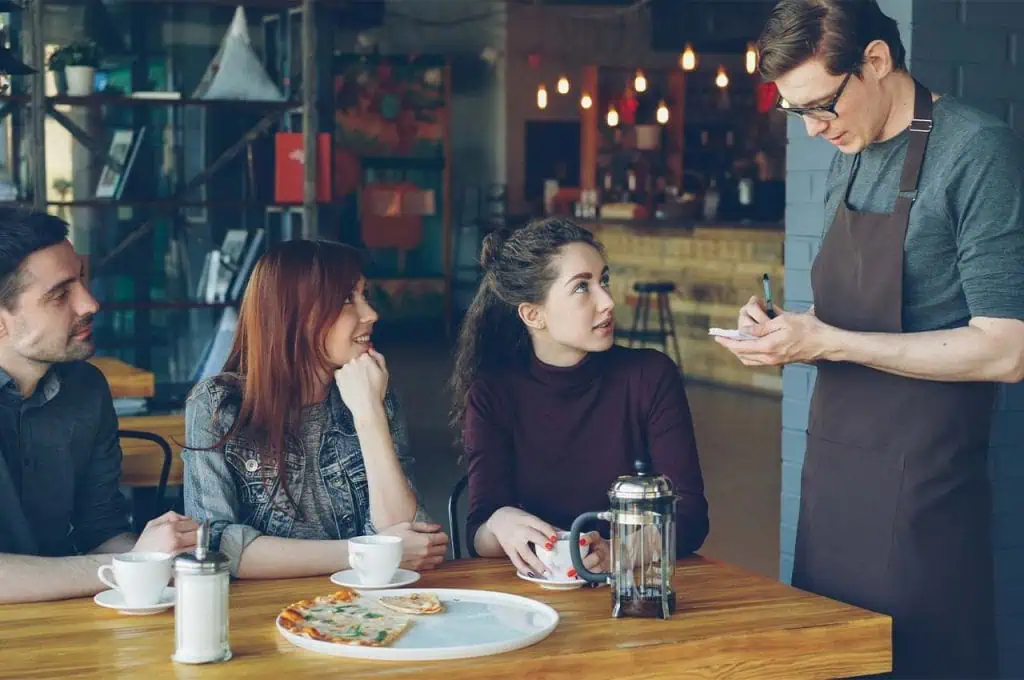
In the past, snapping fingers to gain a waiter’s attention was a common practice. Such an action is now considered disrespectful, as restaurants emphasize professional hospitality and mutual respect between staff and patrons. Today, the etiquette encourages subtle eye contact or a polite gesture, reflecting a societal shift towards considerate dining environments. Cultivating patience and understanding enhances the dining experience, acknowledging the challenges of service work and contributing to a warm, gracious atmosphere for everyone involved.


