
6 Reasons U.S. Restaurants Are Downsizing Meals (And What it Means For You)

Restaurants across the United States are increasingly downsizing meal portions, a strategy driven by multiple economic factors. This trend caters to current financial realities, ensuring businesses remain profitable while maintaining customer satisfaction. Understanding the reasons behind this shift can help diners navigate menu changes, anticipating smaller, yet thoughtfully curated meals. Let's explore some critical factors influencing this transition.
Rising Costs: Smaller Portions
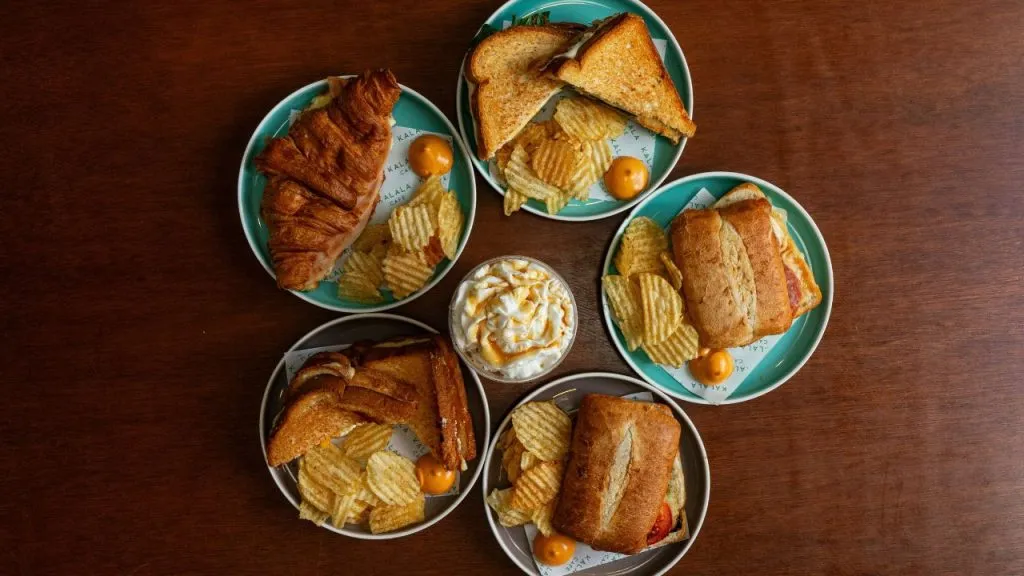
Restaurants face rising costs for ingredients ranging from produce to meats. By reducing portion sizes, establishments can manage expenses without significantly increasing menu prices. Smaller portions allow chefs to maintain dish quality by focusing on high-impact ingredients that enhance flavor without overwhelming costs. This strategy enables restaurants to balance their budgets, offering meals that are both delicious and financially viable.
Labor Expenses Shift Pricing

Labor costs have risen sharply, compelling restaurants to adjust their financial models. By minimizing portion sizes, they can slightly lower preparation time, optimizing labor efficiency. This tactic helps restaurants maintain sustainable wage structures without needing to excessively hike meal prices. Customers receive high-quality meals with a focus on skilled preparation, ensuring an overall satisfying dining experience despite scaled-down servings.
Inflation's Impact on Portions

Inflation affects food pricing across the board, prompting adjustments in restaurant offerings. Downsized portions allow eateries to keep pace with changing economic conditions while controlling menu stability. This approach ensures the continuing use of premium ingredients without compromising on quality or creativity. Diners can expect the same meticulously crafted flavors even if they’re served in more conservative quantities.
Supply Chain Challenges

Global supply chain disruptions have led to sporadic ingredient shortages, influencing portion sizes. By reducing portions, restaurants can manage these supply inconsistencies with agility, ensuring menu consistency without getting caught in availability issues. This proactive measure helps maintain high culinary standards, allowing for creative perseverance even in the face of unexpected ingredient challenges, while continuing to delight patrons.
Diners Prefer Lower Prices

In today's competitive dining landscape, price sensitivity among diners influences menu offerings. Restaurants strategically adjust portion sizes to maintain affordability while ensuring quality. Smaller portion sizes enable establishments to align with consumer preferences for value without sacrificing flavor. This adaptation not only keeps menu prices accessible but also allows chefs to focus on creating dishes that emphasize fresh, high-quality ingredients, appealing to diners keen on delicious yet economical meals.
Reducing Waste with Smaller Servings

Leveraging smaller portions is an effective strategy for reducing food waste in restaurants. By thoughtfully designing meals with precise portion sizes, chefs can minimize leftovers, which contributes to sustainability efforts. This approach ensures that each element of a dish receives the attention it deserves, resulting in well-balanced flavors and textures. Diners appreciate this mindful approach, as it enhances their culinary experience while supporting environmentally conscious practices. This method aligns with a broader movement towards more sustainable dining.


