
6 Old Food Safety Rules That Don’t Exist Anymore (For Better or Worse)

Food safety advice has changed dramatically over the years. Many rules that once seemed essential passed down by parents, teachers, and cookbooks, have since been debunked or revised. Thanks to better research, improved food handling standards, and updated government guidelines, some long-standing kitchen warnings no longer apply. Here are the old food safety rules that have quietly faded away.
“Never Eat Leftovers After 24 Hours”
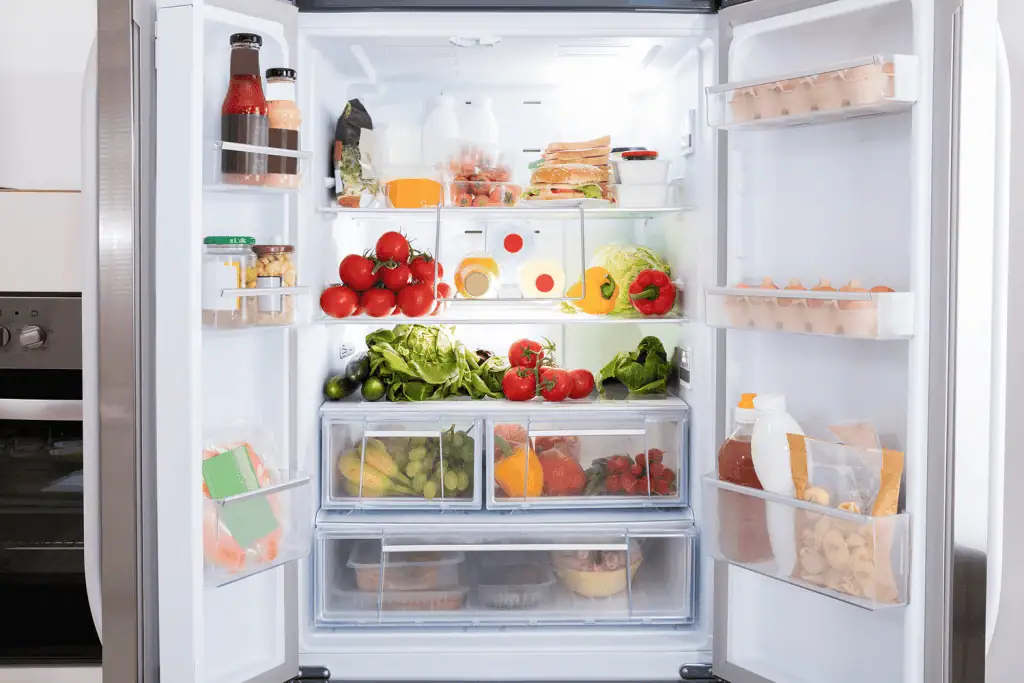
For years, many households believed leftovers became unsafe within a day. Modern research shows that properly stored leftovers can last three to four days in the fridge. Advances in refrigeration and clear temperature guidelines make longer storage safe. The outdated 24-hour rule reflected older appliances and less consistent food handling not today’s standards.
“You Must Wash Raw Chicken Before Cooking”

This old rule has been fully debunked. Washing raw chicken spreads harmful bacteria through sink splashes and droplets. Cooking poultry to the correct internal temperature is what makes it safe, not rinsing. Food agencies now strongly advise against washing raw chicken, overturning a practice many families once viewed as essential.
“If It Looks and Smells Fine, It’s Safe to Eat”

Sight and smell alone were once considered enough to judge food safety. Today, we know many harmful bacteria cause no visible changes or odors. Guidelines focus on time and temperature, not appearance. Foods like deli meat, dairy, and leftovers may seem normal, but still carry risk after certain storage periods. The “smell test” is no longer reliable.
“Hot Food Should Always Cool on the Counter First”

Old advice encouraged cooling hot dishes at room temperature before refrigerating. Current guidelines say the opposite: food should be refrigerated promptly, within two hours to prevent bacterial growth. Large portions can be cooled quickly in shallow containers. Leaving dishes out too long is now recognized as one of the most common food-safety mistakes.
“Eggs Must Be Cooked Until Fully Solid”
Decades ago, runny yolks were considered risky due to higher rates of salmonella. Today, improved egg safety standards and pasteurization mean soft-cooked eggs are safe for most people. While vulnerable groups should still be cautious, guidelines no longer require completely firm yolks for everyone. The rule has evolved with safer production practices.
“All Meat Must Be Well Done to Be Safe”
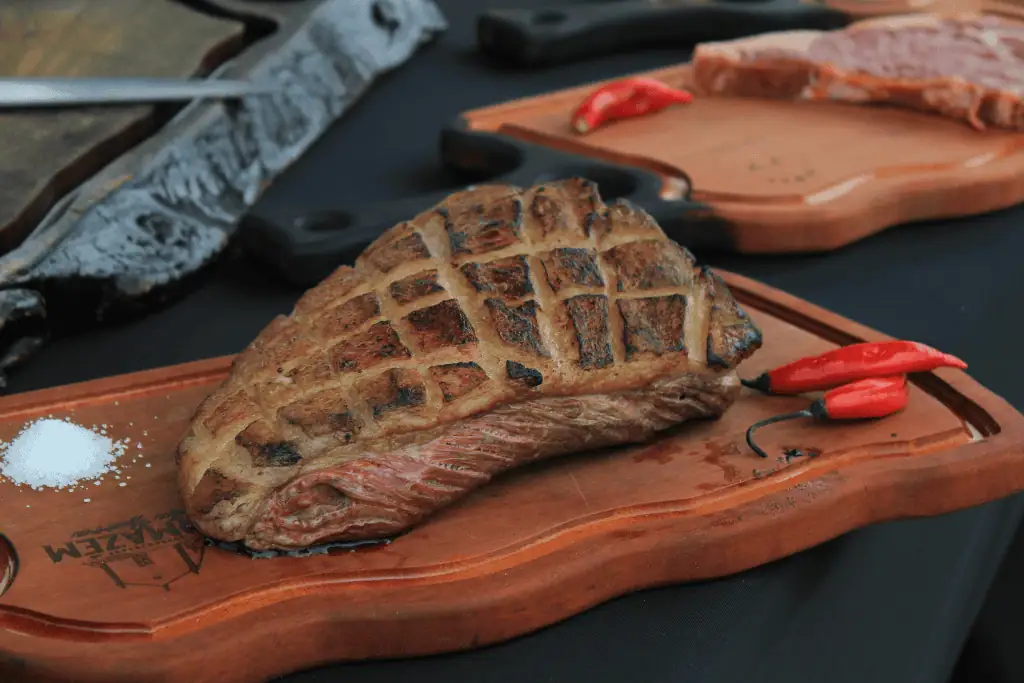
Older generations believed anything less than well-done meat was unsafe. Modern food science now focuses on internal temperature, not color or doneness style. Ground meats still need higher temperatures, but steaks, pork, and lamb can be safely enjoyed medium or medium-rare if cooked properly. The rigid “well-done only” rule no longer applies.


