
6 Foods you’re not eating That Keep Your Breath Smelling Great

Fresh breath goes beyond minty gum or quick fixes. By incorporating certain foods into your diet, you can naturally improve oral hygiene and maintain a pleasant breath. These foods not only help neutralize odors but also contribute to overall mouth health, providing a fresh, lasting effect. Explore these accessible, everyday ingredients to make a tangible difference in how your breath smells and feels.
Parsley: Nature's Hidden Freshener
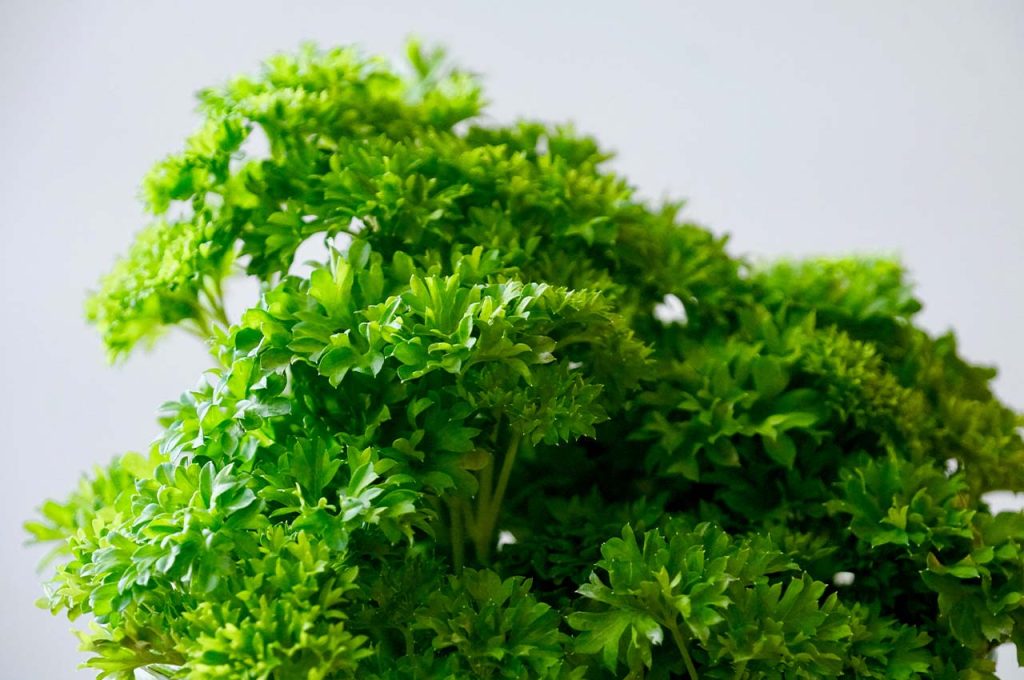
Parsley stands out with its green hue and robust aroma. The chlorophyll in parsley acts as a natural deodorizer, neutralizing bad breath on contact. Incorporating parsley into your meals is simple; chop it finely and sprinkle over salads or blend into smoothies. Chewing raw parsley post-meal can amplify its freshness effect, providing an instant burst of cleanliness to your palate.
Apples: Crunchy Mouth Cleaners
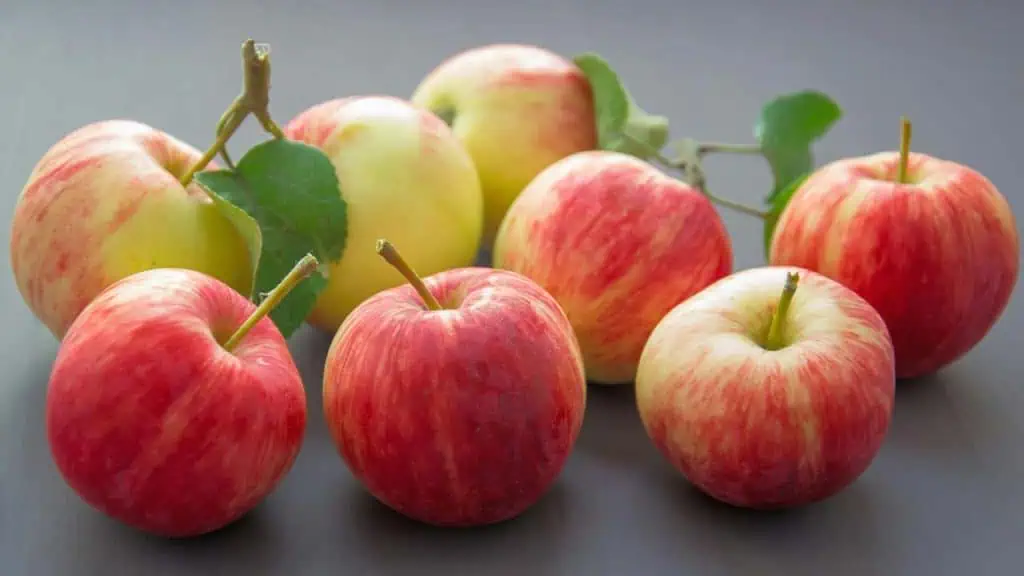
Apples provide a dual benefit with their crunchy texture and fibrous makeup, both of which help scrub away food particles and bacteria. The polyphenols in apples can also break down sulfur compounds, alleviating unpleasant odors. Slicing an apple for a snack or adding it to salads not only enhances the flavor but also supports oral hygiene with each crisp bite.
Greek Yogurt: Protein-Packed Odor Fighter

Greek yogurt is rich in probiotics which help reduce bad bacteria in the mouth. Its creamy texture provides a satisfying base for various dishes, from parfaits to dressings. Consuming Greek yogurt regularly can help lower hydrogen sulfide, a major contributor to foul breath. Enhance its effectiveness by pairing it with fruit or honey, creating a nourishing, freshening treat.
Celery: Crisp and Saliva-Boosting

Celery, with its high water content and crunchy texture, serves as a natural toothbrush. Chewing celery stimulates saliva production, which washes away food particles and bacteria. Adding celery to your diet is seamless, dice it into salads or savor its crunch dipped in hummus or peanut butter. Its refreshing nature not only boosts hydration but also maintains a clean, healthy mouth.
Green Tea: Antioxidant Breath Neutralizer

Green tea is rich in polyphenols, which naturally reduce sulfur compounds responsible for bad breath. Brew a fresh cup using loose leaves for optimal flavor and effectiveness, steeping in water just below boiling to avoid bitterness. Aim for a steep time of three minutes to enhance the tea's complex notes. Consider pairing it with a slice of lemon for added freshness and acidity, improving its breath-freshening qualities. Enjoying green tea regularly not only freshens your breath but also supports overall oral hygiene.
Fennel Seeds: Timeless Freshening Remedy
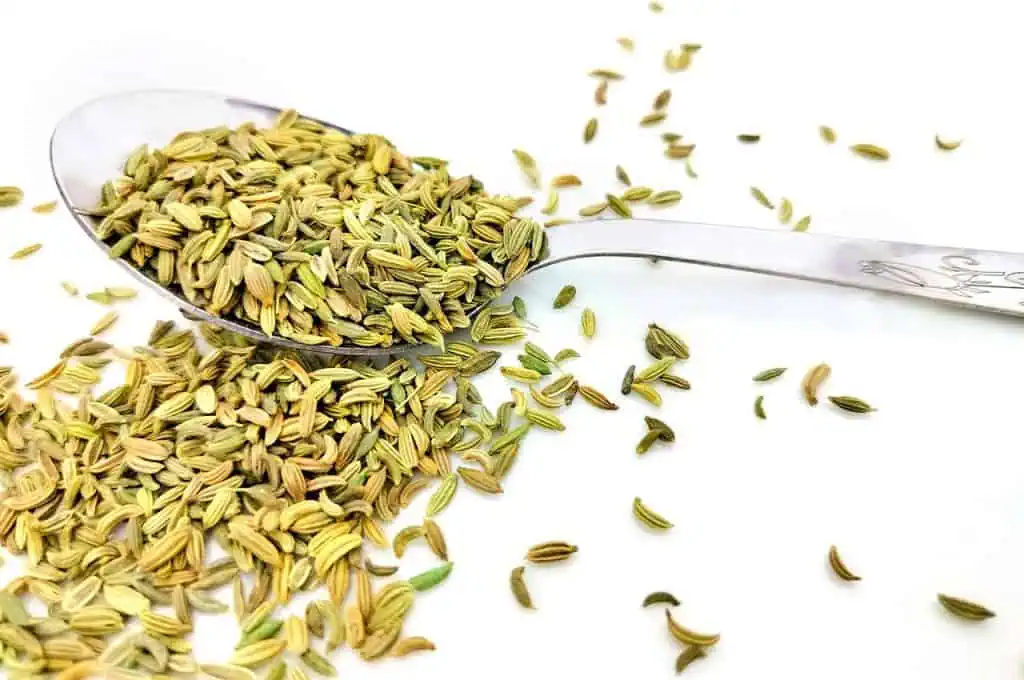
Fennel seeds have been used for centuries as a natural breath freshener. Their aromatic oils deliver a subtle, licorice-like taste that effectively masks odors. After meals, chew on a teaspoon of the seeds; their fibrous texture stimulates saliva production, naturally cleansing the mouth. For a more intense flavor, lightly toast the seeds in a dry skillet, which releases their essential oils and enhances their sweet undertones. Incorporate fennel seeds into your routine for a refreshing, easy-to-implement oral care practice.


