
6 Big Differences Between Grocery Shopping in the ’70s and Today

Grocery shopping has evolved significantly from the 1970s to today. In this exploration, we will examine key changes that have reshaped how consumers fill their carts. Understanding these differences provides insight into shifting consumer priorities and the ongoing transformation of food culture.
Whole Ingredients vs. Packaged Foods

In the 1970s, grocery carts were often filled with whole ingredients like fresh produce, meats, and basic grains. Home cooks took pride in preparing meals from scratch, allowing control over flavor and nutrition. Today, a notable shift towards packaged and processed foods reflects the demand for convenience. Modern shoppers frequently opt for pre-chopped vegetables, ready-to-eat meals, and extensive snack options, indicating a change in cooking habits and time constraints.
Brand Loyalty vs. Store Generics

During the 1970s, brand loyalty was a prevailing trend, with shoppers often sticking to trusted names for quality assurance. This attachment was deeply rooted in family traditions and advertising influences. Nowadays, the rise of store generics offers cost-effective alternatives, gaining consumer trust through improved quality. This shift has made private label products a staple in many homes, balancing budget considerations with acceptable standards.
Weekly Stock-Up vs. Frequent Trips
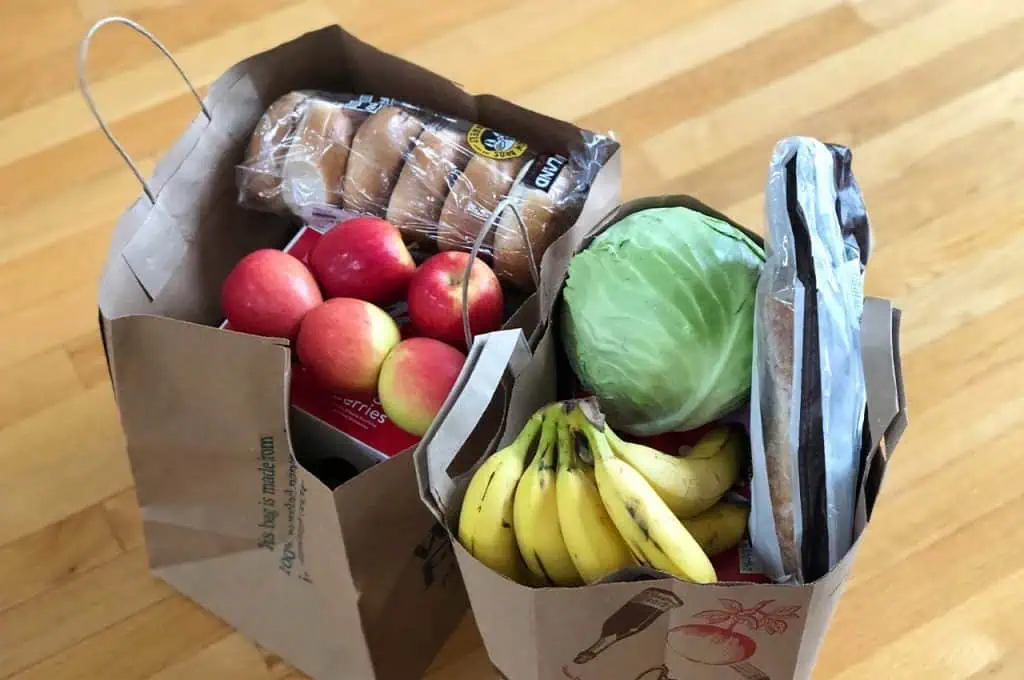
Shoppers in the 1970s typically completed a large weekly stock-up, reflecting a period when meal planning and bulk shopping were mainstream practices. Kitchens were stocked to accommodate bigger families and fewer trips. In contrast, today's fast-paced lifestyle prompts more frequent, smaller grocery excursions. This shift is driven by the increased availability of stores and a desire for fresher ingredients, aligning with evolving attitudes toward food and consumption.
Canned Staples vs. Ready-Made Meals

Canned staples such as vegetables, soups, and beans were common in 1970s households, acting as primary kitchen cornerstones. These non-perishable items allowed for versatile meal options while minimizing waste. In present times, the convenience of ready-made meals has gained prominence. These offerings reduce preparation time and encourage experimentation with different cuisines, reflecting a broader palate and a shift towards quick, diverse dining experiences.
Sugary Cereals vs. Healthier Choices

In the 1970s, breakfast aisles dazzled with bright boxes of sugary cereals, appealing to children with cartoon mascots and sweet promises. Many households favored these colorful products for their convenience and kid-friendly appeal. However, the high sugar content and low nutritional value of such cereals garnered criticism over time.
Today, there's a noticeable shift towards cereals boasting whole grains, reduced sugar, and added nutrients. Shoppers are drawn to options with high fiber and protein content, and many cereal brands now offer organic or gluten-free varieties. This change reflects a broader trend towards health-conscious choices, with consumers prioritizing their well-being over sugary indulgences.
Paper Lists vs. Digital Checkout

Shoppers in the 1970s relied heavily on handwritten lists, crafted after checking pantry stock and family needs. This method, while straightforward, often depended on memory and guesswork. Today, technology has transformed shopping with the advent of mobile apps and online platforms that streamline the experience.
Digital tools allow consumers to create dynamic shopping lists, easily updated and shared among family members. Moreover, many supermarkets provide apps with features like digital coupons, store maps, and even automated checkouts. This evolution saves time and reduces the likelihood of forgotten items, enhancing both efficiency and convenience in the shopping process.


