
5 ‘Wild West’ Ingredients Modern Chefs Avoid

Exploring traditional flavors brings excitement to modern cooking. The Wild West offers a treasure trove of ingredients that are often overlooked today yet can transform dishes with their unique profiles. Understanding these ingredients not only enriches your culinary skills but also honors historic techniques. Each ingredient presented here invites thoughtful preparation and flexible adaptation, allowing contemporary cooks to revive a spirited sense of adventure in their kitchen endeavors.
Secret of Salt Pork

Salt pork, a staple in Western kitchens, imparts depth to a variety of dishes. Its preparation involves curing pork belly with salt, drawing out moisture to enhance flavor. Use it to enrich soups, stews, or bean dishes, benefiting from its balanced savoriness. Dice it finely and render it slowly to release its fat—this creates a flavorful base and adds crispy texture. Integrating salt pork thoughtfully ensures it complements without overpowering, transforming the ordinary into something robust and memorable.
Daring Dried Prairie Oysters
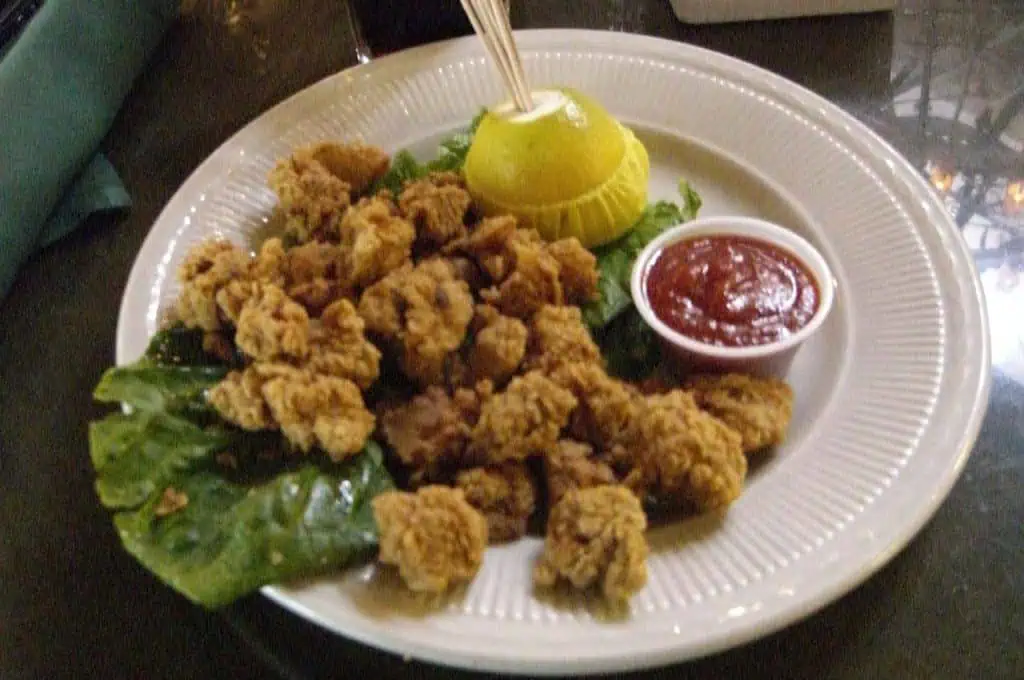
Prairie oysters, or bull testicles, are a daring ingredient, known for their rich texture. Once sliced thin, these are best when coated in a simple seasoned flour. Fry them in oil until golden to achieve a crisp exterior that contrasts with the tender interior. Serve them hot with a tangy dipping sauce for a bold appetizer. Their mild flavor profile invites experimentation with spices or accompaniments, offering a canvas for those willing to venture beyond conventional proteins.
Sorghum Syrup: Sweet and Bold
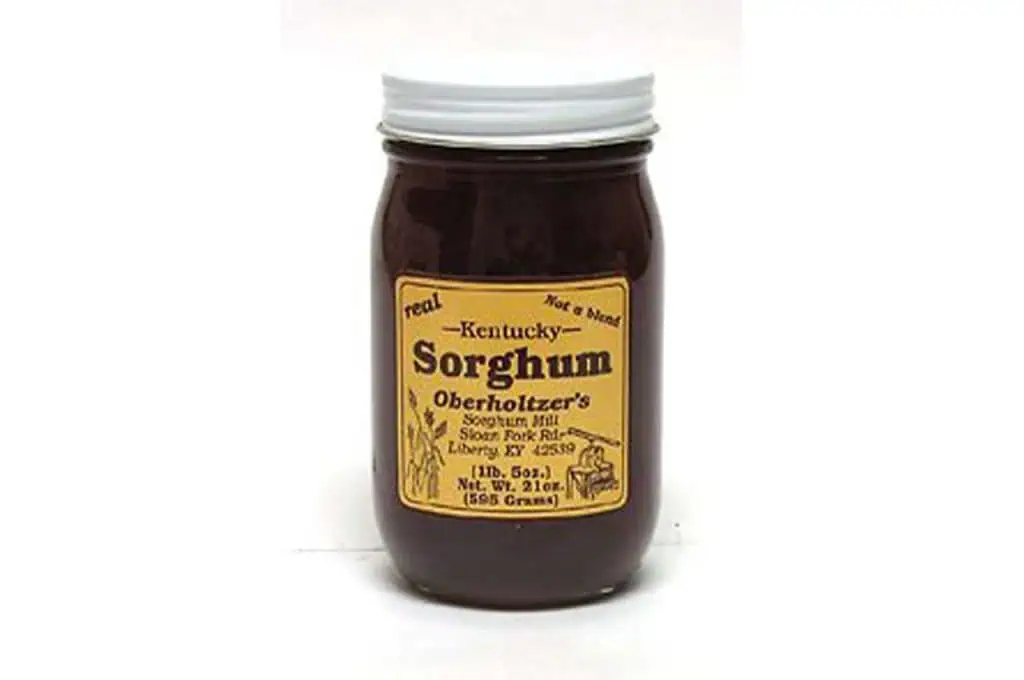
Sorghum syrup delivers a complex sweetness and earthy undertones, perfect for both savory and sweet applications. This thick, molasses-like syrup enhances marinades, glazes, and baking. In roasting glazes, its caramelization properties elevate meats and vegetables, while in baking, it offers depth to cookies and cakes. Balance its robust flavor with citrus or spices to highlight its unique character. Using sorghum syrup requires nuance, rewarding those who embrace its boldness with richness unlike any other sweetener.
Forgotten Pickled Herring Delicacy

Pickled herring, with its distinct briny profile, brings forgotten charm to contemporary dishes. Cured in a marinade of vinegar, sugar, and spices, it pairs beautifully with rye bread or as part of a vibrant salad. The trick to balancing its potency lies in combining it with smooth dairy elements, such as crème fraîche or light cream cheese. This contrast highlights its flavor while softening its intensity, making pickled herring an intriguing component to explore within varied culinary frameworks.
Smoke-Cured Bison Fat: A Hidden Gem
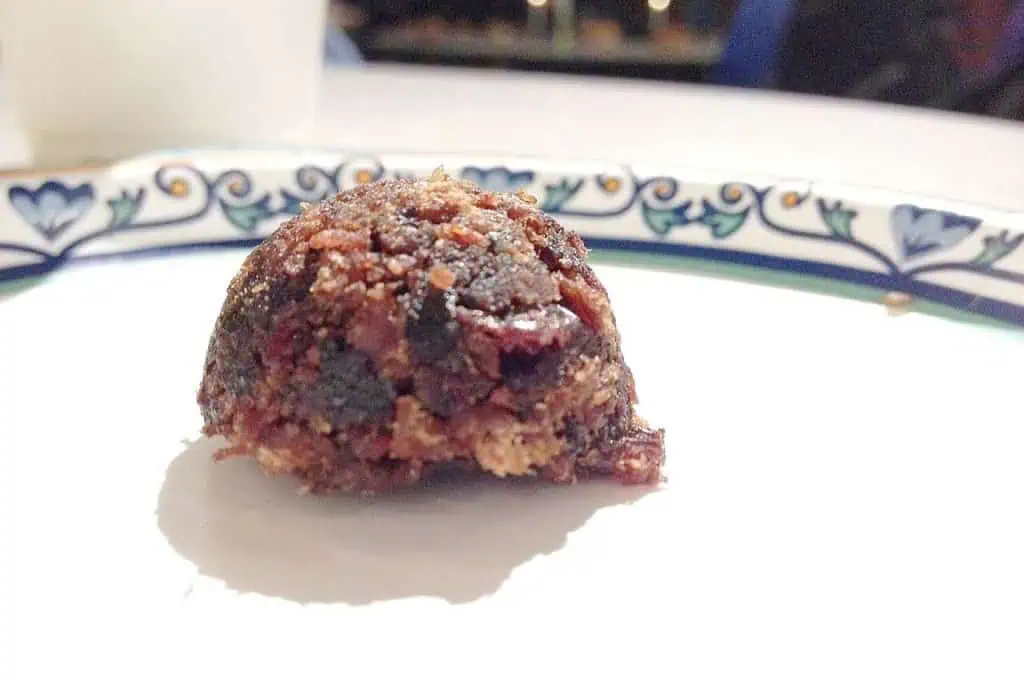
Smoke-cured bison fat is an often overlooked ingredient that offers a rich, complex flavor profile perfect for enhancing rustic dishes. Start by sourcing high-quality bison fat, ensuring it's clean and free of impurities. The smoking process imparts a deep, woodsy aroma, so choose your wood chips carefully, hickory or mesquite work well. Gently render the fat over a low flame, allowing it to melt slowly, preserving its delicate flavors. Once rendered, incorporate it into stews or use it as a base for sautéing vegetables. Its subtle smokiness adds depth, transforming simple dishes into true delights. Properly stored, it can become a versatile staple, offering both flavor complexity and a nod to traditional Western cuisine.


