
5 Menu Red Flags Chefs Say are a Sign You Should Walk Out

Menus reveal far more than dish names and prices. According to chefs, they quietly expose how a restaurant operates behind the scenes, its sourcing, prep habits, and kitchen discipline. Certain details act as early warning signs of shortcuts, overextension, or lack of care. These red flags don’t guarantee a terrible meal, but they significantly lower the odds of a good one. Chefs say when these patterns appear, they often point to frozen food reliance, unfocused execution, or systems built around convenience rather than quality.
A Massive Menu With Too Many Cuisines
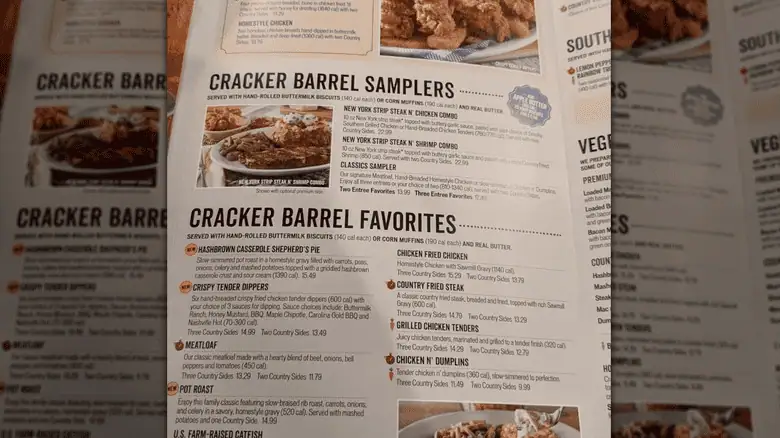
When a single menu offers burgers, sushi, pasta, tacos, curry, and steaks, chefs immediately get suspicious. A kitchen can’t execute dozens of unrelated cuisines at a high level without cutting corners somewhere. Oversized menus usually depend on frozen or pre-prepared components to keep service moving. Chefs say focus is a sign of confidence, and doing fewer things well requires skill and discipline. Excessive variety, on the other hand, often signals compromise rather than creativity, with consistency prioritized over freshness or proper technique.
Stock Photos or Glossy Images of Every Dish
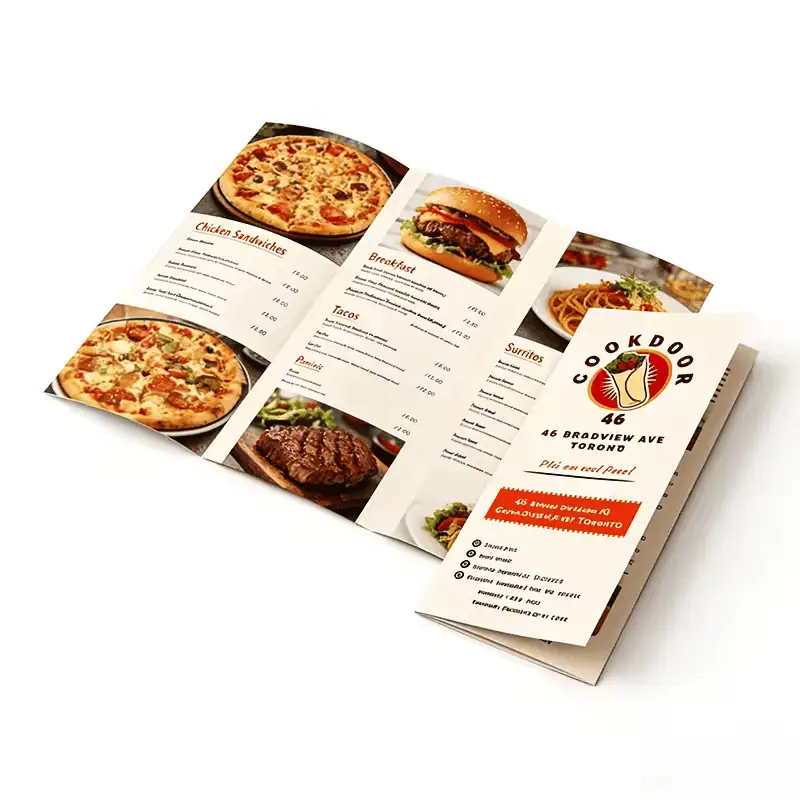
Menus filled with glossy, professional photos raise concern among chefs. Restaurants confident in their food rarely need to sell it visually. Heavy reliance on stock-style images often signals standardized dishes designed for consistency rather than flavor. These photos are usually taken under ideal conditions that the kitchen can’t realistically replicate. Chefs see this as a red flag because it suggests marketing is doing the heavy lifting instead of cooking. When presentation is oversold on paper, it often means the food itself can’t speak confidently on its own.
Misspellings and Sloppy Descriptions
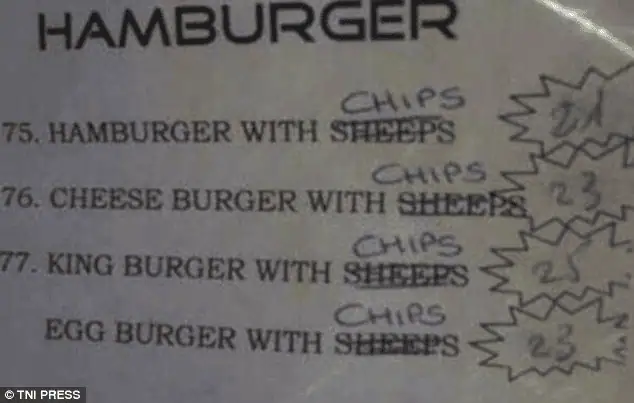
Typos, incorrect food terminology, and vague menu descriptions aren’t just surface-level mistakes. Chefs say they often signal a deeper lack of attention to detail that extends beyond the page and into the kitchen. A menu is usually written, reviewed, and approved before service ever begins. If that process is rushed or careless, it raises questions about how recipes are followed, how ingredients are handled, and how standards are enforced. Precision matters in cooking, and menus tend to reflect the mindset of the operation. When the first point of communication feels sloppy, chefs rarely expect greater care behind the scenes.
Seasonal Ingredients That Never Change
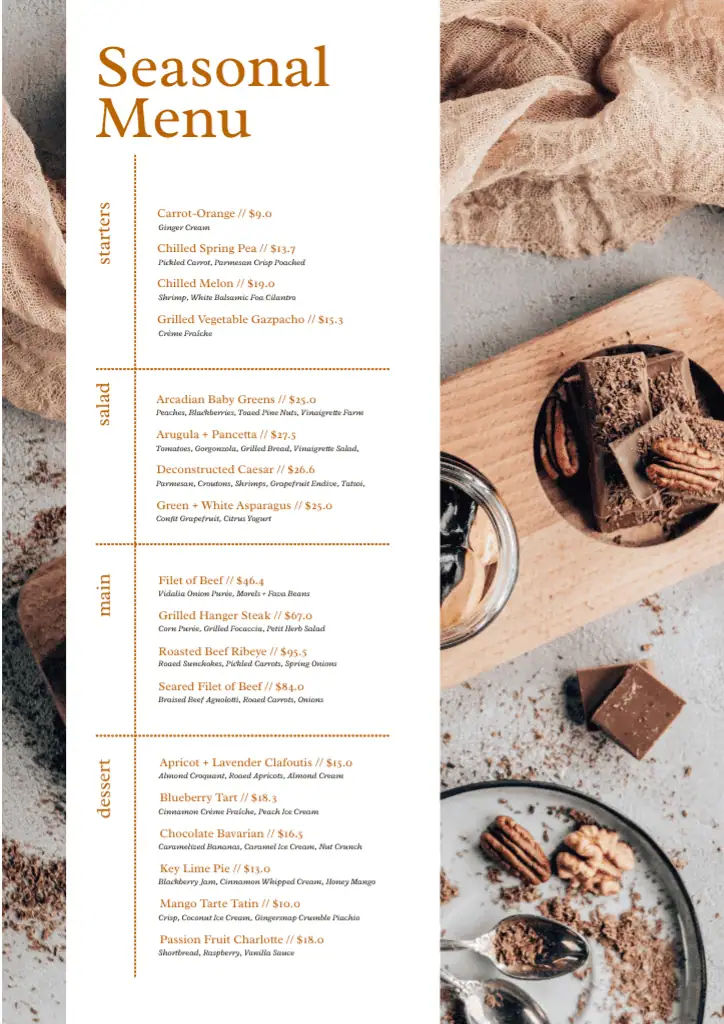
Menus that highlight “seasonal,” “fresh,” or “local” ingredients year-round without noticeable changes raise immediate concern among chefs. True seasonal cooking shifts constantly based on availability and harvest cycles. When items like strawberries, asparagus, or specialty seafood appear unchanged every month, it often suggests frozen products, long-distance imports, or misleading language. Chefs say consistency can be comforting, but false seasonality signals dishonesty. If a restaurant misrepresents something as basic as ingredient sourcing, it casts doubt on other claims. A static seasonal menu usually reflects marketing language rather than genuine kitchen practice.
Extremely Low Prices Across the Board
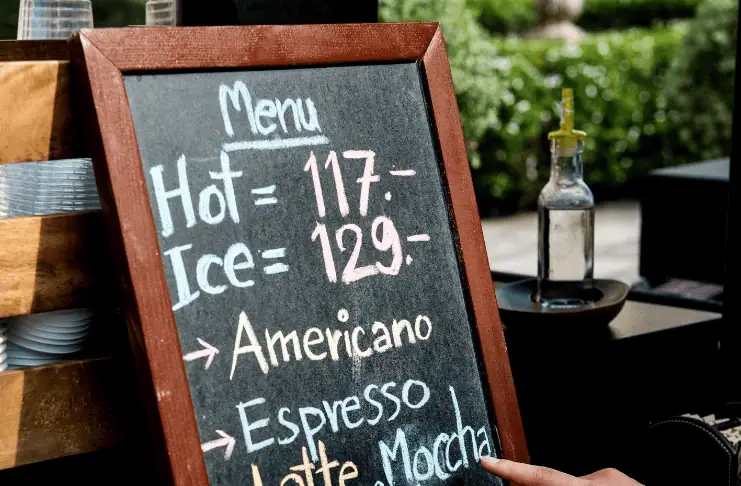
Unusually low prices across an entire menu are another red flag chefs take seriously. Quality ingredients, trained staff, proper storage, and clean kitchens all come with real costs. When prices seem far below market norms, chefs warn that something has likely been sacrificed. That compromise may involve frozen or low-grade ingredients, understaffed kitchens, or aggressive cost-cutting that affects hygiene and safety. While affordability alone isn’t a problem, consistently cheap pricing often points to systemic shortcuts. Chefs say when food feels underpriced, it’s usually because quality, labor, or care has been reduced somewhere out of sight.


