
20 Fast Food Items that Flopped Badly

Some of the world’s biggest fast-food chains have innovated irresistibly, yet occasionally even giants miss the mark. Understanding why certain fast-food items flopped provides valuable insights into consumer tastes and culinary expectations. From unforeseen ingredient mismatches to marketing missteps, the stories behind these menu items reveal as much about brand strategy as they do about the food itself. Dive into these examples to uncover lessons for both food lovers and those aspiring to culinary success.
McDonald’s McHotDog: A Missed Match

The McHotDog was McDonald’s attempt to diversify its menu by adding a classic American staple. However, it struggled due to its divergence from the brand’s core values of consistency and simplicity. The hot dog didn’t offer the optimal texture balance that McDonald’s is famous for, with the bun often mismatching the sausage in terms of size and chew. The experiment highlighted the importance of coherence and execution; customers expected superior consistency and flavor, which the McHotDog was unable to deliver.
Burger King's Breakfast Blunder

Burger King's venture into breakfast with the Enormous Omelette Sandwich aimed to attract morning diners with its hefty offering. Despite the idea of a protein-packed start, the execution misfired as it overemphasized bulk over quality. The sandwich’s overwhelming size detracted from its flavor, and the combination of greasy sausage and excessive cheese made it a nutritional concern. This serves as a reminder to prioritize balance and flavor harmony, ensuring that ingenuity doesn’t overshadow taste and health considerations.
Taco Bell's Bell Beefer Bust

Taco Bell's Bell Beefer was an attempt to tap into the popularity of sloppy joes with a Mexican twist. However, it didn’t resonate with Taco Bell’s existing fan base, who sought out bold Mexican-inspired flavors and textures. The Bell Beefer felt like an identity crisis on a bun, lacking the spice and vibrancy expected from the brand. This misstep underscores the significance of staying true to brand identity and understanding what your audience truly craves, especially in a fast-paced culinary landscape.
Dairy Queen's Disappointing Breeze

The Breeze was Dairy Queen’s attempt to offer a lighter alternative to its famous Blizzard. Unfortunately, it failed to capture the creamy allure of its predecessor, as its yogurt base lacked the rich indulgence patrons associated with the brand. The shift from decadent to diet was too stark, leaving customers unsatisfied. This illustrates the importance of maintaining a product’s essence while experimenting, ensuring any new development aligns with customer expectations and enhances brand reputation.
Wendy’s Frescata Fiasco

Wendy’s ventured into deli-style sandwiches with their Frescata line, aiming to capture the lunch crowd. These sandwiches featured fresh ingredients like premium meats, crisp vegetables, and artisan bread. However, the preparation time was longer than customers expected from a fast-food chain. The delicate balance of meat and thick, chewy bread often produced a less-than-ideal eating experience. This disconnect, coupled with logistical challenges in maintaining fresh ingredients, ultimately led to its removal. Wendy’s learned that efficiency and customization are paramount.
Jack in the Box's Frings Fumble
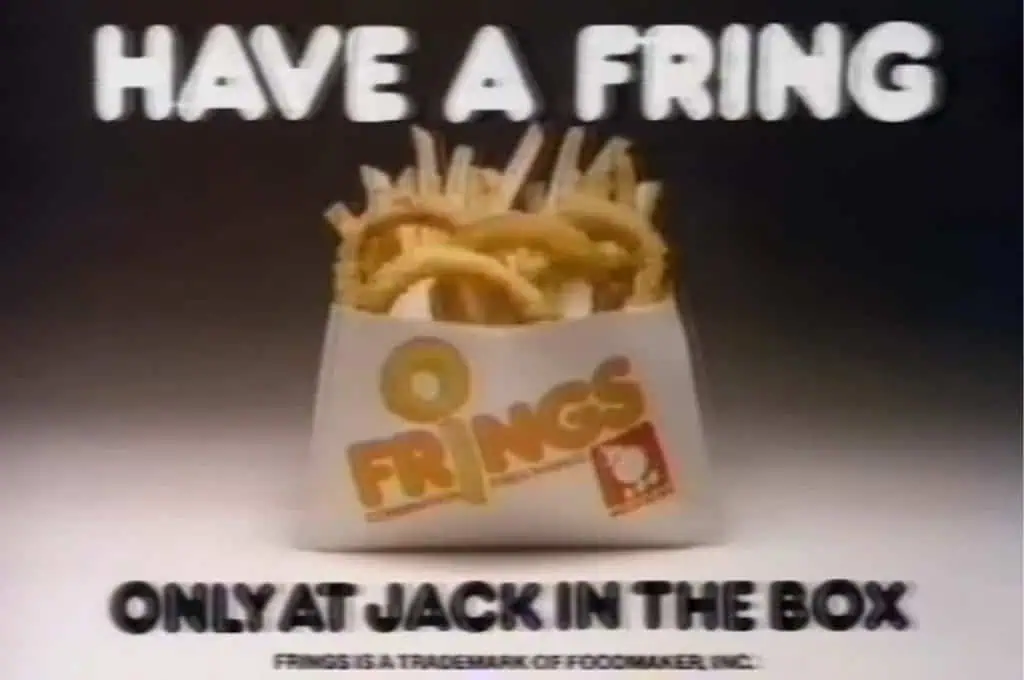
Jack in the Box introduced Frings to blend two popular side options: fries and onion rings. This hybrid was meant to appeal to indecisive diners but ended up confusing many. The serving sizes projected a lack of focus on either component, leading to uneven cooking and inconsistent temperatures. The fries often turned out soggy or under-seasoned, while the onion rings either lacked crispiness or overwhelmed with greasiness. Successful execution of mixed sides requires precise batch management, something fast-paced environments struggled to maintain.
Sonic's Sour Pickle-O's

Sonic’s Sour Pickle-O’s ventured into bold flavor territory, offering deep-fried pickle slices zested with sour goodness. While intriguing to adventurous palates, widespread appeal was lacking. The sour tang, intensified by frying, clashed sharply with traditional Sonic fare. Texturally, the breading frequently detached, leaving pickles exposed and overly oily. Crispness preservation in fried items is key and requires careful moisture control and batter consistency. Balancing novel flavors with menu cohesiveness proved challenging, resulting in its swift disappearance.
Pizza Hut's Italian Experiment
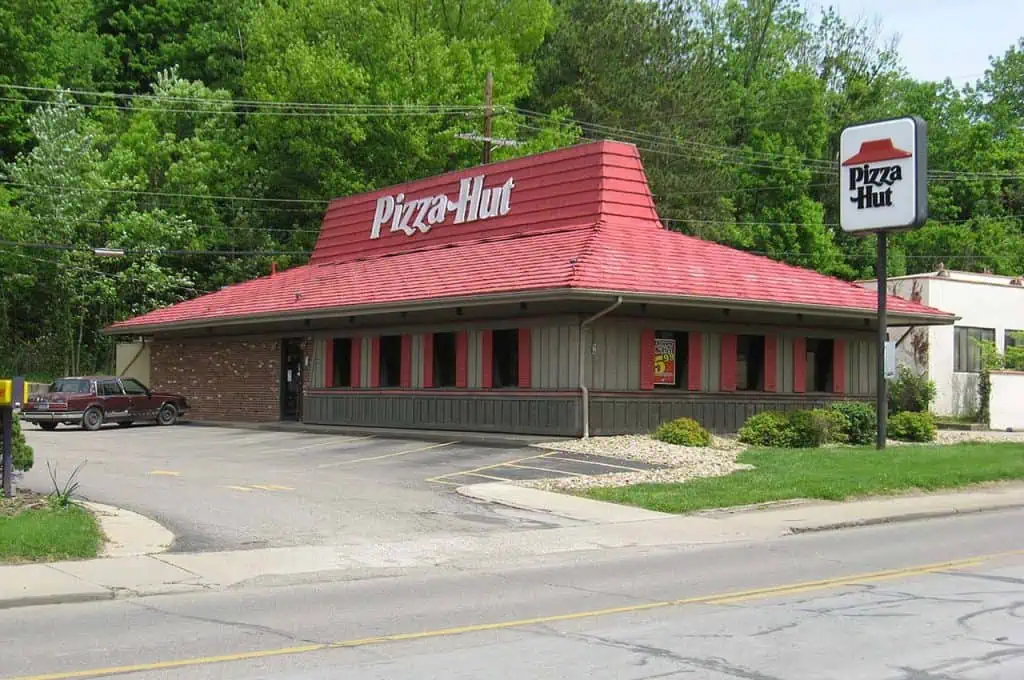
Pizza Hut attempted to diversify with an Italian-inspired menu extension, introducing dishes like pastas and baked entrees. This venture faced hurdles, primarily because ingredient quality did not meet Italian dining standards. Pasta often arrived overcooked or clumped, sauces were either too watery or lacked seasoning depth. Pizza Hut’s strength in mass-produced pizza did not translate into the nuanced preparation required for authentic Italian cuisine. A successful pivot requires more than inspiration from traditional dishes, it demands executing with precision and authenticity.
A&W's Third Pound Trouble

A&W introduced a third-pound burger to challenge quarter-pound options of competitors, highlighting more meat for the same price. However, the idea faced misunderstanding in marketing, many consumers incorrectly assumed it was smaller due to the unfamiliar fraction. Cooking such a large patty evenly involved challenges, often resulting in uneven doneness or excessive juices soaking the bun. Communication gaps and assumptions about consumer numeracy impacted its reception. Precise messaging and technical adjustments in cooking balance could have improved outcomes.
Long John Silver’s Big Catch Chaos

Long John Silver’s “Big Catch” was an ill-fated attempt at attracting seafood lovers. The dish featured a colossal portion of battered fish accompanied by onion rings and hush puppies. While the concept seemed promising, execution faltered with over-battered fish leading to excessive greasiness, obliterating any chance for nuanced flavors to shine through. Improving results involves carefully adjusting frying times to achieve a golden, crispy exterior without overwhelming the fish. Complementing with a light, tangy tartar sauce balances the richness, creating an inviting finish.
KFC’s Double Down Dilemma
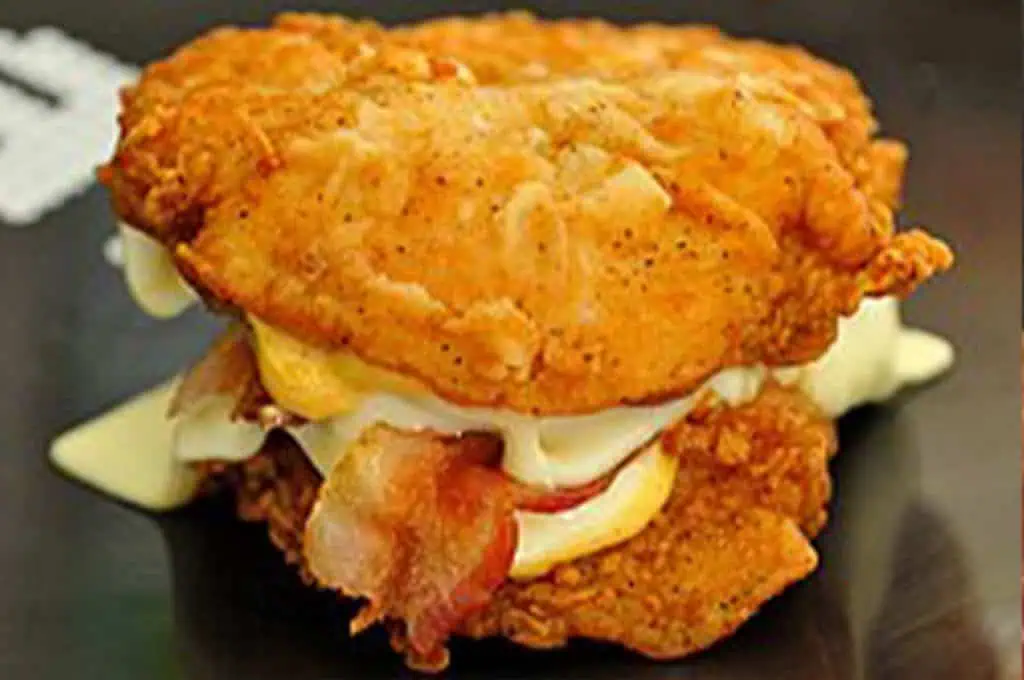
KFC's Double Down caused a stir with its bold concept: a bunless sandwich using fried chicken fillets as bookends for bacon and cheese. Though novel, it presented flavor and texture challenges. The lack of bread emphasized the need for balance, often leading to an overwhelmingly rich profile. Achieving success requires precision in cooking chicken to ensure juiciness inside and crispiness outside. Using fresh, crunchy pickles offers a contrasting crisp texture and acidity. Opting for milder cheese and lightly smoked bacon harmonizes the flavors, avoiding overpowering elements.
Chipotle's Queso Quagmire
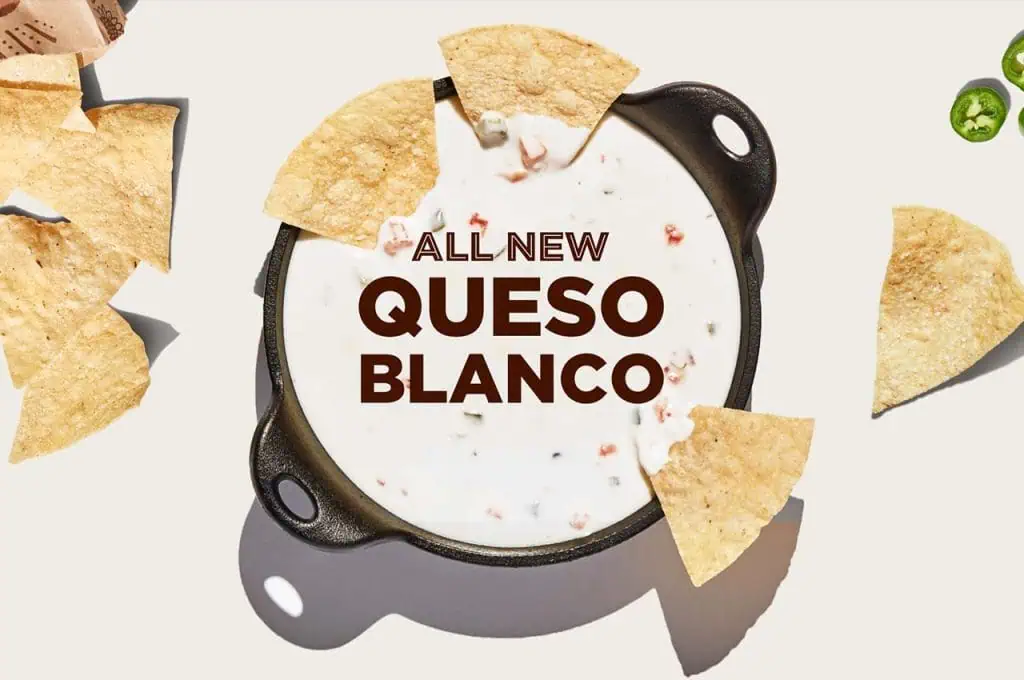
Chipotle's foray into queso faced hurdles due to its grainy texture and underwhelming taste, surprising given Chipotle's reputation for quality. Traditional techniques involve slow melting of cheese to prevent separation and achieve a smooth, creamy consistency. Utilizing high-quality cheese and adding evaporated milk can create a luscious texture. A touch of fresh jalapeños and a hint of cumin can enhance flavor depth, while maintaining the essence of Chipotle’s signature spice profile, enticing tasters with a familiar yet refined experience.
Arby's Fishy Mishap
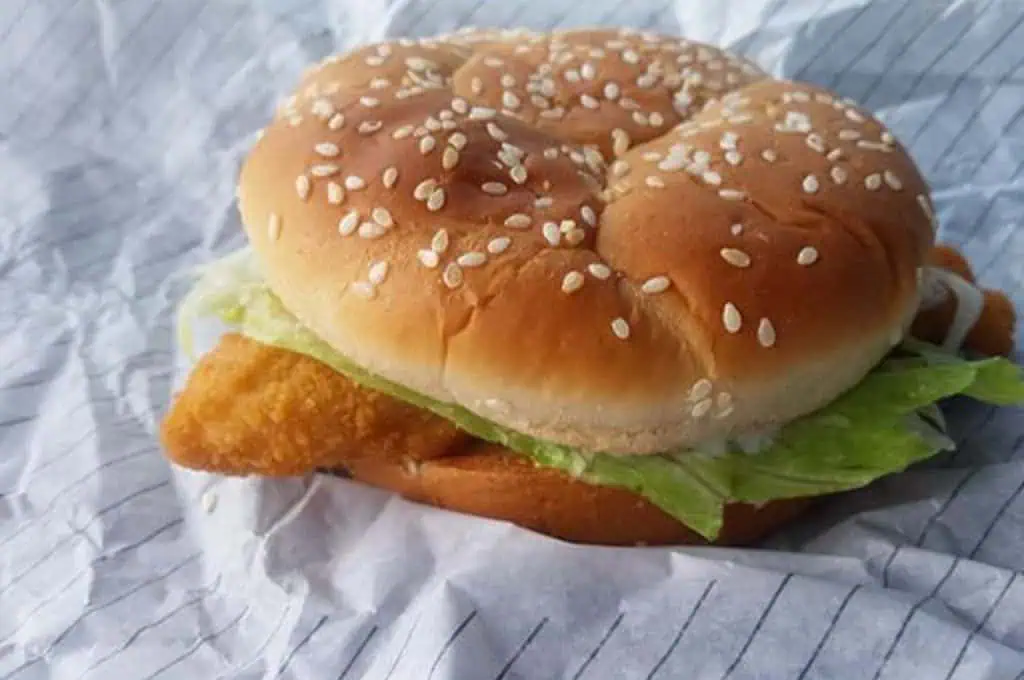
Arby's attempt with a fish sandwich met criticism for its lackluster taste and texture. Proper execution of a fish sandwich demands sharp attention to sourcing quality fillets and precise frying techniques to avoid the common pitfalls of sogginess or blandness. Crispy, seasoned crust and fresh, flaky fish are paramount. Pairing with a zesty, herb-infused mayonnaise can ignite subtle flavors. Employing crisp vegetables like cabbage slaw adds a refreshing crunch, ensuring each bite is vibrant and satisfying, overcoming the initial pitfalls of this misstep.
McDonald’s Hula Burger Hiccup

McDonald’s Hula Burger, designed to cater to non-meat eaters, faltered due to its unconventional pairing of pineapple with cheese on a bun, lacking cohesive flavor harmony. Elevating such a concept involves balancing the sweetness of grilled pineapple with the savory notes of sharp cheddar. Adding a spicy element, like a touch of chili or jalapeño, can introduce complexity. Incorporating arugula or fresh greens provides necessary texture contrast, transforming the dish from oddity to a fascinating fusion capable of delighting palates.
Burger King’s Spooky Whopper Woes
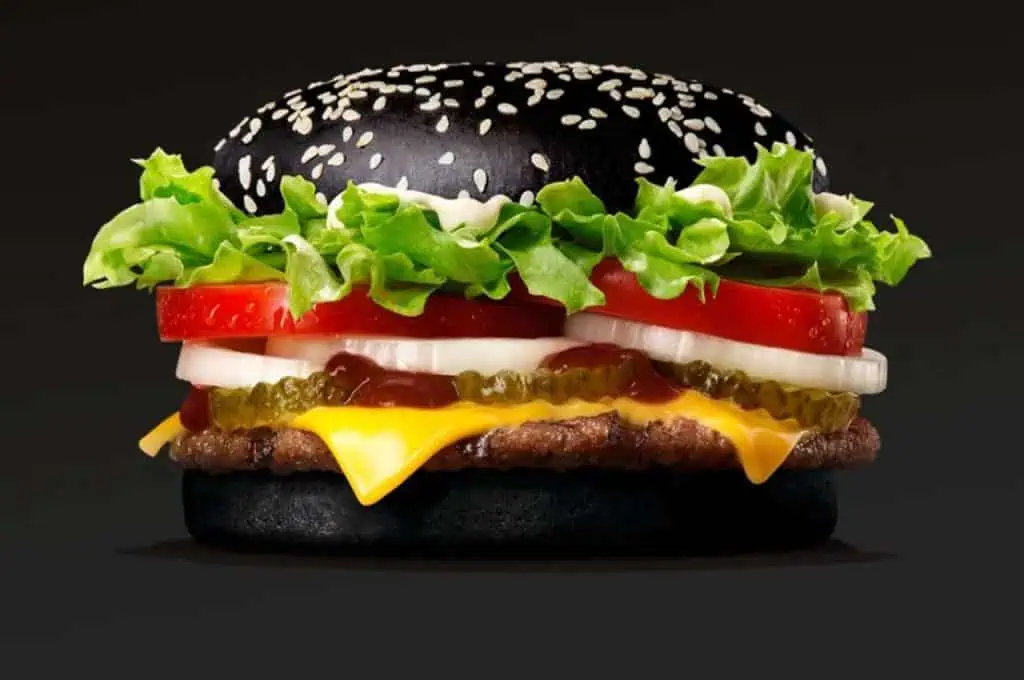
Burger King’s attempt to cash in on Halloween festivities with the Spooky Whopper didn't end as planned. The burger, featuring a black sesame seed bun, was meant to capture the thrill of the season. However, the alarming color shift during digestion overshadowed its appeal. The sandwich included classic ingredients like beef, cheese, and toppings, but the startling aftereffects kept customers wary, proving that appearance can too easily overshadow taste.
Taco Bell’s Seafood Salad Surprise

Taco Bell ventured into unfamiliar territory with its Seafood Salad, combining crab, shrimp, and whitefish with greens, tomatoes, and cheese in a taco shell bowl. Aimed at diversifying the menu, it fell short as the flavors clashed rather than complemented. The seafood's freshness was questioned, further complicated by the chain's reputation for quick-service Mexican fare, a domain not grasped by this dish, leading to its rapid omission.
KFC’s Double Down Dog Disaster

KFC’s Double Down Dog aimed to innovate by substituting a hot dog bun with fried chicken fillets. Packed with a traditional hot dog and cheese sauce, the sandwich's caloric density and unwieldy structure left diners struggling. While the combination promised indulgence, the reality of greasy fingers and overpowering richness made it impractical for most, highlighting a misstep in balancing creativity and convenience.
Mountain Dew Wings: A Flavor Fail
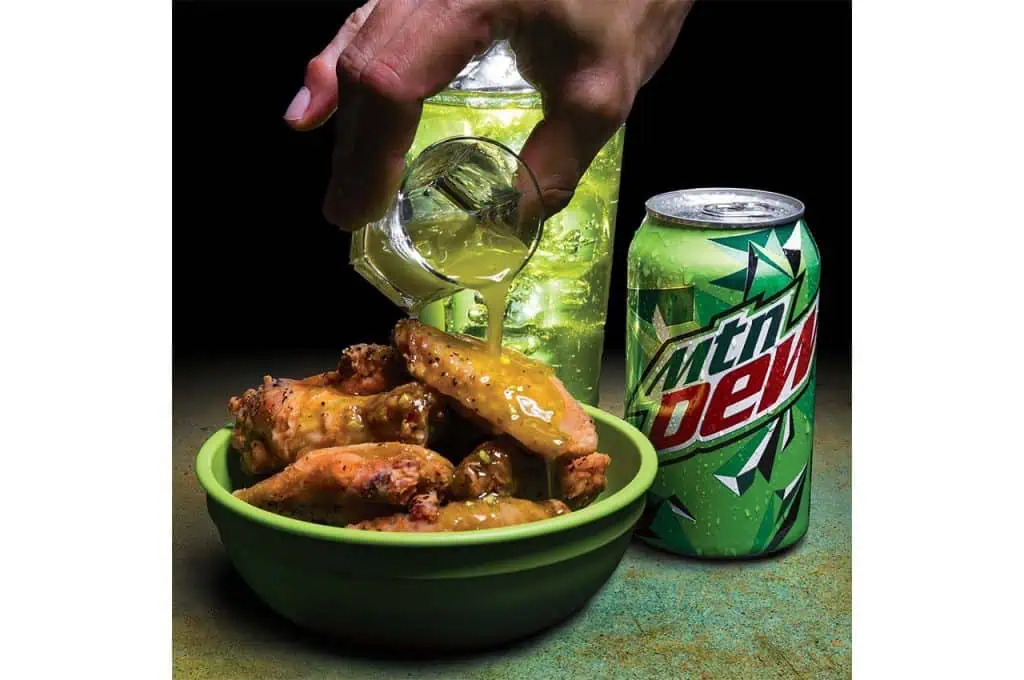
Mountain Dew Wings, a collaborative concoction with Buffalo Wild Wings, introduced chicken wings coated in a sweet citrus glaze echoing the popular soda. Though inventive, the combination of sugary glaze and savory chicken wings created a disconnect rather than harmony. The heavy sweetness overpowered the wings' natural savoriness, making this concept more perplexing than pleasing, a reminder of the importance of complementary tastes.
Pizza Hut’s Flavor Overload
Pizza Hut's Flavor of Now line tried to transform traditional pizzas with novel crusts and toppings like Peruvian cherry peppers and honey Sriracha sauce. Despite aiming to capture global palates, the overload of flavors often led to a chaotic taste experience. By trying to please every taste in one pie, the essence of balanced pizza was overshadowed, causing many to revert to classic combinations where simplicity reigns.
McDonald’s McSpaghetti Misstep
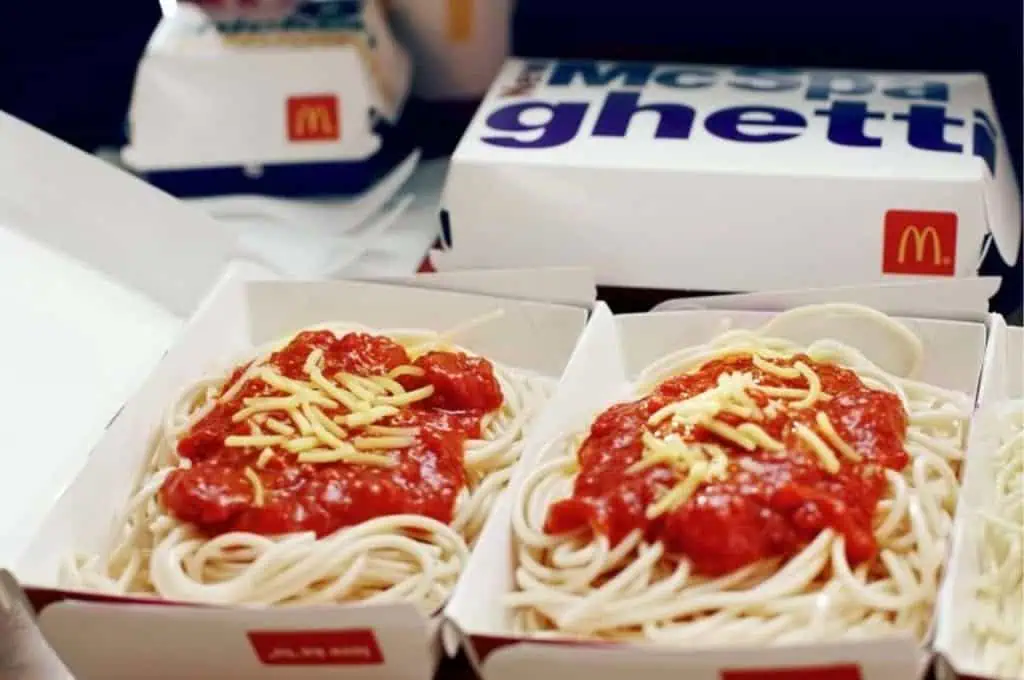
McDonald’s once ventured into pasta by introducing McSpaghetti, a dish that confused more than it delighted. The concept aimed to diversify the menu but ultimately clashed with expectations. When preparing pasta, texture is key; traditional Italian methods emphasize al dente firmness. Fast food speed often sacrificed this, leading to limp noodles and sauce that lacked depth. A hearty marinara requires simmering to develop rich layers of flavor, something ill-suited to a fast food context. Successful pasta needs both patience and precision, qualities that this fast track release failed to embody.


