
20 cooking rules women were expected to follow in the 1950s American Kitchens that seem absurd now

The 1950s American kitchen wasn’t just a place to cook it was a stage for social expectations. Women were judged not only on how food tasted, but on timing, appearance, manners, and obedience to rigid domestic “standards.” Cookbooks, magazines, and home economics classes promoted strict rules meant to reflect femininity, discipline, and devotion to family. Looking back, many of these expectations feel unnecessary, impractical, or outright absurd by modern standards.
Dinner Had to Be on the Table the Moment the Husband Arrived
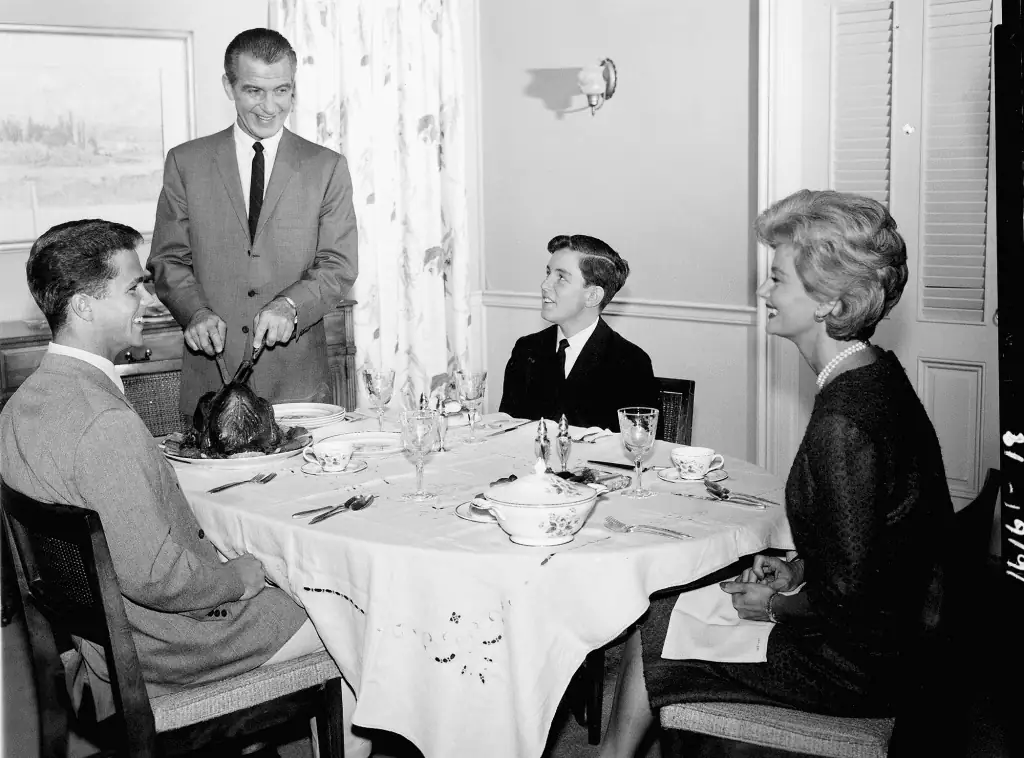
Women were expected to time meals so precisely that dinner was hot and ready the exact moment their husbands walked through the door. Being even a few minutes late implied poor planning, disrespect, or lack of devotion. This rule ignored traffic delays, overtime work, children’s needs, and basic human unpredictability. Cooking became less about feeding the family and more about proving discipline and obedience. The daily meal turned into a performance where punctuality was treated as a measure of a woman’s value.
Meat Was Mandatory at Every Dinner
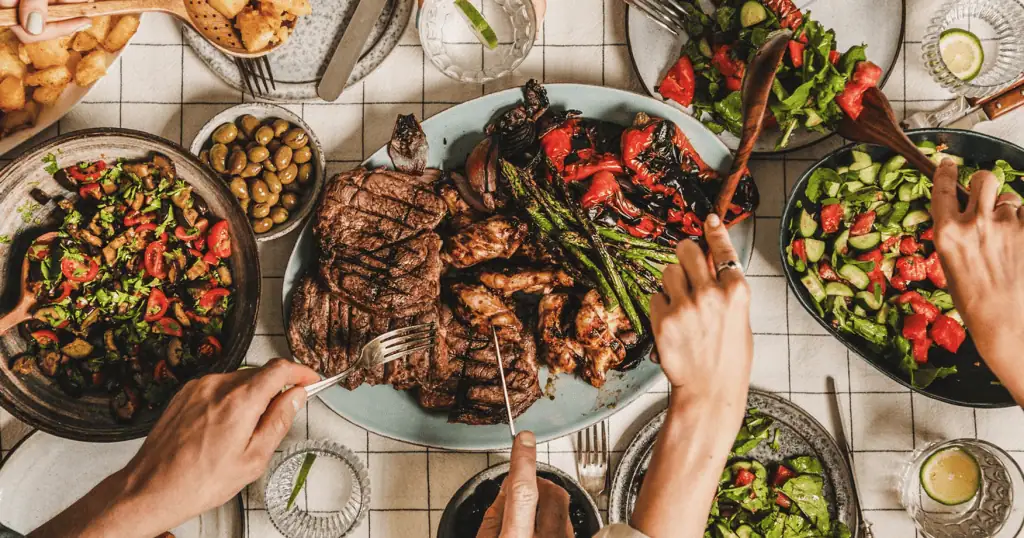
A “proper” dinner was believed to require a meat centerpiece, regardless of cost, nutrition, or availability. Meals without meat were labeled incomplete, lazy, or unhealthy. This rigid rule dismissed vegetables, grains, and legumes as insufficient main foods. It also placed financial strain on families during times of tight budgets. The expectation reinforced the idea that strength, satisfaction, and masculinity were tied to meat, leaving no room for flexibility or creativity in everyday cooking.
Canned Foods Meant You Were Modern

Using canned soups, vegetables, and meats was promoted as a sign of progress and intelligence. Advertisements suggested that a good homemaker relied on factory-made convenience foods rather than traditional methods. Homemade cooking could even be viewed as old-fashioned or inefficient. This rule pushed women to buy specific branded products to prove they were keeping up with modern life, even when fresh food was available and better tasting.
Food Had to Look Perfect Before It Tasted Good

Visual appeal mattered more than flavor. Dishes were expected to be neatly molded, evenly shaped, and carefully garnished, even if they tasted bland. Gelatin salads, symmetrical plating, and uniform portions were emphasized in cookbooks and magazines. A meal that tasted good but looked messy reflected poorly on the cook. This rule turned food into decoration and discouraged cooking for enjoyment rather than appearance.
Strong Spices Were Discouraged
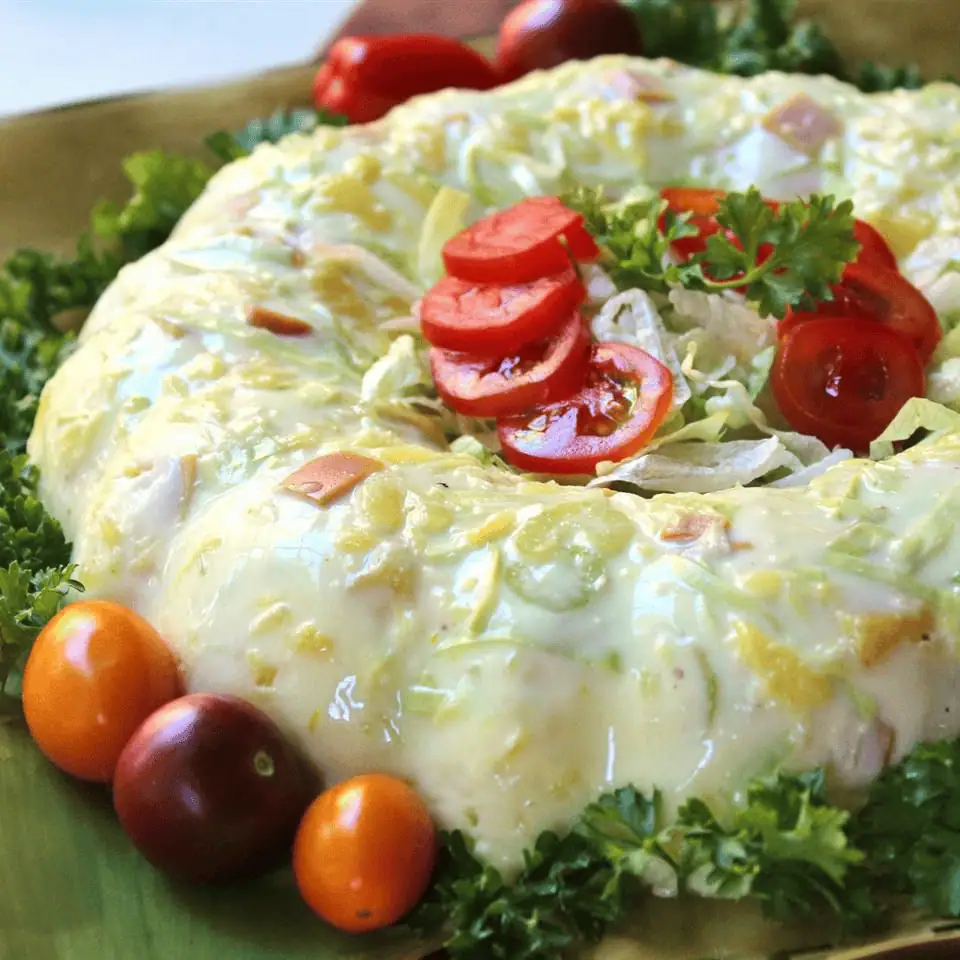
Bold flavors were considered improper in many 1950s kitchens. Garlic, chili peppers, and heavy seasoning were often labeled “too strong” or “foreign.” Meals were expected to be mild and neutral to avoid offending anyone, especially husbands. This rule limited flavor exploration and discouraged cultural diversity in cooking. Blandness became associated with refinement, while adventurous seasoning was treated as risky or unladylike.
Leftovers Had to Be Disguised
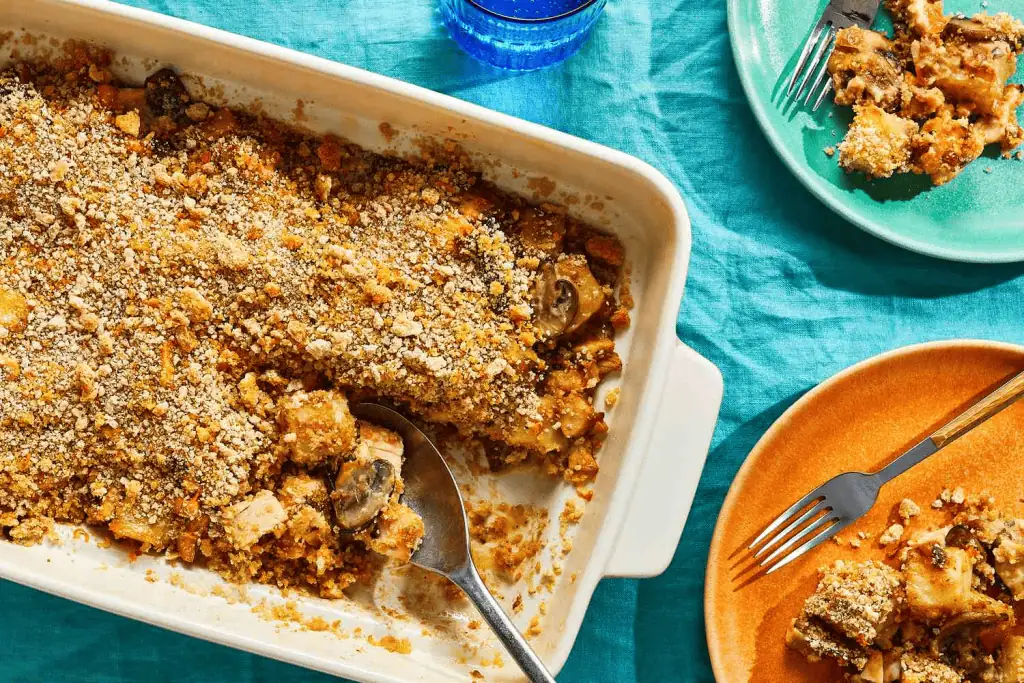
Serving leftovers plainly was seen as embarrassing and lazy. Women were expected to transform yesterday’s food into casseroles, loaves, or soups so no one would recognize it. While this encouraged creativity, it also added unnecessary labor and pressure. Practical reuse was treated as failure rather than efficiency. The rule valued appearance over honesty, making even sensible habits feel like something to hide.
Dessert Was Required Every Night

A full dinner wasn’t considered complete without dessert, no matter how filling the main meal was. Skipping dessert suggested neglect or poor homemaking. Even simple desserts required extra preparation, adding to women’s daily workload. This rule prioritized routine over necessity and reinforced constant labor. Dessert wasn’t about enjoyment, it was about consistency and meeting expectations, even when time, money, or energy were limited.
The Kitchen Had to Stay Clean While Cooking

Women were expected to cook entire meals while keeping the kitchen spotless at all times. Dirty dishes or cluttered counters suggested disorganization or incompetence. Cleaning as you cooked was treated as a moral expectation, not a practical challenge. This unrealistic standard ignored the natural mess of meal preparation and added mental pressure, turning cooking into a test of control rather than a creative or nurturing task.
Recipes Had to Be Followed Exactly
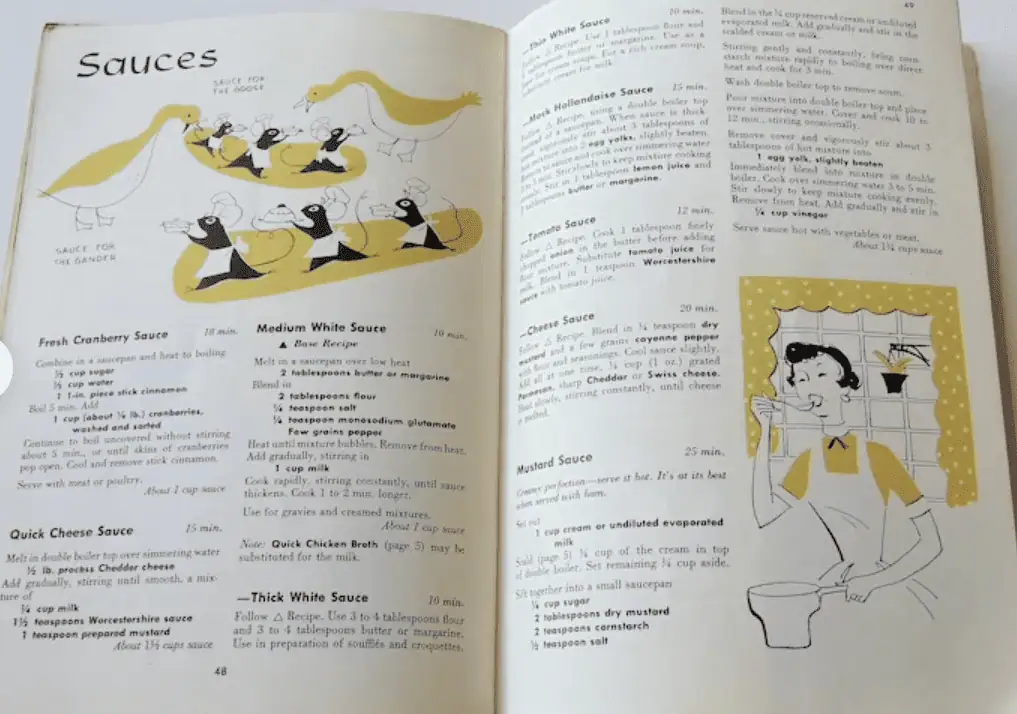
Deviation from written recipes was discouraged and seen as careless or unskilled. Trusting intuition or improvising suggests incompetence rather than confidence. Cookbooks were treated as instruction manuals, not inspiration. This rule limited experimentation and reinforced the idea that good cooking meant obedience, not creativity. Women were praised for accuracy, not originality, even though flexibility is a core part of real-world cooking.
Meals Had to Follow a Fixed Structure

Every dinner was expected to include specific components: meat, starch, vegetable, bread, and dessert. Meals that didn’t follow this formula were considered nutritionally and socially inadequate. This rigid structure ignored appetite, availability, and cultural variation. Food was judged against a checklist rather than how it nourished people. The rule turned meals into obligations instead of experiences, leaving little room for simplicity or change.
Children Were Expected to Eat Whatever Was Served

In the 1950s, kitchens, meals were planned around adult preferences, especially the husband’s. Children were expected to eat what was put in front of them without complaint. Making separate meals or adjusting flavors for kids was considered indulgent and weak discipline. This rule framed obedience as more important than taste or comfort, turning dinner into a lesson in conformity rather than nourishment.
No One Should See the Effort
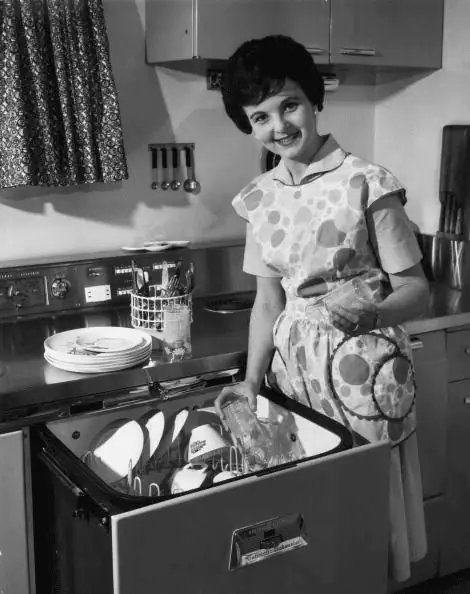
A “good” cook was expected to make meals look effortless, even if they required hours of preparation. Stress, exhaustion, or mistakes were to be hidden behind a calm smile. Showing fatigue was seen as a failure of grace. This rule ignored the physical and emotional labor of daily cooking, reinforcing the idea that women’s work should be invisible, no matter how demanding it was.
Cooking Was Always the Woman’s Responsibility
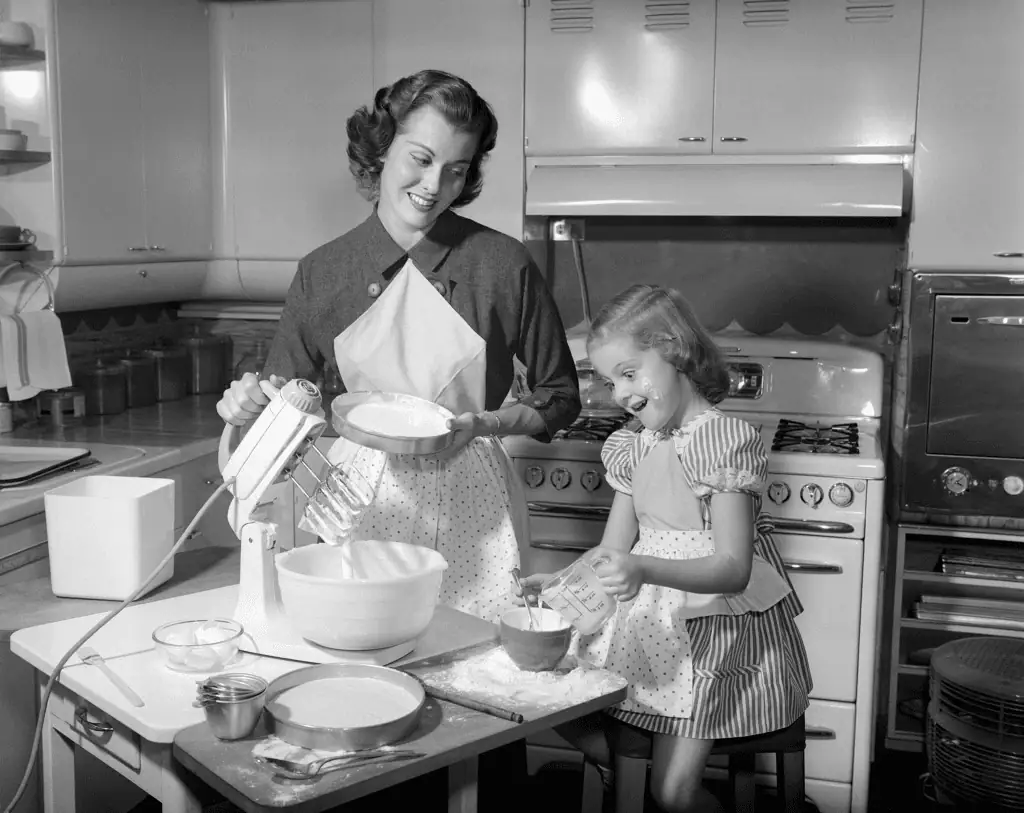
Even when women worked outside the home or cared for children all day, cooking remained solely their duty. Help from husbands was rare and often socially discouraged. The kitchen was framed as a woman’s natural domain rather than a shared responsibility. This expectation normalized unequal labor and made daily meals a symbol of obligation rather than partnership.
A Woman’s Cooking Reflected Her Morals
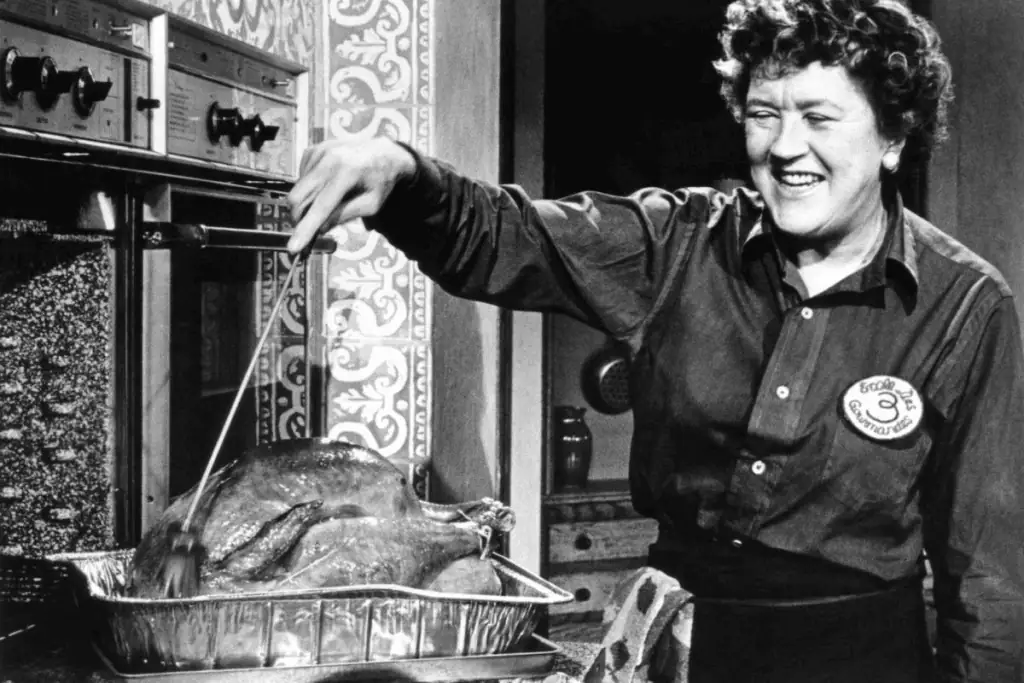
Meals were treated as a direct reflection of a woman’s character. Burned food, repetition, or simple meals were interpreted as laziness or lack of care. Cooking wasn’t just a skill; it was a moral test. This rule placed enormous pressure on women to perform perfectly daily, tying self-worth to outcomes that were often beyond their control.
Entertaining Required Elaborate Menus

When guests visited, women were expected to serve multi-course meals that impressed, regardless of budget or energy. Simple food was seen as embarrassing. Entertaining became a performance of domestic excellence rather than hospitality. This rule turned social gatherings into high-pressure events and reinforced the idea that women were responsible for maintaining social status through food.
Convenience Was Encouraged But Only the “Right” Kind

Women were encouraged to use specific branded convenience products marketed as modern and efficient. Choosing not to use them could be framed as resistance to progress. However, relying too much on shortcuts risked being labeled lazy. This contradictory rule forced women to balance consumer obedience with unrealistic expectations of effort and care.
Food Had to Be Served Quietly and Politely
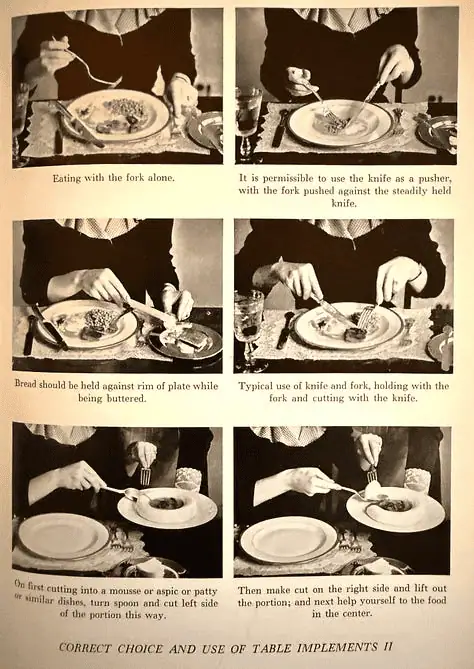
Serving meals came with strict behavioral expectations. Women were expected to move calmly, speak softly, and never appear rushed or frustrated. Any sign of assertiveness or stress was frowned upon. This rule extended emotional labor into the act of serving itself, requiring women to manage not just food but their own expressions and tone.
Repeating Meals Meant Poor Planning

Serving the same dinner twice in one week was considered a sign of failure. Women were expected to plan a constant variety, even with limited ingredients or budgets. This rule ignored practicality and promoted unnecessary stress. Variety mattered more than sustainability, reinforcing the idea that good homemaking required constant novelty.
Waste Was Preferable to Imperfection
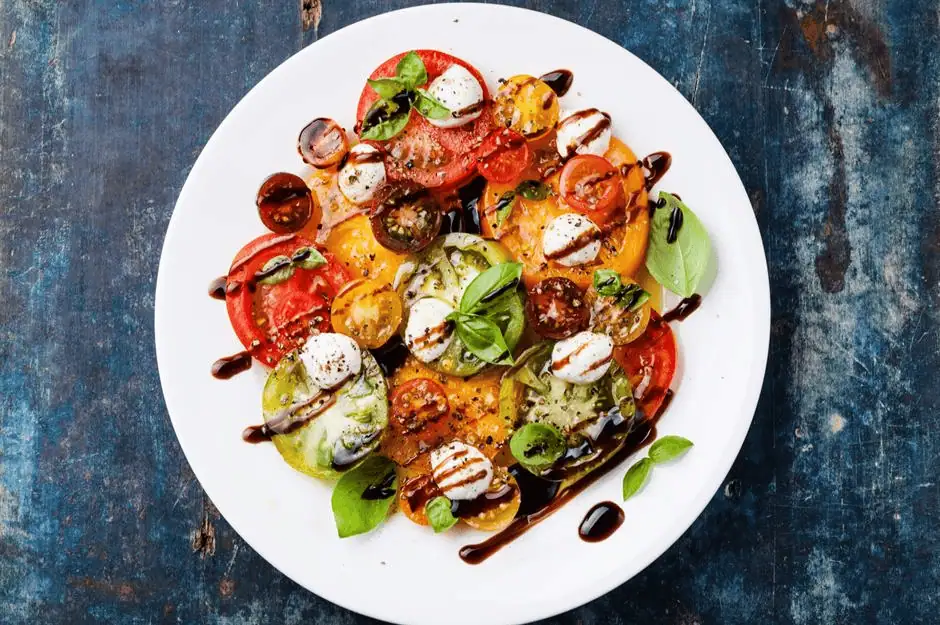
Food that didn’t look right was often discarded rather than served. Appearance mattered more than practicality or conservation. This rule encouraged waste in favor of maintaining visual standards. It reflected a cultural belief that presentation outweighed resourcefulness, even though many families still lived with limited means.
The Cook Was Always Last to Eat
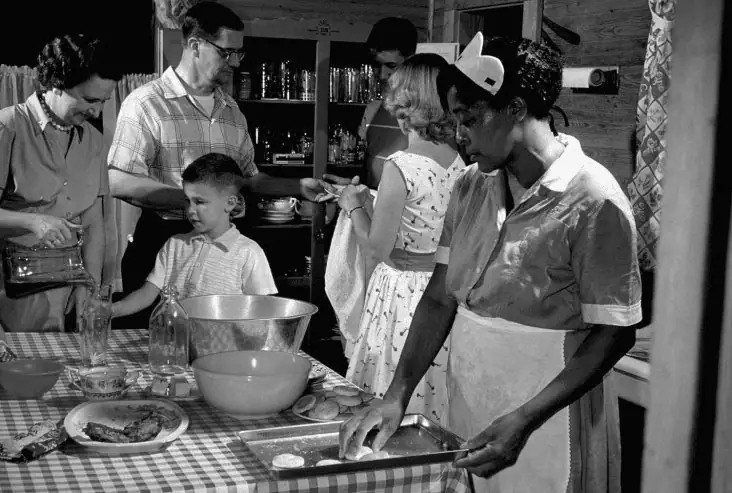
Women were expected to serve everyone else before sitting down themselves, often eating once food had cooled or not at all. The meal was framed as an act of service rather than a shared experience. This rule symbolized how women’s needs were consistently placed last, reinforcing the idea that nourishment and rest were secondary to duty.


