
19 Condiments That Should Never Be Used Past Their Expiry

Condiments elevate dishes with layers of flavor and texture, but their longevity is not indefinite. Understanding which condiments should never be used past their expiry date is vital for taste and safety. Ensuring freshness in key ingredients means you maintain the highest quality in your cooking and avoid potential foodborne illness.
Mayonnaise: A Spoilage Risk

Mayonnaise is a beloved condiment, creamy and tangy, used in sandwiches and salads alike. However, once past its expiration, it becomes a breeding ground for bacteria like Salmonella. Maintain its safety by keeping it consistently refrigerated and discard any that exhibit changes in color or smell. Freshness is critical to prevent contamination and ensure the dressing's signature smoothness and flavor.
Horseradish: Potency Loses Power
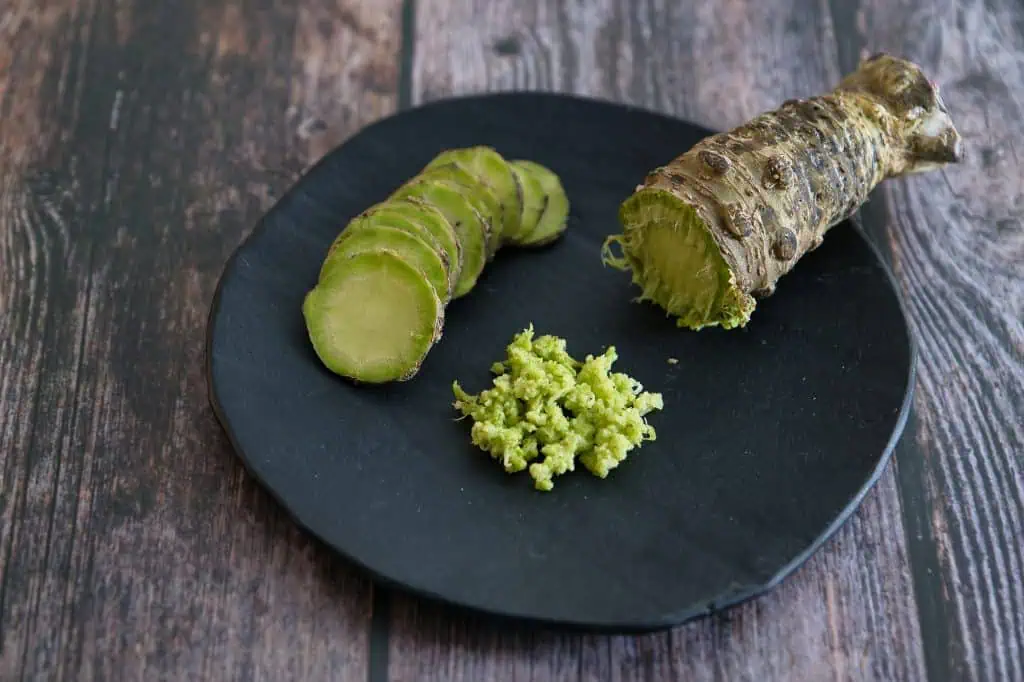
Horseradish offers a sharp, assertive heat that adds depth to meats and sauces. When it expires, not only can it spoil, but also its punchy spice diminishes, transforming into a bland, unappealing paste. To preserve its potency, store it tightly sealed in the coldest part of your refrigerator and monitor its best-by date to maximize its fiery impact.
Sour Cream Dips: Freshness Fading

Sour cream dips are a staple at parties, offering rich, tangy flavor to complement chips and veggies. Unfortunately, they don't hold up well past expiration. Expired sour cream becomes runny and develops off-putting aromas, drastically altering its palatability. Ensure a fresh and enjoyable dip by checking dates diligently and storing it in a cool place, away from light and warmth.
Tartar Sauce: Fishy When Old

Tartar sauce combines creaminess with the bright zing of pickles, ideal for seafood. Over time, its components can separate, and an expired sauce develops an unpleasant, fishy odor. This dramatically affects both taste and safety. Prevent this by keeping it refrigerated and consuming within the recommended period to retain its vibrant flavor that enhances crispy seafood perfectly.
Ranch Dressing: Not Worth the Risk

Ranch dressing, beloved for its creamy texture and tang, loses its quality significantly after the expiry date. The emulsified oils and dairy can separate over time, affecting both flavor and stability. Keep an eye on dairy notes; expired ranch develops an off-putting sourness and unpleasant smell. To maintain freshness longer, store it in the refrigerator and always use clean utensils to prevent contamination, which can lead to spoilage before its printed date.
Blue Cheese Dressing: Funky but Not Forever

Blue cheese dressing delivers a punch of savory complexity but becomes risky post-expiry. Over time, the cheese's natural mold intensifies, creating unpleasant, overpowering odors. Look for changes in color or texture, as separation and a runny consistency indicate spoilage. The acidic undertones should remain balanced, so when they tilt towards overly sour, it's time to discard. Opt for small batches at home to better control freshness and enjoy its peak taste.
Get Recipes : Blue Cheese Dressing
Creamy Caesar: When to Toss It

Creamy Caesar, with its umami-rich blend of anchovies and parmesan, spoils quickly once expired. Its creamy base can curdle, creating off flavors and a gritty texture. Watch for changes in color and ensure the aroma remains robust yet not rancid. A hint of ammonia signals spoilage, making it unfit for consumption. For the best experience, transfer to an airtight container once opened, minimizing exposure to air and extending its shelf life.
Get Recipes : Creamy Caesar
Pesto: Green Without the Fresh
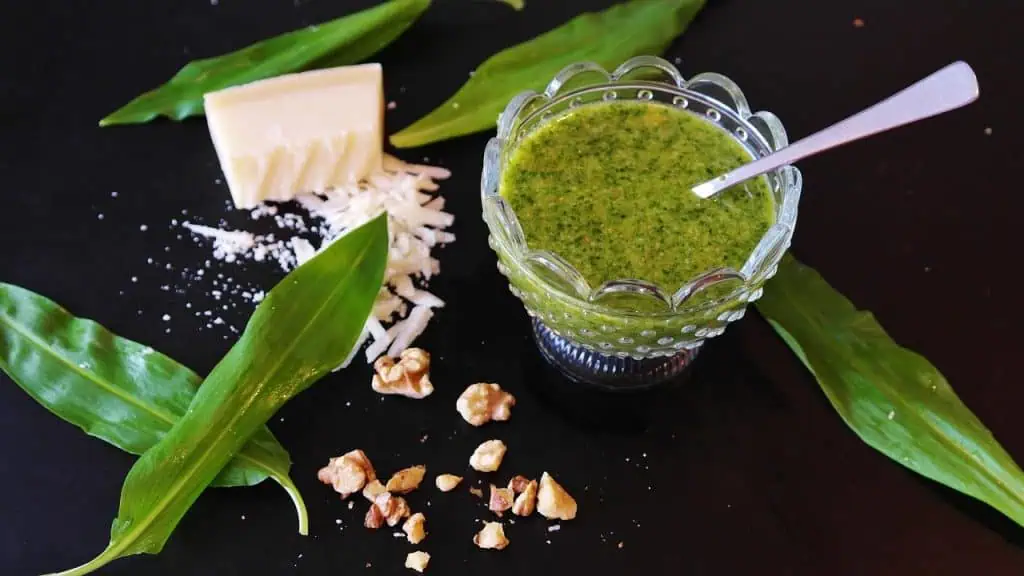
Pesto thrives on the vibrancy of fresh basil, whose flavor dulls as time progresses. Once past its expiry, pesto loses its vibrant color, turning a muddy brown, indicating oxidation. The aroma should be richly herbal, not sour. A metallic or overly acidic taste suggests the oils have turned rancid. Always cover exposed surfaces with olive oil when storing, as this simple step limits air interaction and preserves the fresh essence longer.
Aioli: Garlic Gone Bad

Aioli, a luxurious blend of garlic and oil, turns quickly when expired. Natural fermentation intensifies garlic’s pungency, leading to a sharp, offensive odor. The texture may become overly thick or oily, straying from its whipped consistency. Keep aioli stored in a cool environment, tightly sealed, for optimal freshness. To extend shelf life, prepare in small quantities, relying on freshly squeezed lemon juice as a preservative boost without compromising flavor.
Tahini: Beyond the Nutty

When tahini passes its prime, its once smooth and creamy texture can become gritty, and the nutty, rich flavor fades into a bitter undertone. High in oils, tahini is susceptible to rancidity, leading to an unpleasant taste that affects both the aroma and quality of your dishes. Regularly check the texture; any separation noticed should be addressed by thorough stirring. However, if it feels exceptionally oily with an off smell, it's time to discard. Proper storage in a cool, dark place prolongs its shelf life, preserving that essential sesame flavor.
Peanut Butter: Spoiled Spread
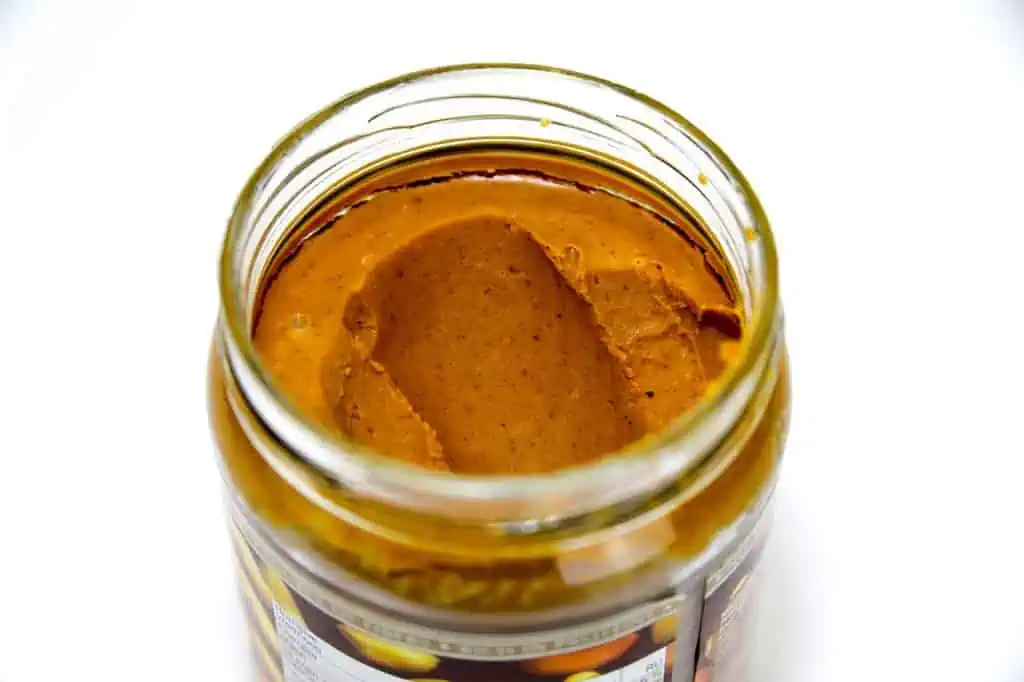
Expired peanut butter can lose its creamy consistency, becoming dry and hard, with a surface that might develop a chalky appearance. Oxidation of the natural oils causes it to go rancid, reflected in a sour smell and taste. Consuming spoiled peanut butter not only undermines the flavor of your recipes, but it also poses health risks. To maintain freshness, store it in a tightly sealed container, away from heat and light. Opting for smaller jars can help ensure easier turnover, preserving quality for longer periods.
Salsa: Freshness is Key

Salsa, with its vibrant mix of ingredients, demands freshness for peak flavor. Once past its prime, the texture can become watery, and the vegetables lose their firm, crisp bite. The blend of spices and acidity that once provided a flavorful punch is dulled, making it unpalatable. Always observe the color and smell, as any discoloration or sour odor indicates spoilage. To extend its freshness, refrigerate immediately after opening and use clean utensils to prevent contamination.
Chili Paste: Heat and Spoilage

The fiery allure of chili paste diminishes quickly after its expiration date, with spoilage manifesting in the form of mold and a sour smell. The natural oils can develop off-flavors, compromising the aroma and intended heat of the paste. Thickness is essential—if it becomes runny or separates excessively, it’s an indicator of spoilage. Refrigerate chili paste after opening to retain its spicy punch and prevent degradation. Use airtight containers to avoid exposure to air and moisture.
Curry Paste: Spices Spoiled

Once curry paste passes its expiration, the aromatic blend of spices and herbs loses its potency, contributing to a flat, uninspired dish. You may notice a change in color and a sour odor as the paste undergoes spoilage. Its richness can turn greasy while the paste texture breaks down, affecting consistency. To maintain its vibrant flavor, store it in a well-sealed jar, ideally in the fridge, to shield the delicate balance of spices from moisture and air. Regularly check for signs of spoilage before use.
Guacamole: Brown and Down
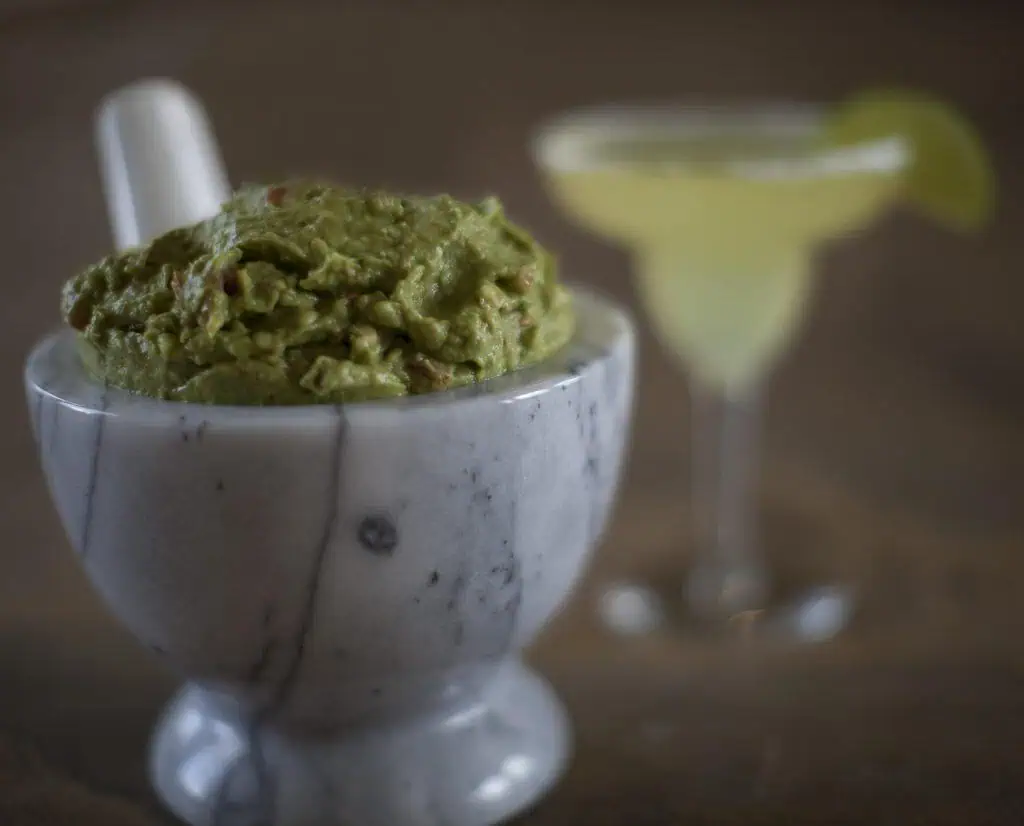
Guacamole loses its vibrant green hue and fresh taste as it ages. The oxidation process starts as soon as avocado is exposed to air, turning the surface brown. Beyond color, expired guacamole develops a sour smell and an off-putting taste. Even in storage, the texture shifts from creamy to slimy, making for an unappetizing experience. For the best guacamole, use ripe avocados and prepare just before serving, sealing leftovers with plastic wrap directly on the surface to slow browning.
Mustard Add-ins: Flavor Fail

Mustard can be a nuanced condiment, but when it passes its expiry, additional ingredients like honey or horseradish diminish. The vinegar base becomes too acidic, overpowering the subtle flavors. Altered texture is another sign, as smooth mustard takes on an unsettling separation. For consistent taste, store mustard in a cool, dry place and watch for color changes. Fresh add-ins ensure a balanced profile, granting the condiment its intended kick without the pungent off-flavors of spoilage.
Get Recipes : Honey Mustard Dipping Sauce
Ketchup: Beyond the Tomato

Ketchup, when expired, shifts from its usual sweet and tangy balance to a more sour profile with an unsettling aroma. The sugar content begins to ferment, leading to a change in both taste and smell. You might also notice a watery separation unbecoming of quality ketchup. To maintain its iconic zest, store ketchup in the refrigerator once opened, and shake it occasionally to prevent separation. Use fresh tomatoes for homemade versions to control sweetness and acidity precisely.
BBQ Sauce: Smoky but Stale

BBQ sauce, crafted with a blend of savory ingredients, becomes compromised when expired. The complex mix of smoke, spices, and sweeteners loses harmony, resulting in a dull, sometimes overly tart flavor. Texturally, aged BBQ sauce may separate and thicken undesirably. To enjoy its full-bodied taste, store it in the refrigerator and use within the recommended time. Fresh herbs and freshly ground spices can further accentuate its signature smokiness, offering a robust and timely condiment.
Soy Sauce Packets: A Dark Secret
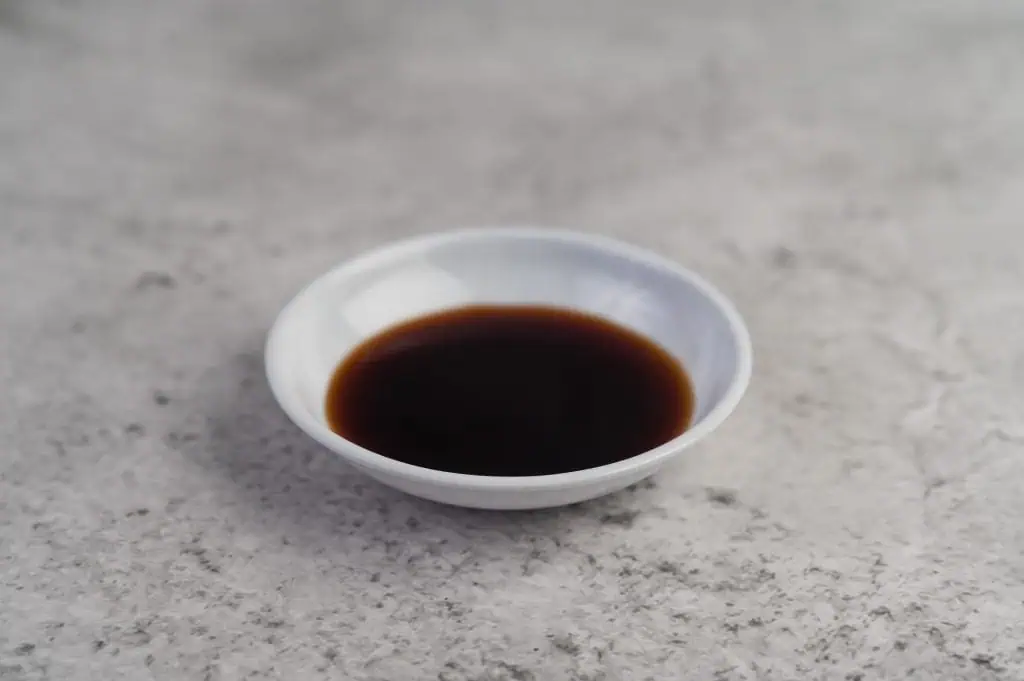
Soy sauce packets, often overlooked, degrade in quality post-expiry. The deep umami and salty flavors weaken, leaving behind an unpleasant metallic taste. Exposure to light and temperature fluctuations can also cause chemical changes, affecting flavor integrity. For a consistent seasoning experience, use bottled soy sauce stored in a cupboard away from direct sunlight. Opt for naturally brewed versions for a rich, unblemished taste that complements dishes without the risk of spoilage.


