
16 Clean Eating Hacks That Make Healthy Eating Simple

Clean eating can be simplified with a few thoughtful approaches. By focusing on fresh ingredients and smart choices, you can enjoy meals that nourish both body and mind. Each of these hacks will help streamline your path toward healthier habits, making it easier to embrace nutritious options without feeling overwhelmed.
Stay Hydrated for Better Health

Hydration plays a crucial role in maintaining overall wellness. Opt for water as your primary beverage, adding slices of citrus or cucumber for a refreshing twist. Herbal teas can offer variety and additional health benefits. Integrate a routine of drinking a glass of water first thing in the morning to kickstart your metabolism and keep a refillable bottle handy to track your intake throughout the day. Consistent hydration helps regulate body temperature, improve digestion, and even enhance cognitive function.
Embrace Seasonal Eating

Eating seasonally not only captures the best flavors but is also more nutrient-dense. Visit local farmers' markets to find fruits and vegetables at their peak freshness, which often means better texture and taste. Seasonal foods are generally more affordable and support sustainable farming practices. Experiment with ingredients like hearty winter squashes in colder months and juicy berries in the summer. Elevating your meals with seasonal produce can vastly improve the quality of your diet.
Curb Sugar Intake

Reducing sugar consumption is a cornerstone of clean eating. Start by identifying hidden sugars in processed foods, such as sauces or breads, and opt for natural sweeteners like honey or maple syrup in moderation. Homemade snacks can satisfy sweet cravings without excessive sugar. Consider baking with ripe bananas or dates for natural sweetness in desserts. Gradually adjusting your palate to enjoy the natural flavors of whole foods can make you less reliant on sugar-laden options.
Snack Smartly

Mindful snacking can keep energy levels stable and prevent overeating later. Prepare a variety of nutritious snacks like raw almonds, sliced veggies with hummus, or Greek yogurt topped with seeds. Keeping these options readily available minimizes the temptation for unhealthy choices. Balance snacks with a mix of protein, healthy fats, and fiber to sustain satiety. By rethinking snacks as mini-meals, you can maintain both nutritional balance and satisfaction throughout the day.
DIY Snack Packs

Creating your own snack packs offers control over ingredients and portion sizes. Use small containers or reusable zip bags to prepare combinations like almonds and dried cranberries, sliced cucumbers with hummus, or apple slices with a sprinkle of cinnamon. This preparation ensures quick access to nutritious snacks, reducing the temptation for less healthy options. Experiment with different nuts, seeds, and dried fruits for variety. Keep textures in mind; nut butters pair well with crunchy veggies or fruits, enhancing both taste and satisfaction.
Salads: More Than Just Greens

Elevate salads by incorporating a variety of textures and flavors beyond leafy greens. Add roasted sweet potatoes, quinoa, or chickpeas for a hearty base. Introduce elements like tangy feta cheese, toasted nuts, or fresh herbs to enhance complexity. Dressings play a crucial role—opt for homemade vinaigrettes using olive oil, lemon juice, and mustard. Emulsify by shaking vigorously in a mason jar. Balancing acidic, salty, and sweet notes ensures a truly satisfying dish that does more than just fill a plate.
Fruit and Veggie Feast

Maximize flavor by roasting or grilling fruits and vegetables, which caramelizes their natural sugars. Try roasting bell peppers, zucchini, or pineapple slices with a touch of olive oil and sea salt for deeper taste profiles. Incorporating fresh fruits like blueberries or oranges into savory dishes adds delightful bursts of acidity and sweetness. Keep prep simple—cut fruits and veggies into even pieces for uniform cooking, and maintain nutrition by avoiding overcooking. This approach highlights their inherent goodness in every bite.
Stock Up on Health

Maintaining a pantry filled with wholesome staples is key to simplifying healthy meals. Choose whole grains like brown rice, quinoa, and whole wheat pasta. Legumes such as lentils and black beans offer nutritious, versatile protein sources. Keep canned tomatoes, broth, and herbs for quick soups or sauces. Freeze extra prepared portions for easy access later. This strategy minimizes processed food reliance, ensuring that good choices are always at your fingertips, thereby making healthy eating an obvious and convenient option.
Choose Less Processed Foods

Opt for whole, minimally processed foods to retain maximum nutrients. Select oats over instant oatmeal, whole grain bread instead of white bread, and fresh vegetables rather than canned ones high in sodium. This choice reduces additives like sugars and preservatives. Focus on single-ingredient items, which allows for clearer judgement of their quality and benefits. Engage in mindful preparation to maintain flavors and nutritional integrity, making each meal both enjoyable and wholesome, aligning with cleaner eating habits.
Master Home Cooking

Developing confidence in home cooking is crucial for healthy eating. Focus on mastering basic techniques such as roasting, steaming, and sautéing. These methods enhance natural flavors without unnecessary fats or additives. Invest in quality, versatile kitchen tools like a sharp chef's knife and a reliable cutting board. Learning to efficiently dice vegetables or perfectly sear chicken can elevate your meals. Prioritize fresh, seasonal produce, which offers peak flavor and nutritional value, and plan meals with these ingredients at their core.
Slash the Salt

Reducing salt is essential for clean eating. Begin by seasoning with aromatic herbs and spices like cumin, coriander, and smoked paprika. These can enhance depth without overpowering. For added brightness, citrus juices or zest work wonders in marinades and dressings. When cooking grains, swap water for unsalted broth to infuse subtle flavor. Gradually decrease salt in recipes to adjust your palate. In time, these alternatives will offer satisfying savory notes without relying on sodium.
Avoid Hungry Shopping

Shopping while hungry often leads to impulse buys and unhealthy choices. Always prepare a list based on planned meals to avoid distractions. Consider a small, healthy snack before heading to the store to curb hunger-driven decisions. Pay attention to the perimeter aisles where fresh produce, proteins, and dairy are typically located, as these offer the best clean eating options. Read labels carefully; even seemingly healthy products can contain hidden sugars or unhealthy fats.
Portion Size Matters

Controlling portion sizes is key to balanced eating. Use smaller plates to naturally limit serving sizes and prevent overeating. Visual cues can help: imagine a protein serving as the size of your palm, with vegetables taking up half the plate. Measuring cups or a food scale can ensure accuracy, especially for calorie-dense ingredients like nuts or grains. Focus on quality over quantity, savoring each bite, and allowing your body time to recognize fullness before considering seconds.
Practice Mindful Eating

Mindful eating encourages an enjoyable and conscious experience. Begin by eliminating distractions, such as screens, during meals to focus solely on the food. Take the time to savor each bite, noting flavors and textures. Chew thoroughly, as this aids in digestion and satisfaction. Set down utensils between bites to slow the pace. Practicing gratitude for each meal can transform eating into a more intentional act. This approach can prevent overeating and foster a healthier relationship with food.
Savor Every Bite

Mindful eating can transform your dining experience. Focus on the textures and flavors of each ingredient. Chew slowly to enhance the taste and improve digestion. Pay attention to the color and aroma of your food; these sensory cues enrich satisfaction and control portion sizes. Start by serving meals on smaller plates, which naturally encourage smaller portions. Create a calm eating environment by eliminating distractions like screens, ensuring you fully appreciate each bite and become attuned to your body's hunger and satiety signals.
Opt for Healthy Choices
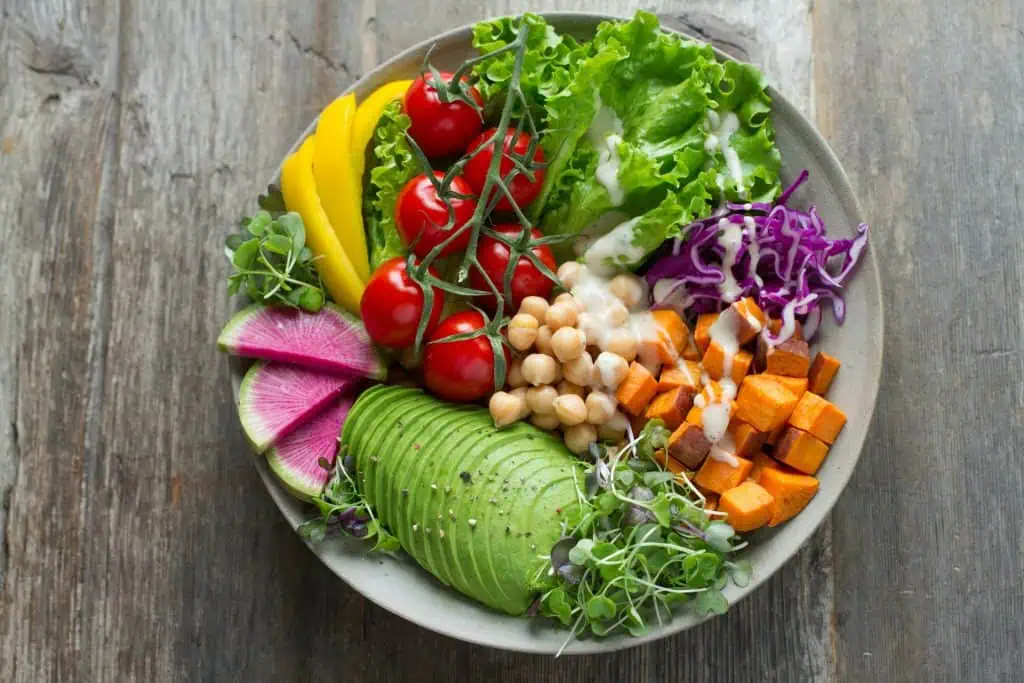
Selecting nutritious ingredients is essential for clean eating. Choose whole grains like quinoa or farro instead of refined ones; they're higher in fiber and nutrients. Leafy greens such as kale or Swiss chard bring vitamins and minerals to your dishes. Swap out red meat for plant-based proteins like lentils and chickpeas, which are both versatile and satisfying. Use herbs and spices to flavor your meals, minimizing the need for salt and sugar. With these choices, you create a base for delicious, nourishing meals.


