
15 Smart Cooking Tips That Save Money and Cut Waste

Cooking with mindfulness towards both finances and sustainability is a worthwhile endeavor. By employing practical strategies, home cooks can reduce waste and make the most of their ingredients. These tips not only lessen the environmental impact but also promote a healthier lifestyle. Dive into techniques that will help transform your kitchen habits, saving money while enhancing your culinary creations.
Adopt a Healthier, Sustainable Diet

Embrace a diet rich in plant-based ingredients and locally sourced produce to minimize both carbon footprint and cost. Incorporate legumes, whole grains, and seasonal vegetables to replace expensive, resource-intensive proteins. These ingredients not only stretch your budget but also provide essential nutrients. Consider meal planning around versatile staples like beans and lentils, which adapt well to many dishes and offer a hearty, satisfying texture.
Buy Only What You Need

Carefully consider meal planning to purchase only necessary ingredients, reducing the likelihood of spoiled food. Before shopping, audit your pantry and refrigerator to identify what's already available. Create a detailed shopping list to avoid impulse buys and consider portion sizes to prevent over-purchasing. This approach not only decreases food waste but also fosters a more organized kitchen and allows you to focus on fresh, high-quality items.
Pick Ugly Fruits and Veggies

Embrace imperfect produce to cut costs and contribute to waste reduction. Often disregarded at supermarkets, these fruits and vegetables possess all the flavor and nutritional benefits of their flawless counterparts. Their irregular shapes or minor blemishes don’t affect taste and can be utilized in countless dishes, from soups to sauces. By choosing these options, you support farmers and the environment, finding beauty in their unique imperfections.
Store Food Wisely

Proper storage techniques extend the lifespan of your groceries, preserving both flavor and nutrients. Organize your refrigerator and pantry to ensure that older items are used first. Utilize airtight containers for perishables and employ techniques like blanching and freezing to make seasonal produce last longer. Keeping herbs in a glass of water in the fridge or wrapping leafy greens in a damp towel can also help them stay fresh. These methods preserve the integrity of your ingredients, reducing waste and saving money.
Understand Food Labelling

Mastering the art of reading food labels can significantly reduce waste and save money. Focus on the distinction between “sell by,” “best by,” and “use by” dates to better gauge shelf life. Foods are often safe to eat beyond these dates, provided they pass the look, smell, and taste tests. This understanding helps you prioritize ingredient use, ensuring freshness and minimizing unnecessary discarding. Trust your senses in collaboration with labels to guide smart kitchen decisions.
Start with Small Portions

Begin meal preparations with smaller servings to naturally manage portion control. This approach cuts down on leftovers that might go uneaten and ultimately wasted. By assessing real consumption needs, you’ll notice reduced ingredient usage over time, lowering grocery expenses. This method also plays into creative meal planning, allowing you to stretch ingredients across multiple meals, giving rise to diverse and budget-friendly dining experiences.
Love Your Leftovers

Embrace leftovers by transforming them into appetizing new dishes. Visualize leftover roast turning into rich stews or vibrant salads, adding varied textures. Use techniques like stir-frying to quickly revitalize yesterday’s meals. Be inventive with spices and fresh herbs to refresh flavors. A strategic approach to leftovers ensures every last bit is savored, underscoring both economy and creativity in cooking.
Put Food Waste to Use

Repurpose what you might consider waste. Vegetable peels and meat bones excel in homemade stocks, while citrus rinds can be zested or candied. Stale bread transforms into breadcrumbs or croutons, adding crunch and depth. By viewing waste as a resource, you not only extend the life of your food but also enhance your culinary repertoire with minimal cost. This sustainable practice supports a complete kitchen cycle and reduces environmental impact.
Respect Every Bite

Cultivate mindfulness in every stage of cooking and dining, from ingredient selection to the last bite. Appreciate the labor and resources behind each component. This conscious approach encourages using whole ingredients and valuing each meal’s preparation effort. By instilling this respect, you naturally reduce waste and underscore the importance of thoughtful consumption, leading to more satisfying and cost-effective eating habits.
Support Local Food Producers

Buying from local growers reduces transportation costs and embraces seasonal flavors. Explore farmers' markets for fresh, nutrient-rich ingredients while ensuring your money supports sustainable practices. Local produce is often picked at peak ripeness, offering superior taste and quality. Volume purchases can lower costs and minimize packaging waste. Engaging with producers allows for a better understanding of how your food is grown, providing a more conscious choice that benefits your community and the environment.
Keep Fish Populations Healthy

Opt for sustainably caught or farmed seafood to protect marine ecosystems. Look for certifications like MSC or ASC when purchasing. Diversifying your fish choices reduces pressure on overfished species. Try cooking fish like mackerel or sardines, which are both sustainable and full of omega-3 fatty acids. Use every part of the fish to minimize waste, including bones for a flavorful stock. This approach supports healthy oceans while offering diverse, nutrient-packed meals.
Use Less Water in Cooking

Minimize water usage by steaming or stir-frying vegetables instead of boiling them. These methods retain nutrients and flavors more effectively. For grains and pasta, use the least amount of water necessary, saving the starchy liquid for other dishes like soups or sauces, enhancing flavor and consistency. Select energy-efficient cooking techniques such as pressure cooking, which also uses less water. Reusing water creatively reduces waste and adds depth to your culinary creations.
Protect Our Soils and Water

Practice composting and recycling kitchen waste to enrich soil health. Choose organically grown produce to support farming methods that conserve water and soil integrity. Use kitchen scraps to create natural compost, boosting nutrient availability in your garden, which in turn supports biodiversity. Opt for no-till gardening methods to maintain soil structure and moisture. These actions contribute to a robust ecosystem, ensuring the long-term health of our food sources.
Eat More Pulses and Veggies
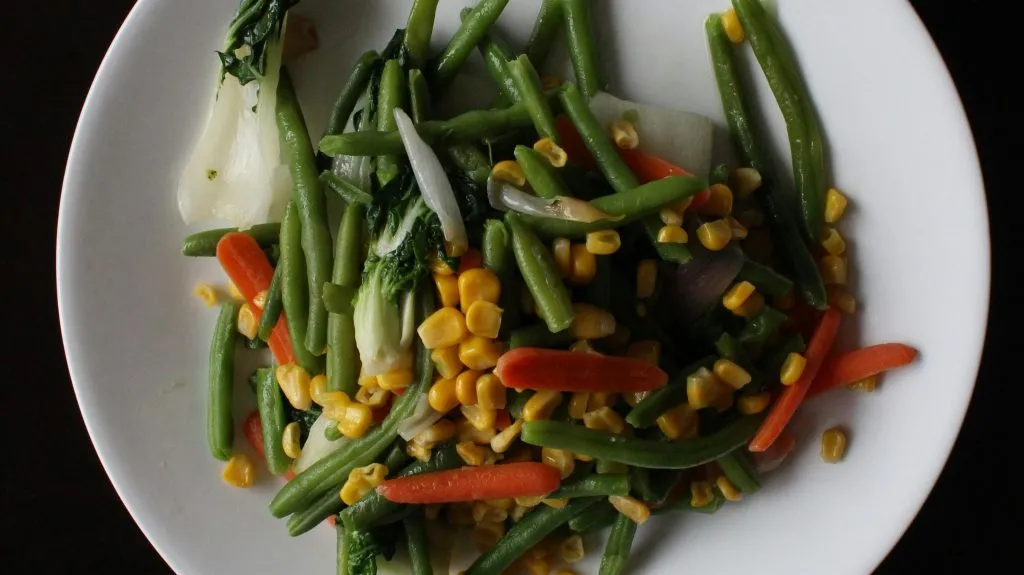
Incorporate a wide variety of pulses like lentils, peas, and beans into meals for cost-effective protein and fiber. These crops enrich soil quality by fixing nitrogen, reducing the need for synthetic fertilizers. Vegetables and pulses lend themselves to endless culinary applications, from hearty stews to vibrant salads, allowing you to easily reduce meat consumption and its environmental impact. Embrace the versatility of plant-forward meals that promote health, sustainability, and delightful textures.
Share Meals with Others

Sharing meals is a powerful strategy to cut down on costs and minimize waste. Cooking in larger quantities often reduces the per-portion cost and allows you to take advantage of bulk buying discounts. When planning a shared meal, focus on versatile dishes like casseroles or stews that stretch ingredients and adapt well to different tastes. Organize potlucks where each guest contributes a dish, ensuring a balanced meal without the burden solely on the host. This approach not only maximizes ingredient use but also fosters community and creativity in your cooking.


