
15 Iconic American Foods Born Out of Necessity

American cuisine is rich with foods born out of necessity, each carrying its own story of innovation and adaptability. These dishes evolved during times when resources were scarce, turning humble ingredients into staples that stood the test of time. Whether crafted during wartime or economic hardship, these iconic foods have become cherished parts of the culinary landscape, showcasing not only creativity but resilience.
Spam: The Wartime Staple

Spam emerged as a solution for shelf-stable protein during World War II. Its key to success lies in the clever preservation technique, using a mixture of pork shoulder and ham sealed in a can. To enjoy Spam, slice it thinly and fry until golden for a crispy exterior that contrasts its tender interior. Pair it with rice and eggs for breakfast or dice it into stir-fries. Recognize its versatility by using it in sandwiches or broiled as a topping, embracing its savory, salty depth.
The Invention of the Corn Dog

The corn dog was a clever invention that transformed fair food, making it easy to enjoy a meal on the go. A hot dog, skewered and dipped into a sweet cornmeal batter, is fried to perfection. This method highlights the contrasting textures, the crisp, golden crust and the juicy sausage within. To elevate your corn dog experience, ensure your oil is at 375°F for an even fry, and let them rest on a wire rack to maintain crispiness. Serve with mustard or ketchup to enhance its comforting flavors.
S.O.S.: A Military Classic

S.O.S. (“Stuff on a Shingle”) is a simple yet satisfying dish born in military kitchens. Made by combining chipped beef with a creamy, peppered béchamel sauce served over toast, it provided hearty sustenance. The technique hinges on creating a smooth roux-based sauce that coats the beef evenly. Cook your roux until just golden before whisking in milk for a lump-free finish. Serve it over toasted bread, allowing the sauce to seep slightly into the crumb for a comforting, savory bite.
Peanut Butter for Protein

Peanut butter emerged as a protein-rich staple during the early 20th century, particularly vital during food shortages. Its robust flavor and creamy texture make it a versatile pantry must-have. Spread it on bread with jam for a classic PB&J, or blend it into hot oatmeal for added richness. When baking, peanut butter adds moisture and flavor to cookies or brownies. Opt for natural varieties to enjoy its pure nutty essence, and consider adding a pinch of salt to heighten its natural sweetness.
Salmon Patties in Hard Times

Salmon patties emerged as a staple in American kitchens during the Great Depression. Canned salmon was both affordable and accessible, making it a go-to ingredient. To prepare, drain and flake the salmon, mix with breadcrumbs for binding, and incorporate eggs, onion, and dill for flavor. Shape into patties and sear them in a preheated skillet until golden and crisp on the outside. These patties offer a delightful texture, with a crunchy exterior and tender interior. Serve with a squeeze of lemon for brightness, highlighting the salmon's natural richness.
The Humble Sloppy Joe
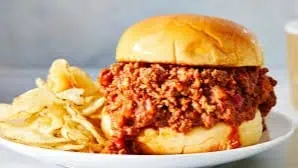
The Sloppy Joe became popular during the 1930s as an economical, filling meal. Ground beef, combined with onions and bell peppers, forms the hearty base. Use tomato sauce or ketchup to create a savory, tangy sauce, seasoned with Worcestershire sauce and a dash of vinegar for balance. Serve it warm over hamburger buns, allowing the sauce to soak into the bread slightly, creating a soft, flavorful bite. Finely chopping the vegetables ensures even cooking and texture, making this dish both satisfying and comforting.
The Origin of the Philly Cheesesteak

The Philly cheesesteak traces its roots to 1930s Philadelphia, born out of a hot dog vendor's innovation with beef. Thinly slice ribeye for the best texture, cooking it on a hot griddle for a quick sear. Add sautéed onions and melt provolone or cheese whiz to achieve its signature gooeyness. Serve on a crusty hoagie roll, ensuring the cheese engulfs the steak and onions, creating a rich, savory profile. The key is balance, crispy bread, tender meat, and melty cheese harmonize in each bite.
TV Dinners' Convenience
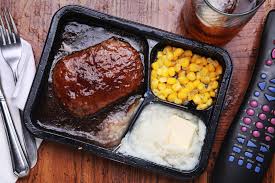
Introduced in the 1950s, TV dinners revolutionized meal preparation with pre-cooked, easy-to-heat meals. Initially consisting of simple components like turkey, potatoes, and peas, these meals offered quick and reliable convenience. For a homemade version, roast a turkey breast and prepare mashed potatoes, adding a touch of garlic for depth. Incorporate vegetables seasoned with herbs like thyme. Serve portions in compartmentalized trays to replicate the original format, perfect for quick dinners without sacrificing quality.
Macaroni and Cheese's Evolution

Macaroni and cheese, first popularized during the economic hardship of the Great Depression, has since evolved. Start with a creamy béchamel sauce, incorporating sharp cheddar and Gruyère for a nuanced flavor. Cook elbow macaroni until al dente, combining it with the sauce to ensure every piece is coated. Bake with breadcrumbs on top for a crispy, contrasting texture. The key is achieving a balance of creaminess and cheesy depth, with the breadcrumbs providing a satisfying crunch elevating this comfort classic.
History of the Reuben Sandwich

The Reuben sandwich, a staple of American delis, is rooted in practical necessity. Originating in the early 20th century, it combines corned beef, Swiss cheese, sauerkraut, and Russian dressing grilled between slices of rye bread. This seemingly simple creation is layered with flavor—the tang of sauerkraut and the creamy dressing balance the savory corned beef. For home cooks, the key is selecting quality rye bread and ensuring even toasting to achieve a crispy exterior that contrasts with the flavorful, warm fillings.
Grits and Southern Survival

Grits, composed of ground hominy, have been a fundamental element of Southern cuisine, revered for their nutritional value and versatility. Born out of necessity, grits provided sustenance through economic hardships, offering a base that can be sweetened or combined with savory ingredients like cheese and butter. The secret to perfect grits is patience; slow cooking allows the granules to fully absorb liquid, developing a creamy texture. Season adequately with salt and layer with toppings such as shrimp or bacon for added richness.
Biscuits and Gravy's Origins

Biscuits and gravy developed during times when stretching ingredients was essential. Southern cooks crafted biscuits from staples like flour, milk, and fat, while gravy was often made from pan drippings. The biscuits are tender and flaky, a delicate crumb achieved by gently combining ingredients and avoiding overmixing. Meanwhile, gravy gains depth from browning sausage or bacon before adding flour and milk to create a thick, savory sauce. This combination is deeply comforting and showcases resourceful, economic cooking that remains beloved.
New York Bagels in Demand

New York bagels arose from the cultural and economic necessities of Eastern European Jewish immigrants. The dense, chewy texture distinguishes them, attributed to the traditional method of boiling before baking. To craft authentic bagels at home, use high-gluten flour and a water bath containing malt syrup to create a glossy crust. These bagels are celebrated for their versatility, topped with cream cheese or lox, or enjoyed plain. Mastering the boil-and-bake technique ensures a satisfying bite and distinct, authentic flavor.
The Classic Meatloaf Story

Meatloaf emerged from the practicality of extending limited meat supplies by incorporating breadcrumbs, vegetables, and seasonings. This economical dish, popular during the Great Depression, showcases adaptability by utilizing whatever proteins and fillers are available. Achieving a juicy loaf requires balancing moisture with binders; including finely chopped onions or carrots adds flavor and texture. Baking on a rack allows fat to drain, preventing sogginess, and glazing with ketchup or barbecue sauce introduces a caramelized finish. Meatloaf remains a symbol of thrift and comfort.
Chili: The Cowboy's Brew

Chili speaks to the resourcefulness of early American cowboys. This robust stew combines affordable cuts of beef with beans, tomatoes, and a medley of spices. Start by browning cubes of chuck in a large pot to build a rich foundation with its rendered fat. Carefully layer in aromatics like onions and garlic, letting them sweat gently to enhance their sweetness. Incorporate canned tomatoes for acidity and absorbent dry beans, simmering everything slowly so flavors meld into a hearty cohesion. Generous use of chili powder and cumin adds depth, capturing a taste of rugged simplicity. Serve with cornbread for an authentic experience.


